

Antique Porcelain Display Cabinet
When you seek an antique porcelain display cabinet, you examine substantial nineteenth-century walnut and ebonised pieces designed to showcase ceramic art.
Antique Porcelain Display Cabinet
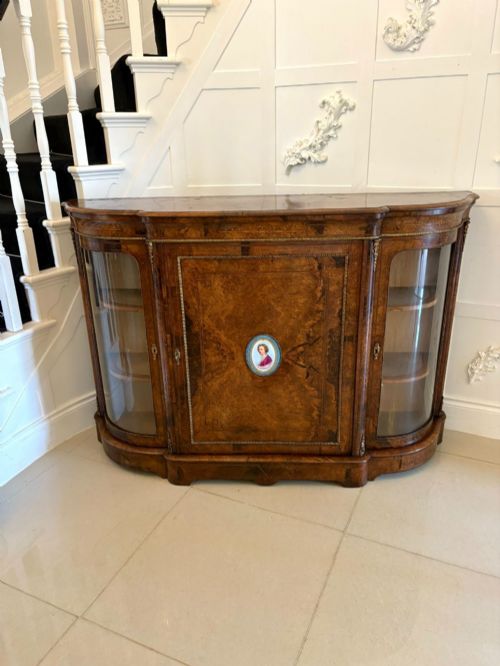
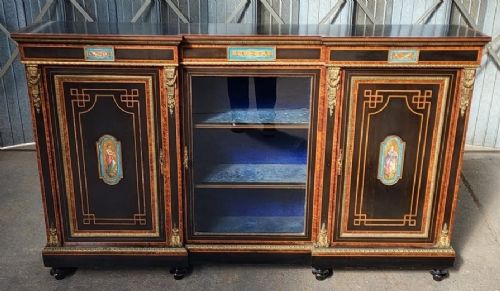
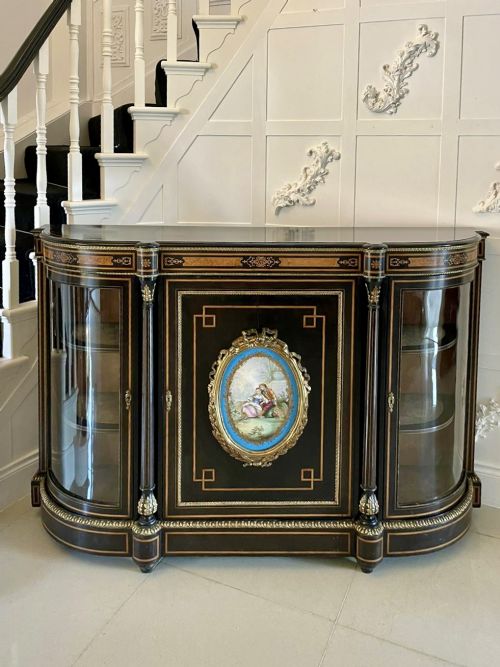
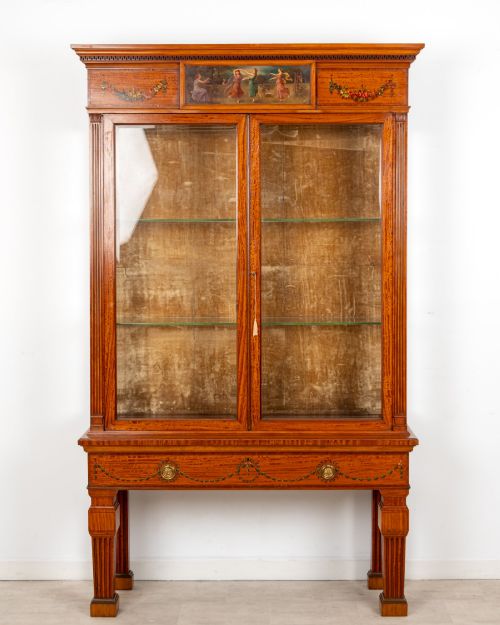
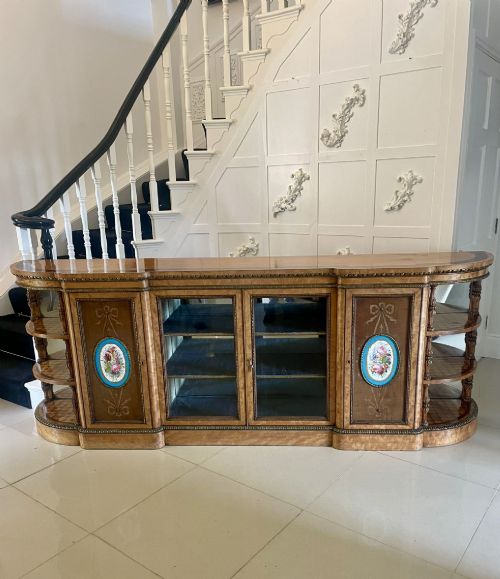
Makers integrated porcelain plaques directly into timber facades, creating furniture specifically designed to complement ceramic collections. Pieces range from satinwood and burr walnut credenzas to ebonised side cabinets mounted with ormolu.
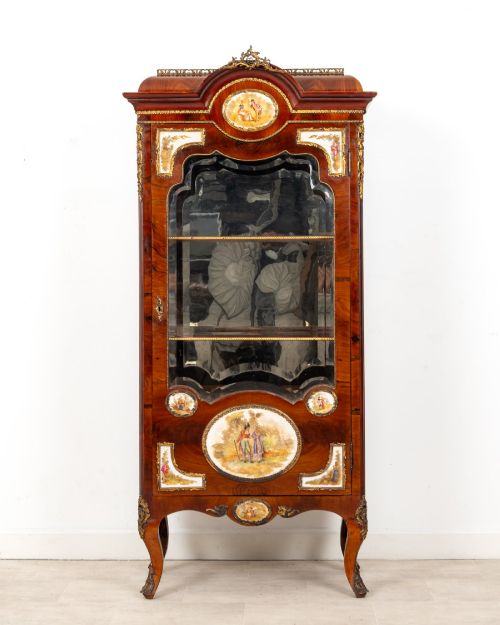
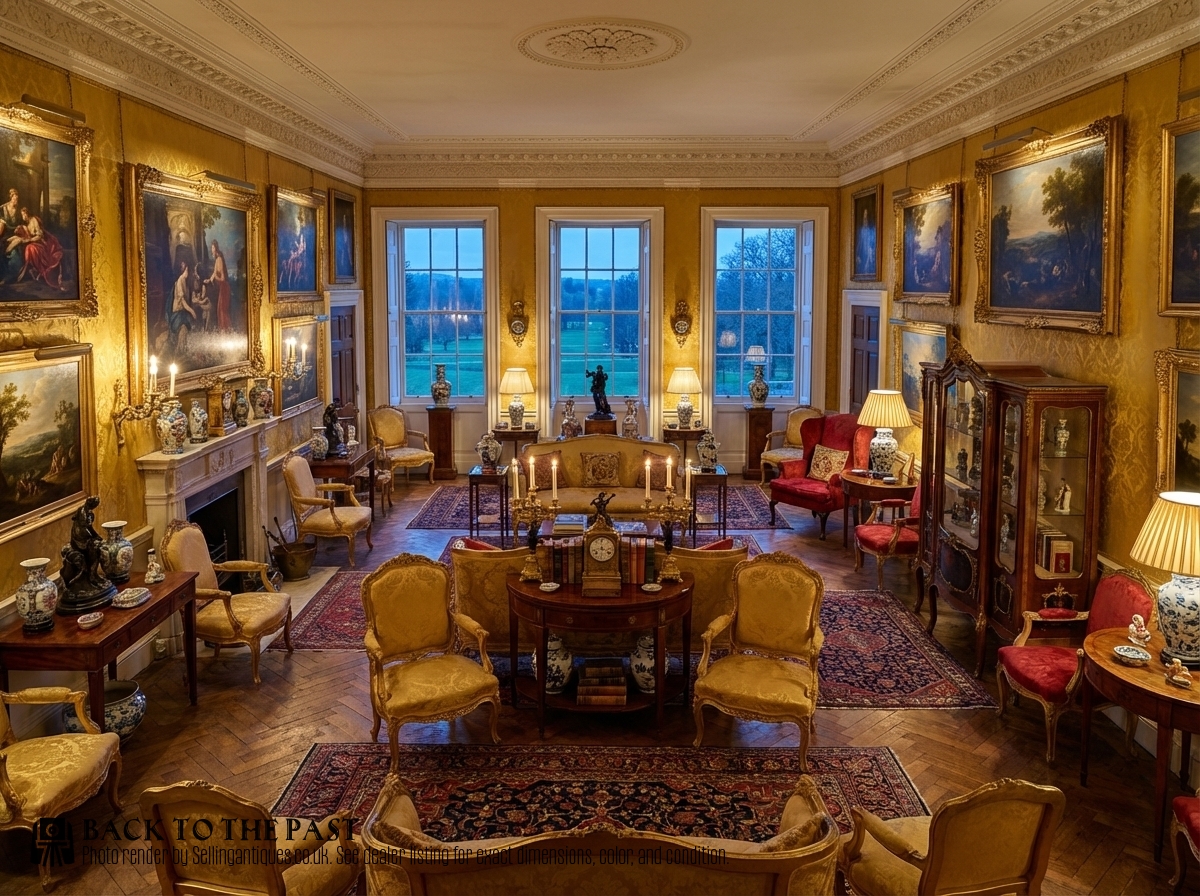
The form developed to serve Victorian and Edwardian drawing rooms, functioning simultaneously as storage and architectural display space. Buyers encounter French vitrines alongside English sideboards and pier cabinets bearing handpainted porcelain insertions.
Materials and construction
Cabinets rely on dense hardwoods like walnut, satinwood, and ebonised timber, frequently finished with marquetry inlay and gold leaf gilding. Ormolu mounts provide structural and decorative bronze accents around glass doors and porcelain plaques.
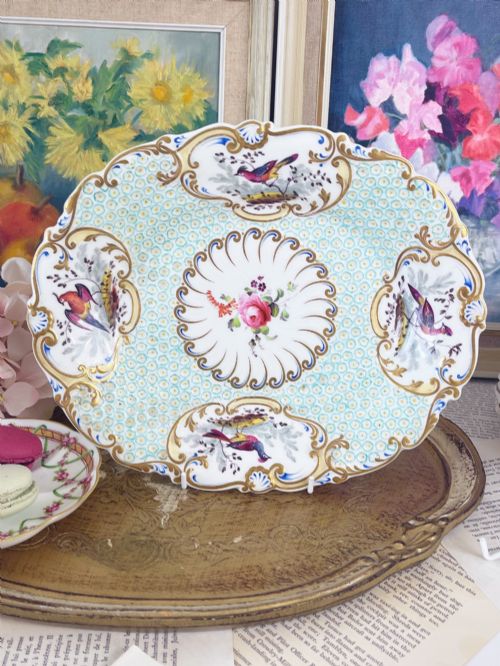
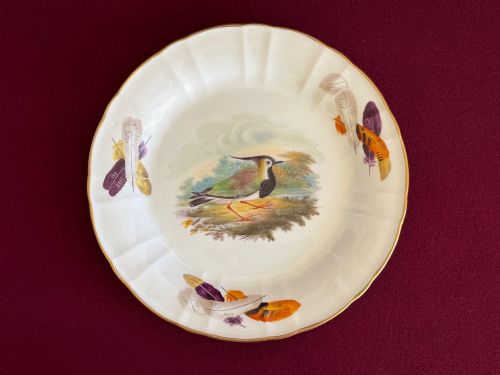
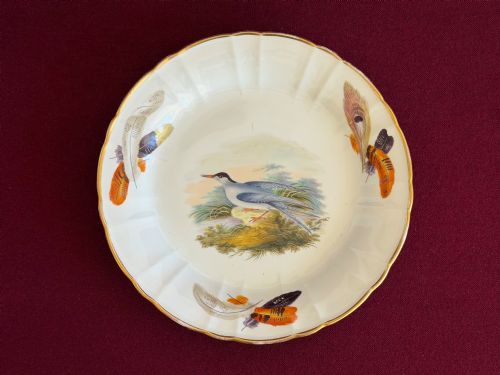
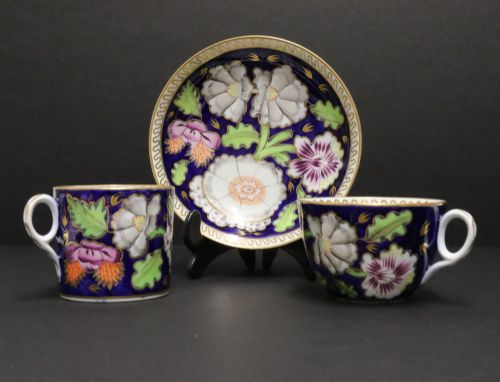
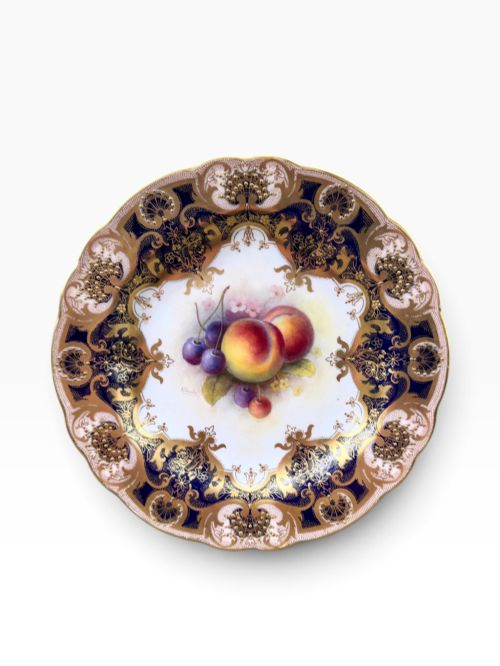
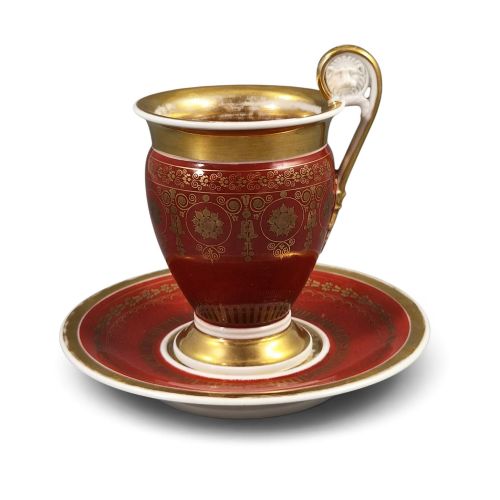
Ceramic elements utilise bone china and soft paste porcelain, shaped into cabinet plates, cups, and circular plaques. Artisans applied handpainted botanical, ornithological, and portrait subjects directly onto the porcelain before firing.
Joinery techniques involve timber framing built to support heavy glass panels and inset ceramic plaques without warping. Gilding and enamel details complete the integration of porcelain components into the main cabinet body.
The listings show periods ranging from Georgian through the Victorian and Edwardian eras into Art Deco, utilising walnut, satinwood, porcelain, and ormolu.
Factors that define quality
Superior examples depend on the integration of handpainted ceramic art by documented artists alongside cabinetwork executed in burr walnut or satinwood. The crispness of ormolu mounts and the precision of marquetry inlay separate master workshops from standard production.
The ceramic components dictate overall value through the fineness of the painting, particularly on portrait and ornithological subjects. High-grade items display undamaged porcelain mounts with intact gilding and original glass panes.
Hampton and Sons London·H and R Daniel·Royal Crown Derby·Royal Worcester
The Antique Porcelain Display Cabinet Glossary
- Credenza
- A side cabinet featuring cupboards, often mounted with porcelain plaques and used for display in nineteenth-century interiors. These pieces frequently incorporate burr walnut and ormolu.
- Ormolu
- Gilded bronze used for decorative mounts and framing on furniture. This material provides metallic contrast against dark woods and porcelain.
- Vitrine
- A glass-fronted display cabinet designed specifically for showing ceramics and objects of vertu. These cases protect fragile porcelain while offering all-around visibility.
- Pier Cabinet
- A narrow cabinet built to stand against the wall space between windows. They typically feature single glass doors housing tiered interior shelves.
- Cabinet Plate
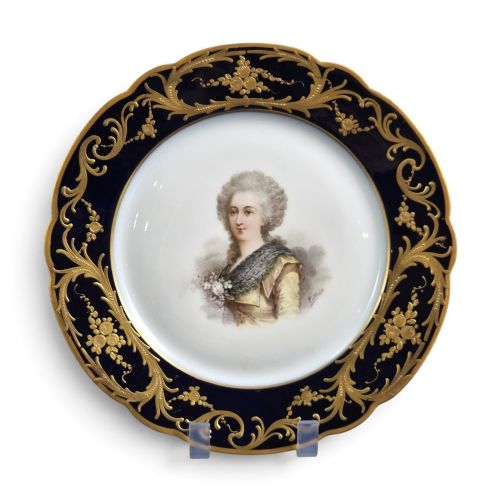
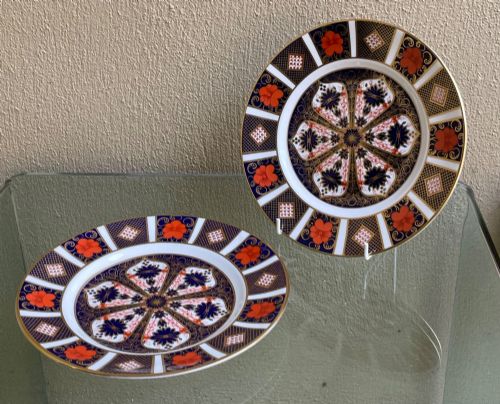
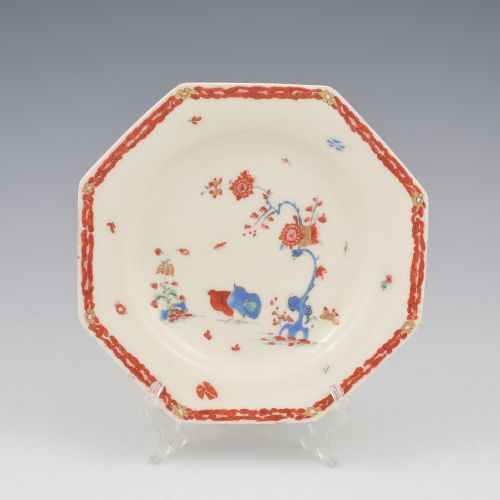
- A decorative ceramic plate intended for display rather than dining use. They often feature elaborate handpainted scenes and gilded borders.
Antique Porcelain Display Cabinet: Frequently Asked Questions
What is a porcelain mounted cabinet?
A porcelain mounted cabinet is a piece of furniture featuring fired ceramic plaques set directly into the wooden frame or doors. These additions transformed standard storage into decorative centerpieces.
Craftsmen in the nineteenth century utilised plaques from major factories to enhance walnut and ebonised credenzas. This method united ceramic artistry with fine cabinetmaking.
How were display cabinets used?
Display cabinets served in Victorian drawing rooms to house precious ceramics, glassware, and decorative objects. The glazed doors protected delicate pieces from dust while allowing full visibility.
Owners curated collections of cabinet plates and porcelain figures inside these structures. They acted as status symbols reflecting the cultural tastes of the household.
How do I identify Victorian pieces?
Victorian cabinets often feature dense timbers such as burr walnut, ebonised wood, and satinwood marquetry. You frequently find heavy ormolu mounts framing glass doors and inset ceramic plaques.
Stylistic cues draw heavily from French revival movements and aesthetic period design. Construction methods involve robust framing built to support heavy glass and porcelain elements.
Are cabinet plates meant for dining?
Cabinet plates are purely decorative items intended for display on stands or inside vitrines. They feature intricate handpainted scenes that would wear away with regular use.
These pieces often include delicate gilding and detailed botanical or ornithological subjects. Their fragile nature separates them from standard tableware.