




Antique Porcelain Covered Bowl
An antique porcelain covered bowl brings eighteenth and nineteenth-century ceramic artistry straight to the dining table.
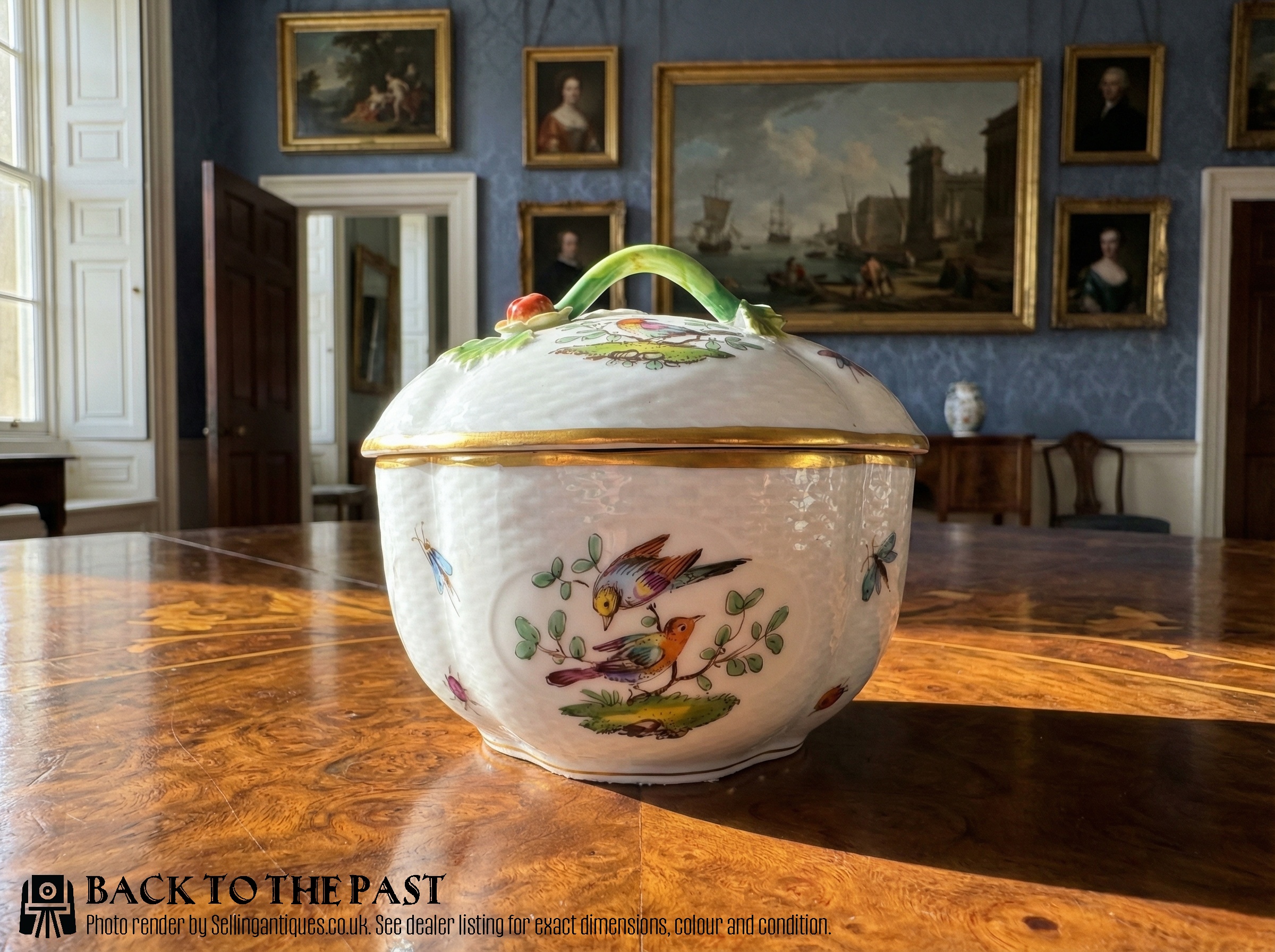
Antique Porcelain Covered Bowl
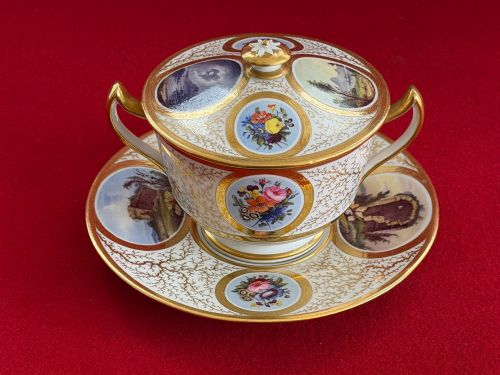
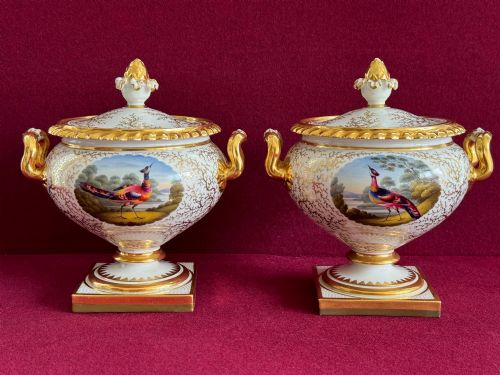
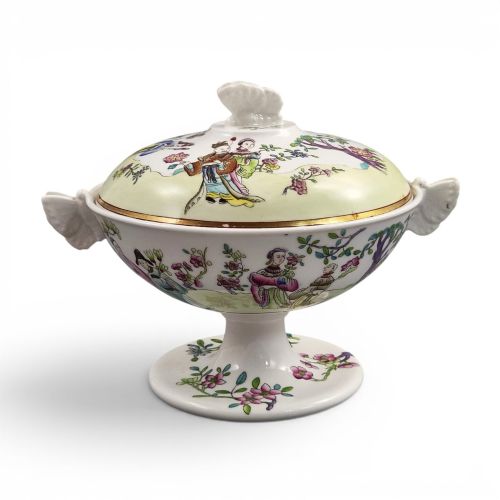
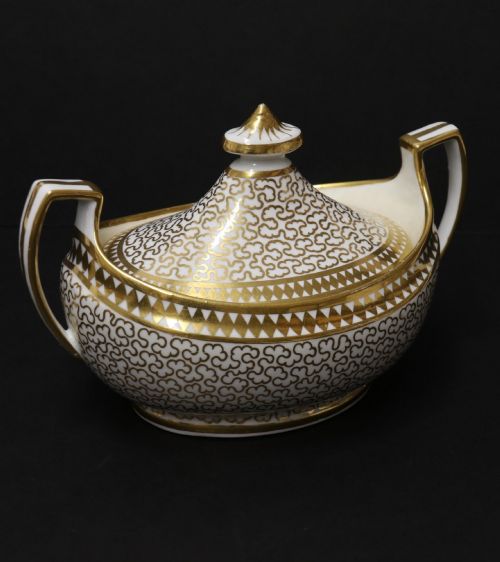
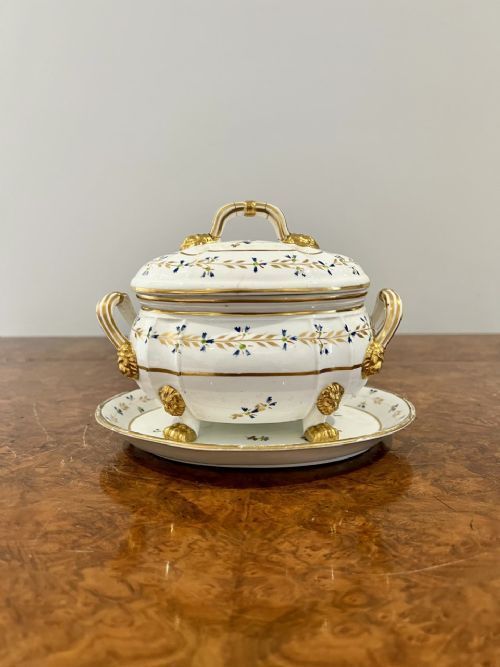
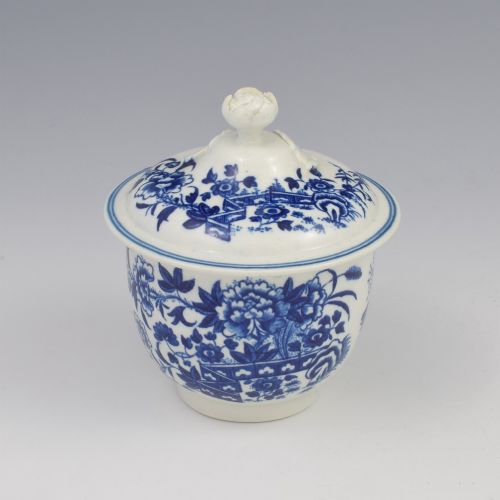
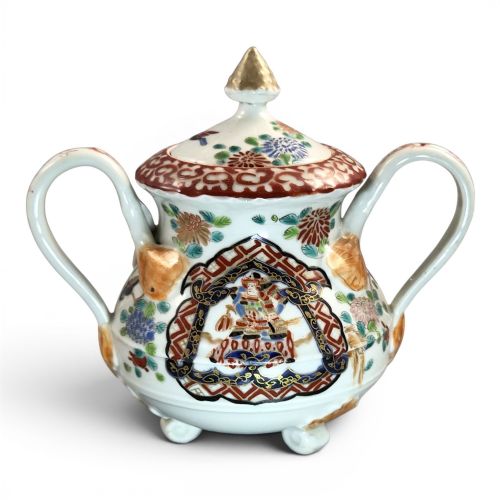
An antique porcelain covered bowl spans functional tableware and decorative vessels, including sugar bowls, sucriers, chestnut baskets, and tureens. These pieces originate from English, continental European, and Asian kilns dating from the eighteenth century through to the early twentieth century.
The domestic sugar bowl or sucrier sits alongside larger soup and sauce tureens, potpourri lidded bowls, and dessert cream tureens. Most examples encountered on this page belong to the Georgian and nineteenth-century periods, showcasing styles from Regency to Rococo Revival.
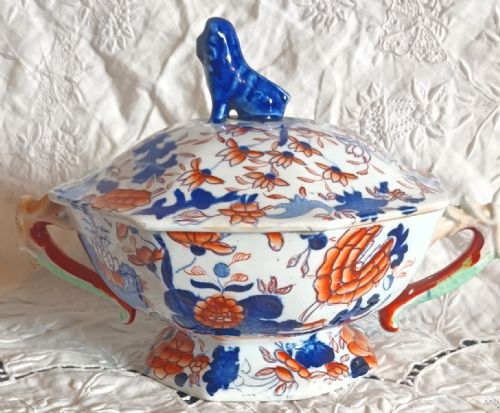
Makers and factories represented range from First Period Worcester and Derby to Spode, Mason's Ironstone, Limoges, and Meissen. Forms vary from simple blue and white patterns to elaborate Imari designs with gilt handles and botanical motifs.
Materials and manufacturing techniques
Potters utilised hard-paste porcelain, soft-paste porcelain, ironstone, and earthenware alongside ceramic bodies to form these covered vessels. Early pieces often relied on soft-paste porcelain, while later nineteenth-century items frequently employed durable ironstone or felspar porcelain.
Decoration involved hand-painted enamels, underglaze blue and white transfer printing, and applied gold leaf or gilding. Many vessels incorporate moulded details such as butterfly handles, floral knobs, or basketweave textures before receiving their final glaze and firing.
Antique Porcelain Covered Bowl Retail Price Guide 2026
Typical asking prices for porcelain covered bowl among the pieces listed under this phrase on Sellingantiques today, from the lower quarter to the upper quarter. They describe what is for sale here now, not the wider market.
Listings span multiple centuries, ranging from eighteenth-century Georgian pieces to early twentieth-century Asian enamel and pottery jars.
Distinctions in quality and execution
Quality rests in the crispness of the moulding, the precision of the hand-painting, and the consistency of the glaze. Early Worcester and Derby pieces display delicate brushwork and refined potting, whereas mass-produced ironstone prioritises robust utility.
The presence of factory marks, sophisticated polychrome enamels, and heavy gilding separate standard utilitarian containers from high-status decorative tureens and potpourri bowls.
Derby Porcelain·Swansea Pearlware·Spode·Limoges·Chamberlains Worcester·Mason's Ironstone·Fukagawa·Crown Derby·Mintons·Dresden·Ridgway·Flight, Barr and Barr·Sevres·Richard Ginori·Turner·Meissen·Coalport
The Antique Porcelain Covered Bowl Glossary
- Sucrier
- A small covered sugar bowl designed for the tea table. These often feature matching stands and delicate handles.
- Tureen
- A deep, large bowl with a lid used for serving soup, sauce, or broth. They frequently include integral stands and twin handles.
- Imari
- A decorative style originating in Japan and copied in Europe, characterised by underglaze blue, iron red, and gold. This palette appears frequently on nineteenth-century vessels.
- Ironstone
- A heavy, durable type of earthenware patented in the nineteenth century. It resists chipping and mimics porcelain.
- Soft-paste porcelain
- An artificial porcelain composition fired at lower temperatures than hard-paste, common in eighteenth-century English factories. It produces a warm, slightly translucent body.
Antique Porcelain Covered Bowl: Frequently Asked Questions
How do I use an antique covered bowl today?
These vessels suit serving sugar, sauces, or small dry items at the dining table, or functioning as standalone decorative accents on a sideboard.
Due to their age and delicate enamels, hand washing in warm water without abrasive detergents is essential for their preservation.
What is the difference between a sucrier and a tureen?
A sucrier is specifically a small sugar bowl made for tea service, whereas a tureen is a larger vessel intended for soup, sauce, or broth.
Tureens generally feature two side handles and sometimes an attached ceramic stand, while sucriers are more compact.
How can I tell an eighteenth-century bowl from a nineteenth-century one?
Eighteenth-century examples frequently utilise soft-paste porcelain with hand-painted underglaze blue or early enamel palettes. The paste feels warmer and displays subtle potting imperfections characteristic of early kiln technology.
Nineteenth-century items often employ harder felspar porcelain, ironstone, or transfer-printing techniques, yielding brighter colours and heavier, more uniform bodies.
Did these bowls always come with stands?
Not all covered vessels included stands, but many sauce tureens, entrée dishes, and chestnut baskets were manufactured with matching under-dishes. The stand caught drips and elevated the presentation on formal dining tables.