



White Dresden Porcelain Bowl
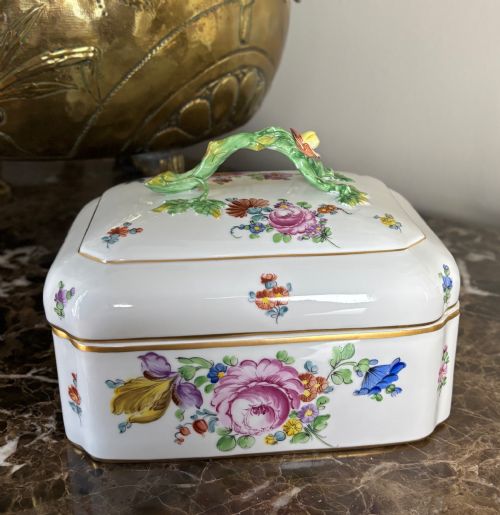
These white dresden porcelain bowls bring elaborate Rococo forms and intricate floral ornament directly to the table.
White Dresden Porcelain Bowl
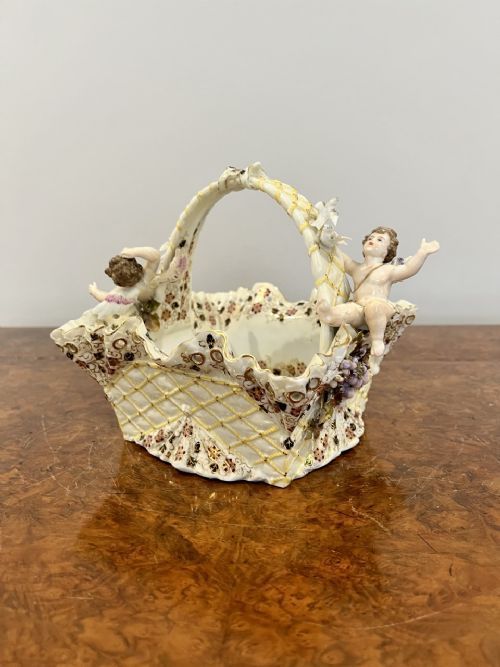
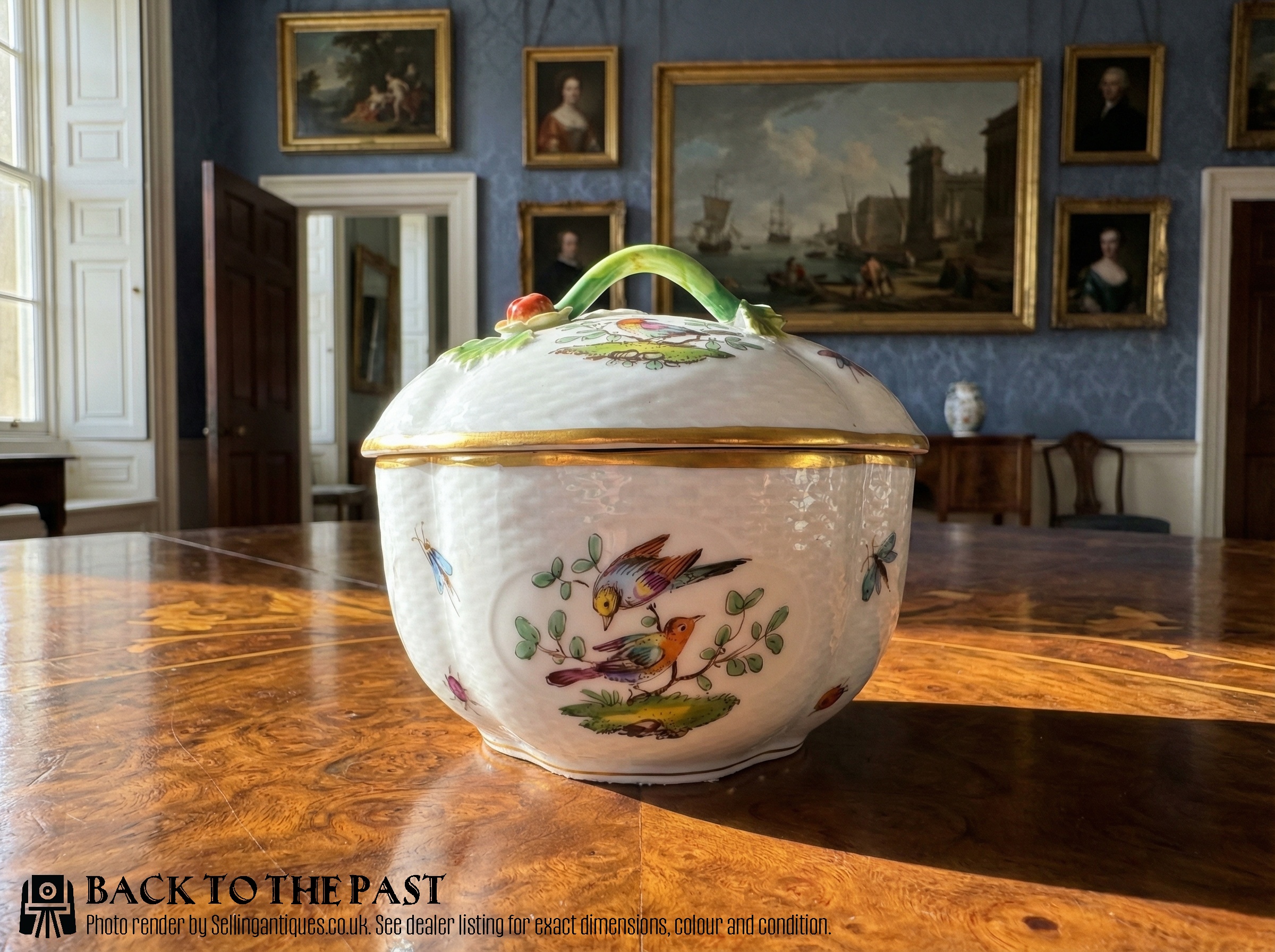
When a buyer hunts for a white dresden porcelain bowl, they encounter grand centrepieces, ornate baskets, and decorative dishes shaped by nineteenth-century German factories. The selection on this page leans heavily toward Victorian Rococo Revival forms, featuring elaborate modelled figures, cherubs, and applied flowers.
Makers such as Schierholz, Meissen, and Paul Müller Selb dominate the origins of these items, spanning periods from the eighteenth century to the Edwardian era. Centrepieces and sweetmeat dishes form the core of what is available, often combining openwork basketry with sculptural putti.
How they were made
Makers utilised hard-paste porcelain fired at high temperatures to achieve crisp, durable shapes that support delicate modelled elements. Artisans applied fine enamel colours and gold leaf highlights by hand to accentuate the relief work on baskets and bowls.
Applied floral elements and sculptural figures such as putti were modelled separately and painstakingly attached to the body of the bowl before firing. Gilt edging and gilded enamel details completed the decoration, adding rich contrast to the white porcelain ground.
White Dresden Porcelain Bowl Retail Price Guide 2026
Typical asking prices for white dresden porcelain bowl among the pieces listed under this phrase on Sellingantiques today, from the lower quarter to the upper quarter. They describe what is for sale here now, not the wider market.
Several Victorian centrepieces feature industrious little cherubs permanently tangled in porcelain rosebushes.
What varies in quality
The sophistication of the modelling separates ordinary production from exceptional output, particularly in the rendering of putti faces and individual petals on applied roses. Finer examples display meticulous hand-painted details in the enamel work and generous, well-preserved gilding.
Structural complexity also defines the upper tier, where large centrepieces incorporate intricate openwork baskets and multiple figures without distortion. Lesser pieces rely on simpler moulded surfaces with minimal hand-finishing and basic enamel application.
Paul Müller Selb·R Wehsner·C G Schierholz und Sohn
The White Dresden Porcelain Bowl Glossary
- Hard-paste porcelain
- A dense, durable ceramic material fired at very high temperatures, composed of kaolin and petuntse. It provides the crisp white ground typical of German centrepieces.
- Putti
- Plump, winged figures of male infants frequently modelled in high relief on nineteenth-century centrepieces. They often climb among applied roses or hold musical instruments.
- Comport
- A decorative raised dish or bowl used traditionally for serving fruit or sweetmeats at the table. These pieces sit on a pedestal base above the main surface.
- Sweetmeat dish
- A small, ornamental vessel designed for holding confectioneries, nuts, or dried fruits. They frequently take the form of baskets or shell-like bowls.
- Potpourri lidded bowl
- A pierced or perforated container intended to hold dried scented plant materials for freshening rooms. The piercing allows the fragrance to diffuse.
White Dresden Porcelain Bowl: Frequently Asked Questions
How were centrepieces used?
These large bowls served as ornamental centrepieces on dining tables, frequently holding fruit or sweetmeats during formal meals. They acted as visual spectacles to impress guests.
Over time, their role shifted entirely to display objects placed on sideboards or mantelpieces to showcase wealth and taste.
How can I tell the period?
Examine the underglaze marks and the style of the modelling, which often shifts from eighteenth-century restraint to exuberant Victorian Rococo Revival. Edwardian pieces frequently repeat earlier German forms with slightly heavier paste.
Compare the crispness of the applied roses and the application of enamel work against known factory standards from the same era.
Where were they made?
Production centred primarily in German manufacturing regions such as Saxony and Bavaria, where factories utilised local mineral deposits. Towns like Plaue and Selb hosted notable workshops.
These German porcelain houses exported vast quantities of decorative baskets and centrepieces to the British market during the nineteenth century.