


Antique Porcelain Candle Sconces
These antique porcelain candle sconces bring sculptural modelling and gilt mounts to any wall, offering a striking blend of ceramic artistry and functional lighting.
Antique Porcelain Candle Sconces
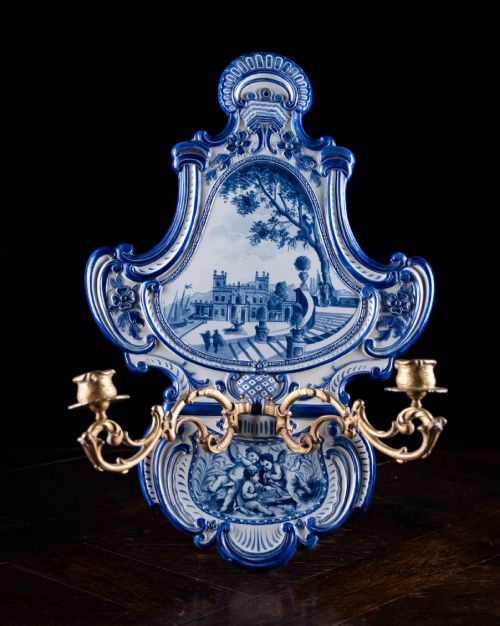
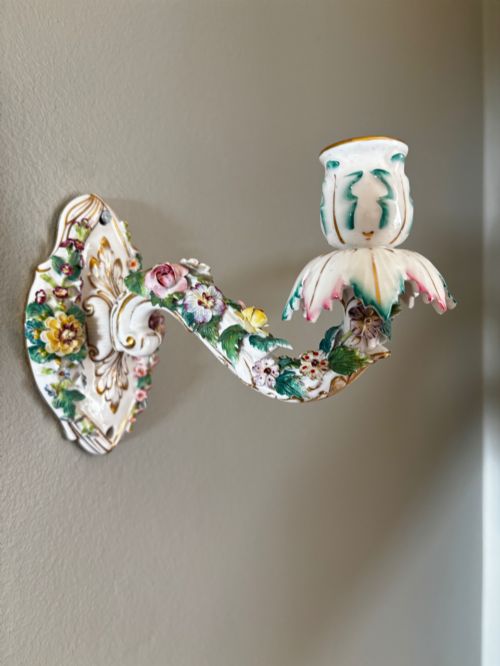
When you search for antique porcelain candle sconces, you encounter wall-mounted lights and adapted figural candlesticks that integrate ceramic figures or floral bocages with metal backplates. These pieces range from eighteenth-century Georgian productions to nineteenth-century continental works, capturing Rococo Revival and Neoclassical tastes.
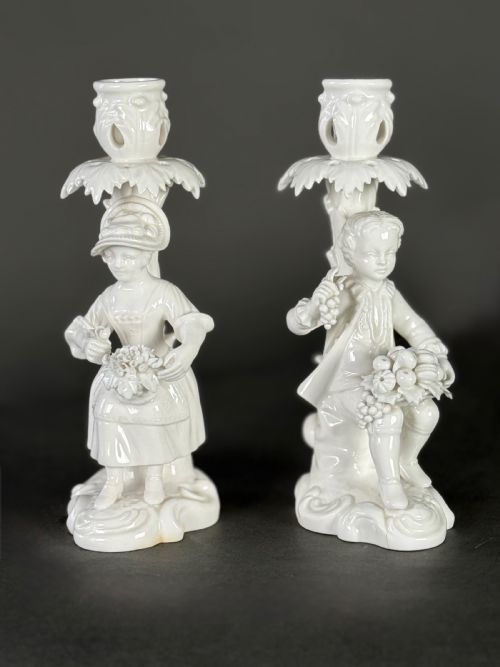
The most common examples on this page are matched pairs of figural candlesticks and dedicated wall lights, often featuring German and English porcelain factories like Derby, Sitzendorf, and Royal Worcester. They combine glazed ceramics with ormolu, gilt bronze, and enamel to hold candles securely against a wall.
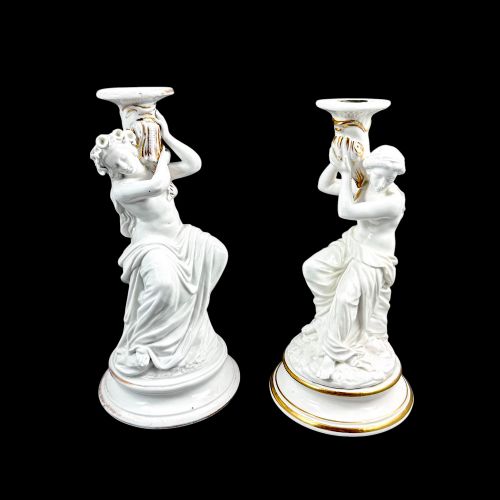
Many items incorporate detailed foliage, musicians, dancers, or caryatid shafts, reflecting the decorative ambitions of the Victorian period and earlier Georgian eras. Buyers find both single sconces and balanced pairs designed for flanking mirrors or mantelpieces.
How they were made
Maker's workshops utilised hard-paste porcelain and soft-paste ceramic bodies, moulding figures and floral elements by hand before firing them at high temperatures. Artisans then applied enamels and gold leaf by hand, often adding intricate bocage foliage around the central figures.
Metalworkers combined these ceramic components with cast ormolu, gilt bronze, and brass mounts, securing the porcelain shafts and drip pans into rigid wall lights and candelabra frames. Gilding and burnishing completed the metal surfaces to reflect the candle flame.
Object types include wall lights, single candlesticks, matched pairs, and multi-branched candelabra with figural shafts.
What varies in quality
The standard of modelling in the porcelain figures defines the upper tier of these pieces, where facial expressions, hand positions, and the delicacy of applied floral bocage show exceptional sculptural precision. Lesser examples display thicker, simpler casting with less distinct hand-painted detailing on the garments and faces.
The integration between the ceramic body and the metal mount also distinguishes finer pieces, as top-tier items use chased ormolu or gilt bronze that complements the curves of the porcelain rather than standard brass fittings. The depth of the enamel colours and the preservation of the gold leaf across the ceramic and metal surfaces further separate the output of renowned factories from lesser workshops.
Meissen·Derby·Royal Worcester·Sitzendorf·Minton·Von Schierholz
The Antique Porcelain Candle Sconces Glossary
- Bocage
- A decorative background of applied porcelain leaves and flowers that surrounds figures in eighteenth and nineteenth-century ceramic groups. It cushions the fragile arms and provides a naturalistic arbour effect.
- Ormolu
- Gilded bronze or brass mounts used extensively in French and English decorative arts to frame porcelain and hold candle nozzles. The technique involves applying a mercury and gold amalgam to the bronze base before heating.
- Hard-Paste Porcelain
- A dense, vitrified ceramic material composed of kaolin and petuntse, fired at very high temperatures. It resists scratching and accepts bright enamel colours securely.
- Caryatid
- A sculpted female figure serving as an architectural support or pillar, appearing on the shafts of certain nineteenth-century candlesticks. This classical motif borrows from ancient Greek building design.
- Blanc de Chine
- A white porcelain produced in China and later emulated by European factories, lacking colourful enamel decoration to showcase pure ceramic form. Collectors prize its smooth, milky glaze.
Antique Porcelain Candle Sconces: Frequently Asked Questions
Can I burn real candles?
These sconces were originally designed for wax or tallow candles, but modern usage often requires caution to protect delicate hand-painted enamels and gold leaf from soot and heat damage. Dripping wax can also adhere to porous ceramic surfaces.
Many collectors prefer LED alternatives or unlit display to preserve the fragile porcelain and applied floral bocage in its original condition.
How do I clean porcelain sconces?
Dust the ceramic surfaces and metal mounts gently with a soft, dry brush to remove accumulated particles without abrading the enamel or gilding. Avoid soaking the pieces in water, as moisture can compromise old adhesives and historical repairs.
Professional conservators recommend minimal intervention, using only slightly damp cotton swabs for stubborn grime on glazed areas.
How do I date these pieces?
Examining the factory marks, glaze characteristics, and the style of the metal mounts provides reliable clues to the period of manufacture. Eighteenth-century figures differ significantly in paste consistency and modelling style from nineteenth-century Revival pieces.
Comparing the mounting techniques, such as the type of screws or pins holding the ormolu to the ceramic, helps confirm whether components are original to the same era.