
Antique Porcelain Boat
An antique porcelain boat carries the weight of eighteenth-century table service and nineteenth-century dining custom.
Antique Porcelain Boat
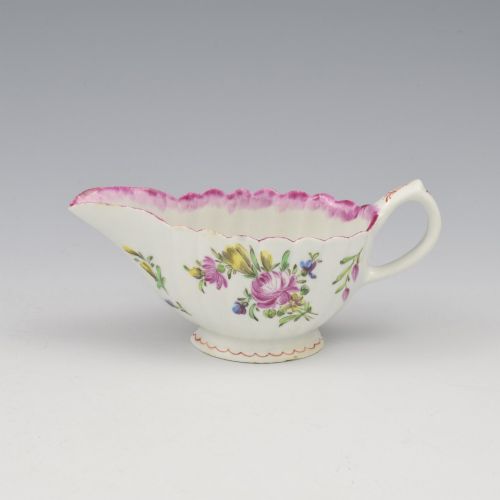
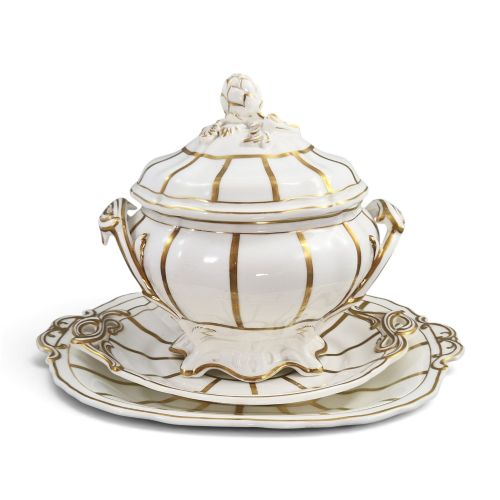
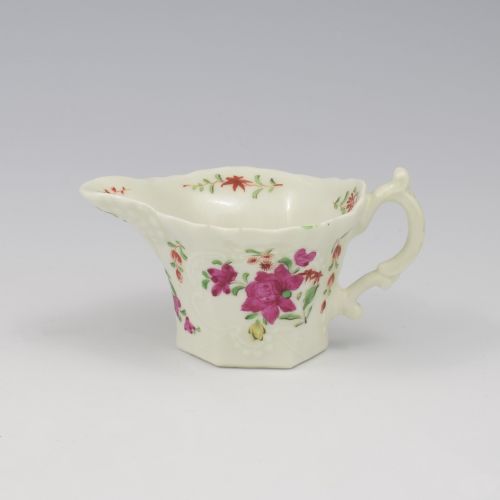
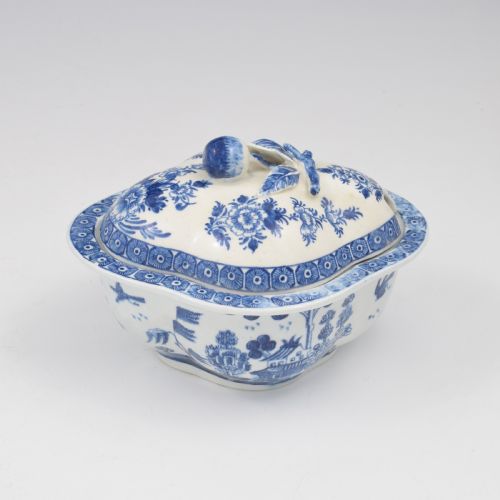
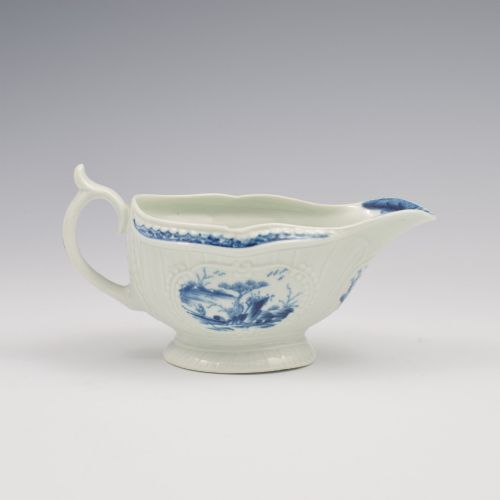
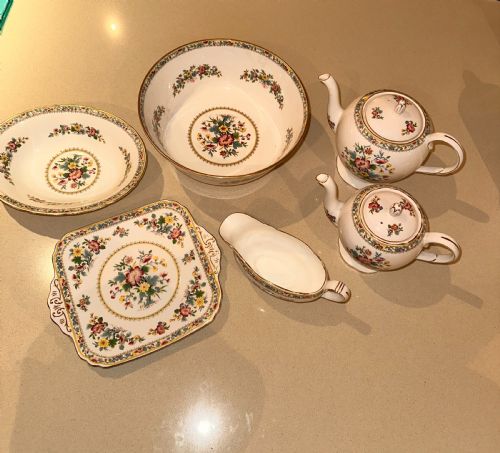
When searching for an antique porcelain boat, collectors examine sauce boats, sauce tureens, cream jugs, and vessel forms shaped for the dining table. These pieces emerge primarily from eighteenth-century English factories alongside nineteenth-century iterations.
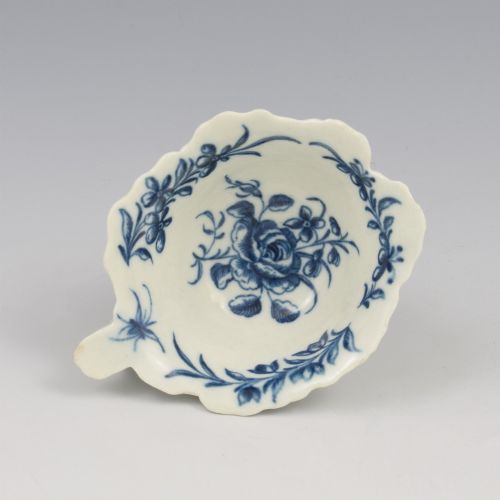
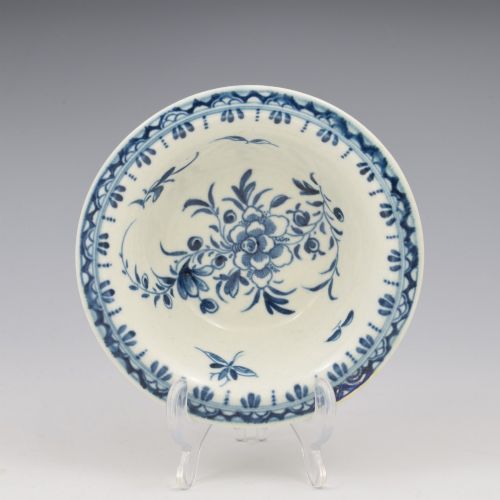
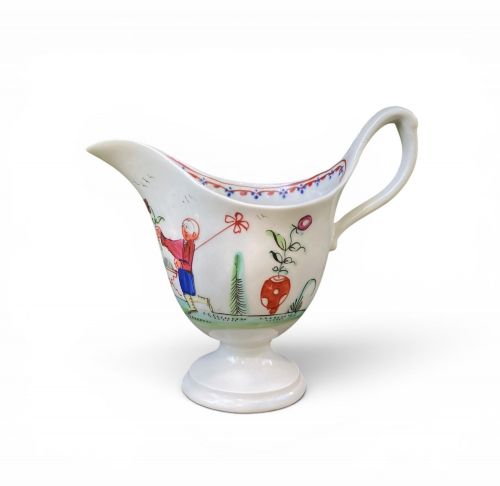
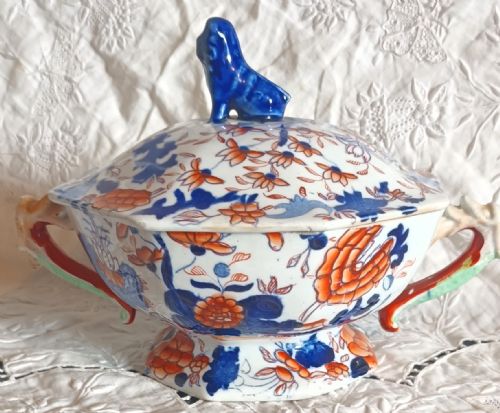
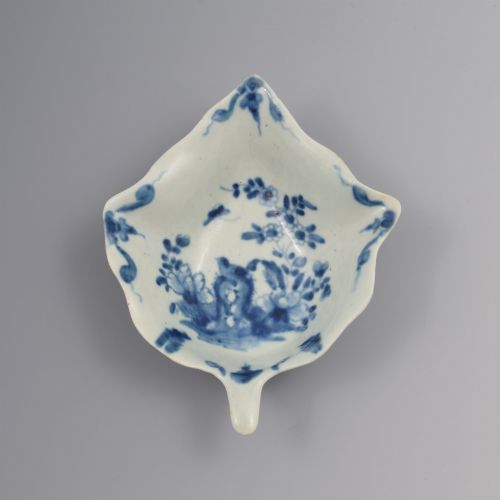
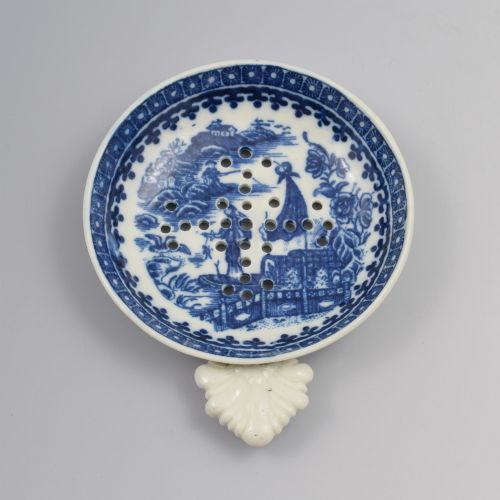
The most common forms on this page include sauce boats and cream tureens decorated with blue and white transfer printing or hand-painted enamel scenes. Eighteenth-century examples frequently display marine or floral motifs, while nineteenth-century pieces adopt structured geometric borders.
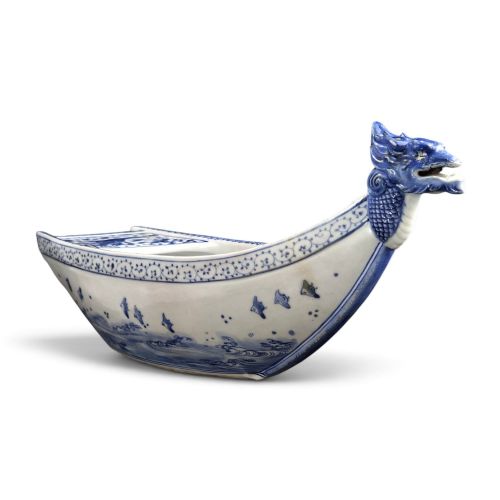
Beyond practical table vessels, the selection encompasses decorative boat-shaped dishes, figurative groups, and Japanese Imari boat vessels. Each object reflects the changing dining habits and decorative tastes of the Georgian, Regency, and Victorian periods.
Materials and manufacture
Potters utilised soft-paste porcelain, bone china, and ironstone, shaping the clay by hand or moulding it in distinct sections before firing. Early pieces relied on soft-paste porcelain bodies that absorbed glaze differently than later hard-paste formulations.
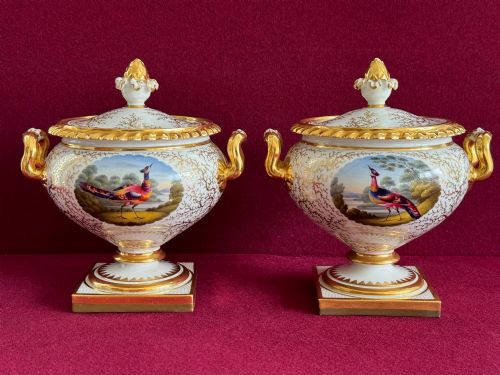
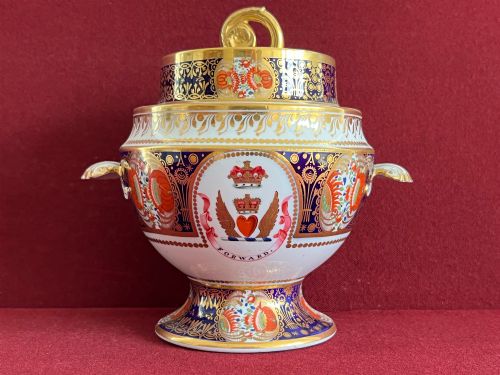
Decoration involved cobalt blue underglaze painting, polychrome enamel application, and gold leaf detailing fixed during subsequent kiln firings. Artisans painted intricate patterns such as Chinese figures and floral sprays directly onto the raw or fired glaze.
Certain eighteenth-century sauce boats take the form of swimming fish, complete with fin handles and gaping mouths.
Variations in quality
Quality rests upon the crispness of the moulded form and the precision of the hand-painted or transfer-printed decoration. Superior pieces maintain sharp relief on moulded details like fluting and gadrooning without blurring the underlying paste.
The sophistication of the palette and the stability of the glaze define the upper tier of production. Early works show careful attention to brushwork and cobalt saturation, distinguishing them from standard factory output.
Dr Wall Worcester·Flight Barr And Barr·Royal Worcester·Caughley Porcelain·Bow Porcelain
The Antique Porcelain Boat Glossary
- Soft-paste porcelain
- A ceramic composition containing clay, glass frit, and white sand, fired at lower temperatures than hard-paste porcelain. This material creates a warm, creamy body common in eighteenth-century English factories.
- Sauce boat
- A small vessel with a spout and handle designed for holding gravies and sauces at the dining table. Eighteenth-century versions often feature handled or handled-and-spouted configurations modelled after metal prototypes.
- Underglaze blue
- A decorative technique where cobalt oxide pigment is applied to the unglazed ceramic body before a transparent glaze is added. The piece is then fired at a high temperature, sealing the blue design permanently beneath the glass surface.
- Ironstone
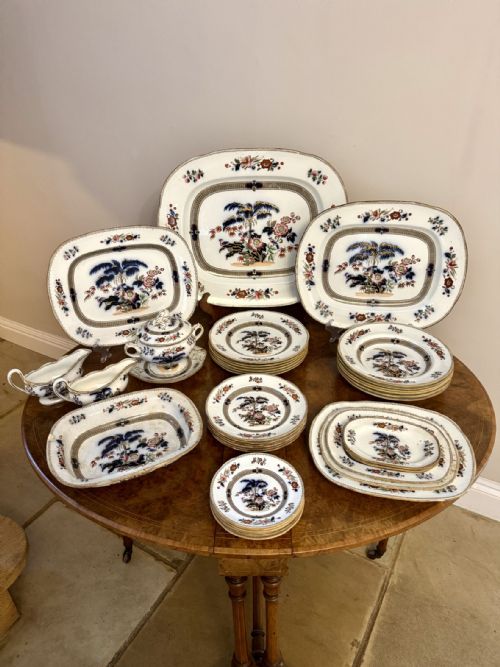
- A heavy, durable type of earthenware patented in the nineteenth century to imitate porcelain. It resists chipping and provided sturdy vessels for large Victorian dinner services.
- Imari
- A style of Japanese export ceramic featuring a distinctive palette of underglaze blue, iron red, and gold. European factories frequently copied these vibrant patterns during the eighteenth and nineteenth centuries.
Antique Porcelain Boat: Frequently Asked Questions
What were antique porcelain boats used for?
These vessels served sauce, cream, and gravy at formal dining tables throughout the Georgian and Victorian eras. Diners used the spouts and handles to pour contents neatly onto plates during multi-course meals.
Beyond dining rooms, smaller boat-shaped dishes held pickles, butter, or sweetmeats. Their presence marked the refinement of elite table settings.
How do I date an eighteenth-century porcelain boat?
Dating relies upon identifying the factory mark, paste composition, and painting style characteristic of periods like the eighteenth century. Soft-paste porcelain and underglaze blue Chinese motifs typically point to early production.
Shape and handle design also indicate age, as makers shifted from organic leaf and dolphin forms to structured neoclassical curves during the Regency transition.
How should I display a porcelain boat?
These pieces fit securely within glass-fronted cabinets or on dedicated shelving where their profiles remain visible. Adequate lighting highlights the painted enamel details and glazed interiors.
Avoid placing vessels in direct sunlight to protect enamel pigments over time. Flat surfaces near dining areas provide stable placement for standalone display.
How do I care for antique porcelain?
Wash porcelain pieces by hand using lukewarm water and mild soap when cleaning becomes necessary. Avoid soaking items with historic glazes or fragile gold leaf decoration.
Store vessels away from high-traffic zones to prevent accidental impacts. Handle them firmly by the body rather than relying solely on handles or spouts.