


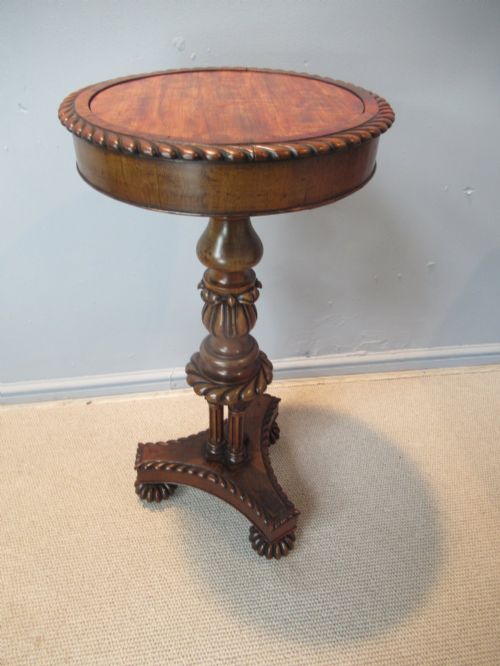


Antique Planter Column
An antique planter column holds greenery aloft, combining architectural presence with domestic display.
Antique Planter Column
When you search for an antique planter column, you encounter a variety of architectural supports, jardinieres and pedestals designed to elevate greenery within interior and garden spaces. The selection ranges from timber plant stands and torchieres to heavy cast iron columns and ceramic majolica pedestals.
Most pieces date from the nineteenth century through the Edwardian era, reflecting Victorian, Gothic Revival and Neoclassical styles. You will frequently find timber varieties in mahogany and oak alongside ceramic earthenware and cast iron garden plinths.
Materials and construction
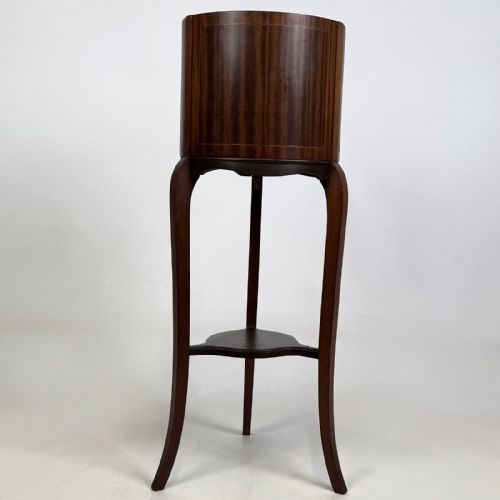
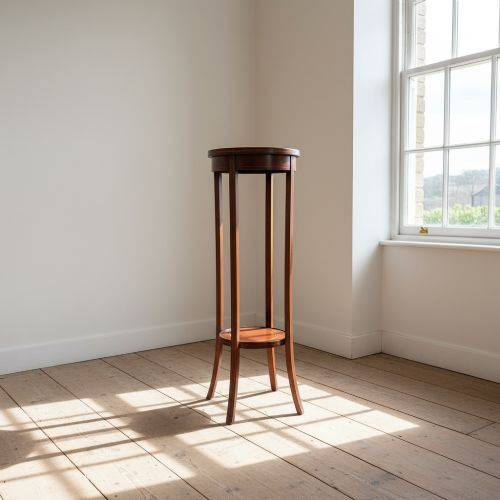
Cabinetmakers utilised hardwoods such as mahogany, walnut and oak, often incorporating boxwood inlay, intricate carving or barley twist turning to shape plant stands and torchieres. Joinery and turning define the timber forms, ranging from simple torchere shafts to inlaid planter tables.
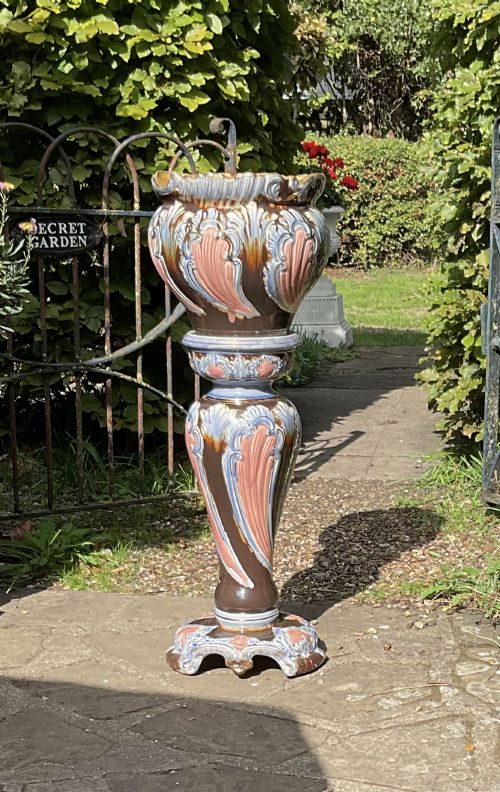
Ceramic pieces rely on earthenware and stoneware bodies finished with majolica glaze, while outdoor columns employ cast iron and composite stone. These materials required moulding and firing or metal casting to achieve durable load-bearing columns and decorative plinths.
Listings feature materials spanning mahogany, oak, cast iron, earthenware, and alabaster across the nineteenth and early twentieth centuries.
Assessing quality and execution
Quality rests in the crispness of the carving, the precision of boxwood inlay and the richness of the majolica glaze. Finer examples show careful attention to structural stability and proportion, supporting heavy jardinieres without listing.
Material selection marks the division between standard utility items and finer decorative pieces. Heavy cast iron, statuary marble and exotic timbers like ebony command attention through their substantial weight and refined surface finish.
Burmantofts
The Antique Planter Column Glossary
- Jardiniere
- A decorative container for holding plants or flowers, often paired with a matching pedestal or column stand. These vessels sit atop the column to display flora.
- Pedestal
- An architectural support or base that elevates a statue, urn, or planter. It provides vertical emphasis and structural stability.
- Torchere
- A tall ornamental stand or candlestick, frequently adapted to function as an elevated plant stand. Its slender shaft supports a single display surface.
- Majolica
- A type of earthenware coated with an opaque tin glaze and painted with bright colours. It appears frequently on nineteenth-century jardiniere stands.
- Plinth
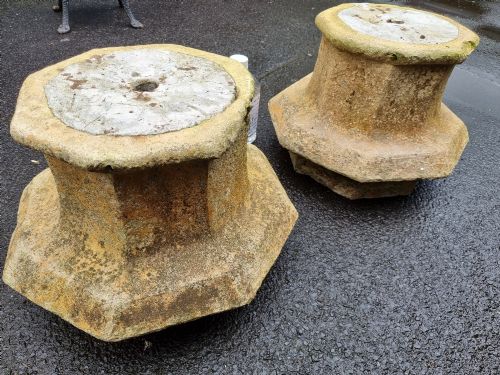
- A heavy rectangular or square base supporting a column, statue, or garden planter. Stoneware and composite stone versions anchor garden displays.
Antique Planter Column: Frequently Asked Questions
How do I choose the right height?
Consider the surrounding furniture and the height of the plant you intend to display. Taller torchere stands suit corners, while shorter pedestals work beside seating.
Ensure the top platform matches the base diameter of your specific jardiniere or pot to guarantee stability.
Can these columns go outside?
Cast iron, stoneware and composite stone pieces function outdoors as garden plinths and column planters. They withstand weather conditions far better than interior timber.
Keep wooden and ceramic majolica stands indoors, as moisture and frost damage polished veneers and glazed earthenware.
How do I clean wooden stands?
Dust timber surfaces regularly with a soft, dry cloth to protect the polish and inlay work. Avoid excess water and harsh chemical cleaners.
Apply a traditional beeswax polish occasionally to nourish mahogany and oak surfaces, buffing gently to maintain a soft sheen.
Are these stands structurally stable?
Most columns are designed to bear significant weight, particularly cast iron and hardwood versions. Check the joinery and base width to ensure safe balance.
Heavier jardinieres require solid stone, iron, or robust timber pedestals to prevent tipping during everyday use.