


Antique Plant Stand Planter
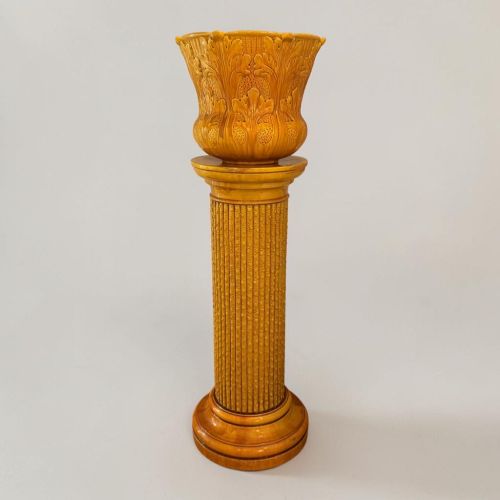
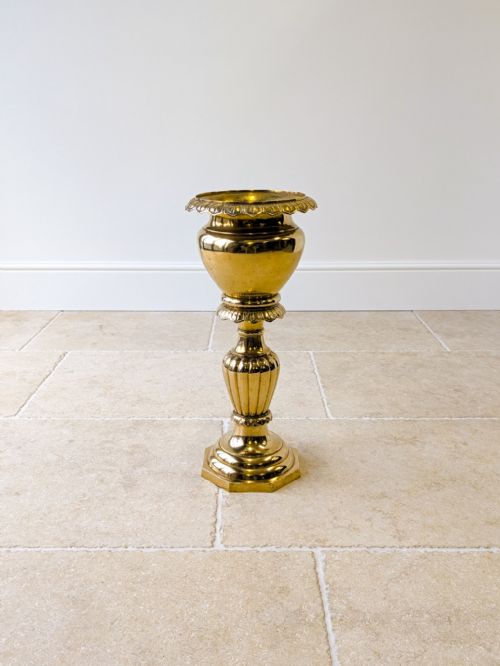
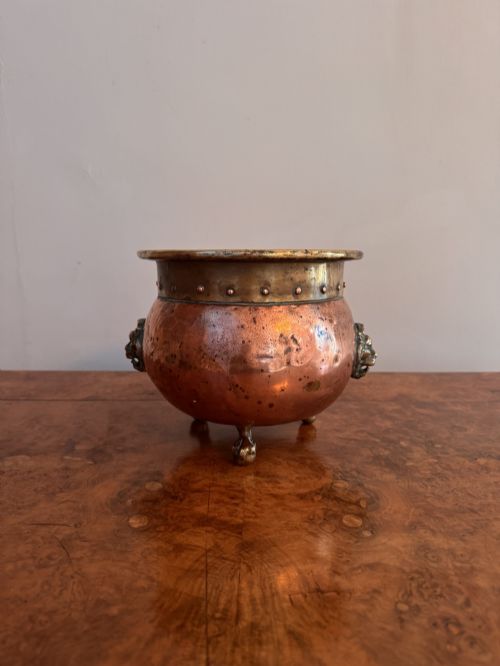
An antique plant stand planter brings greenery indoors on pedestals of mahogany, walnut, brass and iron.
Antique Plant Stand Planter
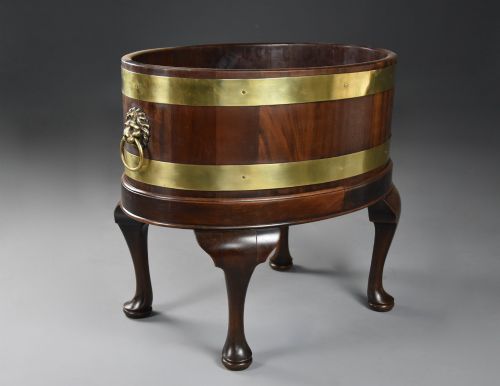
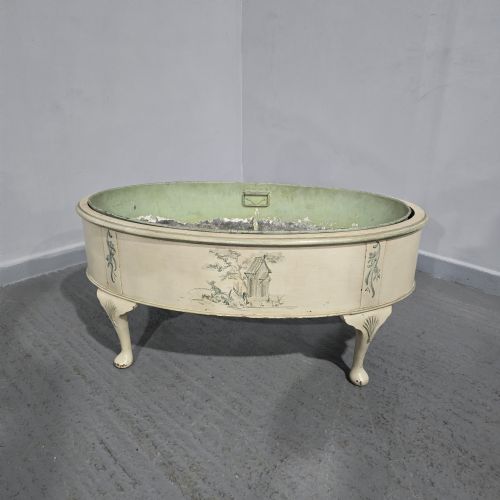
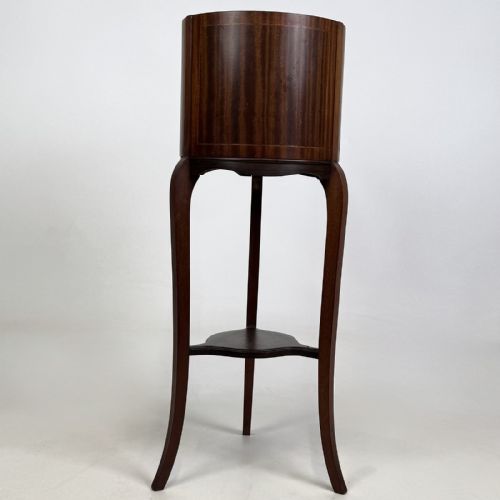
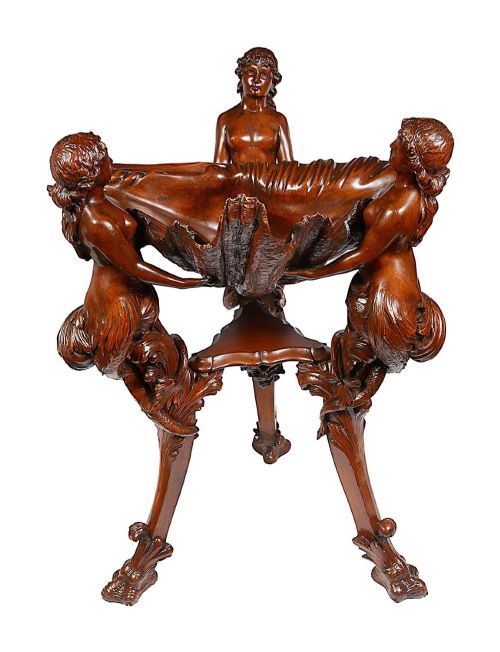
When you search for an antique plant stand planter, you encounter tall pedestals, low tables, and fitted jardinieres designed to hold indoor flora. The pieces on this page span the Victorian and Edwardian eras, alongside French Napoleon III designs and Georgian wine coolers adapted for horticulture.
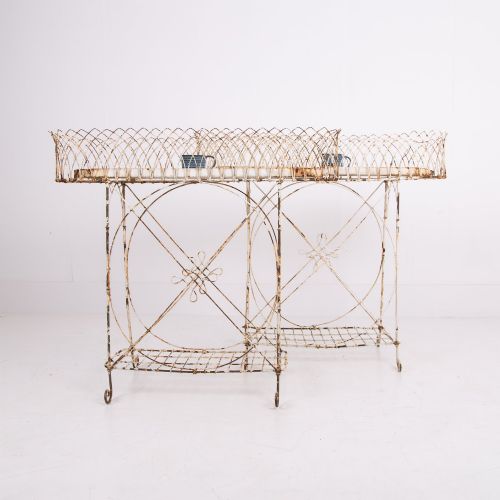
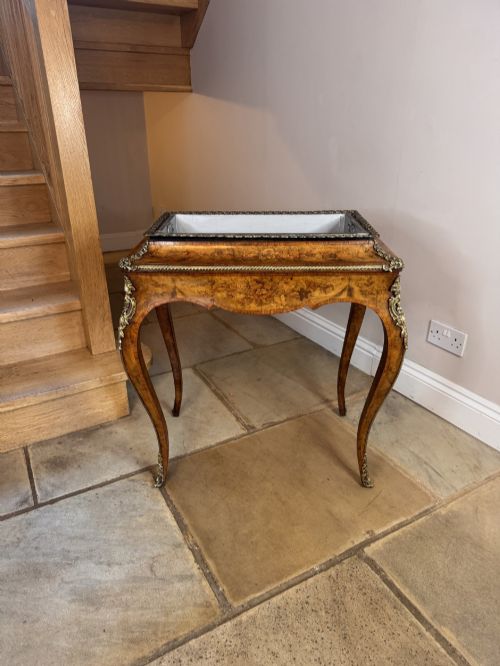
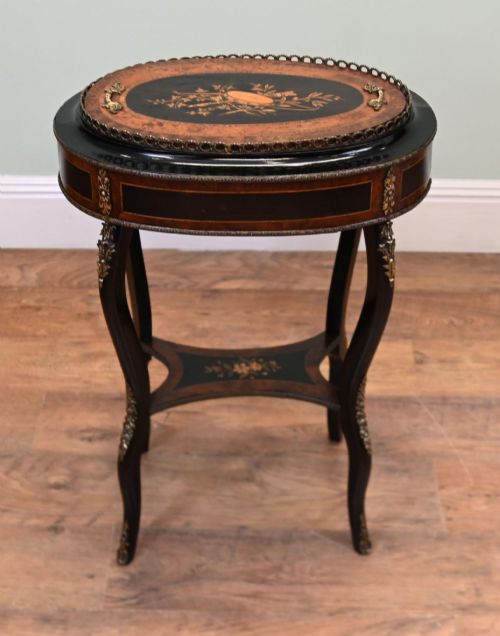
You meet cylindrical jardiniere tables in burr walnut and mahogany, alongside cast and wrought iron garden stands meant for terraces or sunrooms. Many examples originate from French workshops, incorporating lift-off lids or removable metal liners to protect the surrounding timber.
British and continental makers produced these stands in various heights to suit potted ferns and palms. The forms range from simple three-tier iron racks to elaborate inlaid side tables fitted with porcelain plaques.
Materials and Construction
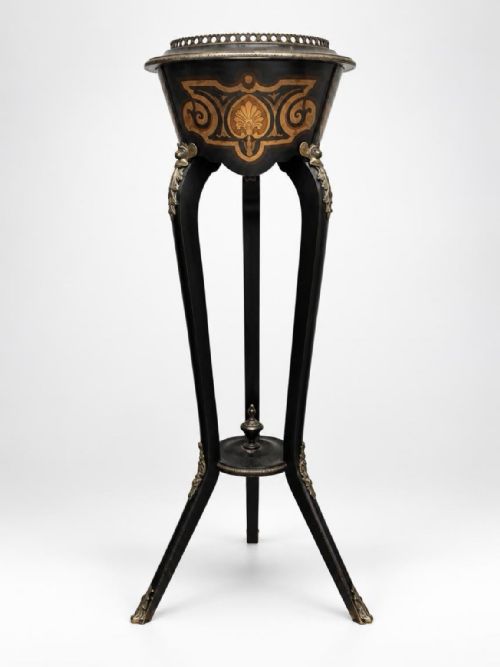
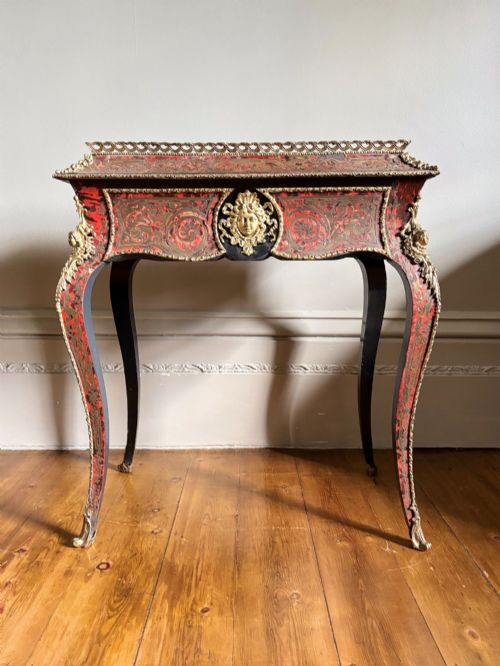
Cabinetmakers utilised hardwoods like mahogany, walnut, kingwood and satinwood, often applying intricate inlay, amboyna banding, or Boulle marquetry. Metal versions employ cast brass, ormolu mounts, and heavy wrought or cast iron for structural stability.
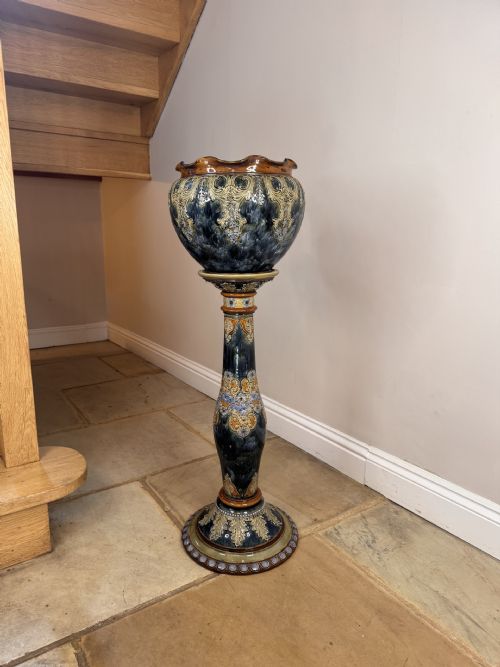
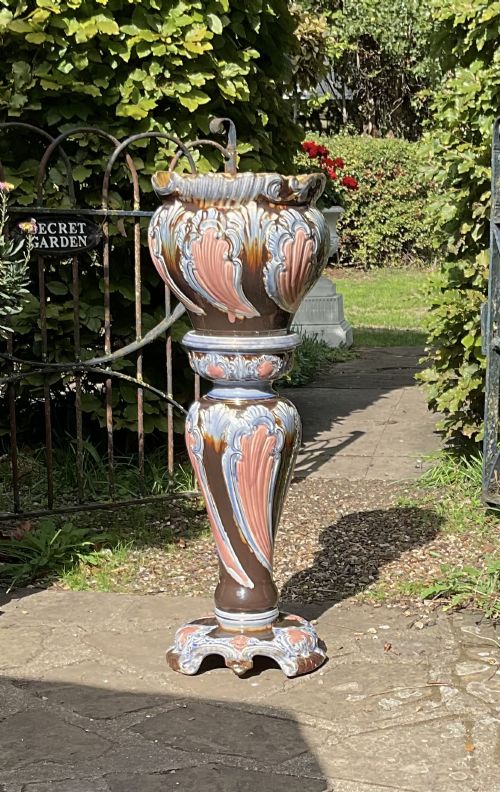
Many French and English jardinieres incorporate hand-painted ceramic plaques or Majolica pottery bowls inset into the wooden framework. Protective metal liners were soldered to fit inside the wooden wells to contain water and soil.
Antique Plant Stand Planter Retail Price Guide 2026
Typical asking prices for plant stand planter among the pieces listed under this phrase on Sellingantiques today, from the lower quarter to the upper quarter. They describe what is for sale here now, not the wider market.
Some nineteenth-century wine coolers found a second career holding potted ferns before anyone thought to chill champagne in them again.
Craftsmanship and Detail
The distinction between ordinary and superior stands lies in the crispness of the cabinetwork and the weight of the metal mounts. Finer pieces display hand-chased ormolu, precise marquetry, and high-fired porcelain inserts rather than simple moulded decoration.
The retention of original liners, paint finishes, and hardware dictates the integrity of the piece. Stands that retain their matching porcelain plaques and original castors command greater interest from collectors.
The Antique Plant Stand Planter Glossary
- Jardiniere
- A decorative pot or stand designed to hold a plant or flower arrangement. They appear in ceramic, metal, and wood.
- Ormolu
- Gilded bronze mounts applied to furniture and plant stands, particularly popular during the nineteenth century in French design.
- Boulle
- A form of marquetry using brass and tortoiseshell inlaid into dark woods such as ebonised timber.
- Majolica
- A type of colourful glazed earthenware often used for jardiniere bowls and pedestals during the Victorian period.
- Wine Cooler
- A deep wooden vessel, often brass-bound and dating from the Georgian era, frequently repurposed to hold large potted plants.
Antique Plant Stand Planter: Frequently Asked Questions
How were antique plant stands used?
These pieces held potted ferns, palms and flowering plants in nineteenth-century drawing rooms and conservatories. They elevated greenery to eye level and protected carpets through fitted metal liners.
Larger pedestals served as focal points in hallways, while smaller tables sat beside windows or sofas to bring nature indoors.
Are these planters waterproof?
Most antique plant stands rely on removable metal liners placed inside the wooden or ceramic bowl to catch drainage water. Over time, original liners may develop leaks, so protective saucers are often placed inside for modern watering.
Solid metal or ceramic jardinieres hold water directly, but wooden stands require their liners to prevent moisture damage to the surrounding timber.
How do I identify a French jardiniere?
French pieces from the nineteenth century typically feature rich veneers like kingwood or burr walnut combined with gilt bronze ormolu mounts. Many incorporate Sevres-style porcelain plaques or Louis XV revival cabriole legs.
English equivalents tend to focus on solid mahogany or satinwood with simpler inlaid stringing and brass details.
Can I use these stands outdoors?
Wrought iron and cast iron stands were built for garden use, patios and verandahs, enduring weather changes over decades. Wooden and veneered pieces are strictly for interior display.
Placing a delicate walnut or mahogany stand in a damp garden will ruin the polish and lift the veneer.