


Antique Pitcher and Bowl
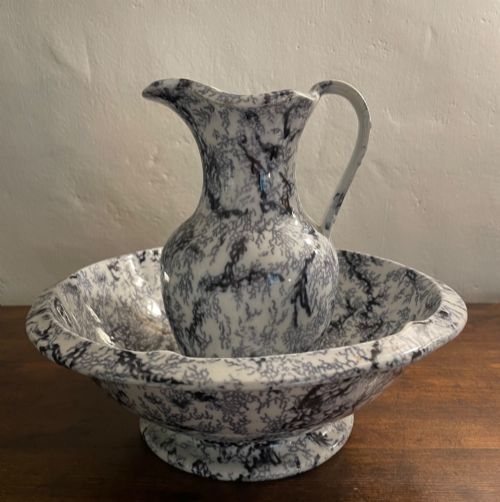
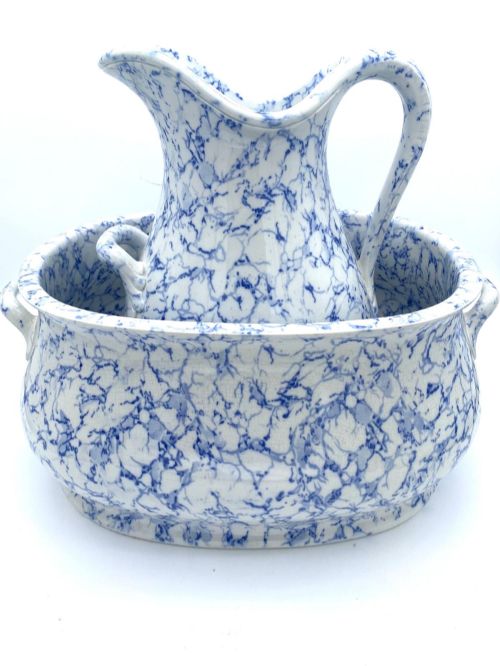
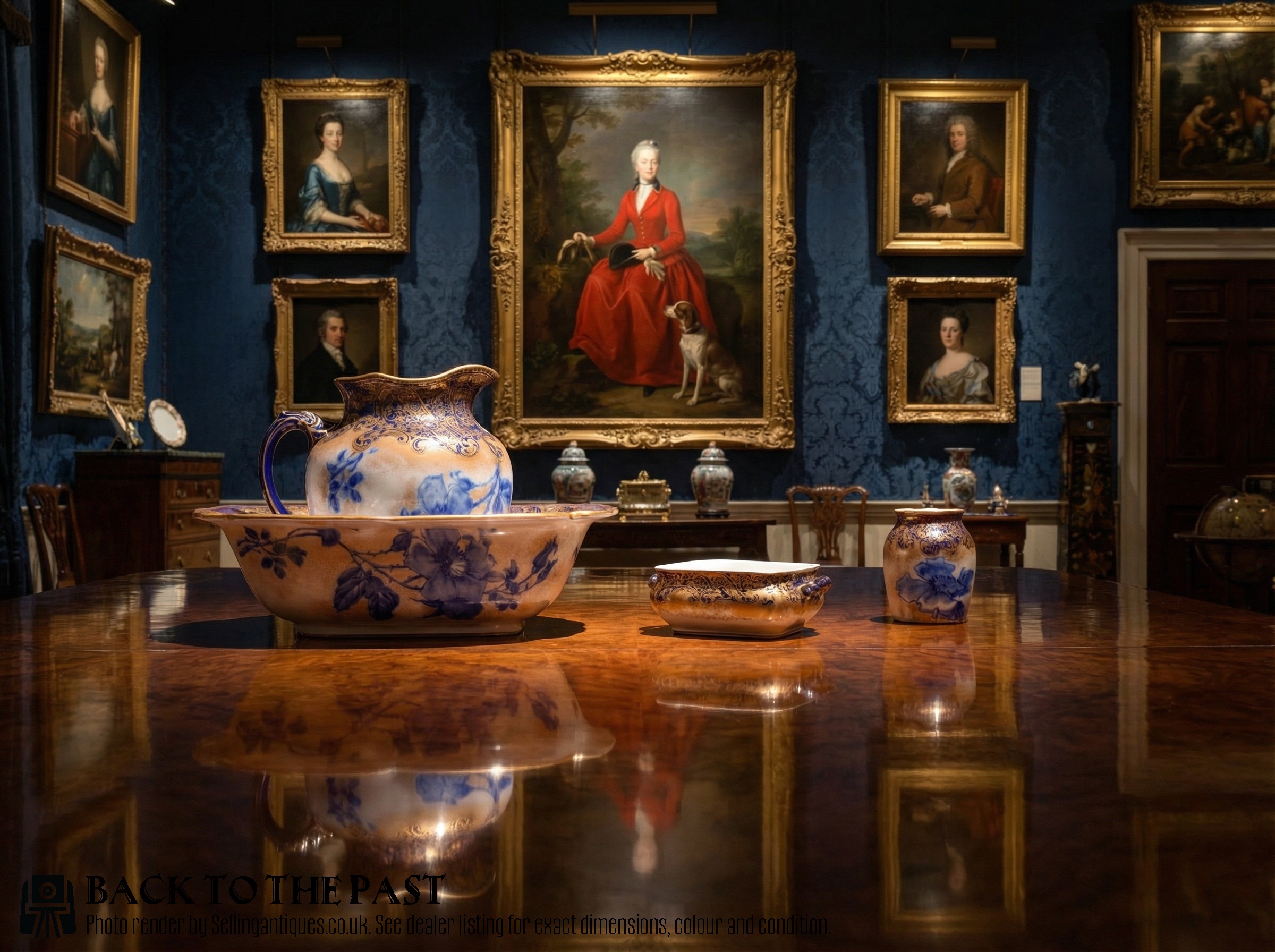
An antique pitcher and bowl serves as a functional washing set or decorative ensemble, bringing period ceramic craftsmanship into the modern home.
How these sets were made
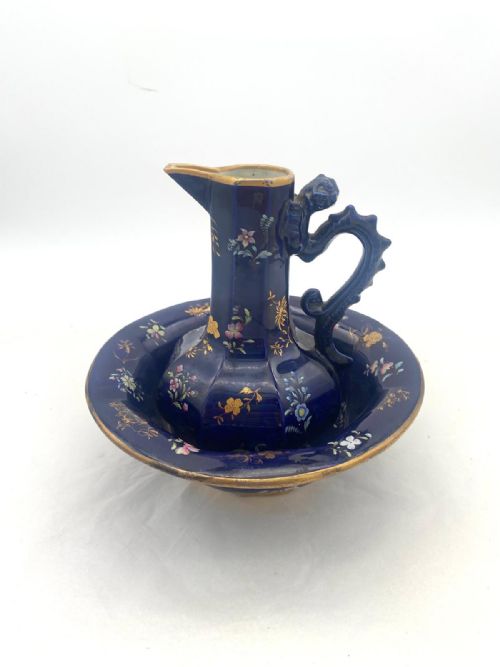
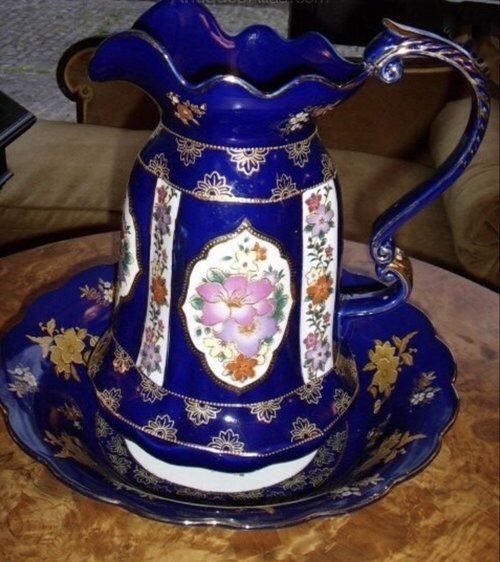
Potters shaped earthenware, porcelain, and ironstone bodies using traditional moulding and throwing techniques before applying glaze and firing the ceramics in kilns. Many pieces received transfer-printed patterns, such as flow blue, or hand-painted enamels, sometimes accented with gold leaf or gilding.
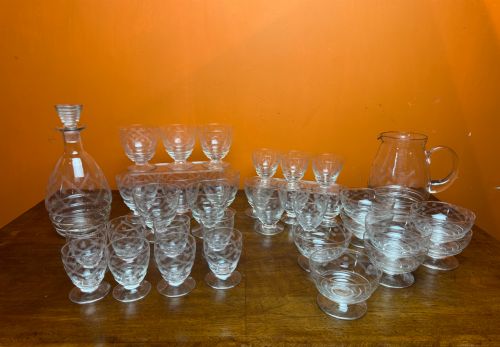
Glass alternatives relied on free-blowing or mould-pressing methods, producing cranberry glass and clear suites with engraved decoration. Metal components, including silver plate and Sheffield plating, involved forming base metals and applying protective or decorative silver layers.
What varies in quality
The standard of a pitcher and bowl set depends on the crispness of the ceramic moulding, the depth and clarity of transfer printing, and the precision of any hand-painted enamel or gilding. Finer sets display balanced proportions and consistent glaze coverage without distracting kiln blemishes.
Maker reputation heavily influences distinction, with established potteries like Doulton, Minton, and Mason's achieving superior definition in their paste and decorative execution compared to uncredited factory output.
Listings feature earthenware, porcelain, and glass materials across Victorian, Edwardian, and Art Deco periods.
Doulton Burslem·Minton·Masons Ironstone·Doulton Lambeth·Royal Worcester·Christofle·Shelley
The Antique Pitcher and Bowl Glossary
- Flow blue
- A cobalt blue transfer printing style originating in the nineteenth century where the colour intentionally blurred slightly into the white glaze during firing. This technique created a soft, hazy aesthetic highly prized by ceramic collectors.
- Ironstone
- A heavy, durable type of earthenware patented in the nineteenth century to imitate Chinese porcelain. It provides a robust body well-suited to large domestic jugs and basins.
- Cranberry glass
- A rich red glass produced by adding gold chloride to the molten batch during manufacturing. It gained widespread popularity during the Victorian period for decorative tableware and glassware suites.
- Sheffield plate
- An early form of composite metal made by fusing a thin sheet of silver to a thicker copper base. It predates modern electroplating methods and appears on antique serving and tea wares.
- Chinoiserie
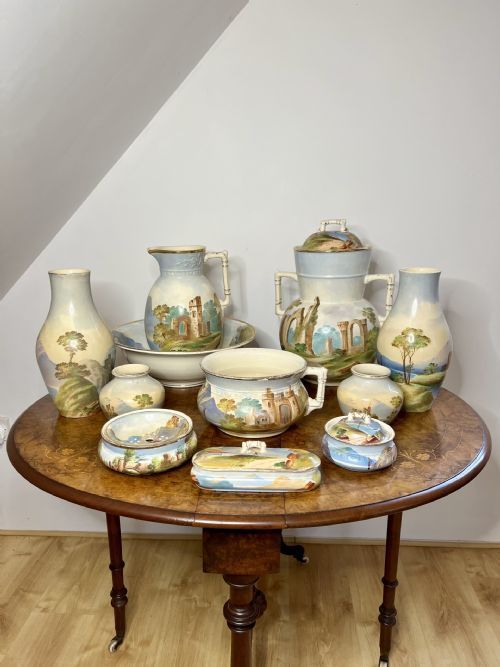
- A decorative style reflecting European interpretations of Chinese and East Asian artistic traditions. It frequently appears on nineteenth-century ceramics featuring pastoral or architectural motifs.
Antique Pitcher and Bowl: Frequently Asked Questions
How were pitcher and bowl sets used?
These sets served as the primary washing apparatus in bedrooms before the widespread installation of indoor plumbing and running water. Householders filled the pitcher with water from a larger jug or ewer to wash their face and hands at the washstand.
Smaller variants and tea service jugs functioned separately for beverage pouring or table service rather than personal hygiene. Over time, many complete sets transitioned from functional washroom utilities into decorative display pieces.
How can I tell Victorian sets from Edwardian sets?
Victorian wash sets often feature heavier earthenware bodies, robust handles, and rich colours including deep blues, cranberry glass, and ornate floral transfers. Stylistic influences lean towards revivalist motifs and dense pattern work.
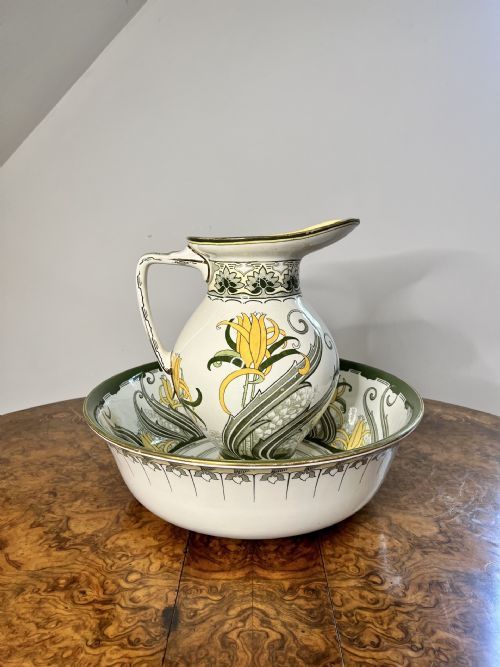
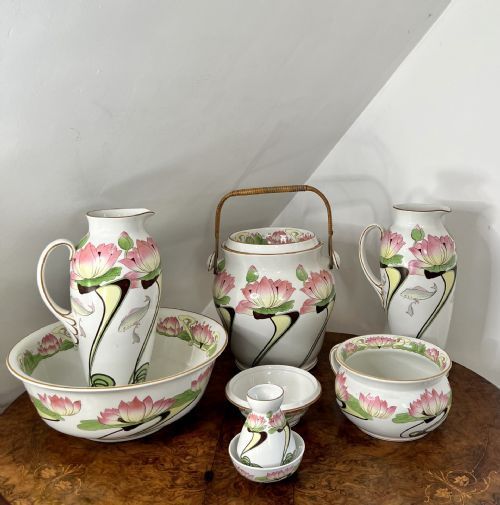
Edwardian sets frequently display lighter ceramic bodies, more restrained floral designs, and cleaner lines influenced by Art Nouveau aesthetics. The overall forms become somewhat more refined as domestic washing habits evolved toward the twentieth century.
Can I use these antique jugs for fresh flowers?
Many antique pitchers remain watertight and function effectively as flower vases for home decoration. Inspect the interior for any hairline cracks or historical repairs that might compromise structural integrity before filling with water.
Place a protective mat underneath the base when displaying liquids inside older earthenware or ceramic vessels. Empty and dry the pitcher regularly to prevent mineral deposits from forming on the interior glaze.