



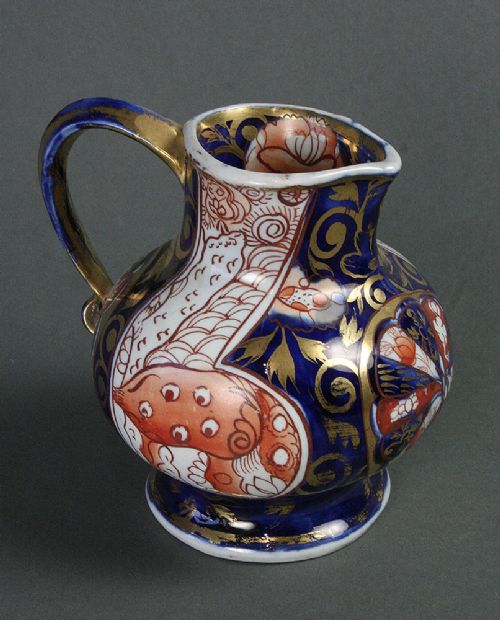

Imari Pattern Ironstone Jug
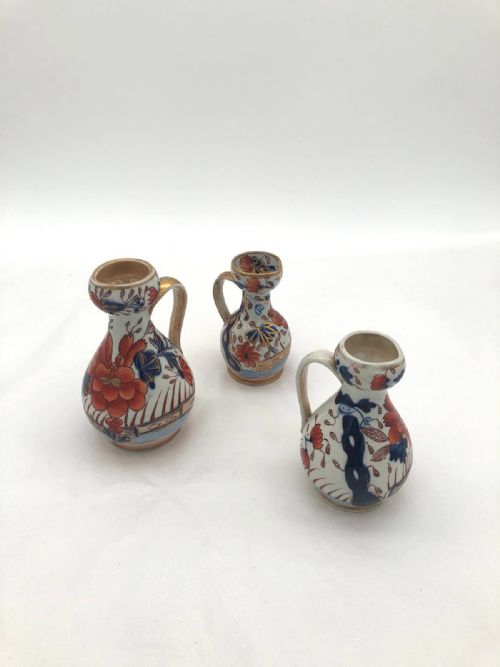
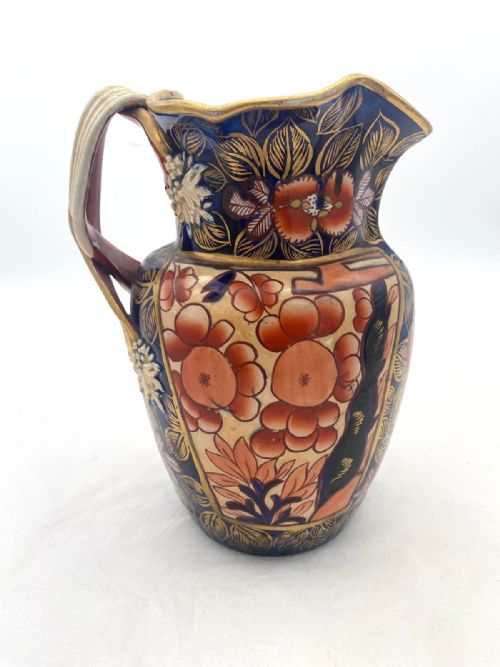
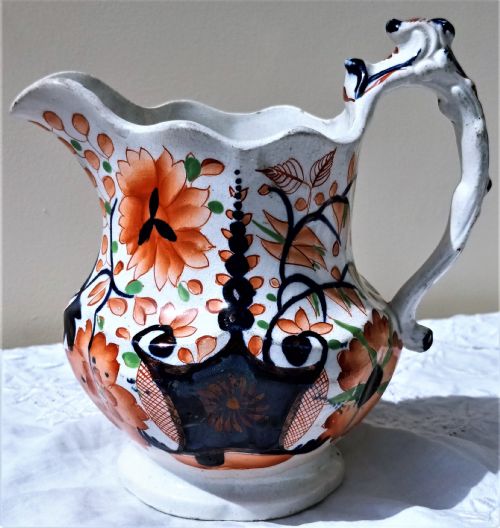
These imari pattern ironstone jugs combine robust nineteenth century ceramics with vibrant palette work, offering substantial display presence for traditional interiors.
Imari Pattern Ironstone Jug
When you search for an imari pattern ironstone jug, you are looking at nineteenth century ceramic pouring vessels decorated in the distinctive Japanese inspired palette. These pieces span Georgian, Regency and Victorian eras, taking forms from simple domestic pitchers to ornate display items.
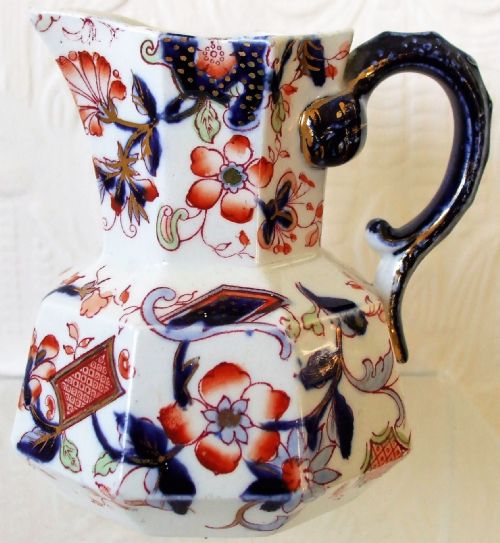
The most frequent examples on this page date from the nineteenth century and often feature traditional shapes like the hydra or octagonal body. Makers such as Mason and Davenport dominate these listings, applying ironstone bodies to withstand daily use while carrying rich hand painted designs.
Many of these vessels form part of larger services, appearing alongside wash sets or tea wares, while others stand alone as decorative jugs. The decorative motifs draw directly from Japanese Imari export wares, mixing deep cobalt blues with rust reds and gilding.
Materials and construction
Makers formed these vessels from heavy ironstone and earthenware, producing a dense body designed for durability. This tough ceramic base was then glazed to create a smooth surface ready to receive hand painted decoration.
Artisans applied enamel colours in cobalt blue and rust red, frequently accented with gold leaf or gilt highlights. Firing fixed these enamels to the glaze, creating the rich polychrome finish characteristic of the style.
Listings feature ironstone, ceramic, earthenware, and porcelain alongside enamel, gold leaf, and gilt highlights across the nineteenth century.
Judgments of quality
Quality in these vessels rests on the crispness of the moulded form and the precision of the hand painted enamel work. Pieces with sharp relief moulding on handles and spouts show superior craftsmanship compared to softer, worn moulds.
The richness of the gilding and the complexity of patterns like Fence and Doves or Schoolhouse also separate standard production from finer work. Complete sets and graduated groups demonstrate a higher level of original commissioning.
Mason's Ironstone China·Davenport·Keeling & Co
The Imari Pattern Ironstone Jug Glossary
- Ironstone
- A dense, heavy ceramic perfected in the nineteenth century as a durable alternative to porcelain. It takes glazes and enamels exceptionally well.
- Imari pattern
- A decorative scheme inspired by Japanese export porcelain, utilising underglaze blue, iron red, and gilt highlights. It remains a staple of nineteenth century ceramic design.
- Hydra jug
- A specific vessel shape featuring a serpent handled design derived from classical antiquity. Mason and other makers popularised this form in ironstone.
- Gilt
- A thin layer of gold applied to the ceramic surface for highlights and borders. Its preservation often indicates how carefully a piece was handled.
- Earthenware
- A porous ceramic body fired at lower temperatures than ironstone. It forms the base for several regional pottery traditions seen in these listings.
Imari Pattern Ironstone Jug: Frequently Asked Questions
What is an imari pattern ironstone jug?
It is a nineteenth century ceramic pouring vessel made from durable ironstone and decorated in the Japanese inspired Imari palette of blue, red, and gold.
These jugs range from domestic pitchers to decorative display pieces created by prominent English potteries.
How were these jugs used originally?
They served functional roles in pouring liquids during tea services or as part of larger wash set basins in nineteenth century homes.
Over time, many of these robust vessels transitioned into decorative display items due to their striking colours and sculptural forms.
How do I care for an antique ironstone jug?
Wash the vessel gently by hand using mild soap and warm water to protect the delicate enamel and gilt highlights.
Avoid harsh scrubbing or automatic dishwashers, as these can wear away the hand painted decoration over time.
How can I tell the period of a jug?
Examine the ceramic body, the style of the handle, and any maker marks stamped or printed on the base.
Nineteenth century pieces often feature specific moulded shapes like the hydra handle or octagonal bodies associated with known potteries.