


Victorian Jug and Basin
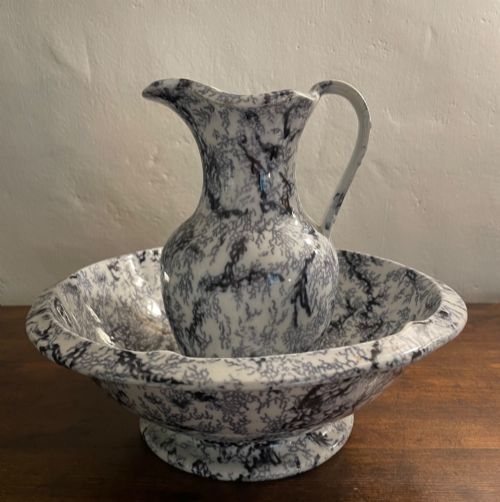
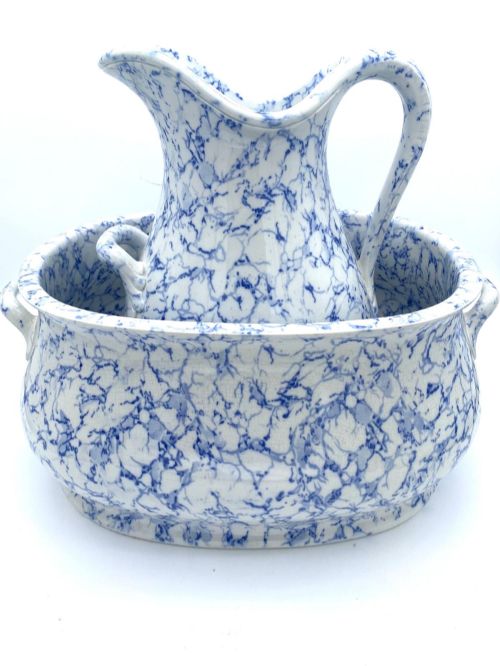
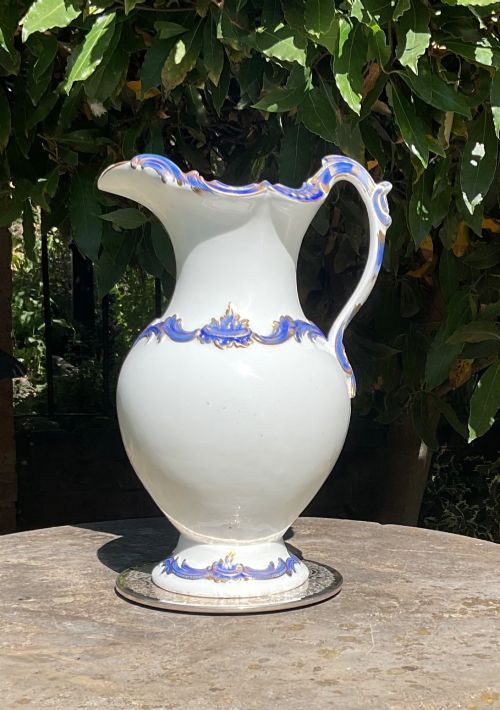
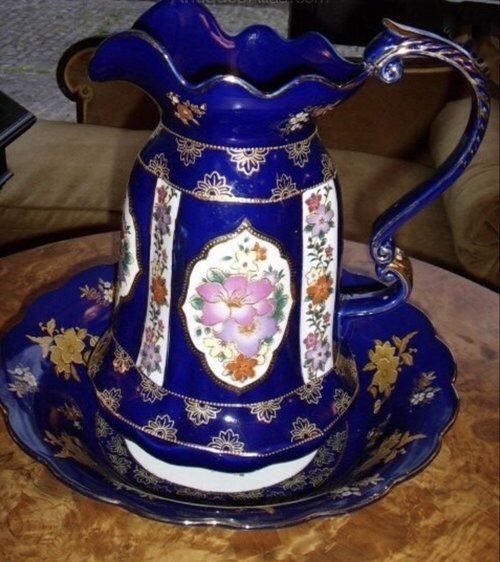
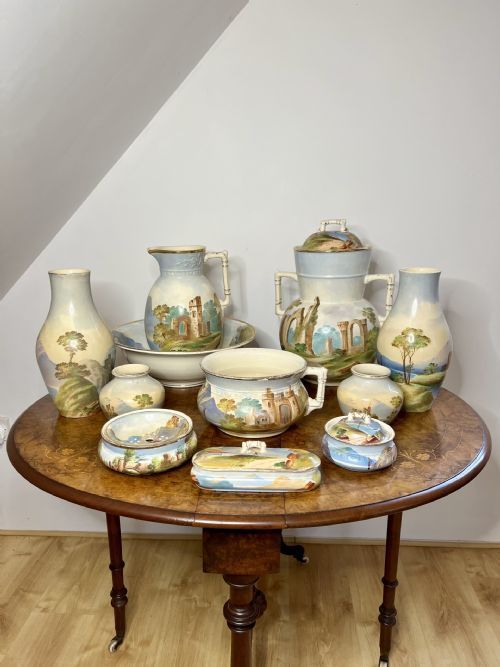
These victorian jug and basin sets are functional ceramic toilet pieces that bring period charm to a guest bedroom or bathroom.
Victorian Jug and Basin
A victorian jug and basin set typically comprises a large ceramic pitcher paired with a matching deep bowl, designed for daily washing before indoor plumbing became universal in bedrooms. Buyers frequently encounter full washstand sets from the nineteenth century alongside smaller decorative variations and related bathroom items.
The evidence shows these sets span earthenware, porcelain, ironstone and stoneware, taking forms such as wash sets, washstand sets and larger basin combinations. Makers produced these pieces extensively through the Victorian and Edwardian eras, incorporating styles from standard Victorian patterns to Art Nouveau and Chinoiserie.
Surviving examples range from substantial earthenware wash sets used daily in period homes to miniature sets and specialised glass or stoneware variations. Collectors acquire them to display on wooden washstands or use as decorative planters and umbrella stands in traditional hallways.
Materials and Techniques
Potters shaped earthenware, ironstone and porcelain on wheels or in moulds before firing the clay to create the rigid body required to hold heavy volumes of water. Ironstone provided a robust, dense body well suited to daily utility, whereas fine porcelain allowed for thinner walls and delicate forms.
Craftspeople applied colourful glazes, enamel pigments, cobalt blue transfers and occasional gold leaf or gilt highlights directly onto the ceramic surface before a final glaze firing. Stoneware pieces utilised salt glazing techniques to achieve durable, impervious finishes with distinctive textured surfaces.
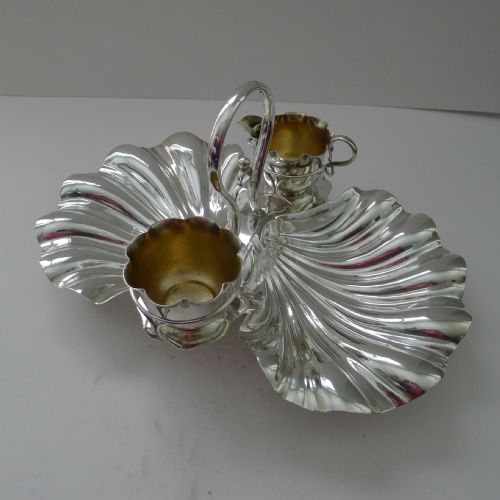
Materials recorded on this page range from standard earthenware and ceramic to porcelain, stoneware, ironstone, glass and silver.
Judging Quality
Quality rests upon the crispness of the transfer printing or the skill involved in hand-painted botanical and floral motifs across the jug and basin. Superior pieces display harmonious proportions between the pitcher and bowl, with well-defined handles and balanced weight.
The reputation of the pottery or manufacturer heavily influences the standing of a set, with established names achieving finer detail in glazing and body formation. Preservation of the original glaze sheen and the absence of firing distortions distinguish finer examples from standard utilitarian wares.
Daniel Arter·Doulton Lambeth·Minton·Masons Ironstone·Doulton Burslem·Mark Jones and Sons·Robert Hennel
The Victorian Jug and Basin Glossary
- Ironstone
- A patented ceramic body invented in the nineteenth century that mimics porcelain whilst offering greater durability for heavy household vessels.
- Flow Blue
- A cobalt transfer-printing technique where the colour deliberately bleeds slightly into the surrounding white glaze during the kiln firing.
- Stoneware
- A heavy, impermeable ceramic fired at high temperatures until the clay body vitrifies completely.
- Earthenware
- Porous pottery fired at lower temperatures, requiring a vitreous glaze to hold liquids effectively.
- Art Nouveau
- A decorative style characterised by organic, flowing lines and natural plant motifs popular around the turn of the twentieth century.
Victorian Jug and Basin: Frequently Asked Questions
How were jug and basin sets used?
These sets served as the primary washing station in bedrooms before modern plumbing, holding water for morning and evening hygiene routines.
Servants filled the large pitcher with warm water from the kitchen, allowing the user to wash their face and hands over the deep basin.
What materials are these sets made from?
The listings show pieces formed from earthenware, heavy ironstone, fine porcelain, and salt-glazed stoneware.
Some examples also utilise glass, silver plating, or solid silver for specialised smaller serving and tableware sets.
How do I date a Victorian wash set?
Dating relies on maker marks stamped or printed on the base, stylistic clues like Art Nouveau curves, and the specific ceramic body used.
Early nineteenth-century pieces often feature flow blue transfers, whereas Edwardian sets lean towards lighter floral palettes.
How can I display a wash set safely?
Place the basin on a sturdy wooden washstand or low table with the jug seated securely inside to distribute weight evenly.
Ensure the display area is away from heavy foot traffic to prevent accidental knocks to the handle or rim.