


Victorian Washstand Bowl Set
A victorian washstand bowl set brings practical nineteenth-century ceramic utility into modern interiors with generous proportions and hand-finished detail.
Victorian Washstand Bowl Set
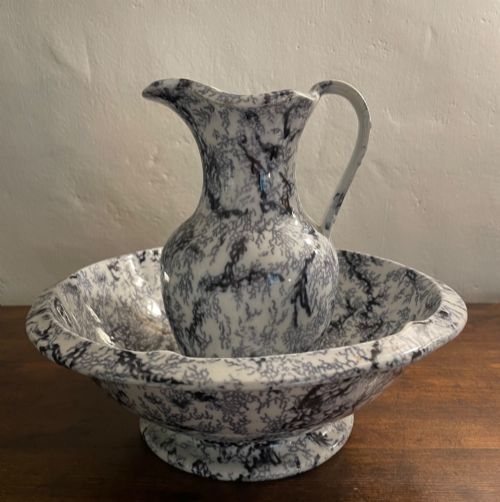
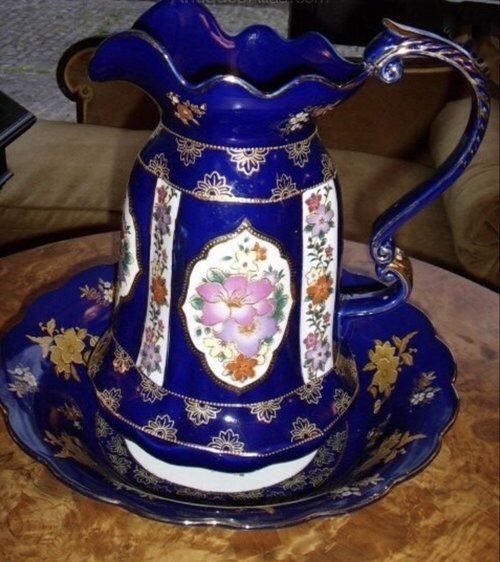
A victorian washstand bowl set comprises matching basins and pitchers designed for personal hygiene before plumbed bathrooms became common in domestic homes. These utilitarian ensembles survive from various decades including the Victorian and Edwardian eras, alongside related early pieces.
The primary forms found here are jug and basin or bowl combinations, sometimes accompanied by smaller chamber vessels or housed in bentwood stands. Makers produced these sets in earthenware, ironstone, and porcelain to withstand daily washing routines.
Stylistic influences span traditional blue and white transfer printing, Aesthetic Movement motifs, and flowing Art Nouveau contours. Buyers encounter both standard multi-piece bathroom services and smaller miniature variants.
Materials and production methods
Potteries shaped these items using durable ceramic bodies such as ironstone and earthenware, finished with protective glazes to handle water daily. Workshops applied cobalt blue decoration, floral patterns, and occasional gold leaf accents by hand or through transfer printing.
Glass alternatives also appear alongside traditional ceramics, while supporting stands utilise bentwood construction for lightweight strength. Firing techniques varied from early earthenware kilns to more refined porcelain production methods.
Bentwood stands offer a lightweight, curved timber frame to hold your heavy ceramic washing vessels securely off the floor.
Assessing craftsmanship
Superior sets display crisp transfer printing, precise glaze coverage, and robust ironstone or porcelain bodies without heavy firing flaws. The presence of named factory marks or well-executed gilt and flower designs elevates an ensemble above standard utility wares.
Completeness across multi-piece sets and the survival of matching pitchers and basins in clean condition separate finer examples from mismatched or heavily worn survivors.
Doulton Burslem·Masons Ironstone·Mark Jones And Sons
The Victorian Washstand Bowl Set Glossary
- Ironstone
- A dense, durable type of earthenware patented in the nineteenth century to imitate porcelain while offering greater resistance to daily wear. It forms the body of many large wash basins.
- Flow blue
- A cobalt printing style where the colour intentionally bled slightly into the surrounding white glaze during firing, creating a soft, misty appearance.
- Transfer printing
- A mechanical method of applying complex decorative patterns to ceramic surfaces using engraved copper plates and tissue paper.
- Earthenware
- Porous pottery fired at lower temperatures, typically coated in an impermeable glaze to hold water effectively for washing purposes.
- Aesthetic Movement
- A late nineteenth-century design style emphasising visual beauty over narrative content, often featuring stylised flora and asymmetry.
Victorian Washstand Bowl Set: Frequently Asked Questions
What is a victorian washstand bowl set?
It is a matching ceramic grouping consisting of a large basin and a water pitcher used for washing before indoor plumbing.
These sets were standard bedroom furnishings in homes during the Victorian and Edwardian periods.
How were washstand sets used originally?
People placed the basin inside a washstand top and filled the matching jug with water from a larger pitcher or ewer for morning ablutions.
Used wash water emptied into slop buckets kept on the lower shelf of the washstand furniture.
How do I date a wash set?
Pottery bodies, glaze characteristics, and registry marks printed on the undersides help determine the manufacturing era.
Stylistic cues like Art Nouveau contours or Aesthetic Movement motifs also point toward specific decades around nineteen hundred.
How can I display these sets at home?
Large basins and jugs make striking decorative statements on wooden sideboards, tables, or within traditional bathroom spaces.
Displaying the pieces together highlights the matching glazes and decorative transfer patterns without requiring plumbing connections.