
Antique Pin Tray
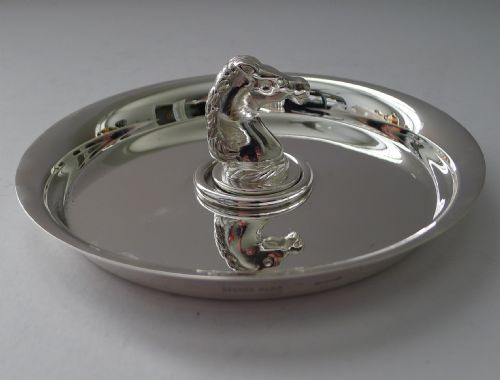
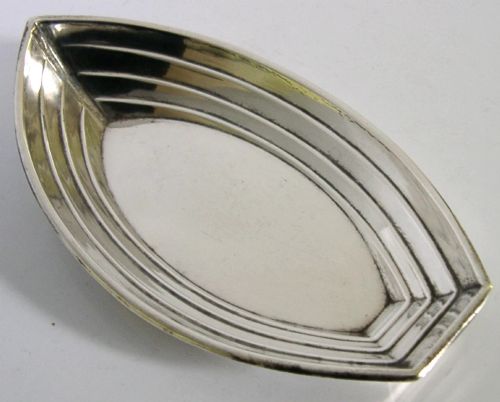
An antique pin tray sits on a dressing table or desk to catch small keepsakes, combining practicality with period craftsmanship.
Antique Pin Tray
When you search for an antique pin tray, you encounter small decorative receptacles designed to hold pins, rings, and coins on surfaces around the home.
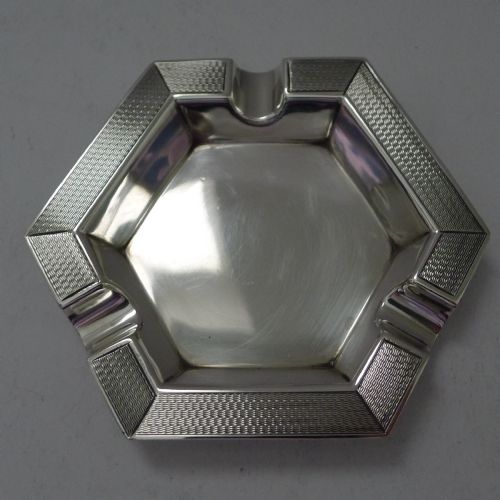
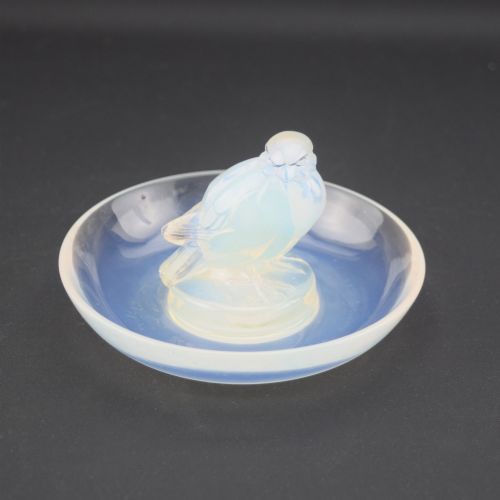
The pieces on this page span the Victorian and Edwardian eras through to the Art Nouveau and Art Deco periods, encompassing both British sterling silver examples and continental porcelain.
While larger serving and drinks trays appear in the archive, the focus remains on small desk accessories, card trays, and dressing table dishes.
Materials and methods
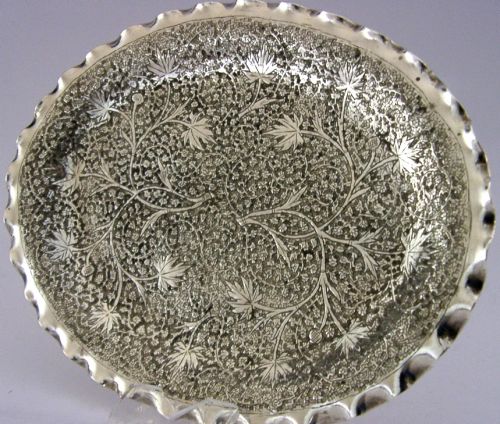
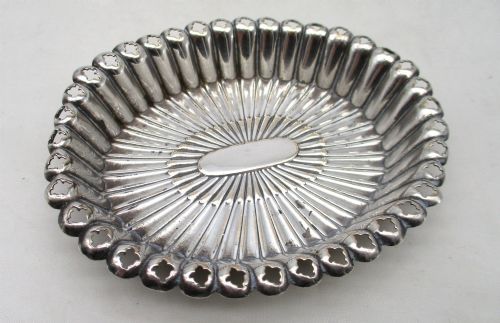
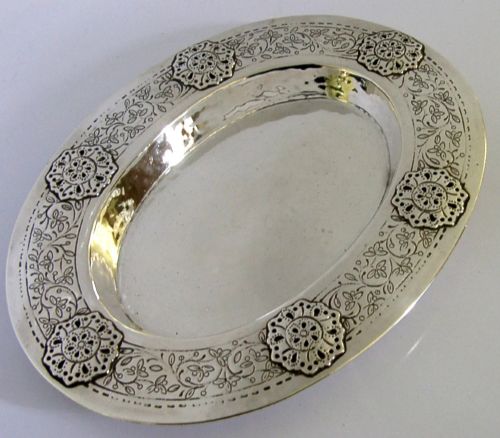
Silversmiths utilised sterling silver and solid silver, shaping them through repoussé work, chasing, and stamping to create high-relief floral and figural motifs.
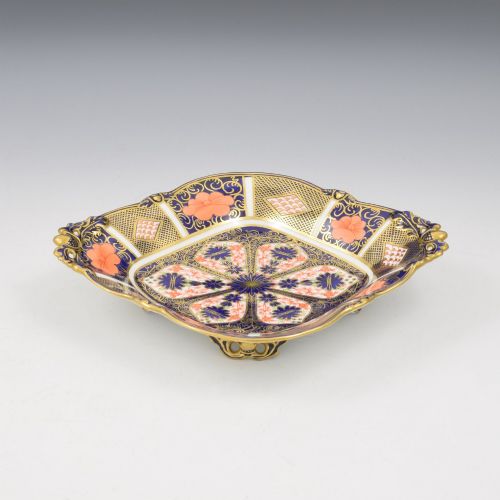
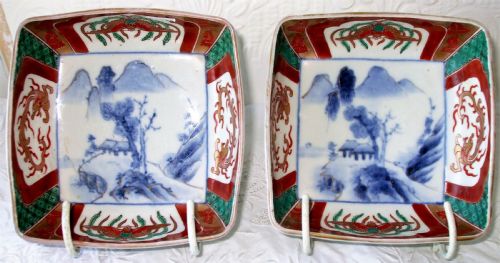
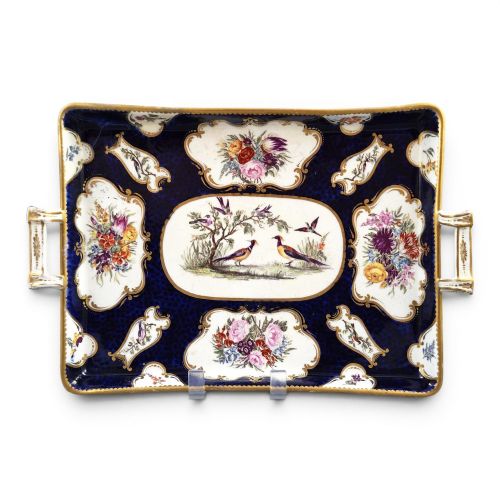
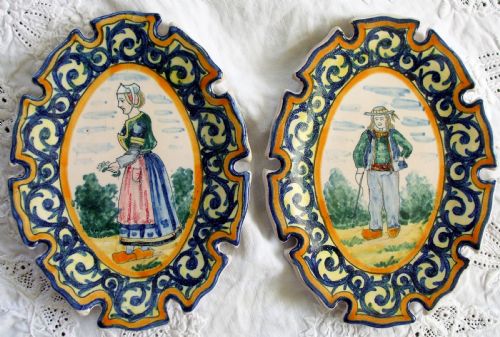
Ceramic makers relied on porcelain and faience, applying hand-painted glazes, Imari patterns, and gilt edges before kiln firing.
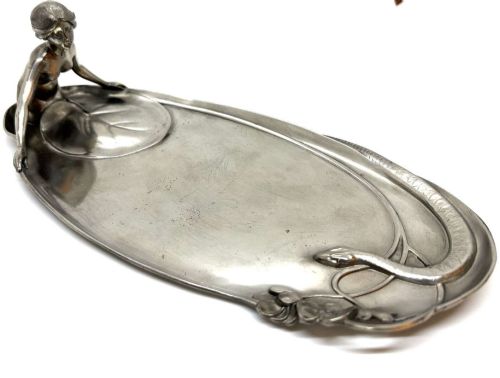
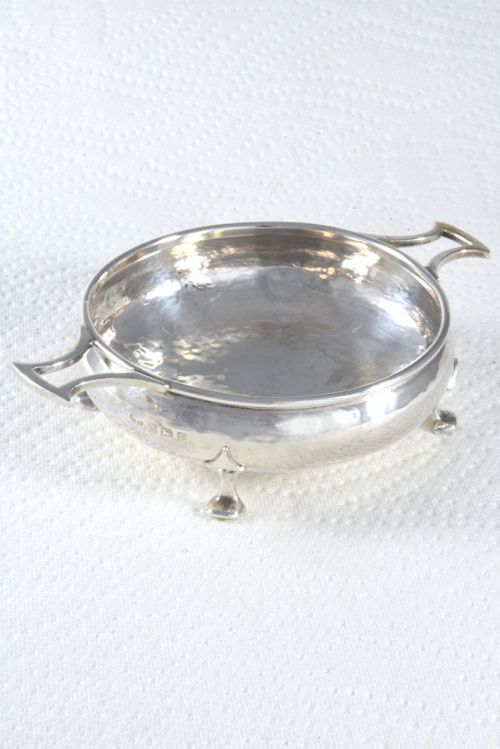
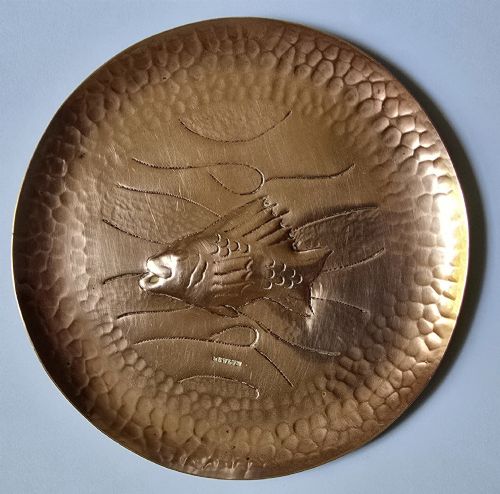
Art Workers and guilds turned to copper and pewter, hammering the metal surfaces by hand and incorporating enamel accents.
Listings feature sterling silver, porcelain, enamel, copper, and ceramic across Victorian, Edwardian, Art Nouveau, and Art Deco periods.
Determining quality
Quality rests in the crispness of the hand-chased detail on silver surfaces and the precision of the hand-painted enamel or ceramic decoration.
Substantial metal gauge and clear hallmarks indicating maker marks and assay offices distinguish superior metalwork from lighter, mass-produced items.
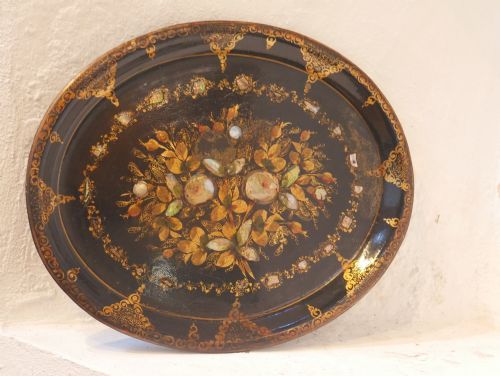
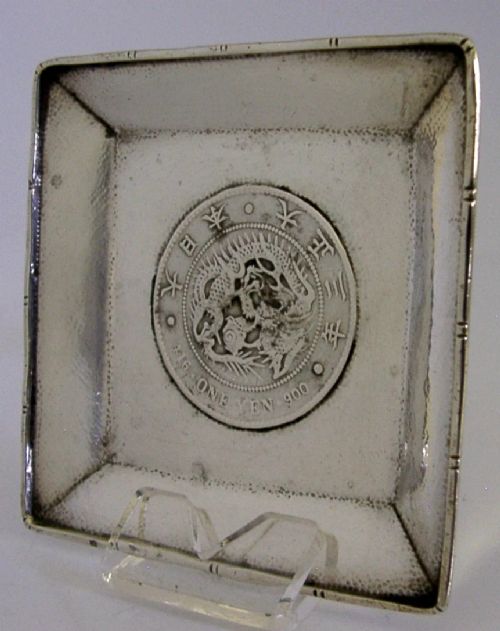
Intricate additions such as inset coinage, tortoiseshell panels, or pierced porcelain work elevate standard functional dishes into notable collector pieces.
William Neale·Liberty and Co·Robert Pringle and Sons·William Comyns·Mappin and Webb
The Antique Pin Tray Glossary
- Repoussé
- A metalworking technique where the artisan hammers the design from the reverse side to create a raised pattern on the front. This method gives Victorian trays their characteristic tactile floral borders.
- Hallmark
- An official stamp applied to precious metals indicating the standard of purity, the assay office, and the date letter. British silver items rely on these marks to verify their exact year of manufacture.
- Imari
- A style of Japanese porcelain decoration featuring underglaze blue and iron red, supplemented by gold. European factories frequently copied these vibrant patterns during the nineteenth century.
- Faience
- Tinned-glazed earthenware produced across continental Europe. French examples often feature painted blue and white motifs.
- Vide-Poche
- A small receptacle for emptying pockets of loose items like coins and keys. These catch-alls serve a similar daily purpose to traditional dressing table pin dishes.
Antique Pin Tray: Frequently Asked Questions
What were antique pin trays used for?
Victorians placed these small dishes on dressing tables and hallway consoles to hold straight pins, collar studs, and pocket change. They prevented small metal items from rolling off wooden surfaces.
Over time, people also used them as card trays for receiving calling cards or as decorative catch-alls in sitting rooms.
How do I date a silver pin tray?
British silver trays carry a set of stamped hallmarks that include a date letter indicating the exact year of assay. Additional marks reveal the town of testing and the maker's registered stamp.
Stylistic clues such as Art Nouveau whiplash curves or Victorian floral repoussé help narrow down the period when hallmarks are rubbed or absent.
Are porcelain pin trays fragile?
Ceramic and porcelain trays require careful handling to prevent chips along the gilded rims and pierced borders. Displaying them on stable surfaces away from heavy traffic protects them from accidental knocks.
Cleaning should involve only gentle hand washing with warm water, avoiding abrasive cloths that might wear away the hand-painted enamels.
How do silver trays differ from plated versions?
Solid silver items are stamped with lion passant or other purity marks indicating sterling standard throughout the metal. Silver-plated pieces feature a base metal like brass or copper underneath a thin coating of silver.
Over decades of use, plated items may show base metal through worn high points, whereas solid silver maintains its metal composition entirely.