


Art Deco Trinket Dish
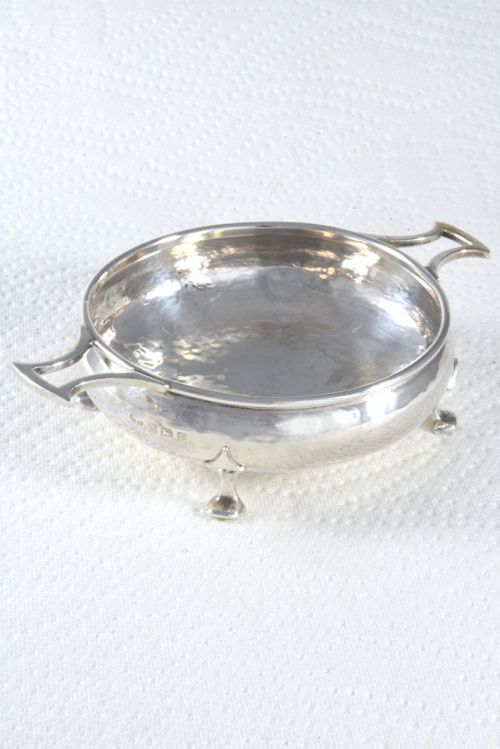
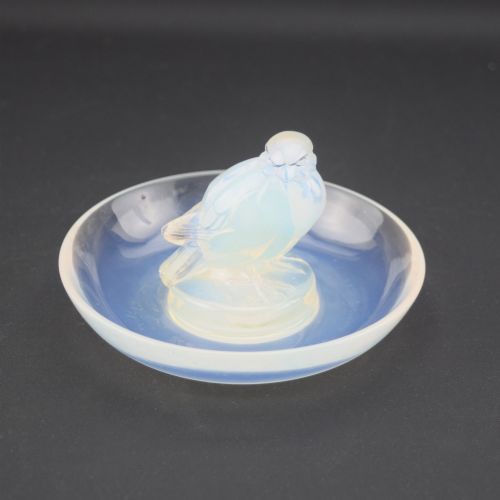
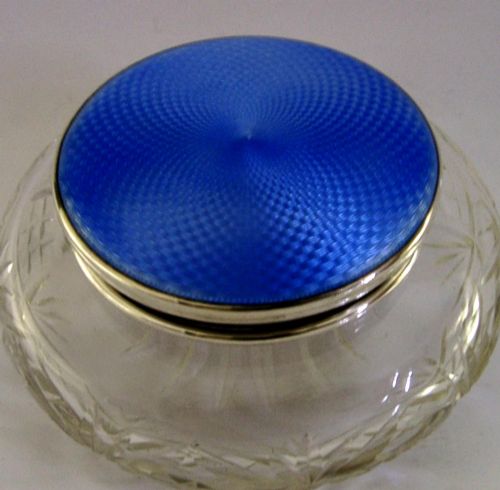
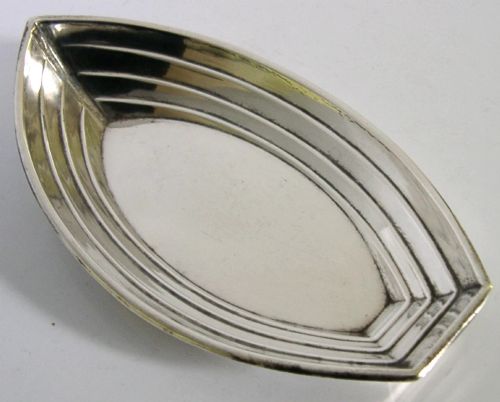
These art deco trinket dish selections range from moulded opalescent glass to silver and enamel pieces designed for dressing tables.
How they were made
Materials divide into sterling silver, porcelain, ceramic, crystal glass, and opalescent glass, often enriched with blue enamel or gold leaf. Silversmiths worked metal into geometric or novelty shapes, while glassworks utilised press-moulding techniques to achieve opalescent effects.
Ceramic and porcelain boxes combined glazed vessel bodies with hand-painted figural lids depicting half dolls and jester figures. Craftsmen also applied tortoiseshell and white onyx panels into metal frameworks to build vanity boxes.
What varies in quality
Quality shows in the crispness of mould work on opalescent glass pieces and the precision of applied enamel on silver surfaces. Finer porcelain boxes display detailed hand-painting on figural elements like flapper girls and bathing belles.
The choice of materials dictates the standard of manufacture, where solid sterling silver, rock crystal, and carved lapis lazuli elevate an item above silver-plated or standard ceramic alternatives.
Several porcelain powder boxes feature cheerful jester and bathing belle figures keeping watch over your daily trinkets.
Rene Lalique·John Grinsell And Sons·Daisy Makeig Jones·John Collyer·Royal Copenhagen
The Art Deco Trinket Dish Glossary
- Opalescent glass
- Glass that diffuses light with a milky or glowing appearance, frequently used by French makers for moulded dishes.
- Half doll
- A ceramic torso without legs, designed to sit atop the lid of a powder box or dresser jar.
- Bonbonnière
- A small decorative container intended for holding sweets or small confectionery items on a table.
- Triskelion
- A motif composed of three interlocked spirals or bent legs, occasionally found shaped into silver pin dishes.
- Cold painted
- A method of applying non-fired paint to bronze or metal figures after the casting process is complete.
Art Deco Trinket Dish: Frequently Asked Questions
What were art deco trinket dishes used for?
These small receptacles held hairpins, rings, and daily jewellery on dressing tables and desks during the early twentieth century. Many styles served specific dressing table duties alongside powder bowls and vanity jars.
Other variations functioned as ash trays or bonbonnières for holding small sweets in a drawing room or smoking room.
How do I identify a 1930s powder box?
Powder boxes from the 1930s often feature ceramic or porcelain bodies paired with figural lids depicting flapper girls, bathing belles, or pierrots. French and German potteries produced numerous variants of these vanity items.
The materials typically include glazed ceramics, Limoges porcelain, or moulded opalescent glass characteristic of the period's dressing table sets.
Are silver and enamel trinket dishes English?
Many silver and enamel dressing table items originate from English silversmiths working under George V and Edward VIII. Hallmarks on the silver mounts indicate assay offices such as Birmingham.
These pieces frequently combine sterling silver with blue or pink enamel tops, sometimes paired with cut glass or crystal bodies.
What is opalescent glass?
Opalescent glass diffuses light to create a characteristic milky glow, often shifting in colour when viewed from different angles. Makers utilised press-moulding to achieve high-relief decorative details on pin dishes and ashtrays.
This technique became a signature of French glass production during the 1920s and 1930s art deco era.