


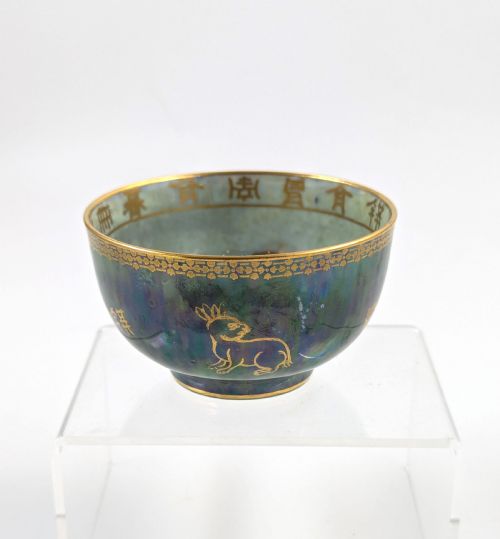
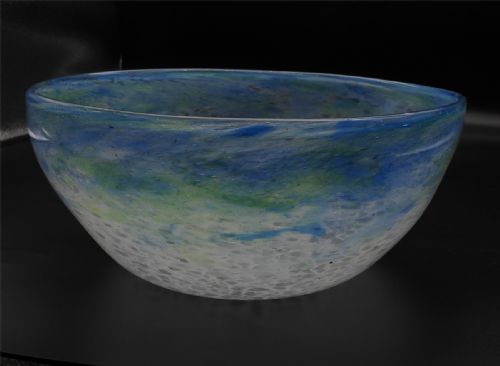


Green Art Deco Dish
A green art deco dish brings striking colour and geometric form to a room, catching the light through rich glass or lustrous glaze.
Green Art Deco Dish
When you search for a green art deco dish, you are looking at domestic vessels and decorative containers shaped by the aesthetics of the early twentieth century. These pieces span the 1910s, 1920s, and 1930s, reflecting the progression from earlier decorative arts into distinct modernist geometry.
The objects on this page include glass bowls, dessert dishes with glass liners, centrepiece bowls, powder boxes, and small trinket dishes. Many adopt the vibrant palettes and stylized motifs typical of the period, executed in materials ranging from pressed glass to high fired pottery.
You are most likely to meet glassware or ceramic vessels utilising rich green tones, often paired with contrasting metallic mounts or enamel work. These items served both functional roles on dining tables and purely decorative purposes on dressing tables and mantelpieces.
How they were made
Makers shaped these items using specialised glass-blowing and moulding techniques, often employing overlay methods where a layer of green glass is fused over clear crystal. This allowed artisans to cut through the outer stratum to reveal contrasting depths and patterns beneath.
Ceramic pieces relied on high fired pottery methods, utilising specialised lustre glazes that produced iridescent metallic sheens upon cooling. Stoneware and porcelain bodies provided stable foundations for complex enamel decoration and rich surface textures.
Metal elements such as sterling silver liners and spelter mounts were cast and hallmarked separately before being fitted to the glass or ceramic bodies. This multi-material construction required precise tolerances to ensure the components fit securely together.
Flapper girls and Grecian maidens share shelf space here, immortalized in powder boxes and spelter.
What varies in quality
The distinction between standard production and finer examples rests upon the depth of the material execution and the precision of the design. Hand-cut crystal layers and intricate lustre applications demand greater technical mastery than simple moulded production.
Design attribution plays a significant role in distinguishing pieces, particularly when a recognised artist or major factory guided the production. Works bearing factory marks or specific designer signatures exhibit superior finishing and more ambitious artistic conception.
Val St. Lambert Belgium·Viners George V·Daisy Makeig-Jones·René Lalique·Ferdinand Preiss
The Green Art Deco Dish Glossary
- Art Deco
- A design style spanning the 1920s and 1930s characterised by geometric shapes, stylized motifs, and streamlined forms. It replaced the flowing curves of art nouveau with sharp angles and symmetry.
- Lustre Glaze
- A type of pottery glaze containing metallic oxides that produce an iridescent, shimmering surface upon firing. This technique creates a shifting play of colour in changing light.
- Spelter
- An alloy of zinc and lead used as a cheaper substitute for bronze in decorative metalwork. It was commonly cast and painted or patinated during the art deco period.
- Overlay Glass
- Glass created by fusing two or more distinct layers of different colours together. Artisans then cut through the outer layer to expose the contrasting colour underneath.
- Chryselephantine
- A sculpture technique combining ivory and bronze or other metals. The term derives from Greek roots meaning gold and ivory.
Green Art Deco Dish: Frequently Asked Questions
What materials are used in these dishes?
The pieces utilise porcelain, glass, cut lead crystal, and green overlay glass, alongside sterling silver and high fired lustre glazes. Some examples incorporate spelter mounts and enamel decoration.
These materials reflect the diverse manufacturing techniques of the early twentieth century, combining traditional ceramic arts with advanced glass-making methods.
How do I date an art deco dish?
Dating relies on stylistic markers, factory stamps, designer signatures, and hallmarks stamped into the metal components. Pieces from this era typically display the geometric traits characteristic of the 1920s and 1930s.
Specific signatures from known designers or pottery works provide a more precise point of origin within the broader modernist period.
Were these dishes meant for food?
Many items, such as dessert dishes with glass liners and centrepiece bowls, served functional roles during dining and entertaining. Other smaller vessels functioned as powder boxes, pin dishes, or trinket boxes for personal items.
Their dual utility as both practical tableware and decorative objects made them popular household accessories throughout the period.
How should I clean a lustre glazed bowl?
Lustre glazes and delicate enamel work require gentle cleaning with a soft, dry cloth or lukewarm water without harsh detergents. Abrasive cleaners can damage the iridescent metallic surface layers.
Careful handling ensures the preservation of the delicate chemical sheens applied during the original high temperature firing process.
What is overlay glass?
Overlay glass involves fusing a coloured glass layer over a clear or contrasting body, allowing artisans to carve or cut away portions. This technique creates deep relief patterns with striking tonal contrasts.
Master glassmakers utilised this method to enhance the visual weight and textural complexity of decorative vessels.