


Antique Pharmacy Vessel
An antique pharmacy vessel holds the quiet history of medicinal trade, offering ceramic jars, blown glass carboys and heavy mortars for the collector of scientific heritage.
Antique Pharmacy Vessel
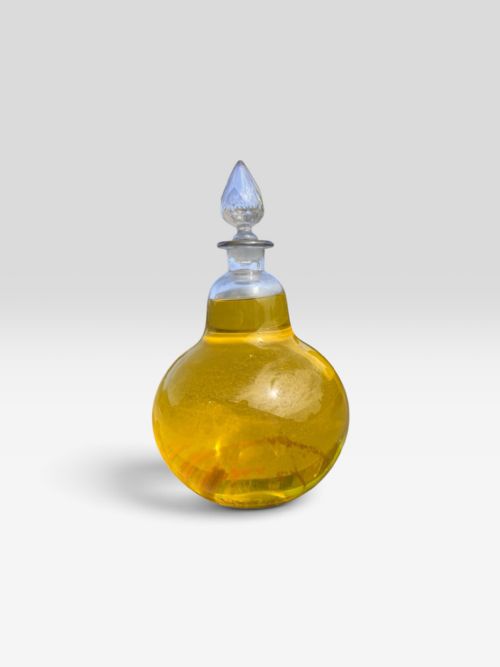
An antique pharmacy vessel encompasses utilitarian items produced for apothecaries, chemists and dispensaries across several centuries. The selection here ranges from utilitarian glass carboys and bottles to earthenware storage jars and heavy metal or wood mortars.
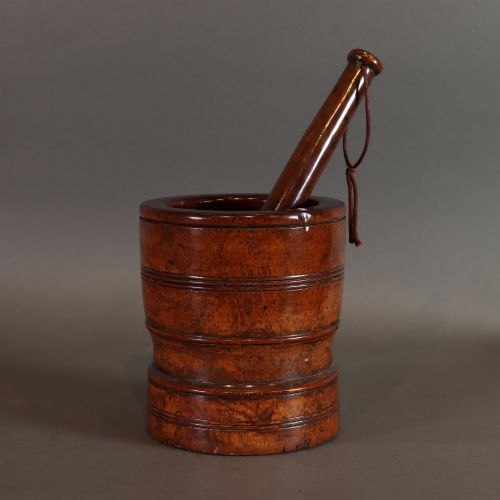
Buyers encounter forms spanning 17th-century wooden implements, 18th-century tin-glazed drug jars and Victorian glass containers. These pieces reflect the changing methods of storing and preparing medicines over hundreds of years.
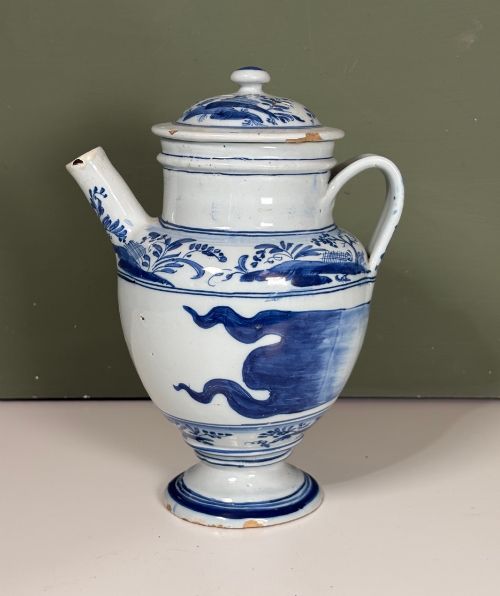
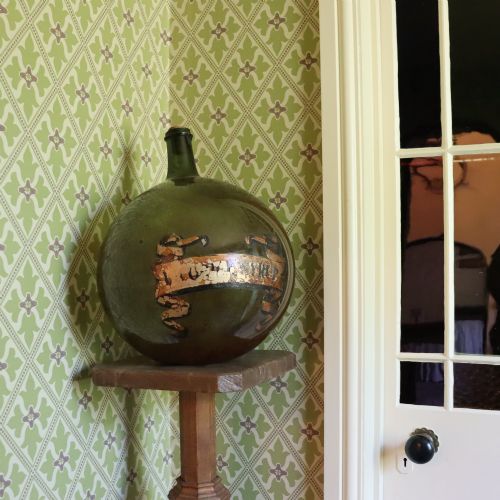
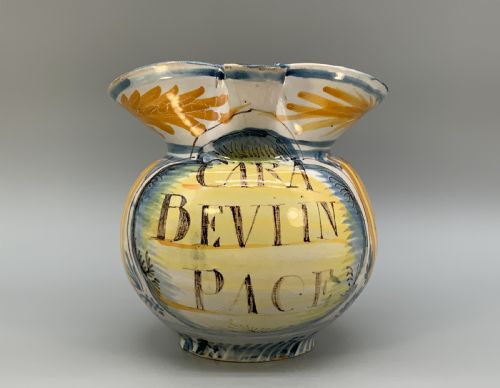
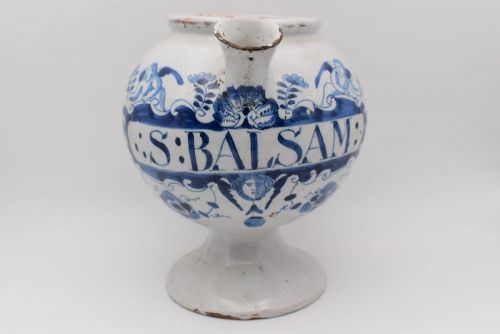
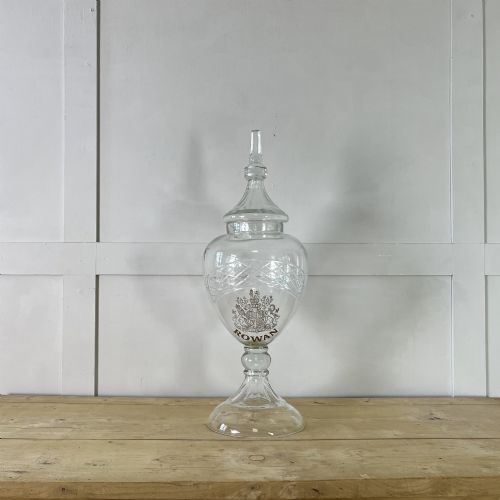
The most common variants on this page include ceramic albarelli, wet drug jars marked with specific contents, and large glass carboys used for shop displays. Each object served a practical function in the dispensation of historical remedies.
Materials and construction
Potters shaped earthenware and tin-glazed ceramics by hand, applying opaque white glazes that provided a smooth surface for painted drug labels and decorative motifs. Glass vessels were mouth-blown, resulting in characteristic surface bubbles and pontil marks on the base.
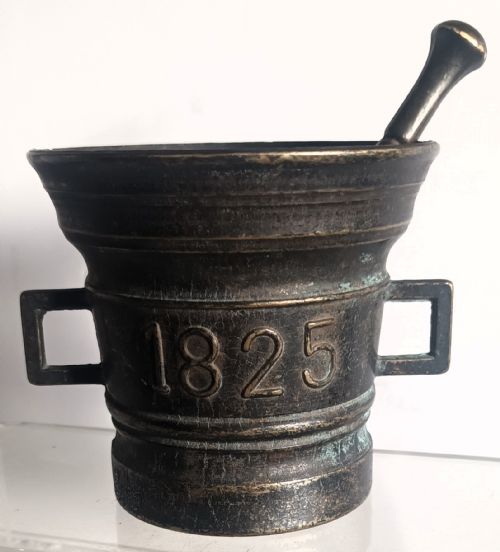
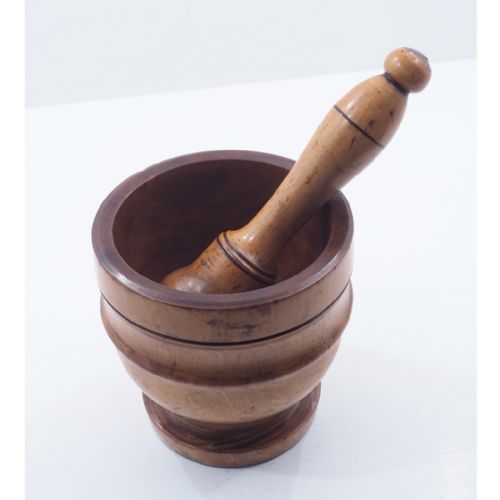
Mortars utilise dense materials such as bronze, brass, lignum vitae and heavy ceramic to withstand the force required for grinding ingredients. Metal components often display casting marks from historical foundry work.
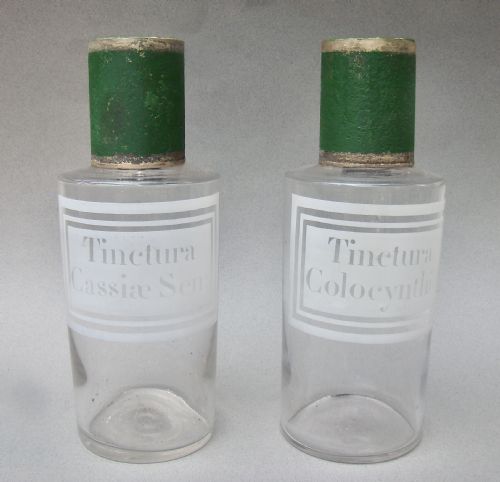
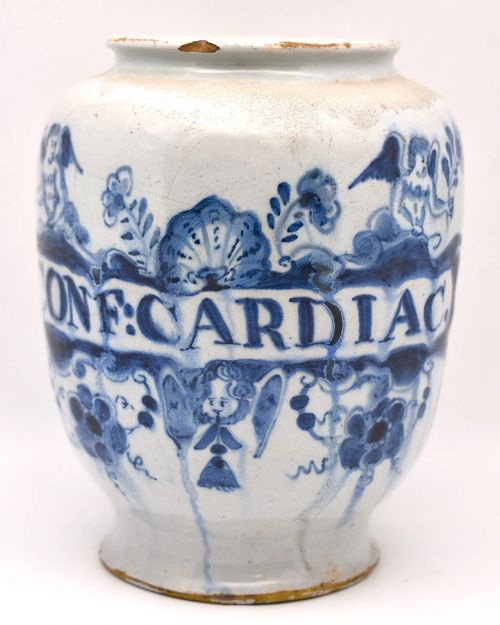
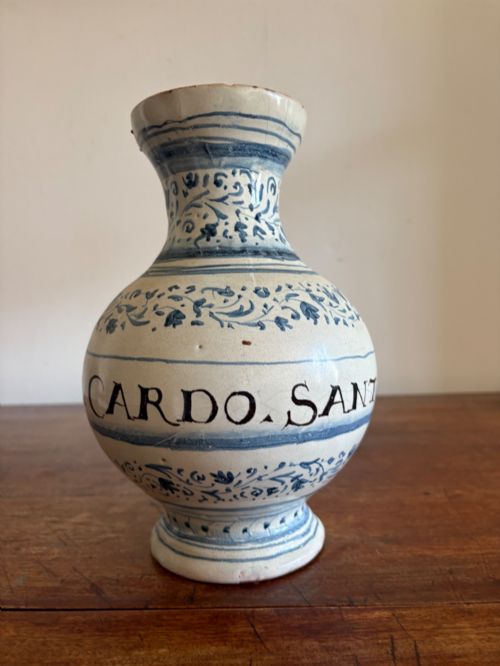
Historic pharmacy jars often carry abbreviated Latin names for ingredients like dried earthworms and crushed pearls, reminding buyers of forgotten medical recipes.
Judging the standard of execution
Quality in ceramic drug jars rests upon the clarity of the tin glaze and the precision of the hand-painted inscriptions or polychrome decoration. Pieces featuring detailed heraldic cartouches, cherubs or distinct apothecary labels represent superior craftsmanship.
Glass carboys and bottles vary according to the depth of colour in the glass, the symmetry of the blown form and the preservation of original stoppers or labels. Metal mortars gain distinction from the crispness of their moulded rims and pleasing patination acquired through use.
Samuel Alcock and Co
The Antique Pharmacy Vessel Glossary
- Albarello
- A cylindrical earthenware jar used by apothecaries to hold ointments and dry drugs. Originating in the Middle East, the shape evolved to allow jars to be stored closely on shelves.
- Tin Glaze
- A ceramic glaze made by adding tin oxide to a lead glaze, producing an opaque white surface. It serves as a ground for painted cobalt blue or polychrome decorations.
- Carboy
- A large glass or plastic vessel with a narrow neck, utilised historically in chemical and pharmaceutical settings for holding liquids in bulk. Apothecaries placed them in windows to signal their trade.
- Wet Drug Jar
- A specialised ceramic container featuring a spout or wide mouth designed for liquid medicines and syrups. These jars typically bear painted labels identifying specific pharmaceutical contents.
- Mortar and Pestle
- A bowl and club-shaped tool combination used for crushing and mixing substances. Apothecary examples utilise heavy bronze, brass, wood or stone to endure rigorous compounding.
Antique Pharmacy Vessel: Frequently Asked Questions
What were apothecary jars used for?
Apothecaries used these ceramic and glass vessels to store dried herbs, roots, chemical powders and prepared liquid remedies. Each jar kept its contents sealed and protected from light and moisture.
Pharmacists arranged them in rows on wooden shelving inside the shop, using painted labels to identify the medicinal ingredients quickly during compounding.
How do I date an antique glass carboy?
Dating relies on observing the manufacturing techniques visible on the glass surface. Hand-blown examples display irregular thickness, surface bubbles and a rough pontil mark underneath where the iron rod was detached.
Later Victorian and Edwardian pieces often show more uniform machine-moulded seams and cleaner finishes, reflecting industrial production methods introduced toward the end of the century.
What is a wet drug jar?
A wet drug jar is a specific ceramic vessel designed to hold liquid medicines, syrups and oils rather than dry powders. They frequently feature a spout and a painted Latin abbreviation indicating the contents.
Tin-glazed earthenware versions protected the liquids from contamination while offering a decorative surface for display in the apothecary shop.
How should I display pharmacy vessels at home?
Placing glass carboys near natural light highlights the depth of coloured glass and historical bubbles. Ceramic jars and mortars suit open shelving or wooden cabinets where their forms remain visible.
Keeping them away from direct heat sources protects any remaining painted tin glazes and delicate paper labels from drying out.