


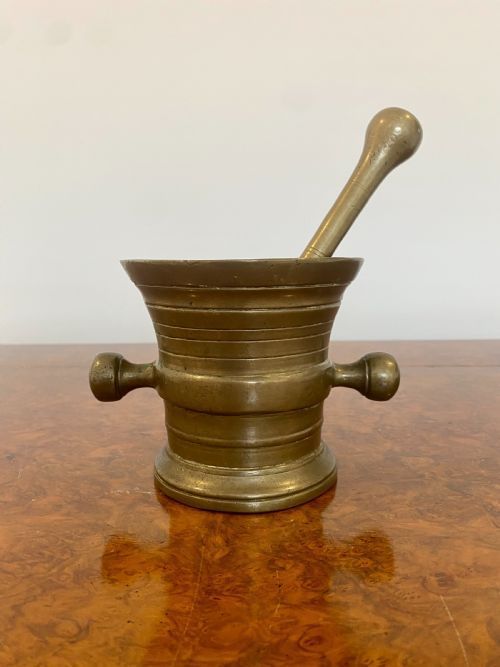

17th Century Mortar
A 17th century mortar is a heavy vessel used for crushing, and these sturdy examples in bronze, lignum vitae and stone bring centuries of utilitarian history into a modern room.
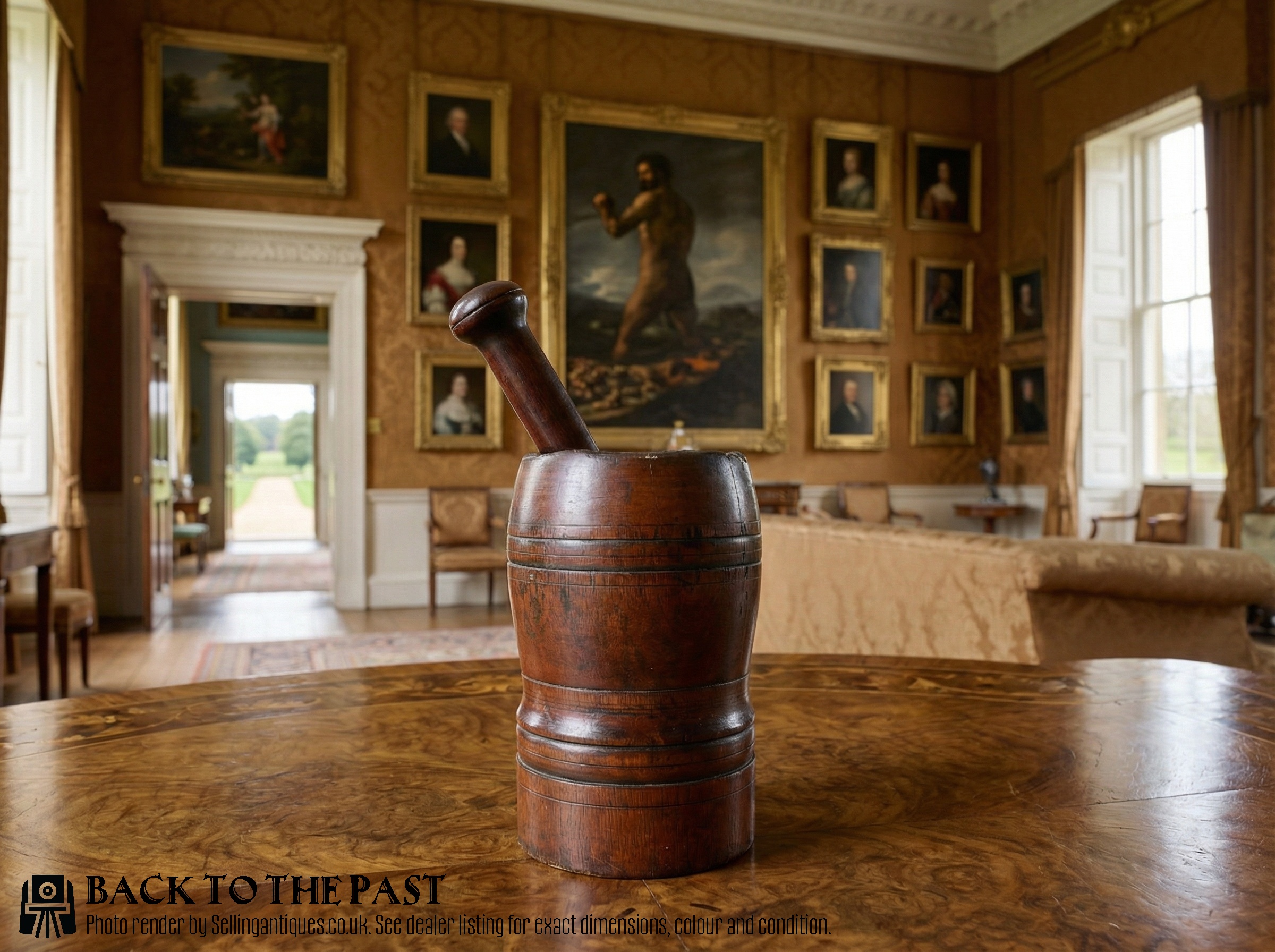
17th Century Mortar
A 17th century mortar is a substantial kitchen or apothecary implement designed for grinding herbs, minerals and foodstuffs. When you search for a 17th century mortar, you encounter pieces shaped from cast bronze, dense lignum vitae and carved stone.
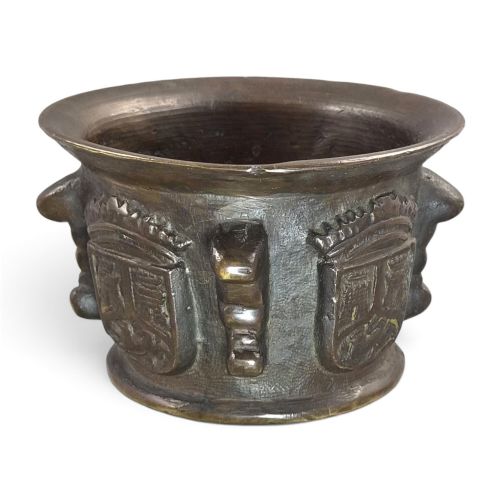
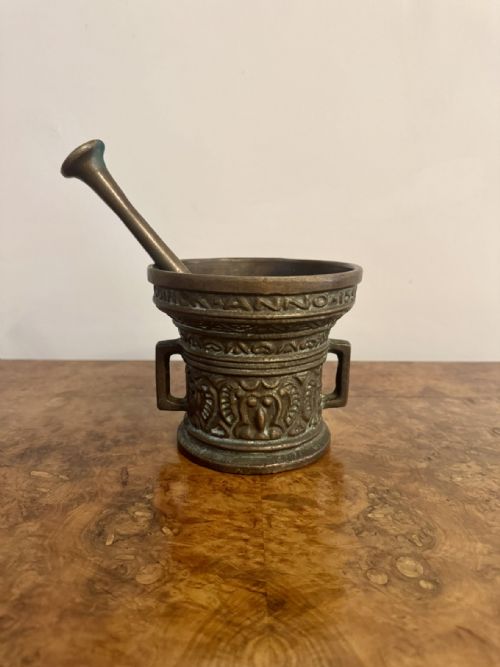
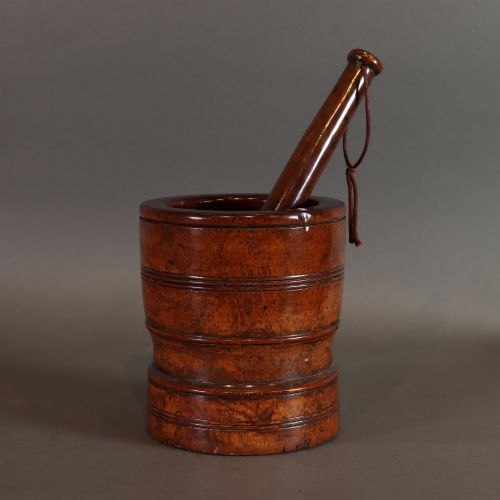
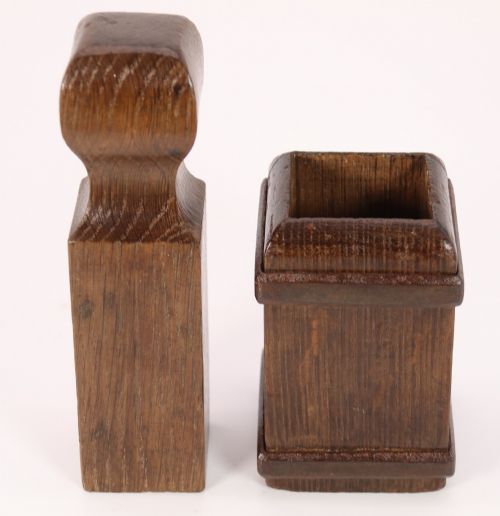
The versions most common on this page range from English bronze apothecary vessels bearing armorial cartouches and Tudor roses to turned fruitwood and lignum vitae treen bowls with matching pestles. Spanish baroque cast bronze examples with heraldic arms also appear alongside rustic stone and oak crushers.
These vessels served chemists, domestic kitchens and herbalists alike, functioning as the central grinding tool before the advent of mechanized food preparation. Their survivals show the heavy utility of domestic and apothecary life across the seventeenth century and subsequent revival periods.
What varies in quality
Quality rests in the crispness of the cast decoration, such as armorial cartouches and Tudor roses, versus a plain, unadorned surface. Metal pieces with a rich, undisturbed age patina stand apart from heavily polished or cleaned examples.
For wooden treen, the tightness of the timber grain and the survival of an original matching pestle elevate a piece significantly. Stone and marble variations depend upon the purity of the material and the proportion of the carved bowl.
Some stone mortars carry a mysterious antiquity, noted simply as believed to be from the sixteenth or seventeenth century.
House of Enríquez
The 17th Century Mortar Glossary
- Treen
- Small handmade wooden domestic objects and utensils. Lignum vitae and fruitwood mortars fall into this category.
- Bell Metal
- An alloy of copper and tin traditionally used for bells and high-quality mortars. It produces a resonant tone when struck.
- Apothecary
- A practitioner who prepared and sold medicines and drugs. Many surviving mortars originated in their shops.
- Pestle
- A heavy tool with a rounded end used for crushing and grinding substances in a mortar. Original matching pestles complete the set.
- Armorial
- Relating to heraldry or coat of arms. Several bronze mortars display these cast armorial cartouches.
17th Century Mortar: Frequently Asked Questions
What were 17th century mortars used for?
These vessels were employed primarily by apothecaries and domestic cooks for grinding dried herbs, medicines, spices and minerals into fine powders or pastes. The thick walls and heavy pestles allowed users to exert considerable force without damaging the bowl.
In both kitchen and apothecary settings, they formed the central tool for preparing daily remedies and culinary ingredients before modern mechanisation took over.
How do I tell wood from metal mortars?
Wooden examples, often described as treen, are turned from dense timbers like lignum vitae or fruitwood and display visible grain patterns. Metal mortars are cast from bronze or bell metal, showing heavy walled construction with potential decorative ribbing or armorial stamps.
Stone and marble versions provide a third distinct category, distinguished by their heavy, carved mineral composition and granular texture.
How do I live with a heavy mortar?
Because of their substantial weight in bronze, stone or dense wood, these pieces sit securely on shelves, sideboards or kitchen counters as sculptural objects. They require stable surfaces that can support considerable weight without strain.
Keep them away from direct heat sources and moisture extremes, particularly for wooden treen pieces, which benefit from occasional conditioning to preserve the timber.
Are pestles always original to the mortar?
Finding a mortar paired with its original pestle is a notable bonus, as the two pieces were easily separated or lost over centuries of use. Many surviving vessels are found alone or matched with a pestle of a similar period and material.
When a set retains its matching pestle and shows consistent wear across both surfaces, its historical integrity is substantially enhanced.