




17th Century Metalware
These 17th century metalware pieces are domestic and apothecary vessels crafted in bronze, pewter, and silver that bring tangible weight to any table.
17th Century Metalware
When you search for 17th century metalware, you find domestic vessels, chargers, and apothecary items forged and cast during the seventeenth century and later revivals.
The objects on this page include mortar and pestle sets, broad rim chargers, multiple reeded plates, and trefid spoons from English and continental workshops.
Most items date firmly to the seventeen hundreds alongside occasional nineteenth-century Renaissance revival interpretations made in brass or cast bronze.
Materials and construction methods
Pewter and bronze dominate the surviving material record, shaped through casting, hammering, and turning on simple lathes.
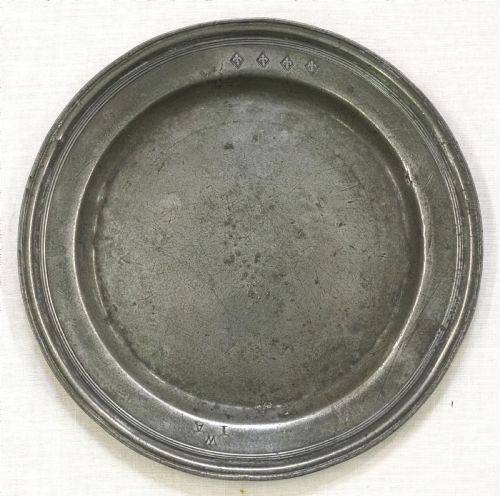
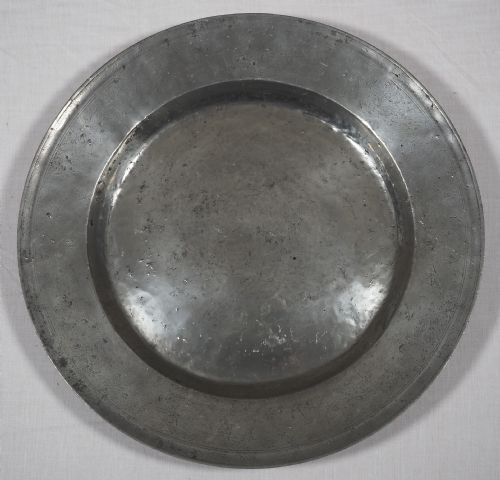
Pewter plates and large chargers display hammered surfaces and incised rims produced by specialist pewterers working in London and provincial centres.
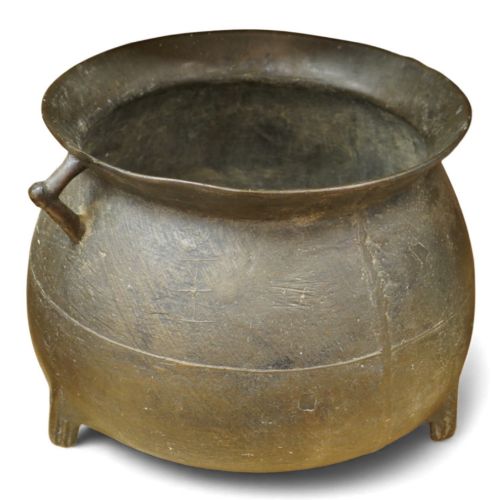
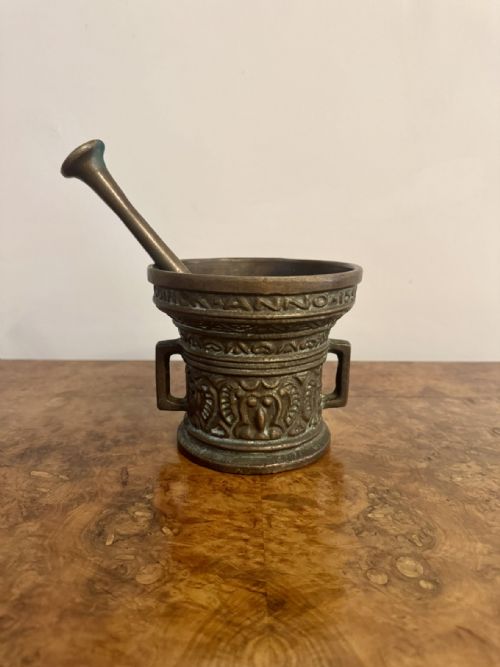
Bronze mortars and cauldrons utilise sand casting techniques, often featuring raised Tudor rose motifs or regional Somerset type profiles.
Listings combine seventeenth-century pieces with nineteenth-century Renaissance revival items in bronze, brass, and sterling silver.
Indicators of superior quality
Quality rests in the crispness of maker touchmarks, the thickness of cast bronze walls, and the preservation of original hammered tool marks on broad rims.
Vessels with provenance, such as engraved family crests on pewter chargers, elevate an example far above standard utilitarian kitchenware.
Proportion and weight dictate desirability, with heavy broad rim chargers and well-balanced mortars commanding greater attention from collectors.
Robert Moulins II·Thomas Templeman·Lawrence Dyer·Thomas Haward
The 17th Century Metalware Glossary
- Trefid spoon
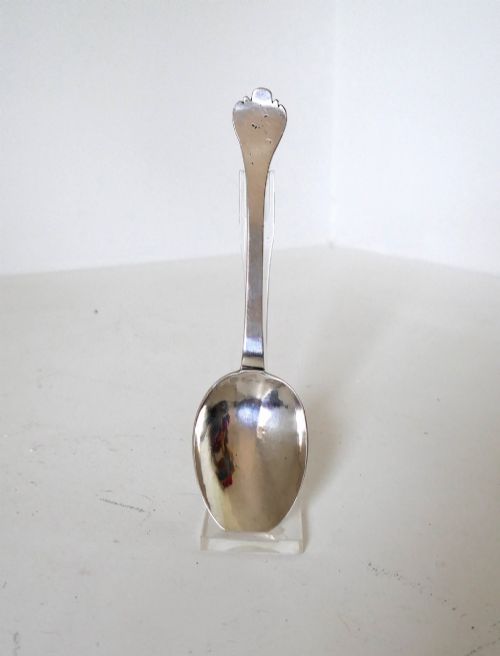
- An early dining implement featuring a three-lobed terminal handle popular during the reign of Charles II. This form represents an evolution in cutlery design.
- Leaded bronze
- An alloy of copper, tin, and lead used for casting heavy mortars and cauldrons. The lead content improved fluidity during the molten pouring process.
- Multiple reeded plate
- A flat dish featuring concentric raised rings around the rim edge. Pewterers utilised this decorative turning technique to stiffen the metal.
- Touchmark
- A stamped maker seal impressed into pewter or silver to guarantee alloy standards. These small punch marks often identify specific seventeenth-century craftsmen.
17th Century Metalware: Frequently Asked Questions
What was a broad rim charger used for?
These large pewter dishes served meat at grand tables or functioned as decorative wall plates in prosperous households.
Their substantial size and reflective metal surfaces demonstrated wealth during meals.
How do I identify a seventeenth century mortar?
Early examples appear in cast bronze, sometimes bearing Tudor rose motifs or regional Somerset styling from apothecary and kitchen use.
Pestles generally accompany these heavy vessels, showing matching wear patterns from grinding herbs and minerals.
Are these pewter pieces food safe?
Historical pewter often contains lead, making these antique chargers and plates better suited for display rather than modern dining.
Gentle cleaning with a soft cloth preserves the dull grey oxide layer accumulated over centuries.
What is a trefid spoon?
A trefid spoon is an eating utensil with a flat, notched handle terminal that emerged in English silver during the late seventeenth century.
They represent an early shift towards standard table cutlery sets in domestic settings.