


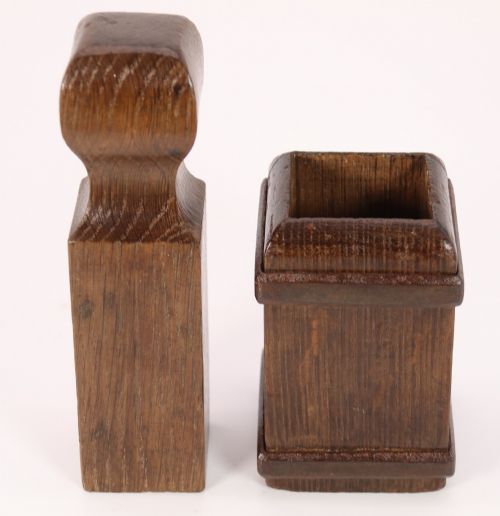


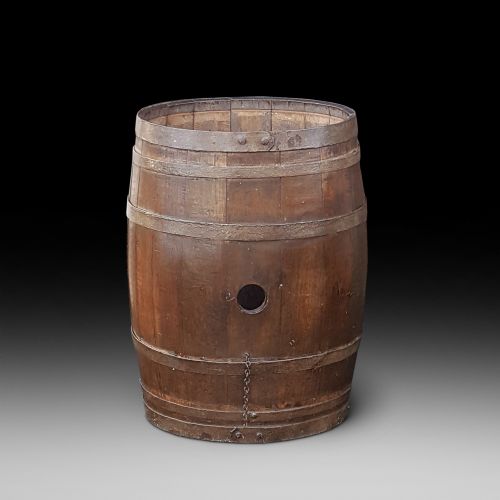
Early Wooden Vessel
An early wooden vessel brings centuries of practical domestic service directly to the modern interior.
Early Wooden Vessel
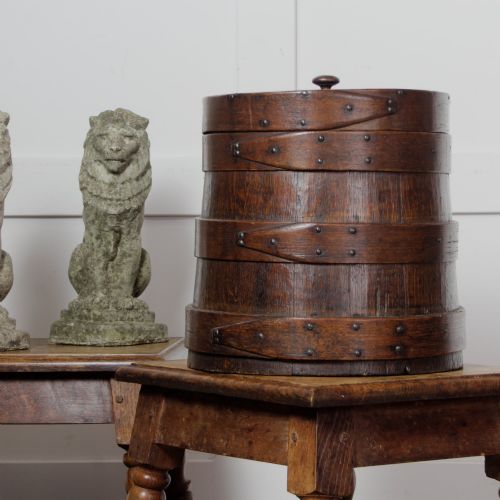
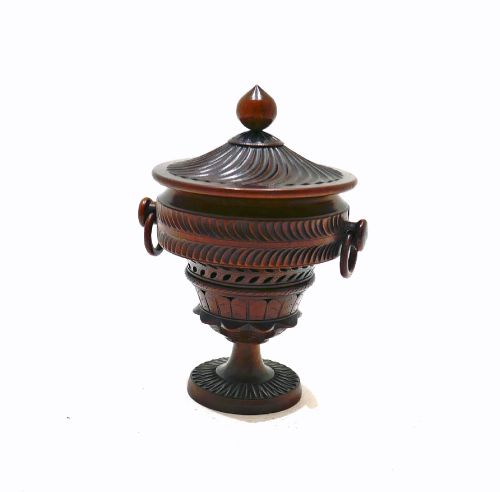
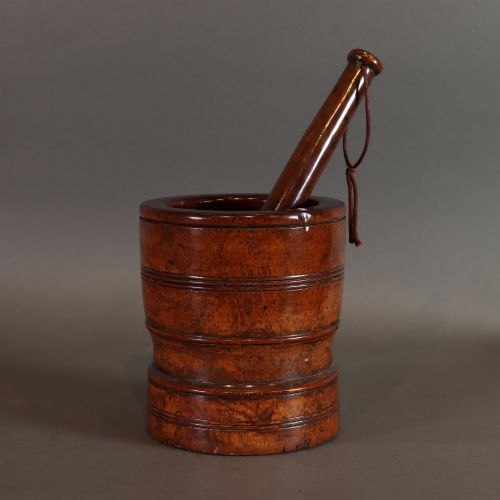
An early wooden vessel encompasses functional domestic and utilitarian items from the seventeenth, eighteenth, and nineteenth centuries. Buyers searching for an early wooden vessel typically encounter turned fruitwood goblets, lidded pomanders, utilitarian mortars, and large hand-carved storage bowls.
The selections span English and continental workshops, ranging from rustic country pieces to maritime folk art objects. These domestic survivors reflect centuries of manual labour, shaped from native timbers for daily household duties before the widespread adoption of mass-produced ceramics and metalware.
Judging quality and character
Quality rests upon the integrity of the original timber, the balance of the turned or carved form, and the depth of surface patination accumulated through generations of use. Superior examples retain their structural proportions without heavy timber loss or unsympathetic modern replacement parts.
The distinction between a humble utility item and a prized cabinet piece lies in the crispness of the original turning and the preservation of honest tool work. Evidence of authentic period wear enhances the tactile appeal, distinguishing genuine vernacular survivors from later decorative reproductions.
Early Wooden Vessel Retail Price Guide 2026
Typical asking prices for early wooden vessel among the pieces listed under this phrase on Sellingantiques today, from the lower quarter to the upper quarter. They describe what is for sale here now, not the wider market.
An apothecary's heavy oak crusher likely spent centuries pulverising dubious medicinal roots before finding retirement on a collector's shelf.
The Early Wooden Vessel Glossary
- Fruitwood
- Dense timber derived from orchard trees such as apple, pear, or cherry, prized by turners for its fine grain and smooth finish. It takes a rich surface patina over centuries of handling.
- Treen
- Small handmade wooden household objects, ranging from tableware to kitchen utensils, produced before the advent of modern manufacturing. The term derives from the old word for tree.
- Lignum vitae
- An exceptionally heavy and hard exotic timber utilised for items requiring supreme durability, such as apothecary mortars and pulleys. Its natural resin content provides inherent resistance to moisture and splitting.
- Coopered
- Constructed from curved wooden staves bound together with metal or wooden hoops, forming watertight cylinders for barrels and buckets. This traditional technique allowed containers to hold dry goods or liquids securely.
- Patina
- The lustrous surface sheen developed on old timber through decades of friction, light exposure, and natural oils from human hands. It serves as a primary indicator of genuine age and continuous handling.
Early Wooden Vessel: Frequently Asked Questions
What is an early wooden vessel used for?
These items originally served practical domestic, agricultural, and apothecary roles, functioning as dry storage bins, kitchen bowls, drinking goblets, and grinding mortars.
Today, collectors repurpose them as sculptural decorative objects or dry display containers that add tactile warmth and history to contemporary interiors.
How do I care for antique wood?
Keep wooden pieces away from direct heat sources, radiators, and rapid fluctuations in humidity to prevent the timber from drying out and splitting.
An occasional application of suitable natural wax helps nourish the surface and maintain the historic patina without sealing the pores unnaturally.
How can I tell the period of a turned wooden piece?
Dating relies upon evaluating the tool marks left by lathes or hand-carving chisels, alongside the natural ageing and shrinkage patterns visible in the grain.
Form, proportion, and timber choice also align closely with the prevailing domestic manufacturing techniques of specific centuries like the seventeenth or Georgian eras.
What woods were commonly used?
Craftsmen selected locally available hardwoods such as oak and various fruitwoods for domestic hollowware due to their toughness and steady working characteristics.
Dense imported timbers like lignum vitae were specifically reserved for high-stress items that required superior resistance to impact and wear.