
Antique Wooden Apothecary
These antique wooden apothecary pieces are practical storage items and medical containers that bring period character to modern interiors.
Antique Wooden Apothecary
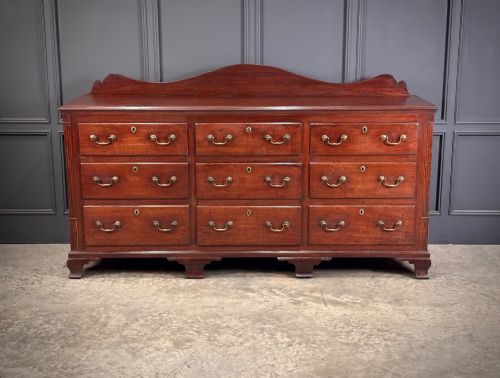
When searching for antique wooden apothecary, buyers encounter a diverse range of storage forms, from multi-drawer chemist cabinets to portable medical boxes and spice cupboards. The selection spans several centuries, including Georgian and Victorian examples alongside earlier pieces from the seventeen-hundreds.
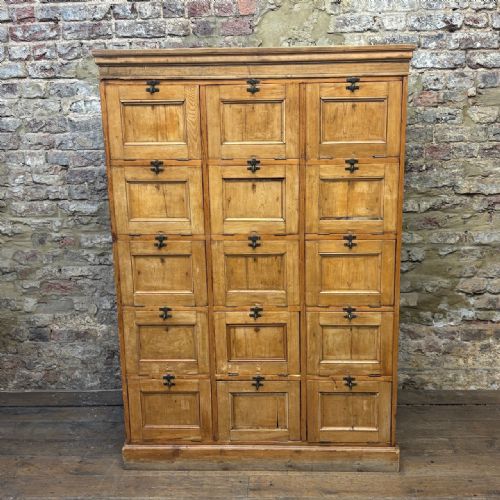
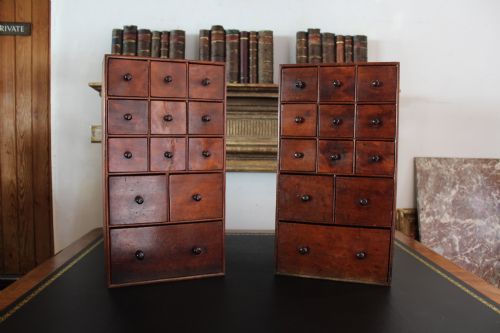
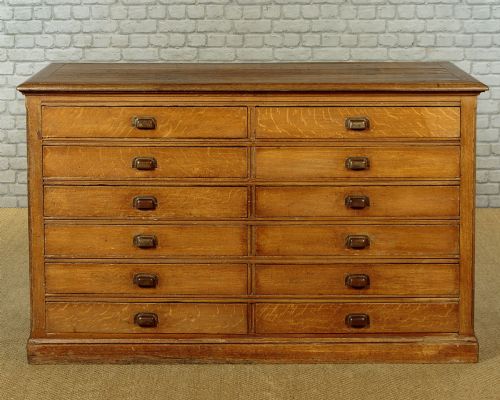
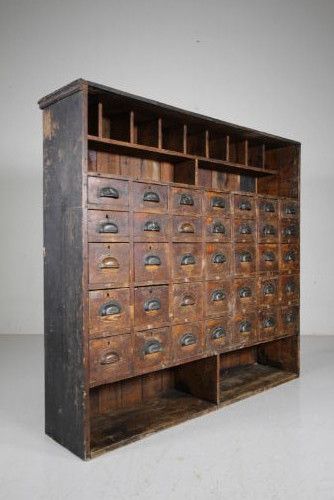
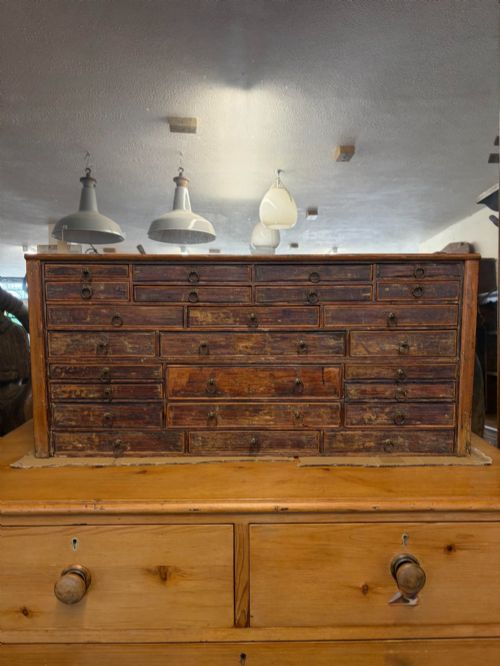
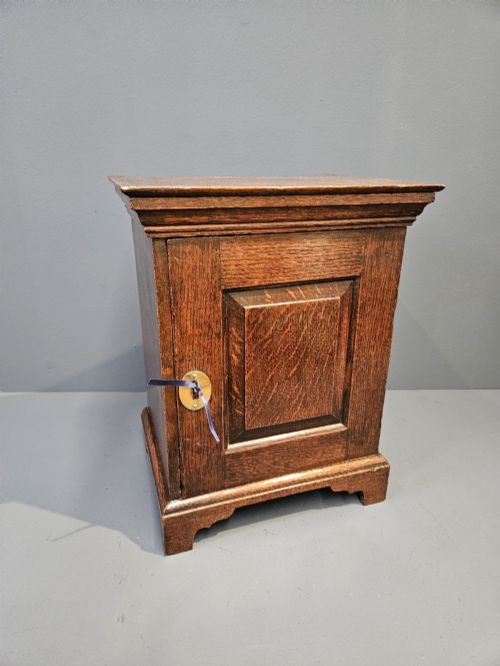
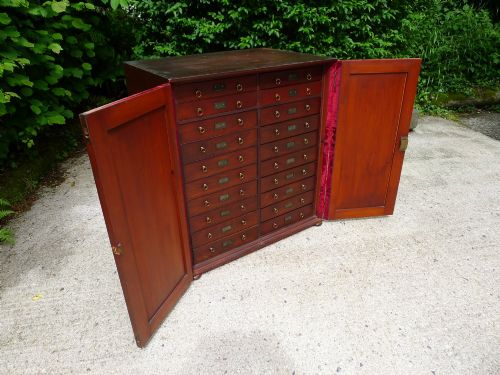
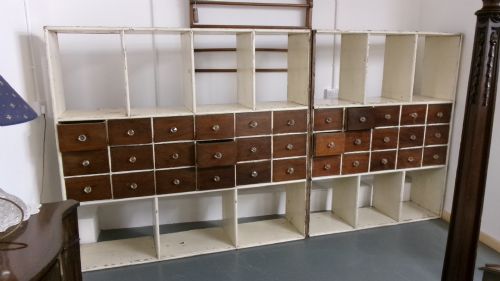
Banks of drawers and specimen cabinets dominate the available objects, often originating from old shops, surgeries, or domestic dispensaries. These practical items range from small portable homeopathic chests to large fifteen-door locker units designed for heavy use.
How they were made
Cabinet makers utilised dense hardwoods such as mahogany, walnut, oak, and teak alongside utilitarian softwoods like pine and deal. Many drawer banks and storage chests rely on robust dovetail joinery to withstand the frequent opening of numerous small compartments.
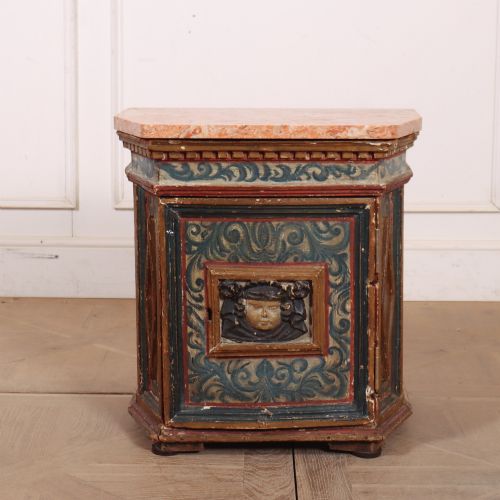
Fittings frequently incorporate brass handles, glass elements, and occasionally wrought iron mounts for added security and structure. Surfaces are finished with polished timber grains, painted treatments, or stained coatings appropriate to their period of origin.
Several items retain their original medicinal contents, offering a tangible link to historical domestic remedies and pharmacy practices.
What varies in quality
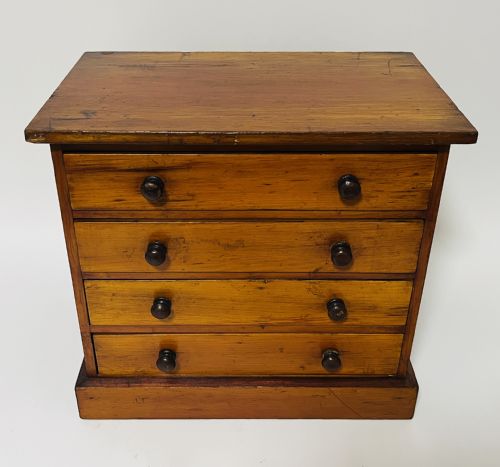
The standard of construction depends largely on the original purpose of the object, distinguishing utilitarian shop fittings from finer domestic collectors cabinets. Superior examples display precise timber selection, intact original hardware, and refined proportions within multi-drawer configurations.
Original painted surfaces or untouched polished timber patination significantly elevate the desirability of these pieces. Retained internal contents, original glass vessels, or documented provenance further separate standard utilitarian items from exceptional survivals.
Luxmore's of Ilfracombe·D Napier & Sons
The Antique Wooden Apothecary Glossary
- Bank of drawers
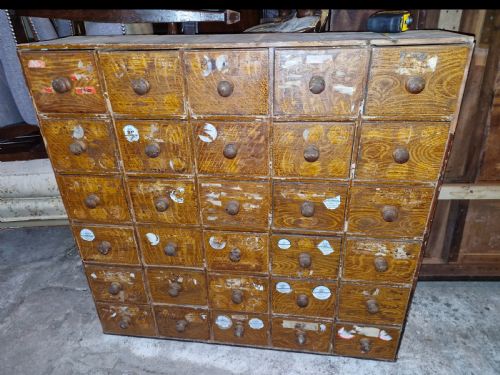
- A modular set of numerous small wooden compartments designed for storing powders, herbs, or specimens. These units formed essential fixtures in traditional pharmacies and laboratories.
- Treen
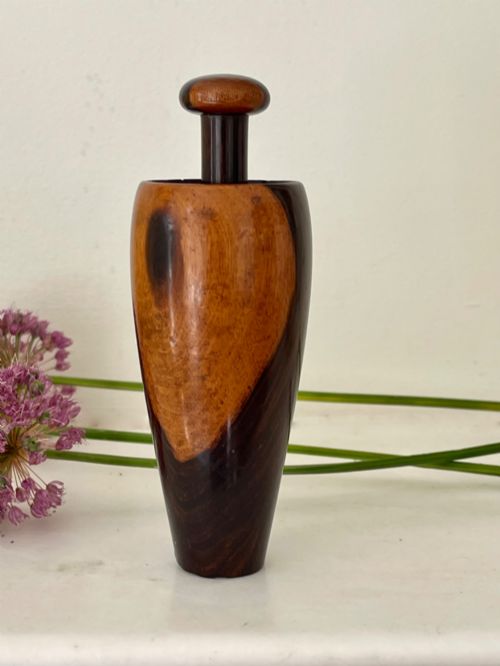
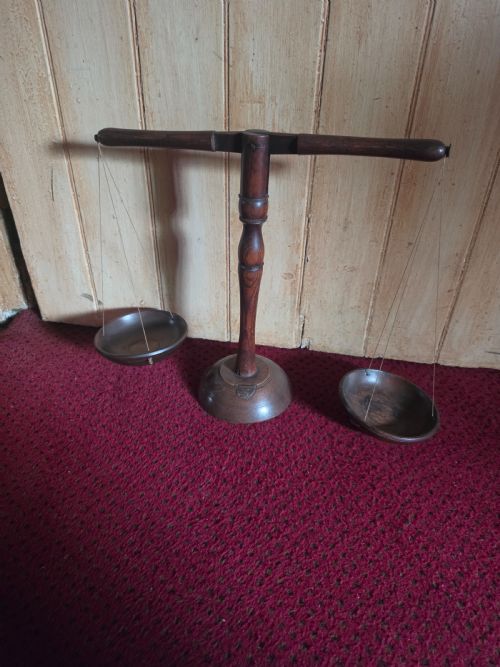
- Small handmade wooden household objects and utilitarian wares turned or carved from a single piece of timber. Lignum vitae and fruitwood feature prominently in these items.
- Apothecary box
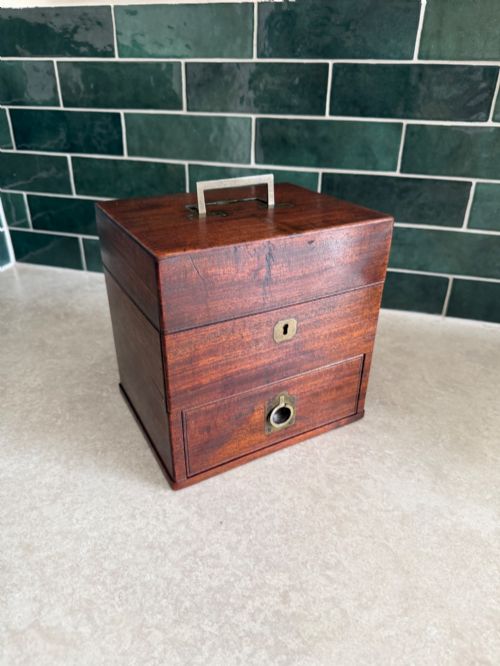
- A portable wooden chest fitted with internal compartments to secure glass bottles, scales, and medical ingredients for travel. Georgian and nineteenth-century examples often retain their fitted interiors.
- Specimen cabinet
- A specialised piece of furniture housing shallow drawers intended for the organisation of natural history collections. These cabinets frequently utilise dense hardwoods to protect delicate contents.
Antique Wooden Apothecary: Frequently Asked Questions
What is an antique apothecary box?
An apothecary box is a portable wooden container designed to hold medical phials, scales, and ingredients securely during travel. These compact chests feature fitted internal compartments for organisation.
Georgian and nineteenth-century examples often include glass stoppers and small locking mechanisms. They served physicians, travellers, and households requiring home remedies.
How do I identify a chemist bank of drawers?
Chemist banks of drawers feature numerous small, uniform wooden compartments originally used in pharmacies and apothecary shops. They are constructed from hardwoods or pine to endure heavy daily use.
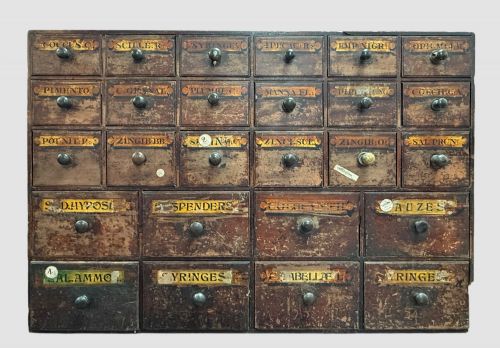
Many retain remnants of paper labels or brass label holders on the drawer fronts. Their scale ranges from domestic spice cupboards to massive multi-drawer shop fittings.
What wood was used for apothecary cabinets?
Cabinet makers utilised a variety of timbers depending on the intended function and status of the piece. Mahogany, walnut, oak, and teak provided durable structures for fine domestic and professional items.
Softer woods like pine and deal appeared frequently in utilitarian shop furniture and large multi-drawer storage units. Surfaces were often polished, stained, or occasionally painted.
How can I date an antique wooden apothecary?
Dating relies on observing construction methods, hardware types, and timber characteristics across different periods. Georgian pieces often display different proportions and joinery compared to later Victorian or Edwardian workshop fittings.
The presence of specific brass pulls, lock mechanisms, and wood types assists in placing an object within the eighteenth or nineteenth century.