


Victorian Glass Storage Jar
These victorian glass storage jar pieces bring authentic nineteenth-century utility and decorative charm into a modern interior.
Victorian Glass Storage Jar
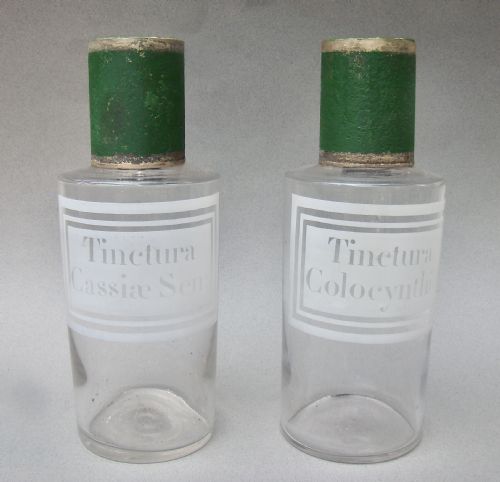
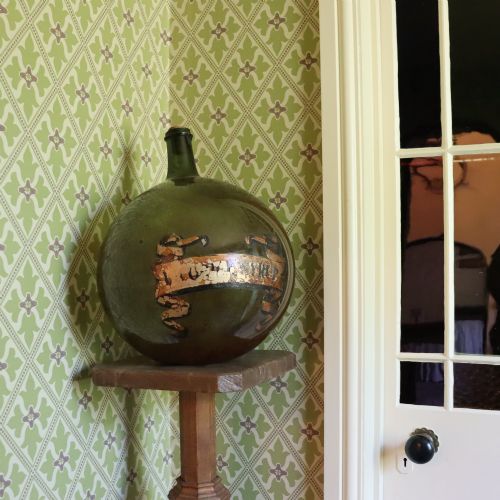
When you search for a victorian glass storage jar, you uncover a distinct category of nineteenth-century containers designed for chemists, apothecaries and domestic larders. The pieces available span apothecary jars, carboys, display vessels, biscuit barrels and trinket boxes from the nineteenth century and the Edwardian period.
You are most likely to encounter large apothecary vessels and lidded biscuit jars in blown glass, often bearing period labels or painted decoration. The selection ranges from French etched examples to English chemist jars intended for shop display or household use.
How they were made
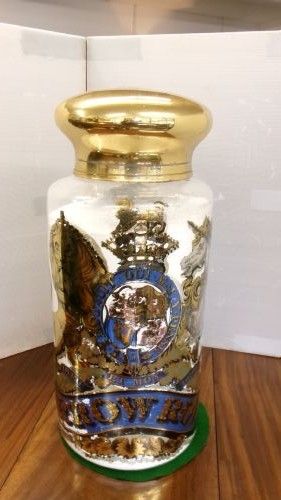
The primary material is blown glass, shaped by hand and occasionally finished with cut details, gold leaf, enamel paint or mercury glass linings. Metal elements such as brass or silver provide fitted tops and mountings for lids and trinket boxes.
Makers utilised techniques like wheel etching and hand painting to apply text and decorative motifs directly onto the glass surface. These applied finishes transform utilitarian storage containers into decorative objects.
What varies in quality
Quality rests in the weight and clarity of the blown glass, alongside the crispness of any wheel-cut detailing or hand-applied enamel work. Heavier vessels with well-preserved gold leaf or original lids command attention.
The finesse of the painted or etched lettering on apothecary vessels determines visual success. Finer pieces display precise craftsmanship in both the glass body and any metal mountings.
The Victorian Glass Storage Jar Glossary
- Apothecary jar
- A vessel originally used by chemists to store herbs, medicines or dry drugs. These jars typically feature wide mouths and fitted glass covers.
- Biscuit barrel
- A domestic container designed for storing dry biscuits on the dining table or sideboard. Examples often incorporate painted enamel decoration and metal lids.
- Carboy
- A large, bulbous glass vessel used for holding liquids or chemicals in bulk. They are recognised by their substantial size and narrow necks.
- Mercury glass
- A type of blown double-walled glass silvered on the inside with a liquid mercury mixture. This technique creates a reflective, mirror-like finish.
- Gold leaf
- Hammered gold beaten into extremely thin sheets used for gilding text or decoration. It appears on the surfaces of select nineteenth-century display vessels.
Victorian Glass Storage Jar: Frequently Asked Questions
What were apothecary jars originally used for?
These vessels held medicinal herbs, dry chemicals and preparations in nineteenth-century chemists and pharmacies. Pharmacists relied on them for secure, airtight storage.
Larger carboys held liquids in bulk behind the shop counter, while smaller jars displayed specific remedies to customers.
How do I clean a vintage glass storage jar?
Wash the glass gently in warm water using mild soap and a soft cloth. Avoid harsh scrubbing on painted or gilded surfaces.
Take care around original metal mountings and mercury glass interiors to preserve the antique finish.
Are these jars safe for food use?
Most antique jars suit dry storage or decorative display rather than modern food preservation. Historic glass and old painted finishes can react with certain contents.
Examine the interior condition and any applied enamel before storing edible items.
How do I date a nineteenth-century glass jar?
Examine the pontil mark on the base, the weight of the blown glass and the style of any painted or etched lettering. Nineteenth-century pieces often show characteristic bubbles and irregularities in the material.
Matching the form to known apothecary and biscuit barrel styles helps narrow the decade of production.