



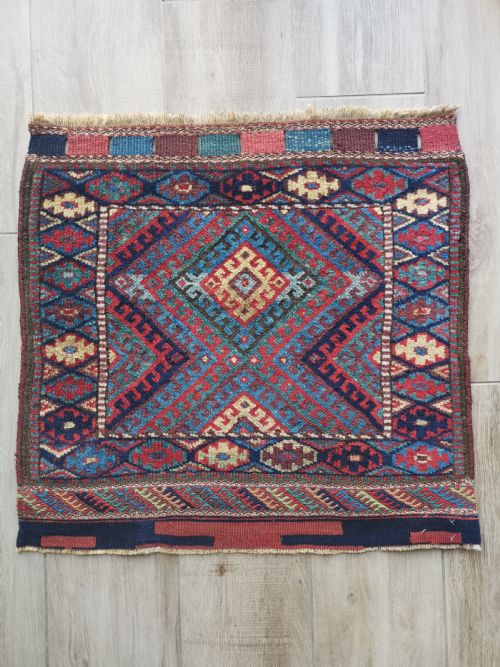
Antique Persian Wall Hanging
An antique persian wall hanging brings rich nomadic heritage into a room through textiles made by tribal weavers across nineteenth and early twentieth century Persia.
Antique Persian Wall Hanging
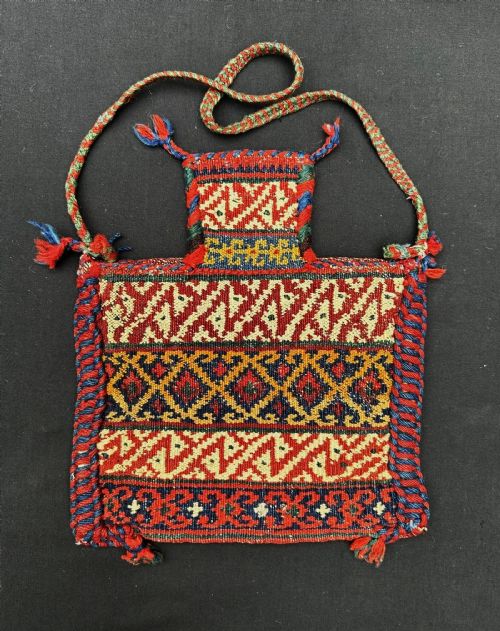
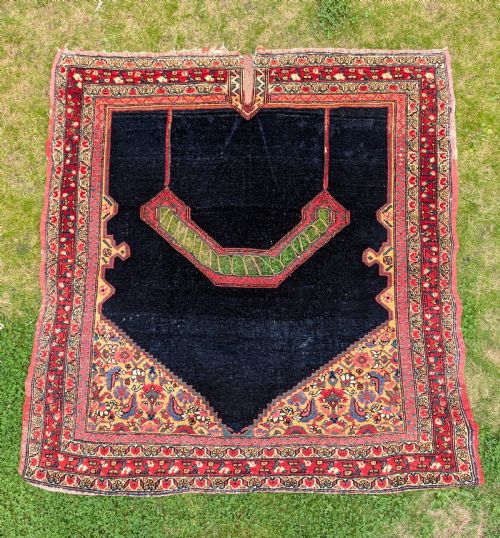
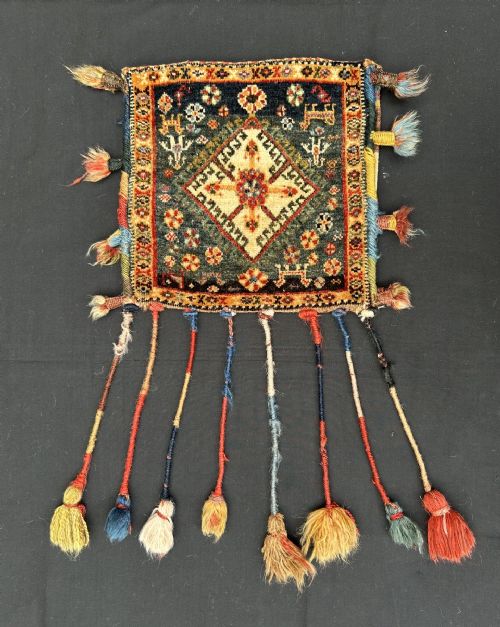
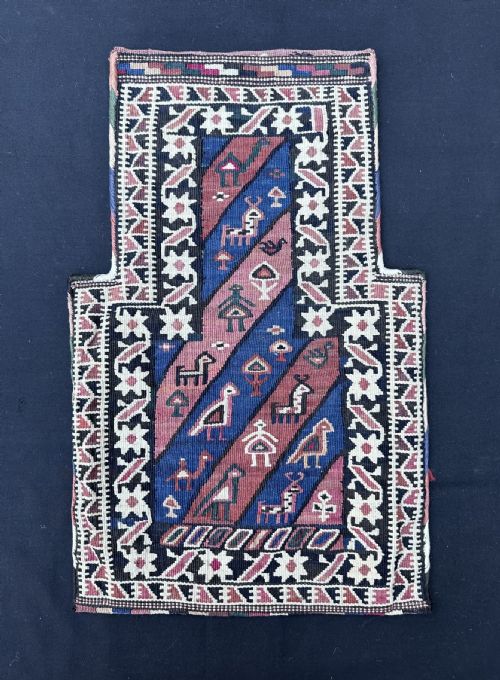
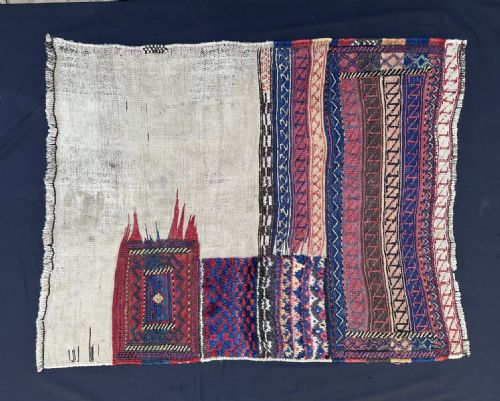
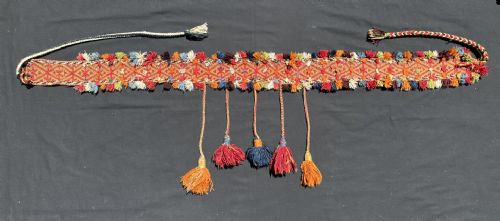
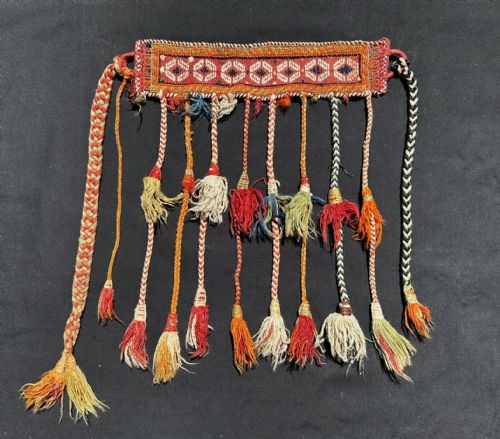
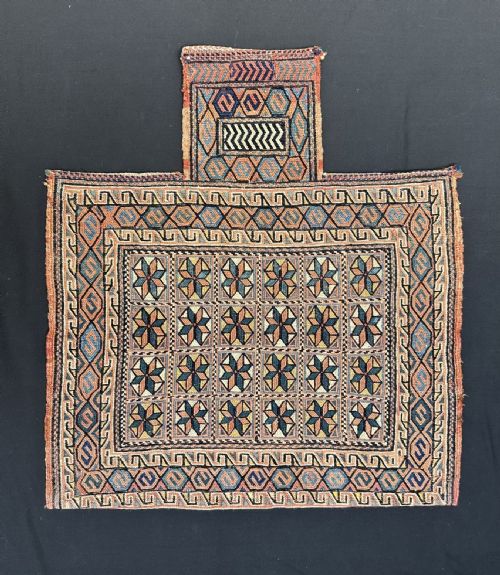
When you search for an antique persian wall hanging, you encounter tribal weavings, flatweaves, and embroidered panels originally created for daily nomadic life. These functional objects range from saddle covers and salt bags to Rasht embroidery panels, which transition naturally into decorative wall art today.
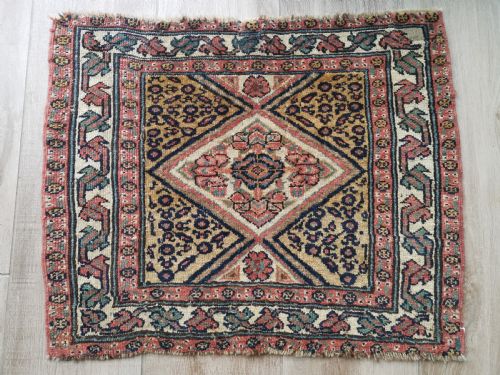
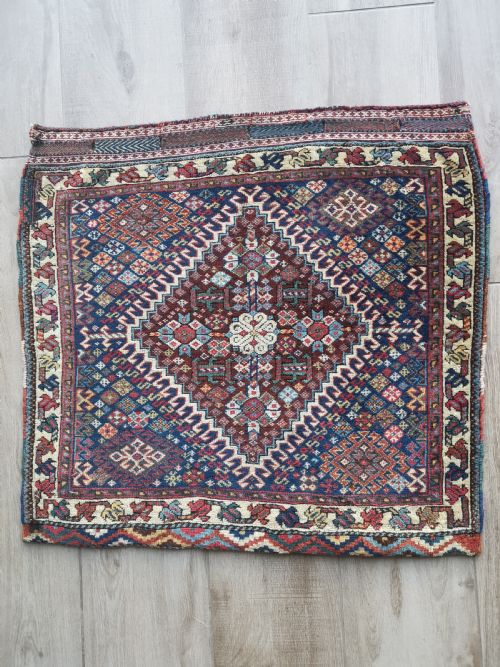
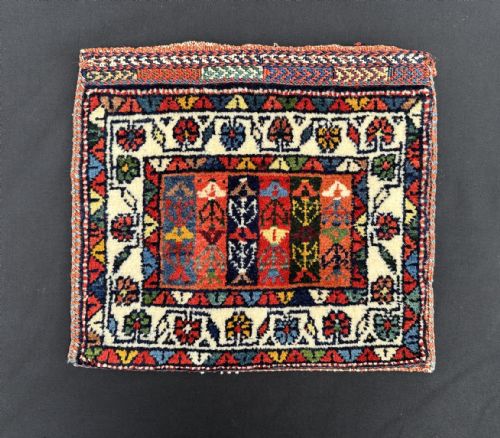
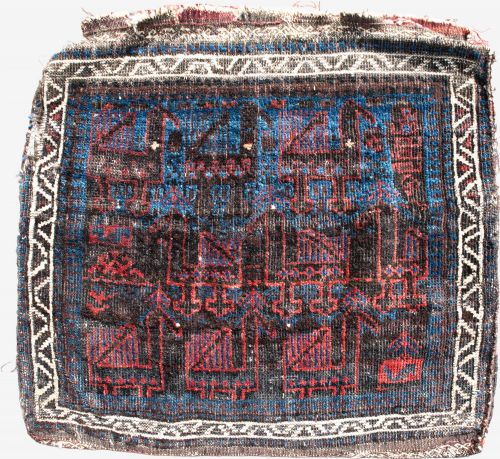
The selection on this page draws heavily from nineteenth and early twentieth-century tribal workshops, particularly Qashqa'i, Afshar, Shahsevan, and Baluch groups. You find both pile-woven bag faces and intricate wool-and-silk appliqués designed to be mounted and admired.
Rather than formal court carpets, these pieces reflect regional village aesthetics through geometric medallions, animal motifs, and tribal symbolism. Their modest domestic scale suits them particularly well for hanging in modern interiors.
How they were made
Weavers utilised hand-spun wool and cotton foundations, dyed with natural pigments derived from plants and minerals to build deep, enduring colour palettes. Silk appears frequently in fine embroidery work, applied directly to heavy wool felt or woven grounds.
Techniques varied from sumac and pile weaving on nomadic bags to complex needlework and applique on Rasht panels. Makers employed sturdy structural weaves to ensure these utilitarian items survived decades of hard domestic use.
Antique Persian Wall Hanging Retail Price Guide 2026
Typical asking prices for persian wall hanging among the pieces listed under this phrase on Sellingantiques today, from the lower quarter to the upper quarter. They describe what is for sale here now, not the wider market.
What varies in quality
Quality rests on the tightness of the weave, the clarity of the natural dyes, and the precision of the tribal iconography. Pieces featuring complex knotting or meticulous applique needlework represent the upper tier of craftsmanship.
Condition and completeness also drive the distinction between average examples and exceptional survivals. Intact borders, vibrant undisturbed dye lots, and original structural integrity elevate a textile from a simple fragment to a collector piece.
The Antique Persian Wall Hanging Glossary
- Sofreh
- A flatwoven spread or cloth used for dining or kneading bread within nomadic households. These textiles often feature striking geometric fields.
- Chanteh
- A small traditional vanity bag or personal carrier woven by tribal women. Collectors prize them for concentrated pattern work.
- Sumac
- A warp-wrapping technique that produces a durable, textured flatweave without a pile. It allows for crisp diagonal lines in tribal designs.
- Rasht embroidery
- A traditional form of Persian needlework originating from Gilan province. It uses colourful silk threads applied to heavy felt backings in intricate floral patterns.
- Khorjin
- A pair of saddlebags designed for transport on pack animals. Surviving bag faces are often repurposed as wall hangings.
Antique Persian Wall Hanging: Frequently Asked Questions
How do I hang a textile safely?
Mount your textile using a non-damaging sleeve or velcro attachment method sewn along the reverse top edge. This distributes the weight evenly across a concealed wooden batten without piercing the historic fabric.
Avoid direct nails or clips that concentrate stress on single points of wool or cotton. Ensure the piece hangs away from direct sunlight to protect natural dyes from fading over time.
Are these textiles authentic tribal work?
The pieces reflect genuine nomadic production from specific regional confederacies such as the Qashqa'i, Afshar, and Shahsevan. Materials like hand-spun wool and natural dyes confirm their historic origins.
Stylistic markers and structural traits tie them securely to nineteenth and early twentieth-century village workshops. Each attribution points to documented tribal weaving traditions.
How should I clean an old textile?
Gentle surface dust removal using a low-suction vacuum through a protective mesh screen is the safest regular maintenance. Professional textile conservators should handle any deeper cleaning to prevent dye bleeding or shrinkage.
Water and standard detergents can permanently damage natural dyes and fragile wool or silk fibres. Keep the environment dry and well-ventilated to prevent moisture accumulation.
What is the difference between a bagface and a sofreh?
A bagface is the decorative front portion of a utilitarian storage sack, woven with concentrated patterns meant to be seen. A sofreh is a larger, flatwoven cloth historically used for food preparation and communal dining.
Both items served vital domestic functions in nomadic tents before entering the collector market. Their distinct formats offer different visual scales for wall display.