


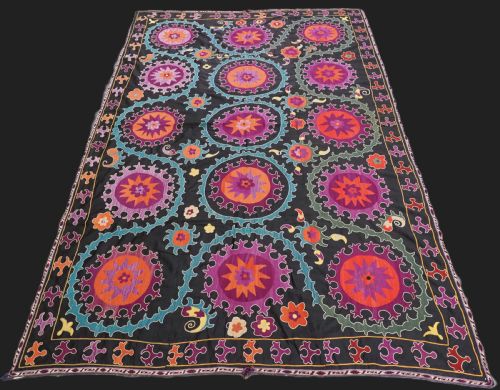

Silk Chain Stitch Textile
These silk chain stitch textile pieces are vibrant central asian and persian embroideries offering rich colour and historic tribal artistry for the home.
Silk Chain Stitch Textile
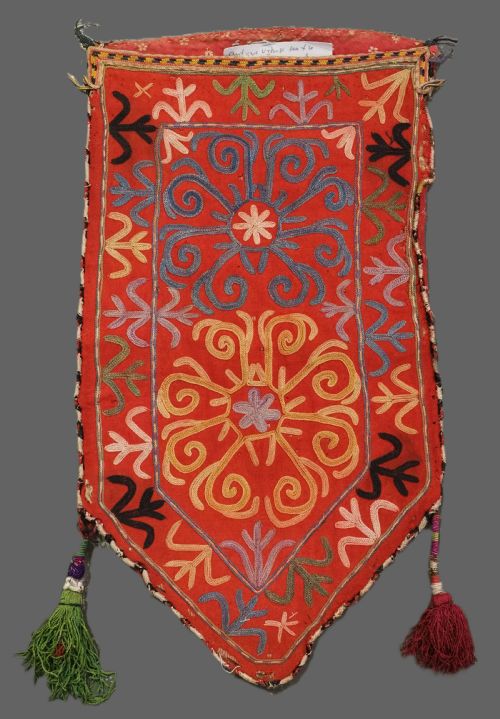
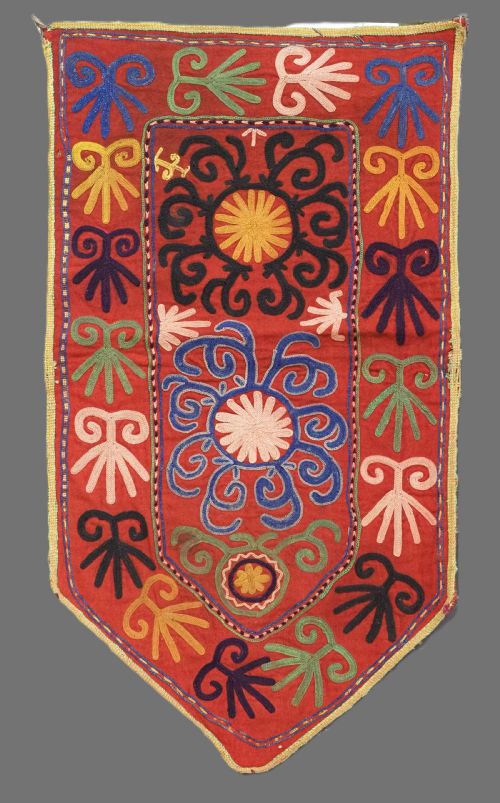
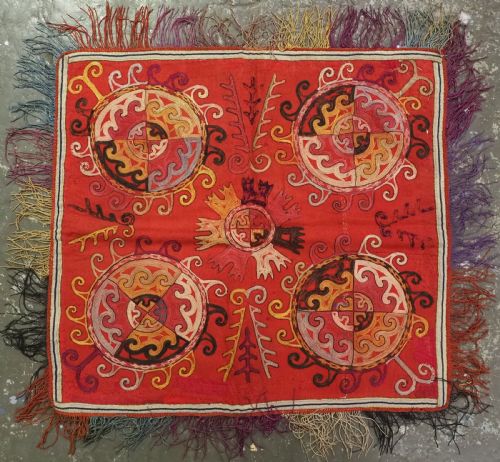
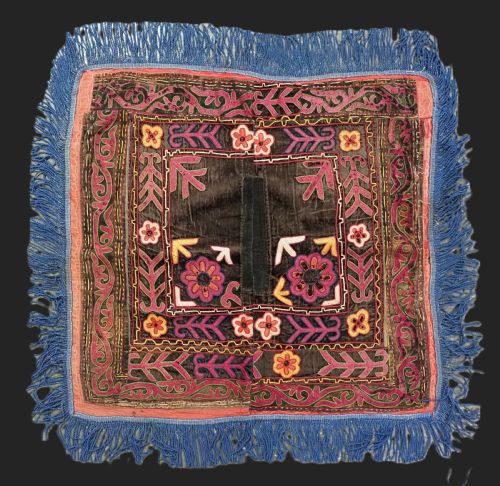
A silk chain stitch textile search reveals distinctive central asian tribal works alongside persian embroideries. Buyers encounter pieces originating from nomadic and regional traditions created during the nineteenth and twentieth centuries.
The most common versions on this page are uzbek lakai tribe ilgich works, dowry embroideries for wall hanging, and persian rasht embroidery panels. These objects function primarily as wall hangings and textile panels.
The aesthetic draws on central asian folk art, qajar motifs, and islamic design influences. Pieces frequently display rich floral medallions and geometric tribal patterns executed with striking visual depth.
How They Were Made
Maker execution relies heavily on silk embroidery threads worked in fine chain stitches across supportive textile grounds. Wool felt, cotton, and velvet serve as the primary foundations for these elaborate needlework compositions.
Applique work frequently supplements the embroidery technique, combining different fabric textures within a single panel. Artisans paired silk thread with wool felt grounds, black cotton grounds, and red grounds to build contrast.
dowry embroideries made by uzbek brides brought secret wishes for happiness straight into the family yurt.
What Varies in Quality
Distinction across the range rests on the precision and density of the chain stitch embroidery work. Tighter, finer needlework creates sharper pattern definition and richer surface texture.
The complexity of the regional design, such as intricate floral medallions versus simpler motifs, elevates the visual interest of the panel. Material selection, including the preservation of the felt or cotton ground, also determines the overall visual weight.
The Silk Chain Stitch Textile Glossary
- Ilgich
- A central asian hanging embroidery traditionally made as part of a bride's dowry. These pieces were hung in the yurt or home.
- Lakai
- A subgroup of uzbek people known for bold, dynamic geometric embroidery. Their tribal works often feature lively applique and varied silk thread colours.
- Rasht embroidery
- A traditional persian technique involving detailed chain stitch needlework on a wool felt ground. These textiles often showcase refined floral motifs and medallion layouts.
- Suzani
- A large embroidered textile originating from central asia, typically worked in silk on a cotton or linen ground. They display vibrant botanical and geometric designs.
- Chain stitch
- A looping embroidery technique that forms a chain-like pattern, prized for creating fluid outlines and rich surface coverage. It defines the primary texture of these regional textiles.
Silk Chain Stitch Textile: Frequently Asked Questions
How were these textiles used originally?
Many of these pieces functioned as dowry items created by brides and their families within tribal communities. They were primarily used as decorative wall hangings inside domestic spaces.
Nomadic and village households displayed them to mark important life events and showcase fine needlework skills. Today, collectors continue this tradition by hanging them on interior walls.
How do I care for a silk chain stitch textile?
Protect antique textiles from direct sunlight to prevent silk threads and wool felt grounds from fading over time. Keep them in stable environments away from high humidity and dust.
Mounting the textile professionally onto a padded, breathable support distributes its weight evenly. Avoid hanging heavy pieces by a single point to prevent strain on the fabric.
How can I tell a persian panel from an uzbek piece?
Persian examples, particularly rasht embroideries, frequently feature wool felt grounds paired with intricate floral medallions and curvilinear qajar motifs. They emphasise fine botanical layouts in their needlework.
Uzbek lakai works tend to showcase bolder geometric shapes, energetic tribal compositions, and distinct applique techniques. Suzani panels from the same region often use cotton grounds with large scale floral patterns.
What periods do these textiles cover?
The available selection spans from the late nineteenth century through the early twentieth century. Key dates recorded in the listings include circa eighteen eighty and nineteen hundred.
Later examples extend into the nineteen thirties, representing continuing regional craft traditions. Each period reflects the specific aesthetic preferences and material availability of its time.