
Antique Persia Area Carpet
An antique persia area carpet brings centuries of textile tradition into a room through rich wool, cotton, and silk work.
Antique Persia Area Carpet
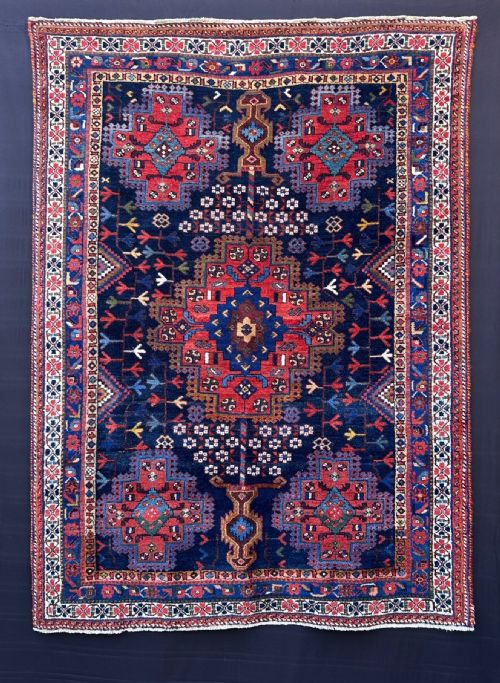
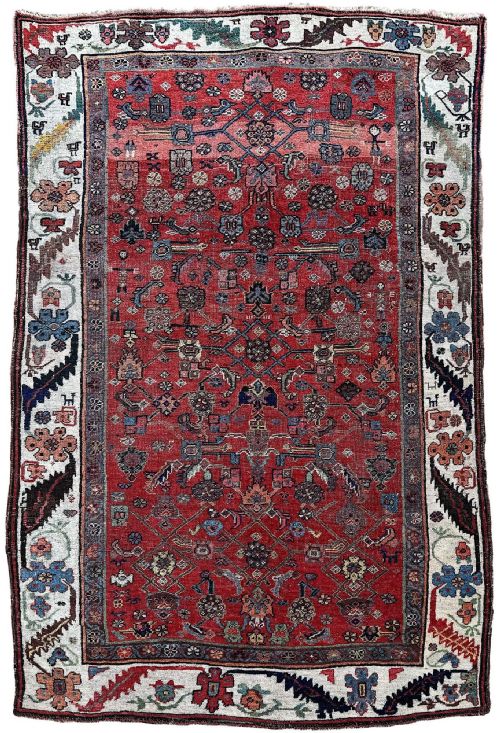
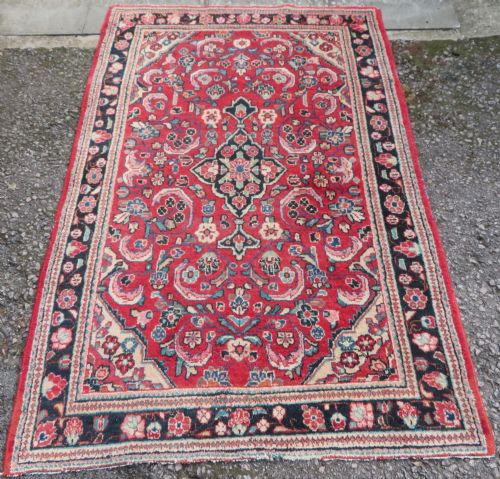
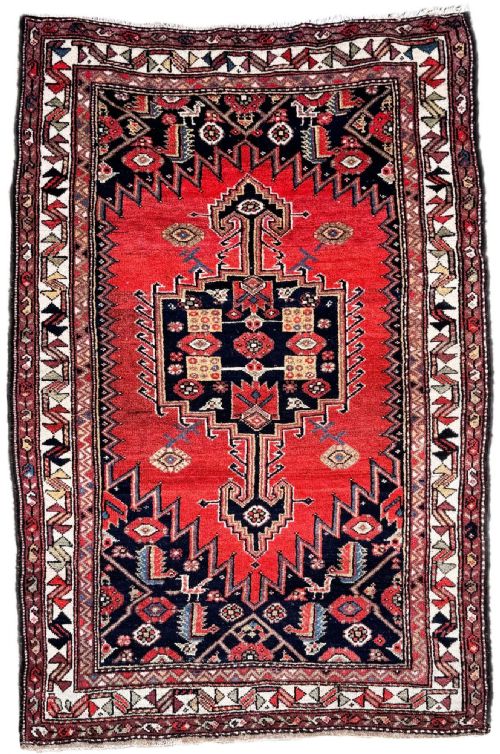
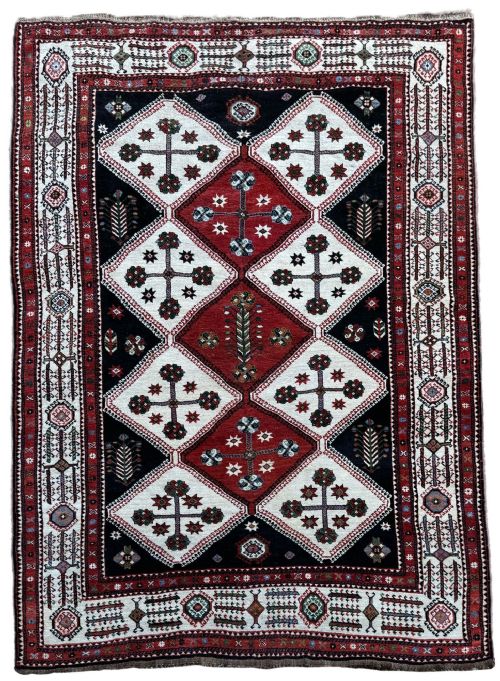
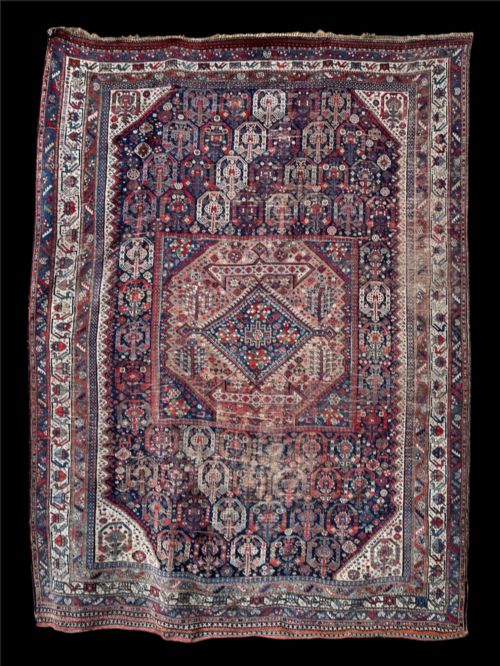
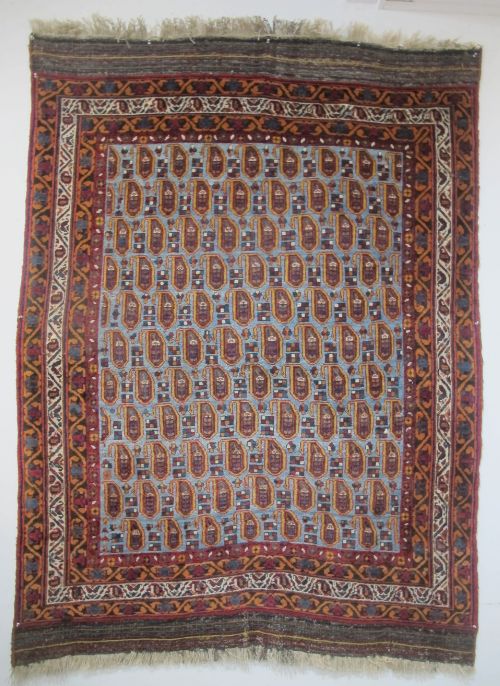
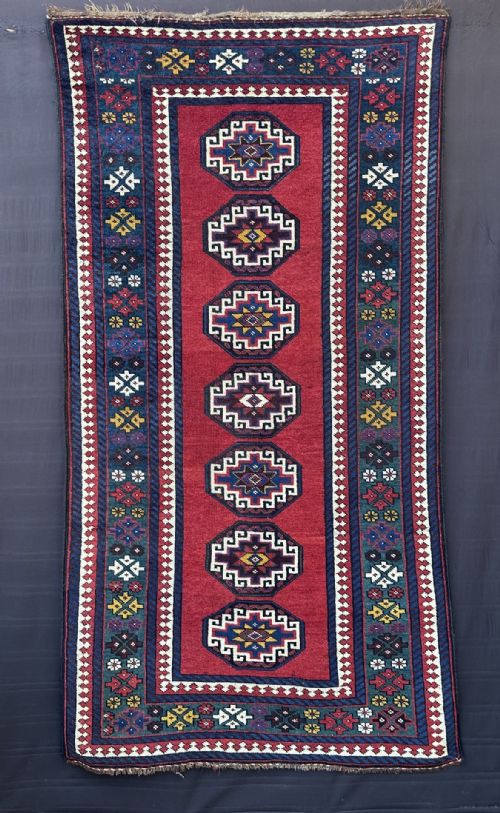
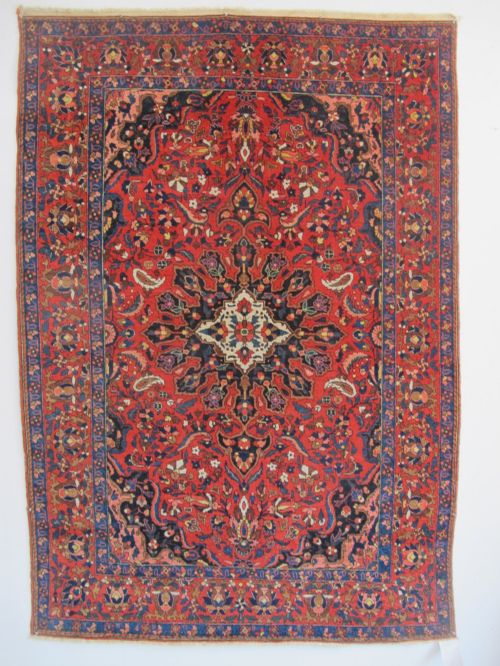
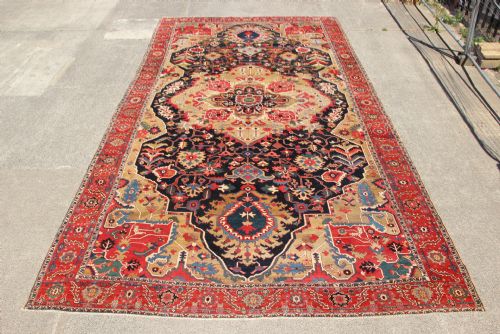
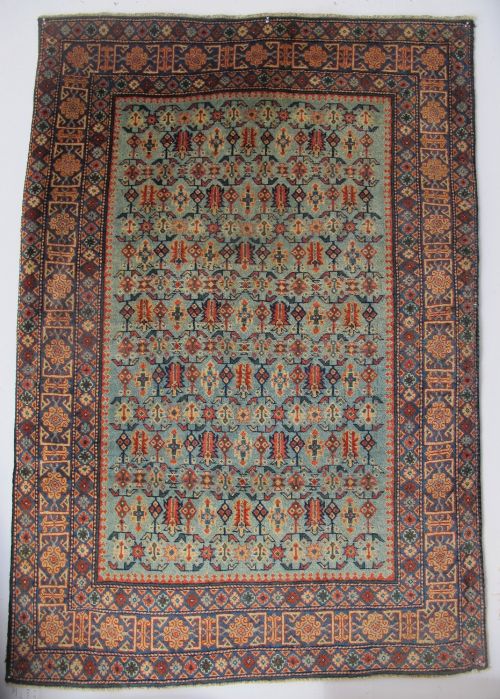
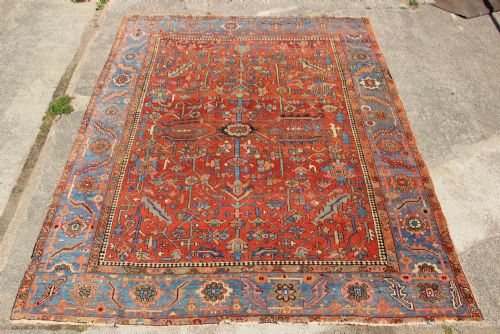
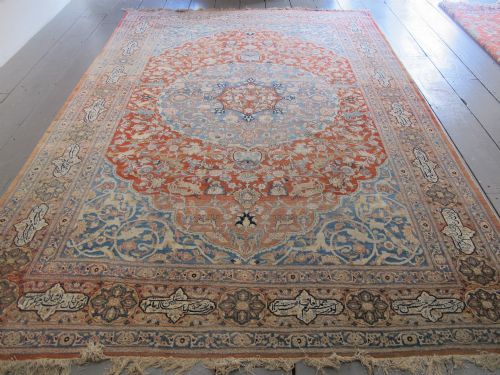
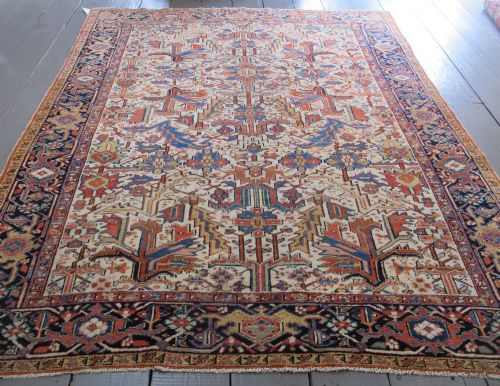
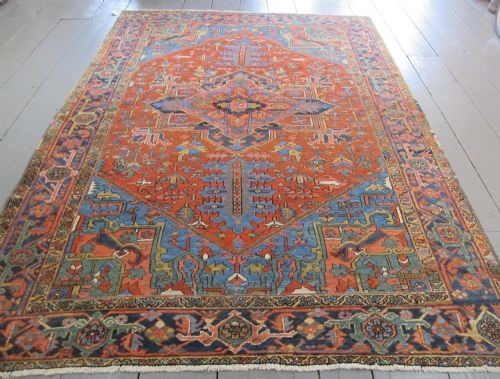
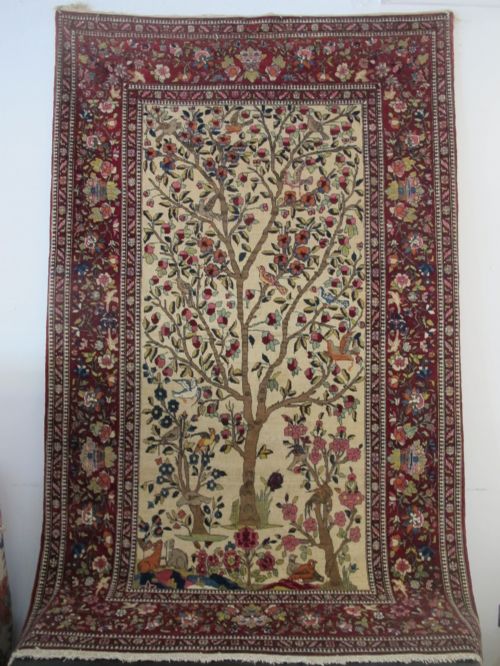
When you search for an antique persia area carpet, you encounter floor coverings woven across various regions including Heriz, Tabriz, Bidjar, and Kerman during the nineteenth and early twentieth centuries. These textiles range from tribal village pieces with geometric motifs to finely knotted city carpets featuring elaborate floral designs. The selections span formats from small scatter rugs to room-sized carpets.
Village and nomadic pieces show direct tribal expressions through local dye palettes and asymmetric designs. City workshops produce structured medallions and balanced borders intended for formal reception spaces. Each piece reflects the specific geography and cultural heritage of its Persian origin.
How They Were Made
Weavers constructed these carpets using wool, cotton, and occasionally silk foundations and pile. Wool provides the durable surface yarn, while cotton or wool often forms the warp and weft threads.
Manual knotting defines the structure, paired with natural dyestuffs applied to local fibres. The density of the knots and the preparation of the yarn dictate the weight and flexibility of each finished textile.
The listings feature pieces utilising wool, cotton, and silk, spanning the nineteenth and early twentieth centuries.
What Varies in Quality
The precision of the knotting and the complexity of the design layout distinguish regional examples. Finer pieces demonstrate strict symmetry, intricate curvilinear drawing, and tightly packed foundations.
The condition of the pile and the integrity of the original wool or silk influence the longevity of the textile. Subtle variations in tone from natural dye batches add character to the surface without compromising the structural stability.
Haji Jalili·Benlian·Ahmadi
The Antique Persia Area Carpet Glossary
- Warp
- The vertical threads stretched lengthwise on the loom that form the foundation of the carpet. Fringe ends typically originate from these visible parallel cords.
- Weft
- The horizontal threads passed across the warp strands to lock the rows of knots in place. This element contributes to the structural firmness of the weave.
- Pile
- The cut surface yarn that forms the soft upper layer of the carpet. Shorter pile height often reveals finer knot structure beneath.
- Medallion
- A large central ornamental design motif placed in the middle of the field. Many classical Persian workshop carpets use this layout to anchor the overall composition.
- Confederation
- A tribal alliance of multiple nomadic groups sharing territorial boundaries. Rugs attributed to these groups often display distinct local motifs and robust wool.
Antique Persia Area Carpet: Frequently Asked Questions
How do I identify a village rug?
Village rugs display geometric patterns, bold colour contrasts, and slightly asymmetric layouts woven on domestic looms. These pieces reflect local traditions rather than strict urban blueprints.
They often feature stylized animals, trees, and tribal symbols unique to specific regions or confederacies.
What is a city carpet?
City carpets originate from organised workshops in major centres like Tabriz, Isfahan, and Kashan. They utilise precise cartographic designs and fine materials.
Master weavers in these workshops planned elaborate floral medallions and curved border systems on professional upright looms.
How should I clean my carpet?
Gentle surface brushing and professional vacuuming without a rotating beater bar help maintain the wool pile. Avoid harsh chemical treatments that strip natural oils from the fibres.
Specialist textile cleaners should handle deeper washing to protect the antique dyes and cotton foundations.
Where were these carpets woven?
Production occurred across diverse geographical zones spanning north-west, central, south, and east Persia. Each area developed characteristic weaving techniques.
Local access to specific sheep breeds and plant dye sources influenced the distinct appearance of each regional workshop or tribe.