


Persian Wool Floor Covering
A persian wool floor covering brings centuries of woven artistry into a room, offering rich colour and deep historical character.
Persian Wool Floor Covering
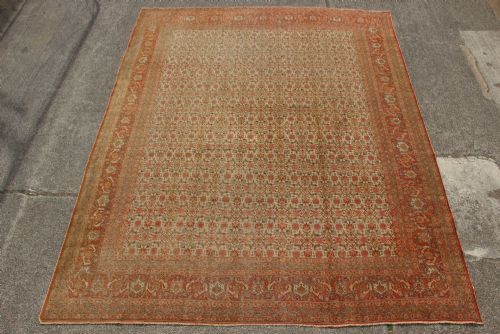
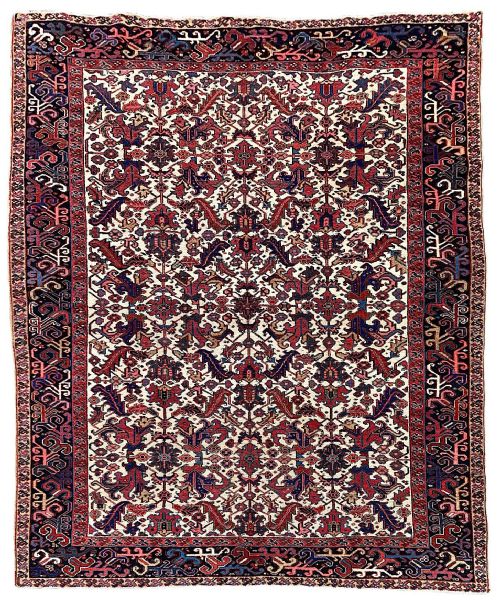
A persian wool floor covering encompasses grand palace carpets and intimate village rugs, shaped by regional traditions across Persia. These textiles range from room-sized carpets down to functional saddlebags and cushions.
The pieces present here date from the nineteenth and early twentieth centuries, capturing traditional designs woven with natural materials. Buyers frequently encounter room-sized carpets alongside smaller tribal rugs and cushion covers.
Regional styles dominate the selection, including Heriz, Tabriz, Isfahan, and Mahal carpets. Each town or tribe brings distinct motifs and colour palettes to the floor.
Materials and construction
These floor coverings rely on natural wool and cotton foundation threads, often incorporating hand-spun wool for pile and structure. Artisans tie dense knots by hand, creating durable textiles designed for daily use.
Weavers utilise traditional looms to construct these pieces, integrating cotton warps and wefts with resilient wool. This combination provides both structural stability and a soft surface underfoot.
Assessing quality and depth
Quality rests upon knot density, the fineness of the wool, and the harmony of the design. Finer town carpets demonstrate intricate floral precision, while tribal pieces rely on bold geometric energy.
The integrity of the foundation and the preservation of the original borders dictate the status of a carpet. Uniform wear across the wool pile indicates enduring materials and careful historical maintenance.
Benlian·Mokhtashem
The Persian Wool Floor Covering Glossary
- Carpet
- A large floor textile, typically exceeding standard rug dimensions, designed to anchor a room. These substantial pieces often feature elaborate central medallions and detailed border guards.
- Saddlebag
- A utilitarian bag woven by nomadic weavers for transport, frequently separated into individual bag faces for decorative display. They display compressed tribal iconography in miniature.
- Hand-spun wool
- Yarn spun by hand rather than factory machinery, retaining natural lanolin variations and irregular thickness. This material takes dye with subtle tonal shifts.
- Tribal rug
- A piece woven by nomadic or village groups rather than urban workshops, featuring expressive geometric patterns and memory-based designs. These textiles reflect regional folklore.
- Foundation
- The underlying structure of warps and wefts that holds the pile knots in place. Cotton is common in town carpets for stability.
Persian Wool Floor Covering: Frequently Asked Questions
Where should I place a room size carpet?
Large carpets anchor principal reception rooms, dining spaces, or libraries by defining the seating arrangement. They handle moderate foot traffic well when placed over a quality underlay.
Direct, harsh sunlight fades natural dyes over time, so positioning away from intense windows preserves the colour palette.
How do I identify a tribal rug?
Tribal pieces display asymmetric geometric motifs, animals, and tribal symbols rather than formal floral court designs. The weaving often incorporates hand-spun wool with charming irregularities.
Nomadic pieces such as saddlebag faces or smaller village formats reveal spontaneous designs created outside urban workshop traditions.
What underlay should I use?
A breathable, rubberised mesh underlay prevents the rug from slipping on hardwood or carpeted floors. It also cushions the wool pile against friction from below.
Choose materials that allow air circulation to protect the cotton and wool foundation from trapped moisture.