

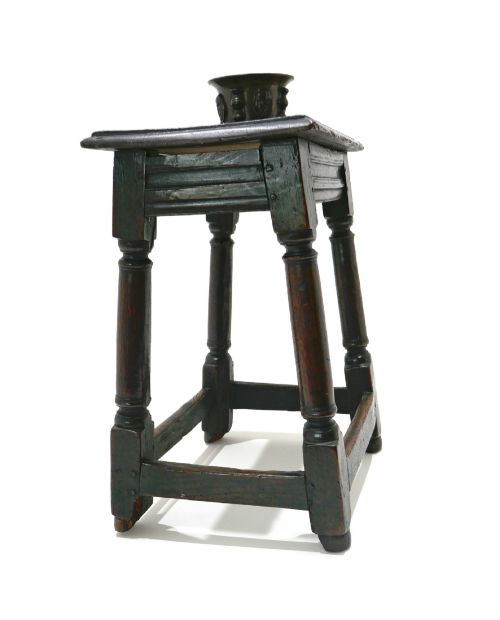
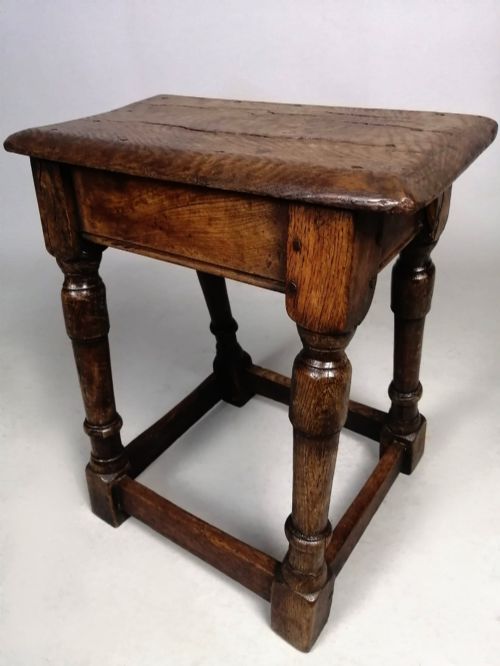
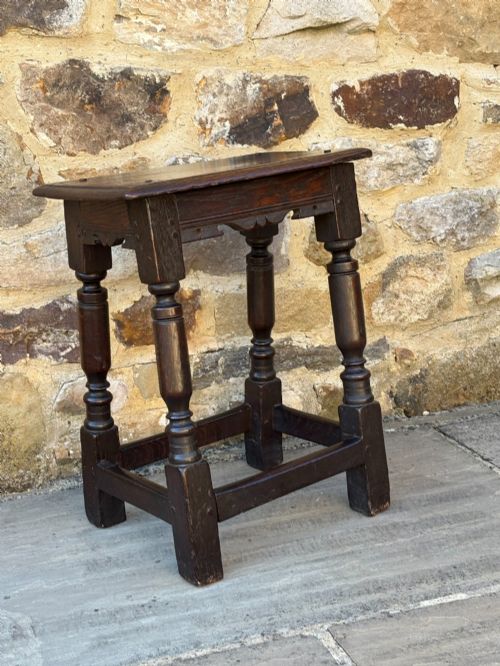
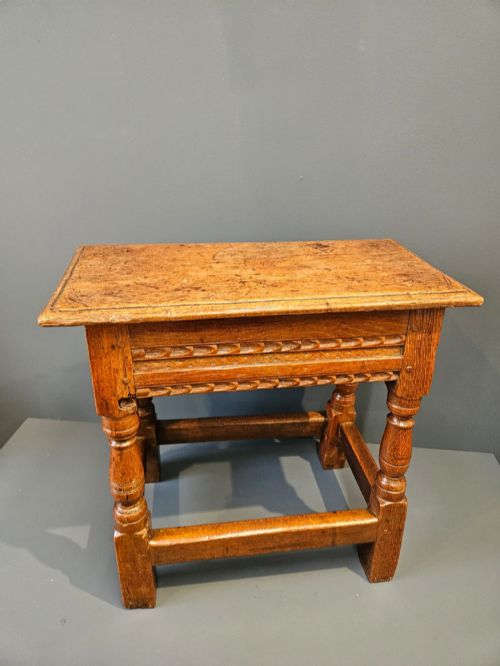

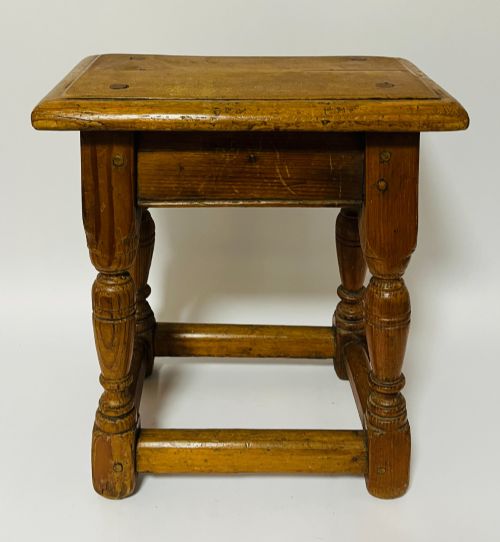
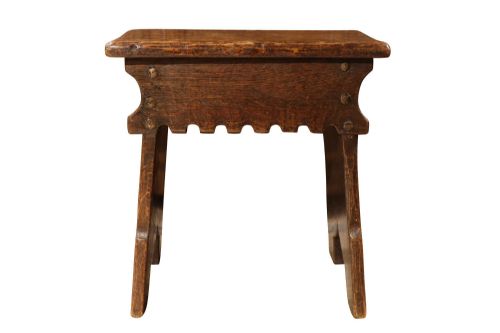

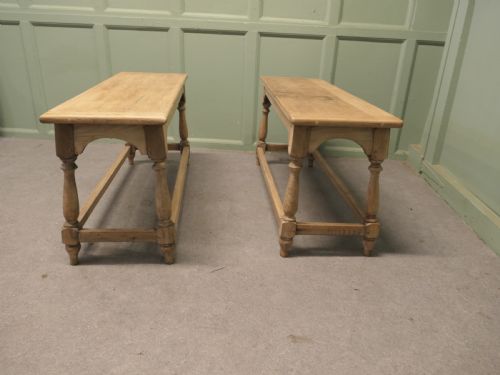


Antique Peg Joint Stool
An antique peg joint stool brings solid timber construction and centuries of utilitarian history straight into a room.
Antique Peg Joint Stool
When you search for an antique peg joint stool, you encounter robust seating built to withstand daily use. The pieces listed here span centuries, reaching from the seventeenth century through the Georgian and Edwardian eras up to the early twentieth century.
Most examples appear in oak, English oak, or pine, sometimes with bleached finishes. Forms range from traditional joint stools and square joint stools to benches and five-plank variants utilising pegged construction.
Jacobean and rustic country styles dominate the selection. Buyers regularly find seventeenth-century examples alongside revival pieces from nineteen hundred and nineteen ten that replicate earlier forms.
How they were made
Maker construction relies heavily on solid timber, with oak and pine forming the structural backbone of these seats. Pegged construction secures the joints tightly without relying on modern metal fasteners.
Plank thickness and sturdy framing define the build quality of these stools and benches. Carpenters shaped English oak and pine into heavy frames designed for permanence.
Antique Peg Joint Stool Retail Price Guide 2026
Typical asking prices for peg joint stool among the pieces listed under this phrase on Sellingantiques today, from the lower quarter to the upper quarter. They describe what is for sale here now, not the wider market.
Listings range from seventeenth-century originals to twentieth-century revivals, utilising oak, pine, and pegged construction techniques.
What varies in quality
The distinction between standard examples and superior pieces rests on the integrity of the timber and the honesty of the construction. Seventeenth-century originals demonstrate hand-cut joinery that differs noticeably from later twentieth-century revivals.
Surface character and the retention of original pegged joints determine the overall appeal of a piece. Selecting between a rustic farmhouse pine stool and an authentic seventeenth-century oak joint stool depends on the depth of historical material present.
The Antique Peg Joint Stool Glossary
- Joint stool
- A sturdy wooden seat constructed with mortise and tenon joints held together by wooden pegs rather than metal nails. These were common in early homes before upholstered chairs became widespread.
- Pegged construction
- A method of joining wooden components by drilling holes and driving tight wooden pegs through them. This technique provides immense structural strength.
- Jacobean style
- Design associated with the reign of King James the First, characterised by heavy proportions and dark oak. Later revivals continued to use these solid vernacular motifs.
- Bleached oak
- Timber that has undergone a process to lighten its natural dark tone. This finish appears on twentieth-century interpretations of older forms.
- Cracket
- A low wooden stool used in country houses and cottages. Archive pieces show these sharing the robust vernacular construction of joint stools.
Antique Peg Joint Stool: Frequently Asked Questions
What is a joint stool?
A joint stool is a sturdy wooden seat built using tightly fitted mortise and tenon joinery secured with wooden pegs. These pieces provided stable seating in early households.
Unlike chairs, which were reserved for important household members, joint stools served multiple domestic purposes around the home.
How old are these stools?
The selection includes authentic seventeenth-century pieces alongside later revivals from the Georgian period, Edwardian era, and nineteen hundred.
Carpenters continued reproducing seventeenth-century styles well into the twentieth century, meaning construction details help determine exact age.
What wood was used?
Oak, English oak, and pine serve as the primary materials for these stools and benches. Timber choice often reflects the region and period of manufacture.
Some pieces feature bleached oak finishes applied during later twentieth-century interpretations of traditional furniture forms.
How do I use one today?
These stools function effectively as occasional seating, bedside tables, or small display surfaces in living spaces. Their compact proportions allow them to fit into narrow hallways or beside armchairs.
The robust timber construction ensures they easily withstand everyday domestic use.