




Antique Pedimented Mirror
An antique pedimented mirror brings architectural presence to a room, framing reflections with classical crests, carved scrolls and distinguished period timber.
Antique Pedimented Mirror
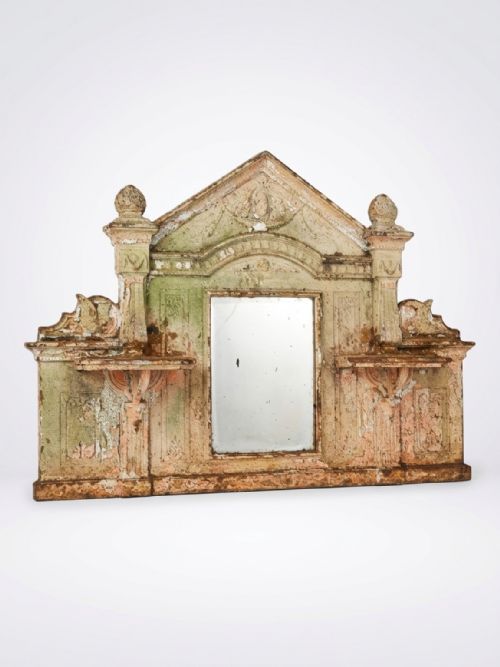
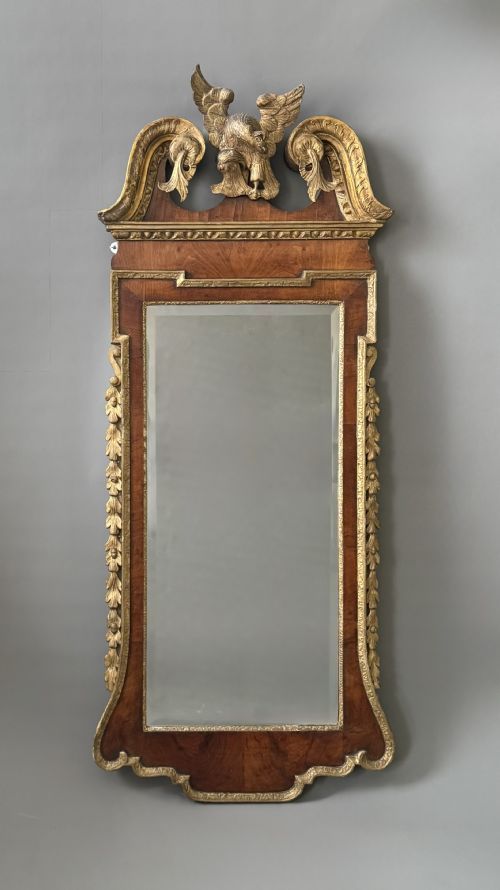
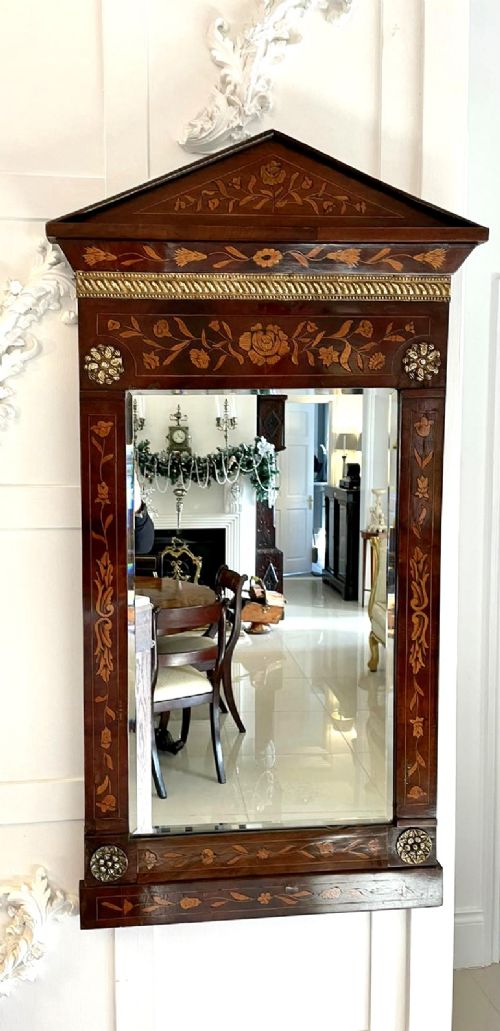
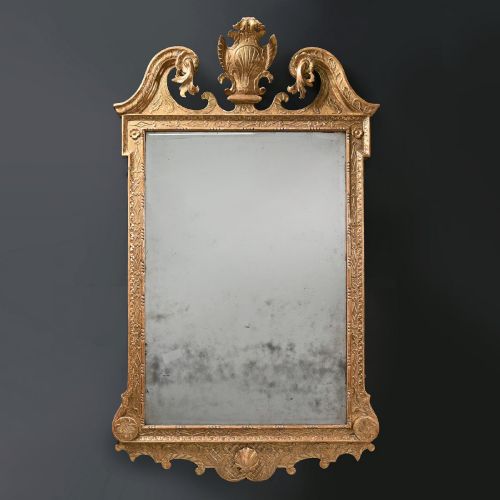
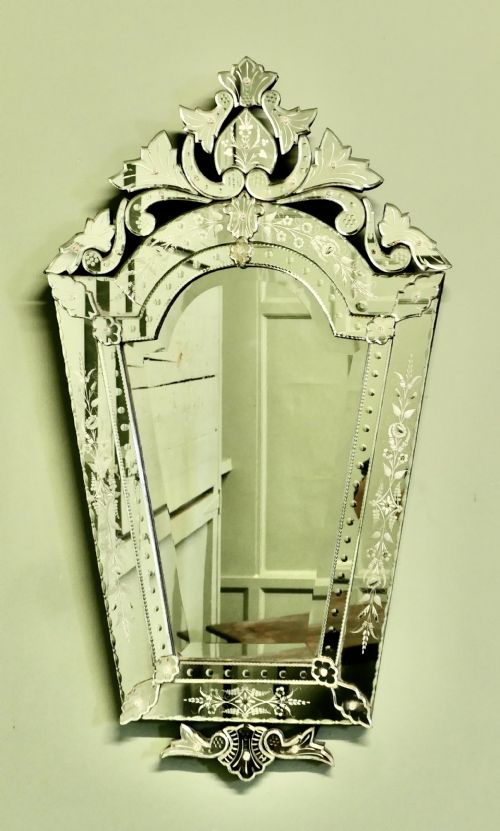
An antique pedimented mirror is a wall hanging or overmantel glass defined by a decorated architectural crown above the frame. Buyers seek these pieces to anchor a room with balanced proportions and historical depth.
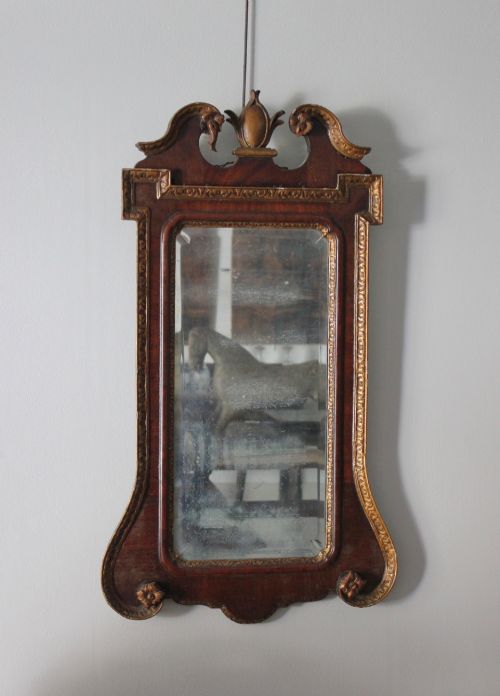
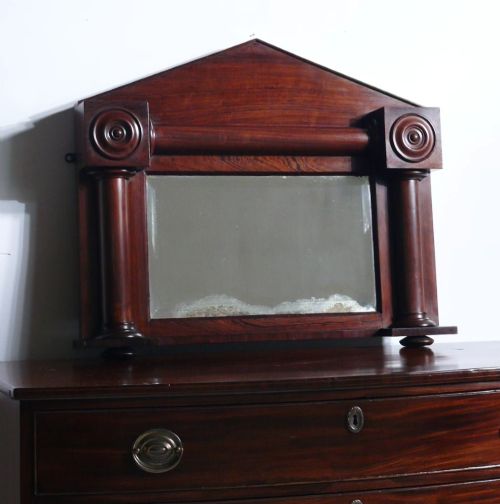
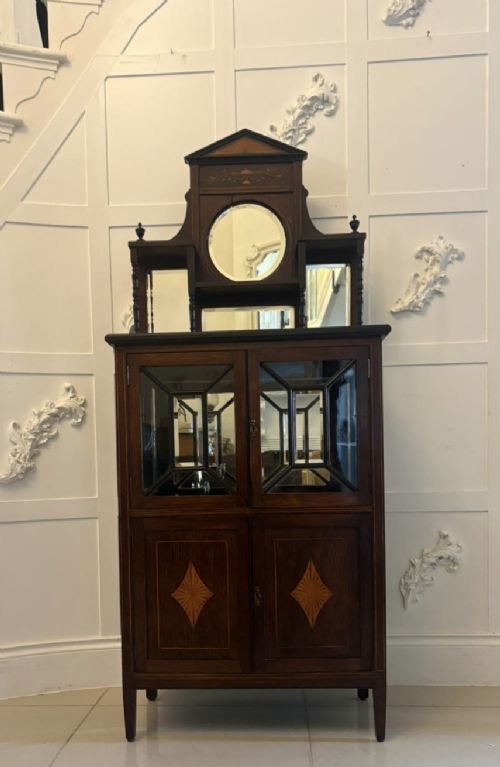
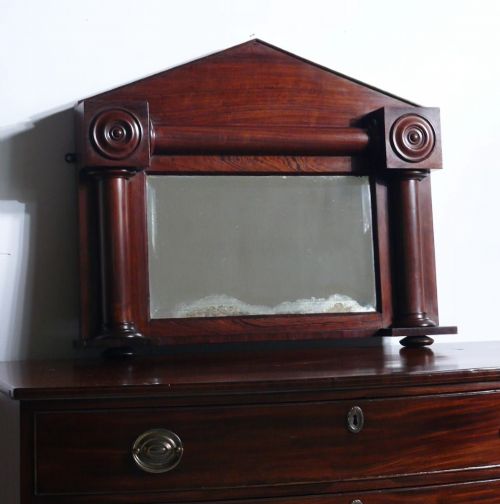
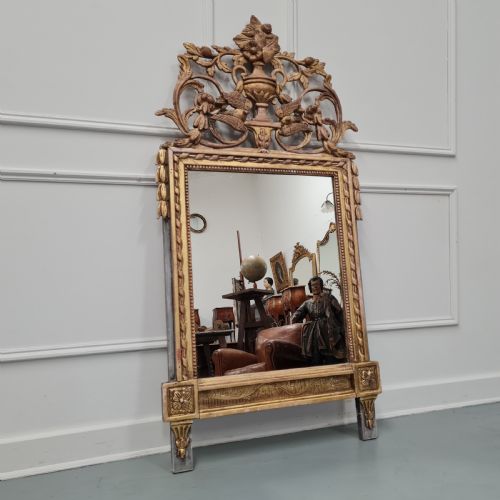
The versions met most frequently on this page span the eighteenth and nineteenth centuries, taking the form of wall mirrors, pier glasses and overmantels. They appear in styles ranging from Georgian walnut and parcel-gilt to Victorian carved mahogany and giltwood.
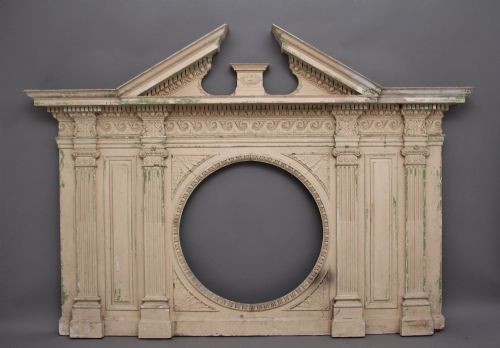
Makers drew on classical architectural vocabulary, topping rectangular or waisted plates with broken pediments, swan necks, cartouches or gilded crests. These frames served grand reception rooms, hallways and parlours, combining utility with visual authority.
How they were made
Carpenters and joiners built the primary frames from dense cabinet timbers such as mahogany, walnut, rosewood, and pine, often applying veneers and intricate inlay. Carvers shaped softwood and hardwood components before applying layers of gesso to receive water gilding or paint.
Glass plates were bevelled or cast by hand, resulting in subtle surface variations and depth that distinguish historic mirrors from modern replacements. Backboards consist of heavy pine or deal panels held by hand-cut nails or old wood screws, protecting the silvering.
Listings feature walnut, mahogany, and giltwood frames spanning the eighteenth, nineteenth, and early twentieth centuries.
What varies in quality
Quality rests upon the crispness of the hand-carved ornament and the proportion of the pediment relative to the glass plate below. Superior examples display deep, sharp undercut carving in the giltwood or timber, whereas lesser pieces rely on shallow moulding and coarse assembly.
The retention of the original mirror plate and undisturbed backboards determines the integrity of a piece. Finer mirrors maintain their original gilding or polish without excessive restoration, preserving the natural softening of edges that occurs over centuries.
The Antique Pedimented Mirror Glossary
- Pediment
- An architectural crowning feature above the mirror frame, often triangular, swan-necked, or broken. It gives the glass an imposing, temple-like silhouette.
- Gesso
- A plaster mixture applied to carved wood frames as a smooth base for gold leaf or paint. Skilled artisans built up this layer to achieve sharp relief before gilding.
- Parcel-gilt
- A decorative treatment where selected areas of a wood frame are highlighted with gold leaf while the underlying grain remains visible. This technique combined the warmth of walnut or mahogany with the brilliance of gold.
- Pier glass
- A tall, narrow mirror designed to hang on the wall space between windows. These pieces maximised natural light in period reception rooms.
- Overmantel
- A wide mirror specifically proportioned to hang above a fireplace mantelpiece. They frequently incorporate decorative crests and landscape formats.
Antique Pedimented Mirror: Frequently Asked Questions
Where should I hang a pedimented mirror?
These mirrors suit principal reception rooms, dining areas, and entrance halls where their architectural crests can be viewed without obstruction. Placing them above a sideboard or fireplace creates a traditional focal point.
Ensure the wall structure can support the weight, particularly for larger giltwood and mahogany examples with heavy glass plates and timber frames.
How do I care for antique mirror glass?
Clean the glass sparingly using a soft, dry microfiber cloth to remove dust. Avoid spraying liquid directly onto the surface, as moisture can seep behind the frame and damage the historic silvering.
Keep the mirror away from direct sunlight and damp environments to protect the original gesso, giltwood, and timber veneers from warping or cracking.
Are the mirror plates original?
Many surviving examples retain their original hand-silvered glass, which often exhibits characteristic foxing, light clouding, and minor distortion. These subtle imperfections confirm the age and authenticity of the piece.
Some mirrors received replacement glass plates during their working life when the original silvering degraded beyond practical use.
How do I distinguish George II style from original 18th-century pieces?
Original eighteenth-century mirrors exhibit period construction methods, including hand-cut joinery, older secondary timbers on the reverse, and authentic wear to the gilding or polish. Style revivals from the nineteenth and twentieth centuries often use later machine-cut fixings and standardised framing.
Examining the backboards, screws, and general patination reveals the true age of the construction.