


Antique Pedestal Loo Table
An antique pedestal loo table brings generous surface area and practical tilt-top design to a room.
Antique Pedestal Loo Table
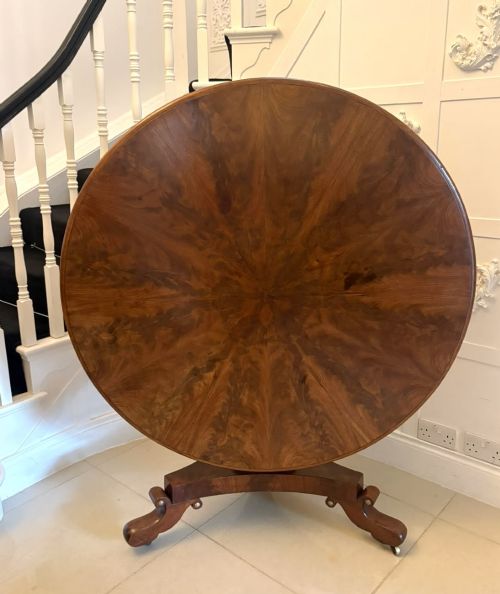
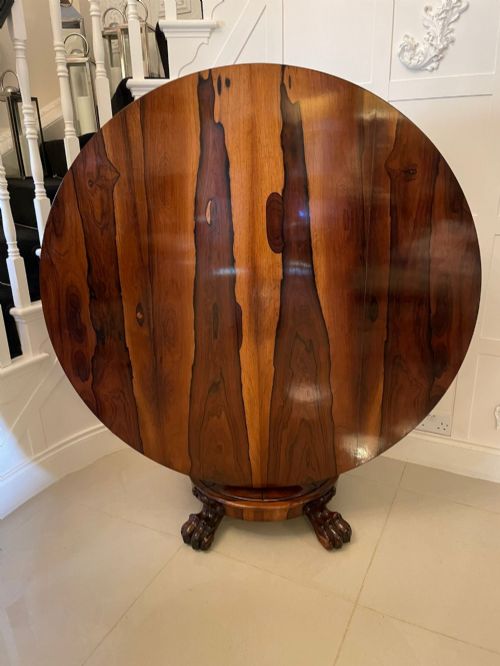
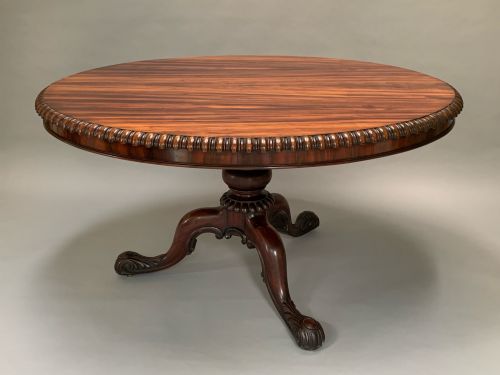
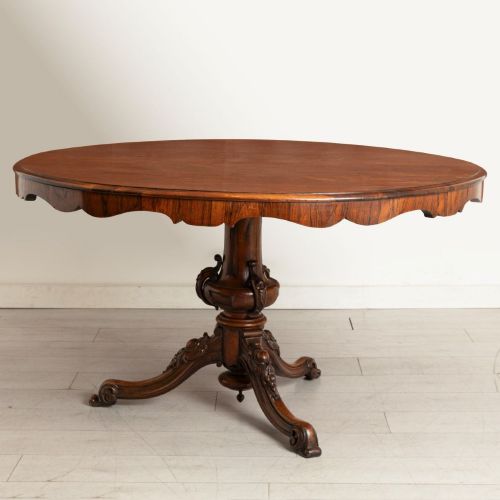
An antique pedestal loo table provides a central pillar support holding a broad circular or oval top, designed originally for card games and domestic gatherings. These pieces span Georgian, Regency, William IV, and Victorian periods, utilising sturdy timbers like mahogany, rosewood, and walnut.
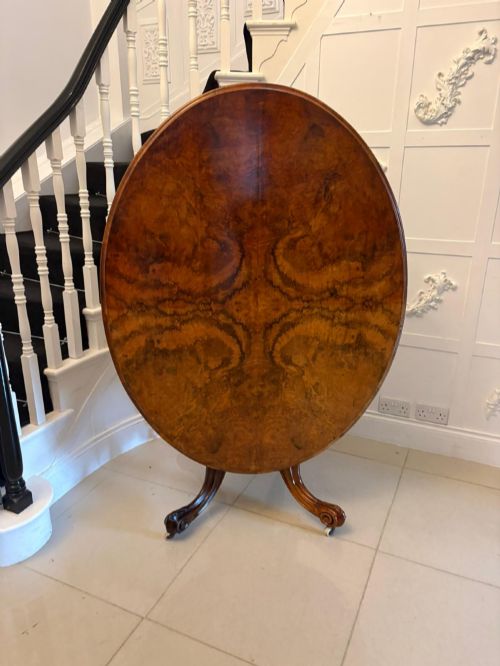
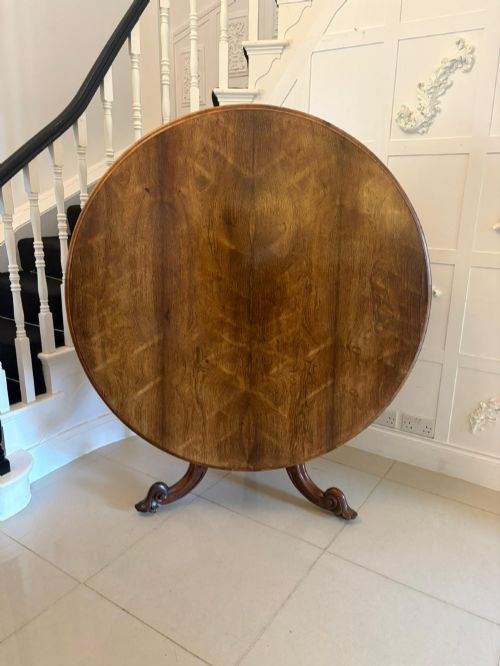
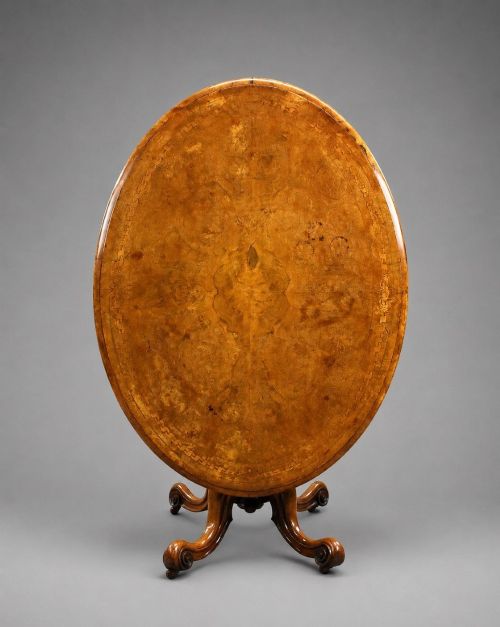
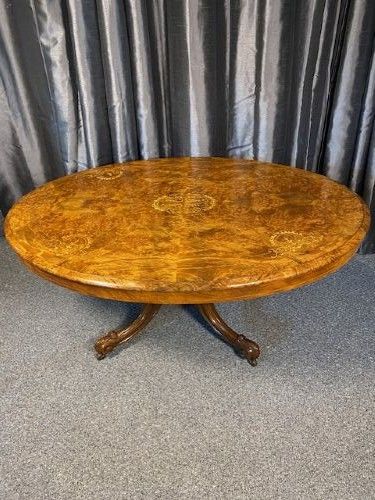
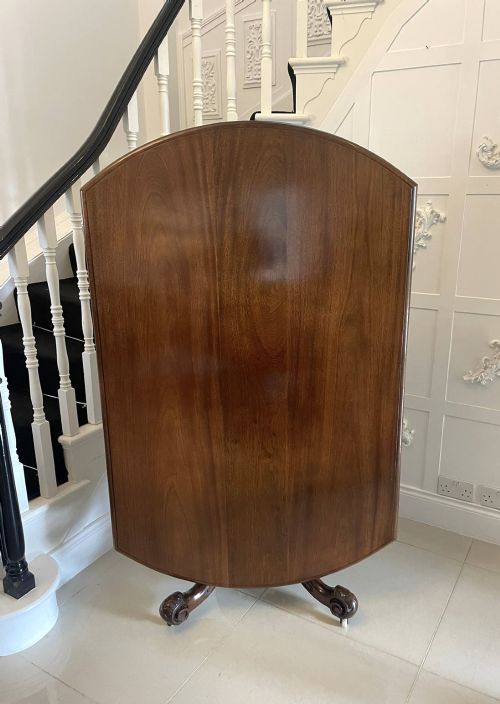
The version most commonly met on this page is the Victorian burr walnut or rosewood oval or circular table featuring a tilt-top mechanism. These examples often rest upon carved quadrapod or pillar bases, functioning easily as dining or centre tables in modern spaces.
Materials and construction
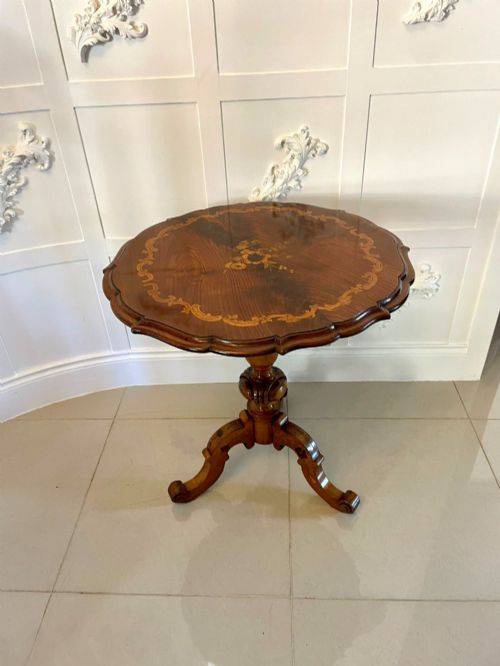
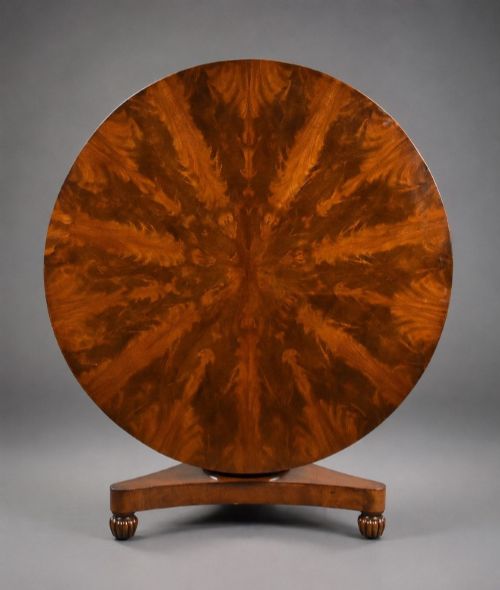
Cabinet makers utilised dense solid timbers like mahogany and rosewood for structural stability, applying figured veneers such as burr walnut and flame mahogany across the table tops to create rich visual patterns. Boxwood and brass inlay often decorate the borders and tops of Regency and Victorian examples.
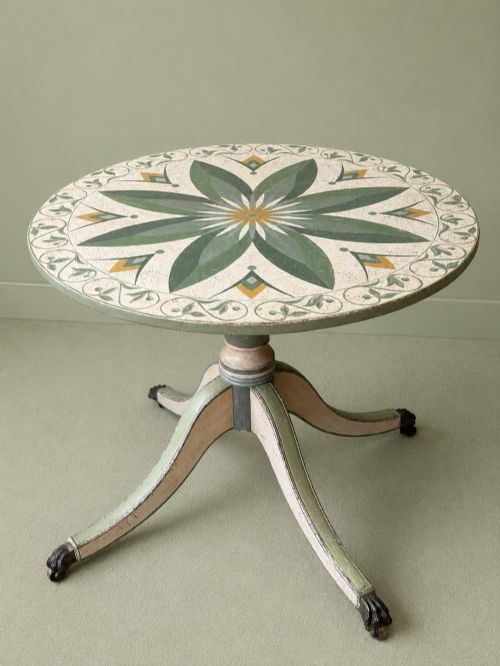
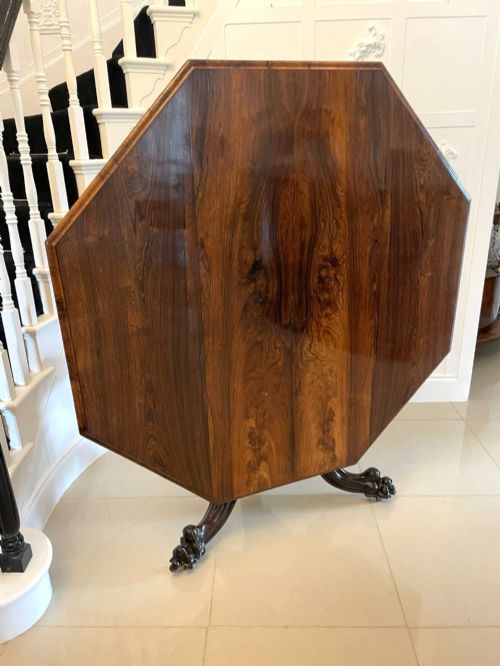
The tilting mechanism relies on a brass or iron catch beneath the top, allowing the surface to fold vertically for storage against a wall when not in use. Heavy turned or carved central pedestals distribute weight downward onto tripartite or quadrapod scrolled feet fitted frequently with castors.
Secret drawers tucked within the aprons of certain Regency tables provided discreet storage for small valuables and card game markers.
Distinctions in quality
Quality rests heavily upon the selection of timber veneers and the crispness of the hand-carving on the central pillar and base. Superior tables display seamless book-matched veneers and stable tilt mechanisms that lock securely without play in the central joint.
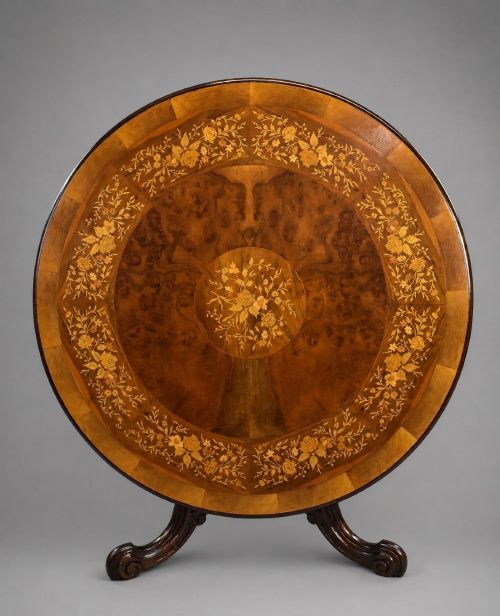
Maker attribution and refined secondary timbers elevate certain pieces above standard production models. Well-executed marquetry, subtle brass inlay, and balanced proportions separate workshop-made pieces from simpler commercial output.
Gillows·Peters of Genoa
The Antique Pedestal Loo Table Glossary
- Tilt-top
- A hinged table top that folds into a vertical position. This allows the furniture to stand flat against a wall to save floor space.
- Quadrapod base
- A pedestal support resting upon four spreading feet. These feet frequently terminate in brass castors.
- Burr walnut
- Timber taken from a growth deformity on the walnut tree, producing swirling knot patterns. Cabinet makers slice this wood into decorative veneers.
- Marquetry
- The art of forming decorative patterns using thin pieces of wood veneer. Artisans fit contrasting timbers together to create pictorial designs on the surface.
Antique Pedestal Loo Table: Frequently Asked Questions
Why do these tables tilt?
The tilting top allowed households to push large tables out of the way against a wall when the room needed to be cleared.
This mechanism also made it easier to move heavy furniture between rooms or houses during the nineteenth century.
How many people can sit at a loo table?
Circular and oval tables typically seat between four and six people comfortably depending on the diameter of the top.
Larger Regency and Victorian examples can accommodate up to eight diners for meals or gatherings.
Can I use an antique loo table daily?
These tables provide sturdy surfaces for dining, working, or displaying objects just as they did in the nineteenth century.
Using mats and avoiding excessive moisture protects the polished timber and delicate veneers from everyday wear.
How do I distinguish Regency from Victorian tables?
Regency tables frequently feature clean lines, mahogany or rosewood timbers, and occasional brass inlay reflecting classical influences.
Victorian pieces lean towards heavier proportions, burr walnut veneers, elaborate marquetry, and rich carved decoration on the pedestal.