


Antique Pedestal End Table
When searching for an antique pedestal end table, one looks for compact support tables defined by a central column.
Antique Pedestal End Table
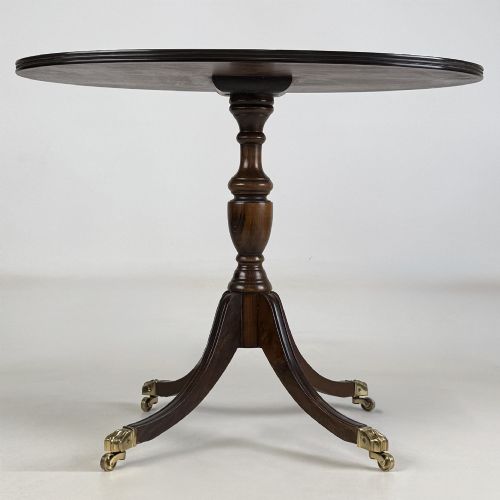
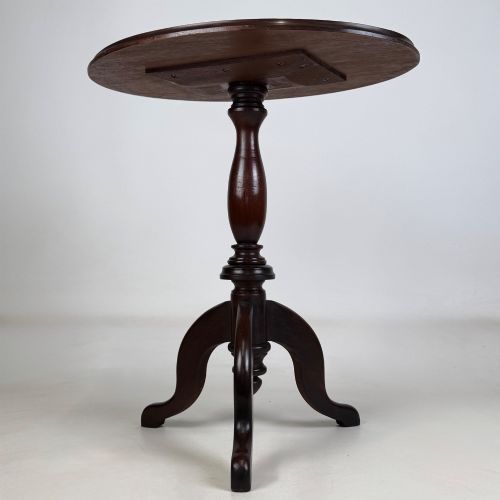
An antique pedestal end table centres on a sturdy central column resting on a tripod or platform base, supporting a compact top.
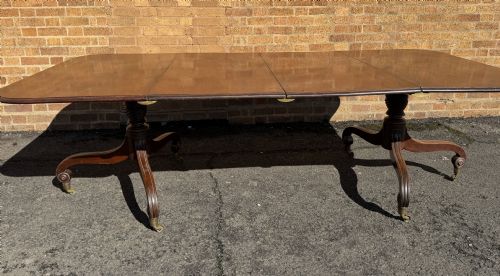
The evidence shows these pieces span forms from small lamp and side tables to larger extending dining tables rooted in the Georgian, Regency, and Victorian periods.
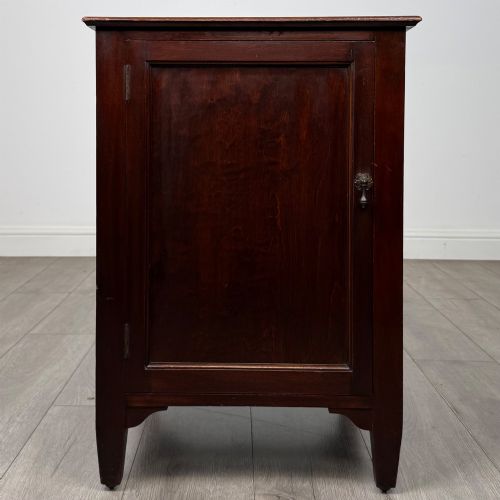
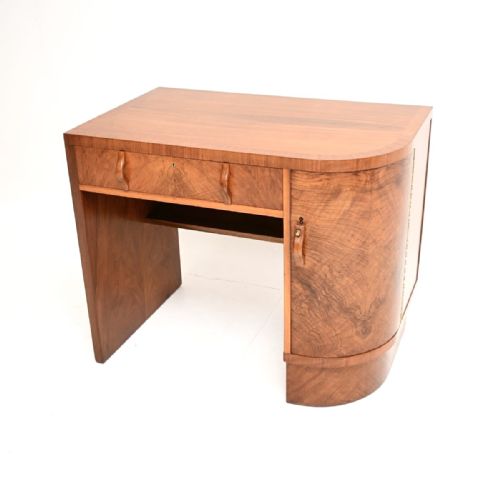
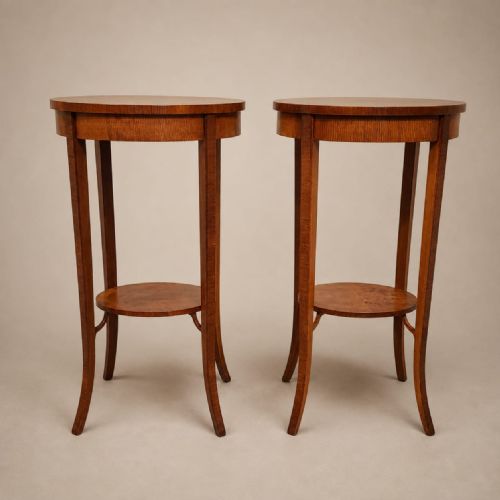
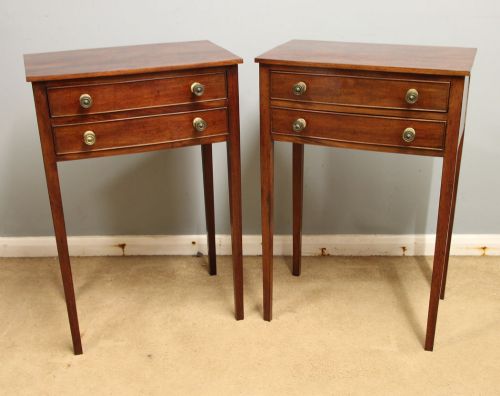
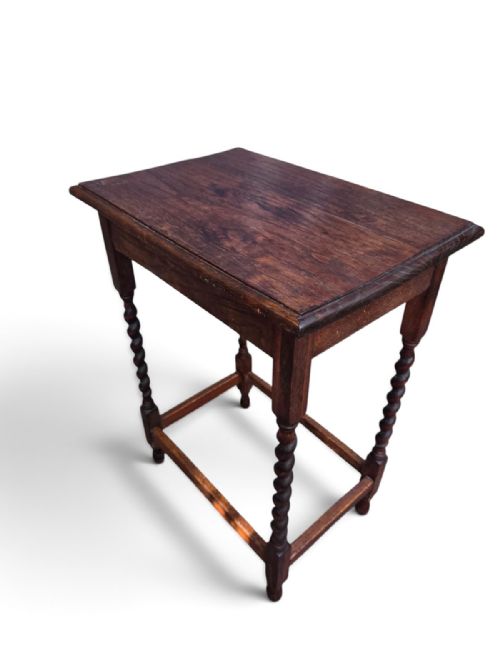
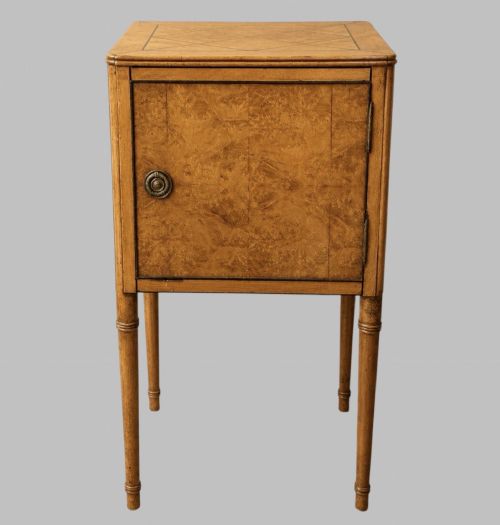
Buyers meet variations ranging from round occasional tables to D-end designs and bedside cabinets shaped in mahogany, walnut, and oak.
How these tables were constructed
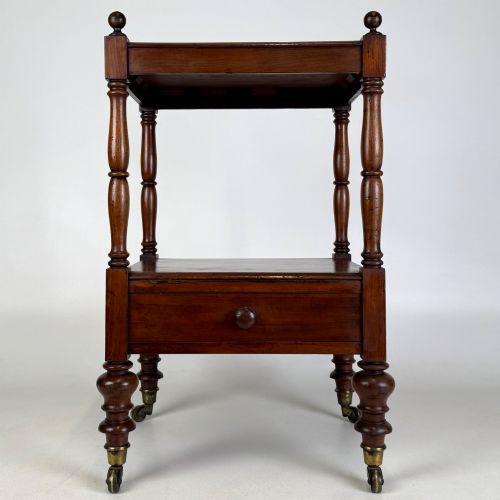
Cabinet makers utilised dense hardwoods like mahogany, walnut, and oak, often applying figured veneers such as burr walnut to create patterned surfaces on the top.
Structural stability relied on turned central pedestals joined to splayed legs or heavy platforms, occasionally accented with brass fittings or ebonised details.
Some tables double as grape-vine sculptural works, bringing unexpected flora indoors.
What separates quality in these pieces
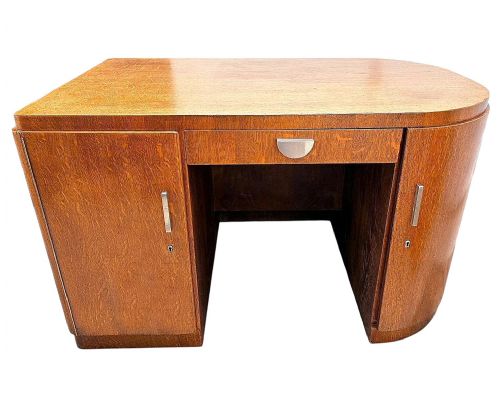
The distinction between standard utility items and superior examples lies in the selection of timber grain, such as richly figured mahogany or burr oak, and the crispness of the pedestal turning.
Integration of the central column with the base determines the enduring stability of the piece, where tight joinery and balanced proportions separate better workshops from ordinary production.
Walter Carter Harrods·Williams and Gibton·Baillie Scott
The Antique Pedestal End Table Glossary
- Pedestal
- A single central column supporting the tabletop. This structure allows for greater legroom compared to four-legged tables.
- D-End
- A tabletop shape with one or two rounded ends resembling the letter D. These sections frequently join to larger dining arrangements.
- Tripod Base
- A three-legged support radiating from the base of the central column. It ensures stability on uneven floors.
Antique Pedestal End Table: Frequently Asked Questions
What is an antique pedestal end table?
An antique pedestal end table is a small support surface raised on a single central pillar rather than standard corner legs.
They serve beside seating or beds to hold lamps, books, and decorative objects while saving floor space.
How were pedestal tables used historically?
Historically, these tables functioned as movable stands for lighting, reading materials, or tea service within principal rooms.
Their central column design allowed servants to position them easily beside chairs or sofas as needed.
How do I identify the period of a table?
Period identification relies on observing the timber choice, turning style on the column, and the shape of the base supports.
Georgian and Regency examples tend to feature fine mahogany with reeded pillars, while Edwardian and later pieces often incorporate oak or walnut veneer.
Where should I place an antique pedestal table?
These tables fit well beside armchairs, sofas, or beds where a compact surface is required without crowding the room.
Their central pillar construction makes them practical for corners and tighter spaces where four legs would obstruct placement.