

Antique Pastoral Picture Frame
An antique pastoral picture frame houses scenes of rural life, offering a quiet window into countryside traditions that collectors prize for their calm atmosphere.
Antique Pastoral Picture Frame
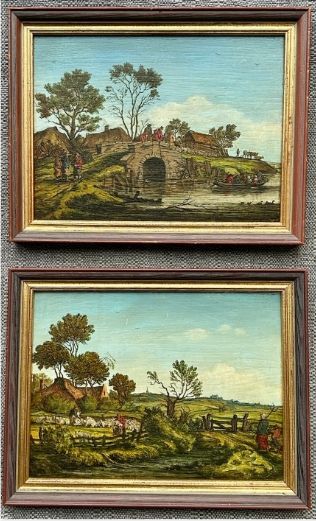
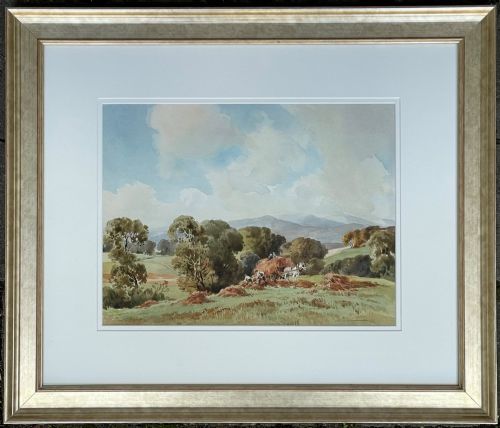
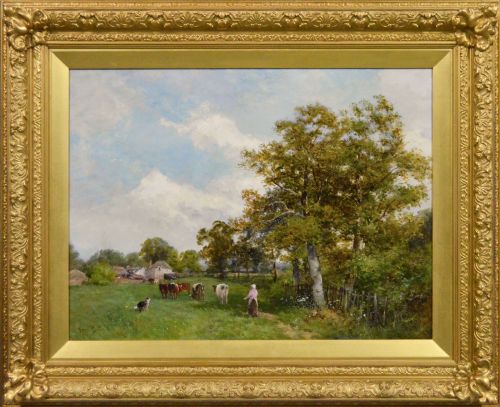
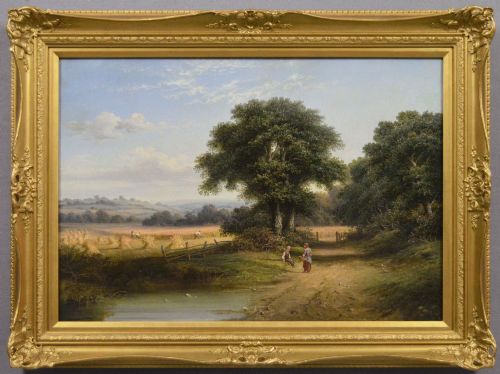
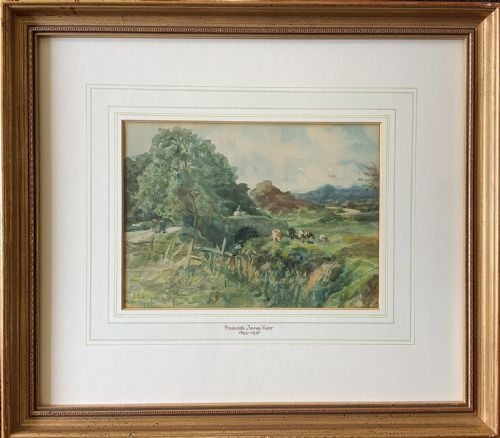
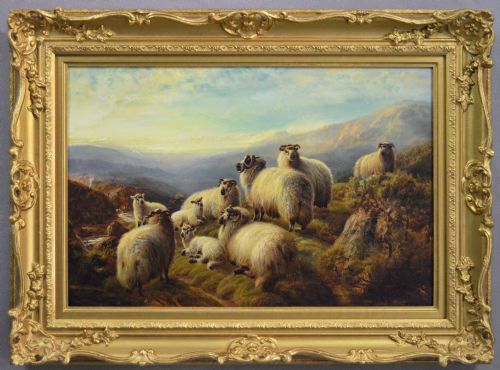
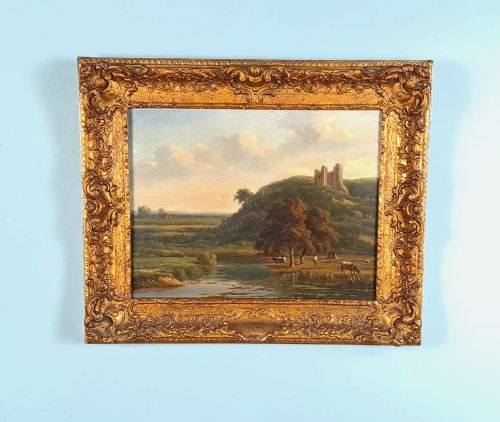
When you search for an antique pastoral picture frame, you encounter works depicting rural scenes, agricultural labour, and herds of cattle or sheep in natural settings.
The selections span the Georgian and Victorian eras, alongside Edwardian examples, capturing shifting tastes in countryside aesthetics across the nineteenth and early twentieth centuries.
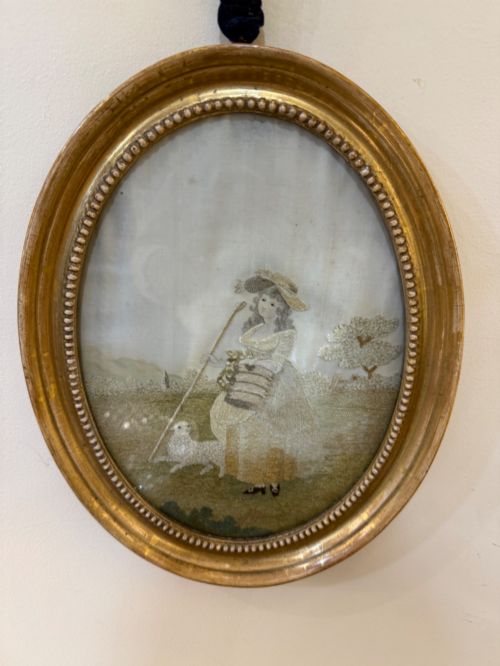
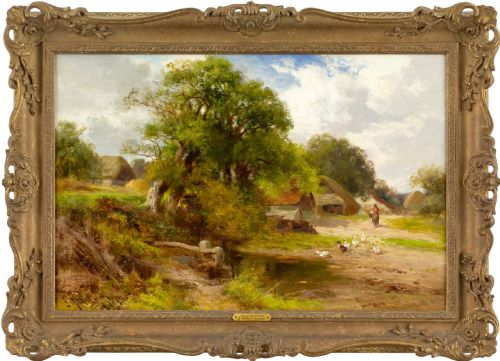
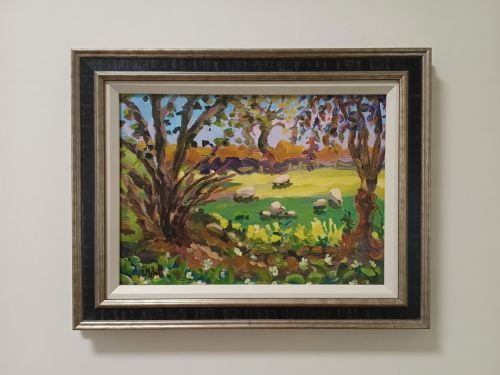
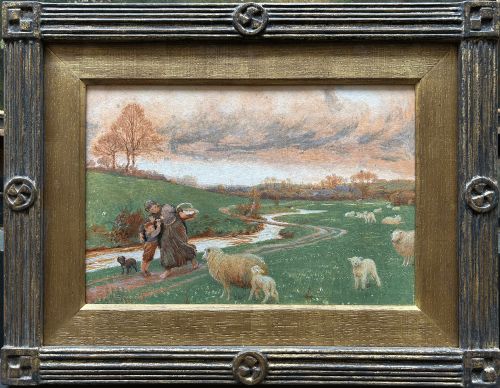
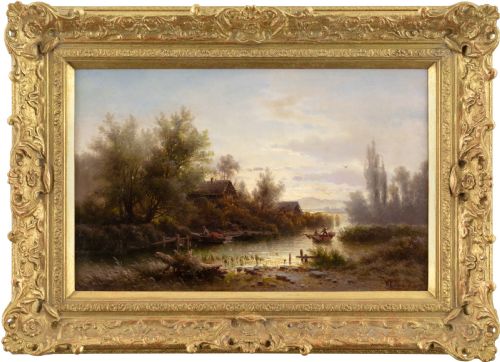
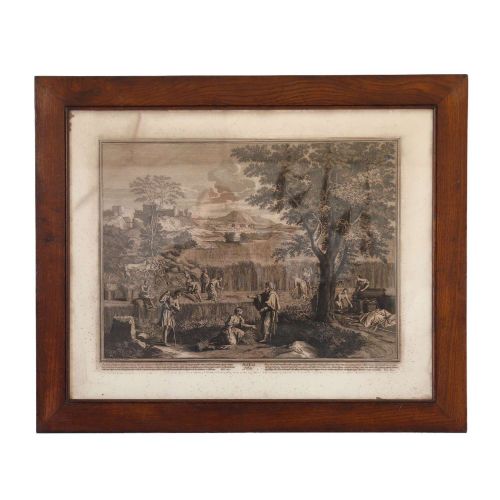
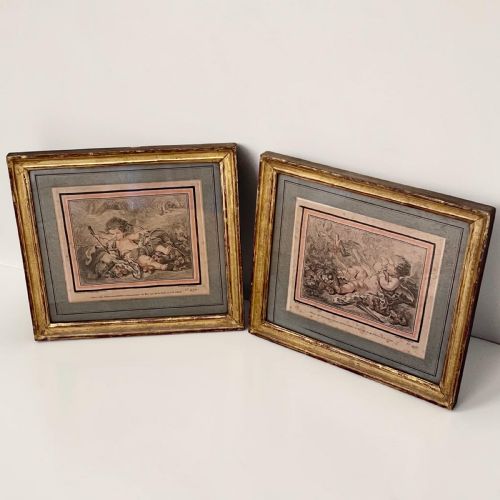
Most entries combine period artwork with housing, presenting oil paintings, watercolours, engravings, and needlework within wood or gilt surrounds.
Materials and Construction
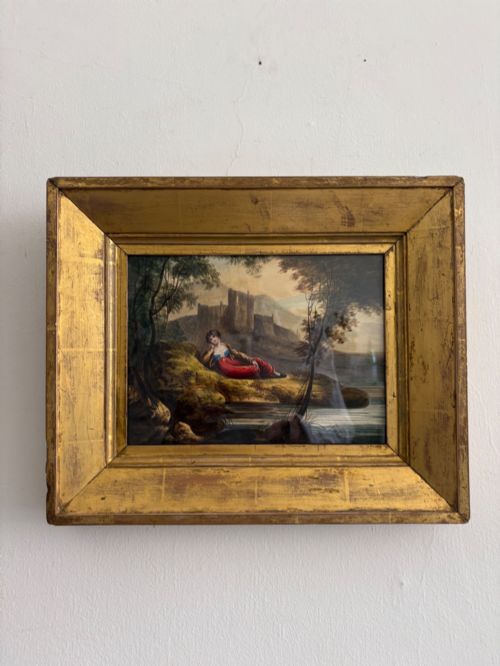
Makers shaped the surrounds primarily from wood, applying layers of gesso before finishing them with gold leaf or dark polishing to create giltwood and Hogarth profiles.
The enclosed artworks utilise media such as oil on canvas or board, watercolour on paper, and embroidered silk and wool.
Glazing frequently protects delicate watercolours, prints, and textile pieces within their borders.
Factors of Distinction
Superior items display skilled handling of light and animal anatomy by named artists, whereas lesser examples stem from anonymous or decorative school output.
The integrity of the original frame relative to the artwork influences the standing of the piece within its period.
Depth of detail in needlework and clarity of impression in engravings separate standard decorative items from finer works.
William H Myers·Percy Lancaster·David Bates·Walter Heath Williams·John Horace Hooper·Frederick Walker·Frederick James Kerr·Albert Rieger·Robert Watson·Henry Schouten·George Morland·Charles Edward Wilson·John Emms·Cornelius Pearson·Henry Charles Fox·Thomas Sidney Cooper·George Vicat Cole
The Antique Pastoral Picture Frame Glossary
- Giltwood
- Wood carved and coated with gold leaf. This finish reflects candlelight and daylight in period interiors.
- Gesso
- A plaster mixture applied to wood frames as a base for gilding. It allows for intricate moulded corner decorations.
- Hogarth frame
- A dark, narrow wooden moulding with a stepped profile. These frames appeared frequently on eighteenth and nineteenth-century prints.
- Reverse glass print
- An image transferred to glass and hand-coloured from behind. This technique produced glossy, preserved surfaces popular in the Georgian era.
Antique Pastoral Picture Frame: Frequently Asked Questions
What subjects appear in these frames?
The artworks inside these surrounds depict agricultural scenes, shepherds tending flocks, cattle in woodlands, and harvest workers.
Such rural motifs reflect nineteenth-century romanticism regarding country existence.
Are the frames original to the art?
Many pieces retain period mounts matching their creation date, while others have been paired with complementary antique surrounds over time.
Examining the backboards and corner joints helps determine the age relationship between artwork and moulding.
How do I hang a giltwood frame?
Giltwood surrounds require secure wall fixings distributed across the weight of the timber and gesso construction.
Keep them away from direct sunlight and damp environments to protect the fragile gold leaf surfaces.
How do I distinguish Victorian from Georgian styles?
Georgian examples often favour reverse glass prints or delicate silk embroidery within dark Hogarth profiles.
Victorian pieces lean towards heavier giltwood mouldings housing detailed oil paintings of livestock and rural landscapes.