


Traditional British Watercolour Landscape
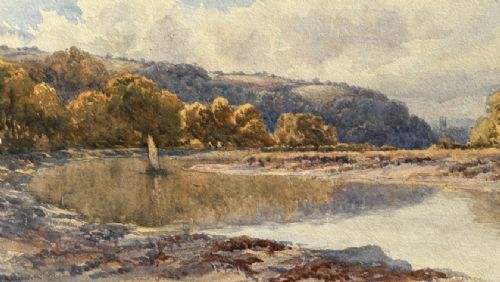
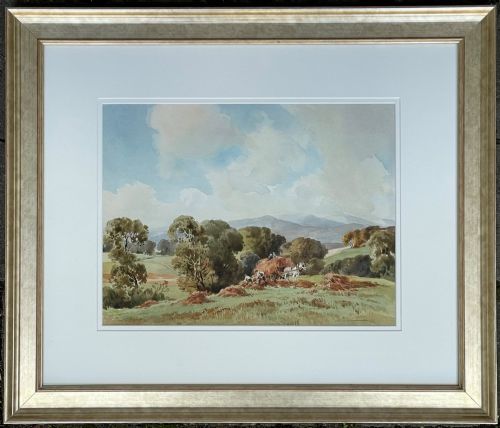
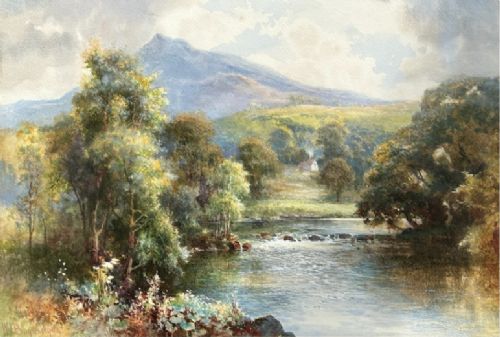
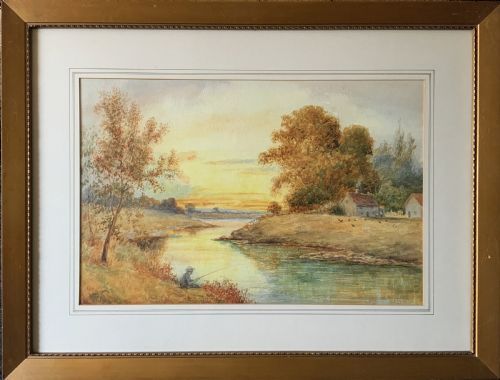
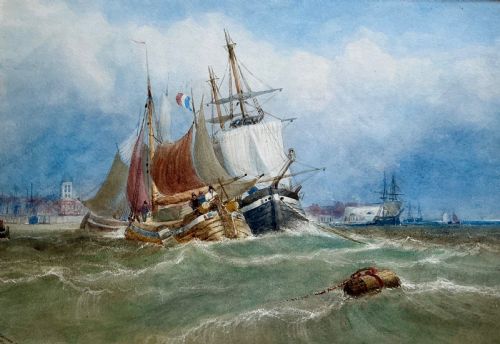
A traditional british watercolour landscape captures rural scenes and coastal views using delicate pigment washes on paper.
Traditional British Watercolour Landscape
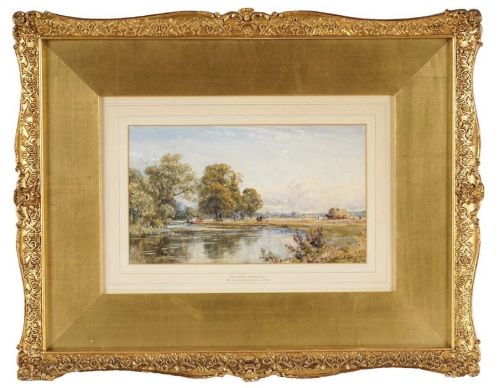
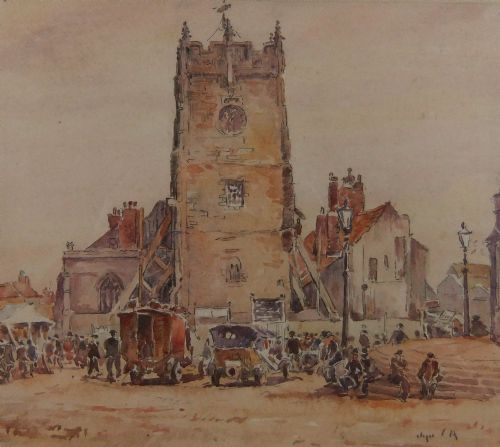
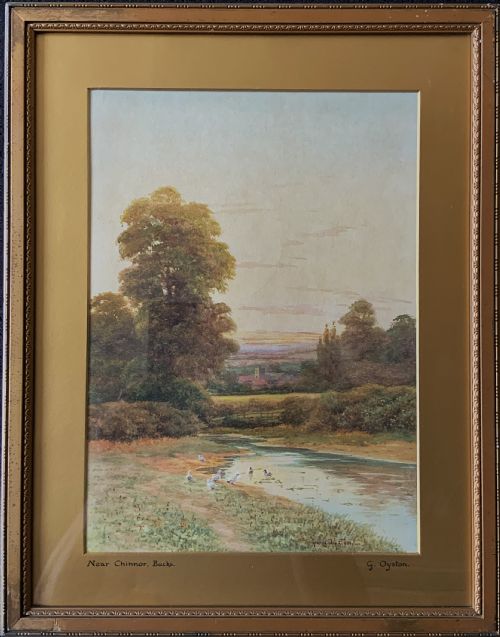
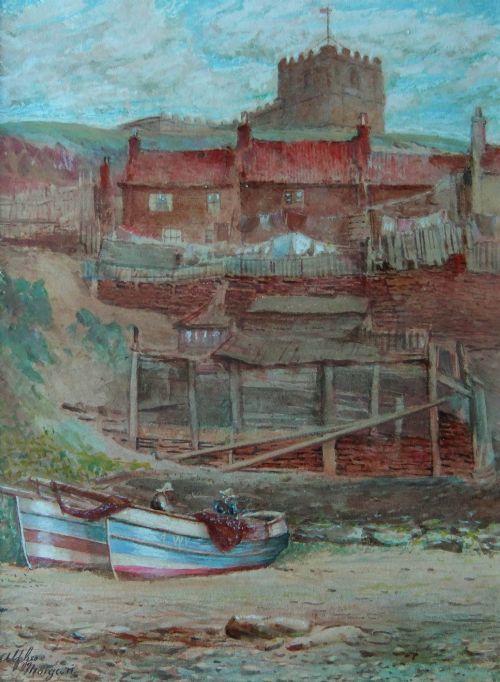
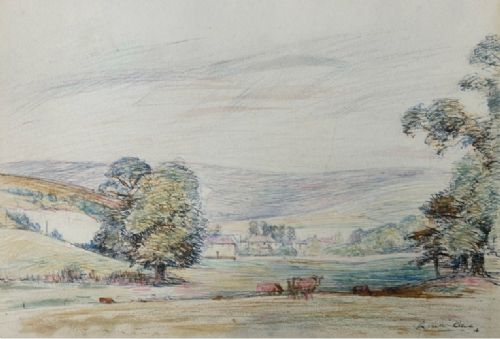
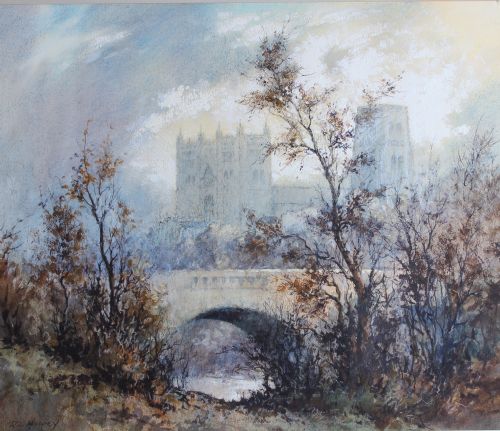
A traditional british watercolour landscape depicts countryside views, rivers, harbours and pastoral scenes created across the nineteenth and early twentieth centuries. These works record rural life, coastal towns and specific regional locations from Wales, Yorkshire, Cornwall and the Thames Valley.
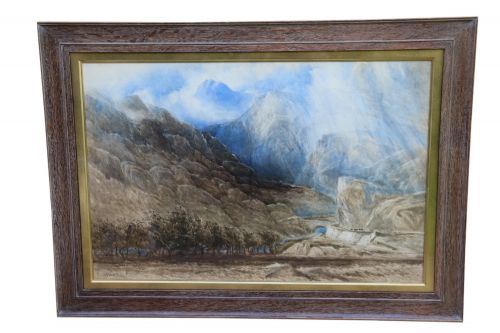
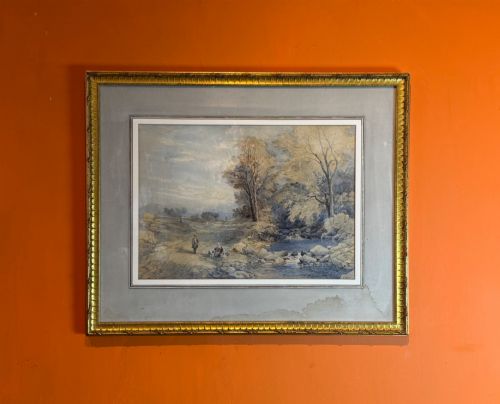
The most common examples on this page date from the Victorian period through to the nineteen-thirties, reflecting both professional and exhibiting artists of those decades. Works typically arrive framed in wood or gilt wood, protected beneath glass.
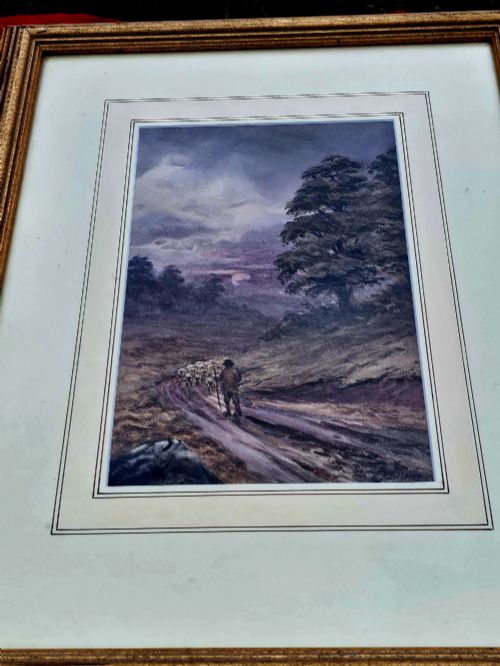
Subjects range from quiet river banks and herds of sheep to bustling horse fairs and dramatic cathedral cities. Each painting offers a direct view into British topography and rural heritage as observed by contemporary artists.
How these watercolours were made
Artists applied watercolour pigment onto paper using varying amounts of water to achieve translucent washes and fine opaque details. The support paper provides the underlying luminosity, allowing light to reflect back through the pigment layers.
Completed works were traditionally mounted beneath glass and housed within wooden or gilt wood frames to protect the delicate paint surface from moisture and dust.
Several Victorian sheep seem to spend an extraordinary amount of time being herded to market across various Welsh and English counties.
What varies in quality in these watercolours
Quality rests upon the artist's handling of light, atmospheric depth and compositional balance within the landscape. Master watercolourists achieve remarkable tonal control, capturing transient weather and shifting daylight with economy and precision.
The sophistication of the draughtsmanship and the vitality of the brushwork separate distinguished exhibition pieces from standard topographical records. Provenance and exhibition history further elevate the standing of individual works.
Alfred Young Nutt·Percy Lancaster·William Banks Fortescue·William Joseph Boyes·Robert Thorne Waite·John Smith Atherton·George Oyston·Alfred G Morgan·Russell Sidney Reeves·Robert Leslie Howey·Henry Martin Pope·David Cox·Henry Barlow Carter·Henry Charles Fox·Robert Little·Henry John Kinnaird·Fred Lawson·George Graham·Arthur Tucker·Frederick Septimus Lewis·William Hoggatt·James Orrock·John McDougal·John Atkinson·Theresa Stannard
The Traditional British Watercolour Landscape Glossary
- Watercolour pigment
- The finely ground colouring material mixed with water-soluble binders used to create these paintings.
- Gilt wood
- Timber framing finished with a thin layer of gold leaf or metallic gilt paint, frequently found on Victorian and Edwardian frames.
- Topographical
- Depicting a specific real-world location or landmark rather than an entirely imagined composition.
- Wash
- A semi-transparent layer of diluted watercolour pigment applied broadly across the paper to represent skies or water.
Traditional British Watercolour Landscape: Frequently Asked Questions
How do I date a watercolour landscape?
Dates are often indicated by the artist's active period, signatures, or stylistic clues within the clothing and architecture depicted. Framing styles can also offer helpful clues, though frames are frequently replaced over time.
Examining the type of paper and historical records associated with the artist helps narrow down the decade of creation.
Where were most of these scenes painted?
The paintings record locations across Britain, including Welsh river valleys, Yorkshire moors, Cornish harbours, and pastoral settings in the home counties. Artists travelled extensively to capture recognisable regional topography and rural industries.
Many works explicitly name their specific setting within the title or inscription on the reverse.
How should I frame and display my watercolour?
Watercolours require careful protection from direct sunlight to prevent the pigments from fading over time. Professional framing with acid-free mounts and UV-filtered glass safeguards the paper.
Display them in rooms with stable humidity away from direct heat sources to preserve the paper and wooden frame.
What is the difference between an etching and a watercolour?
A watercolour is a unique painted artwork created directly with pigment and water on paper by the artist's hand. Etchings are printed impressions taken from a metal plate that has been etched with acid.
Watercolours feature fluid brushwork and washes, whereas prints display inked lines and repetition.