


Antique Parlour Chairs Set
When you search for an antique parlour chairs set, you enter a world of matched seating crafted from rich timbers for formal reception rooms.
Antique Parlour Chairs Set
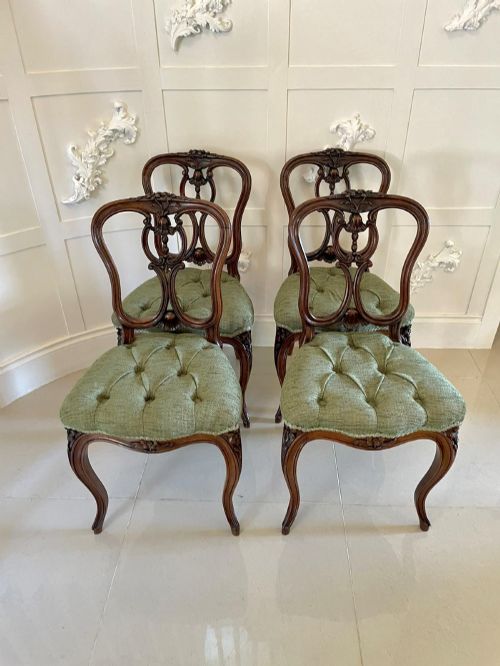
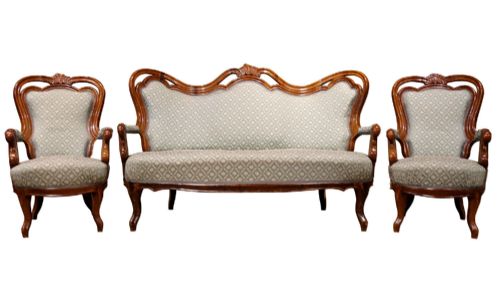
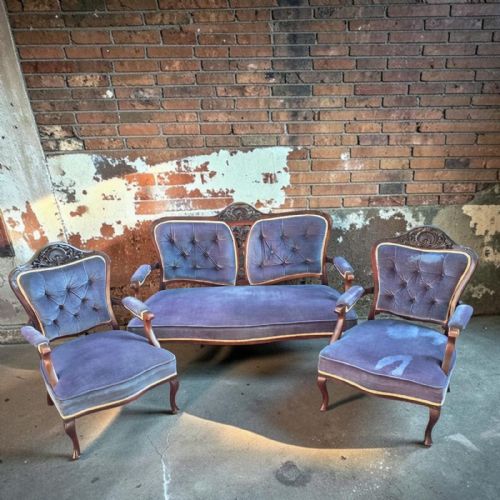
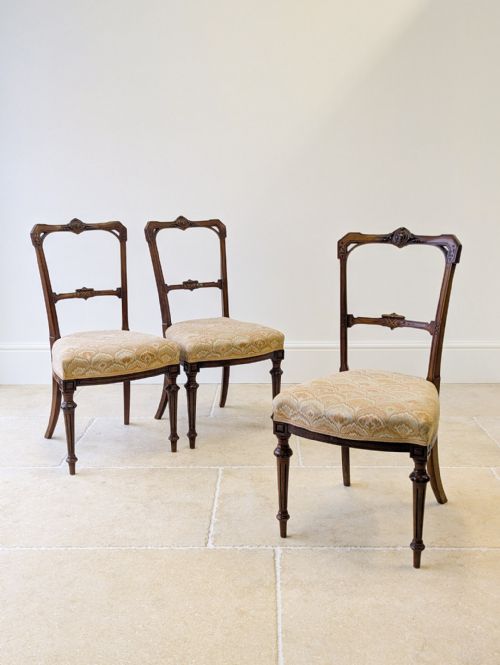
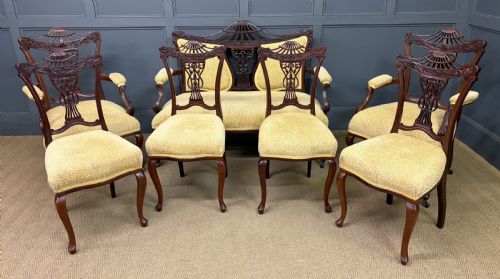
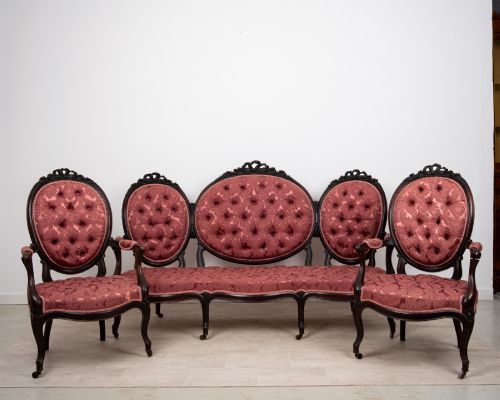
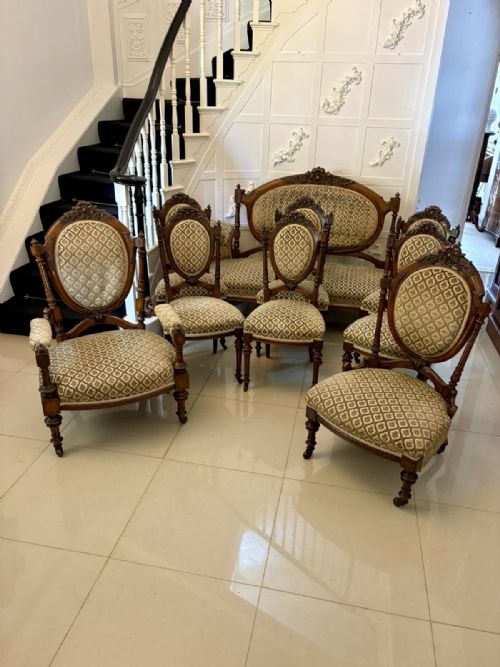
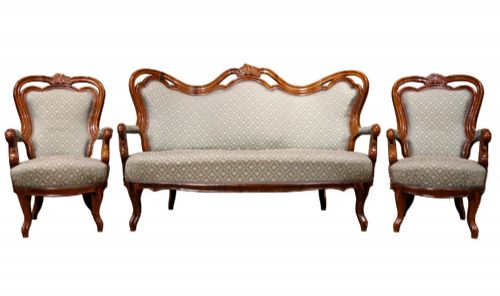
An antique parlour chairs set comprises matching groups of seats designed for formal reception rooms, drawing rooms and entertaining spaces. These groupings range from pairs and quartets of side chairs to larger salon suites including armchairs, settees and footstools.
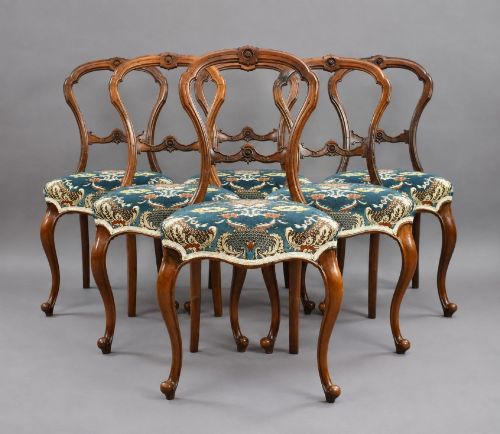
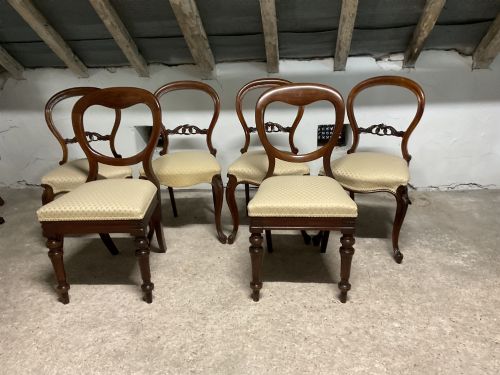
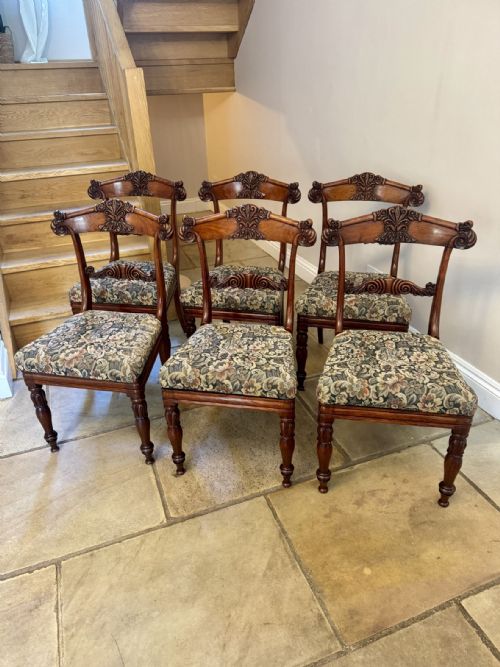
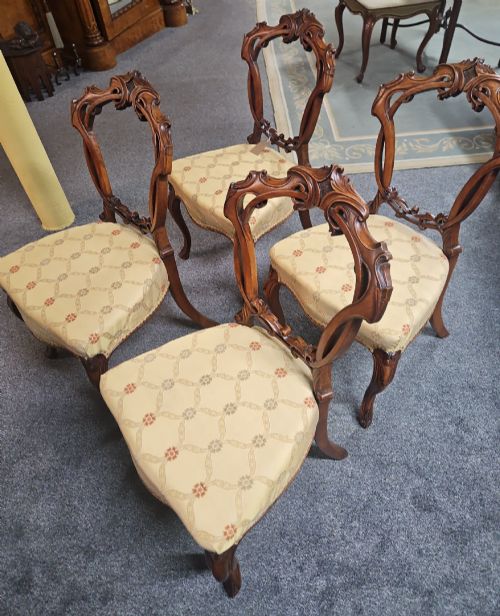
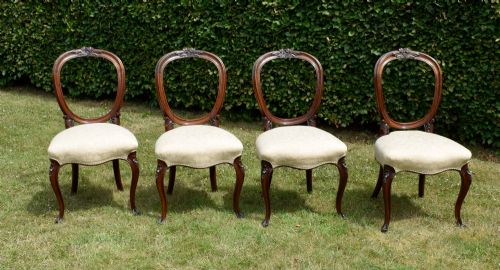
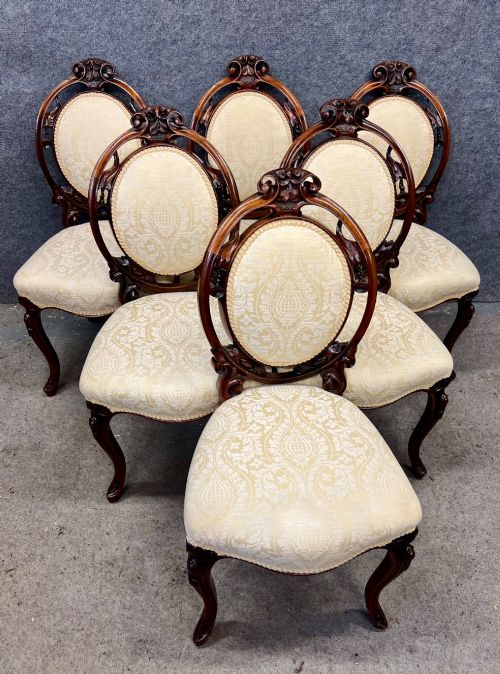
The pieces most frequently met on this page belong to the Victorian era, spanning various decades through the nineteenth century, alongside Regency and Edwardian examples. They take forms such as balloon-back dining chairs, salon chairs and multi-piece parlour suites.
Makers often fashioned these sets in matched quantities of four or six, though larger groupings up to twelve pieces appear in walnut and mahogany. The overarching style reflects the period of production, moving from Regency lines to Victorian rococo revival and arts and crafts forms.
Materials and Construction
Cabinet makers utilised dense hardwoods such as mahogany, rosewood, walnut and oak to build the frames of these chairs. These timbers provided the structural strength required for carved details, balloon backs and intricate joinery.
Upholstery completed the seating, employing fabrics such as velvet, textile and specialised upholstery fabric, often secured with brass tacks or finished with deep buttoning and needlepoint seats. Artisans shaped the wood using carving techniques, French polishing and inlay work, including marquetry.
One determined Victorian household squeezed an eleven-piece walnut drawing-room suite into their parlour, ensuring nobody ever had to stand.
Distinctions in Standard
The standard of a set rests upon the crispness of the timber carving and the selection of figured veneers. Superior examples display deeply sculpted walnut or rosewood details and harmonious grain matching across all pieces in the grouping.
Integrity of construction and original upholstery methods also divide categories. Sets that retain their robust joinery, balanced proportions and period-appropriate textiles demonstrate higher craftsmanship than those altered over time.
The Antique Parlour Chairs Set Glossary
- Balloon Back
- A chair back shaped like a rounded balloon, curving continuously from the seat up and over the top rail. This form became particularly popular in the Victorian period for dining and parlour seating.
- Salon Suite
- A matched group of seating furniture designed for a drawing room or parlour, typically comprising a settee and multiple armchairs or side chairs. These suites share uniform wood types, carvings and upholstery.
- Marquetry
- The art of applying decorative pieces of veneer to a structure to form intricate patterns and pictures. Craftsmen used contrasting woods to embellish the surface of superior parlour chairs.
- Deep Buttoned
- An upholstery technique where buttons are pulled tight through the padding to create a diamond-patterned relief. This method added both cushioning depth and visual texture to Victorian salon chairs.
- Regency
- A stylistic period spanning the early nineteenth century characterised by classical restraint, influence from ancient Greece and Rome, and the use of dark imported timbers like rosewood and mahogany.
Antique Parlour Chairs Set: Frequently Asked Questions
What is an antique parlour chairs set?
An antique parlour chairs set is a matched group of seating designed for formal domestic entertaining during the nineteenth and early twentieth centuries.
These groupings include small sets of side chairs, larger dining sets, or comprehensive salon suites with matching sofas and armchairs.
How were parlour chairs used?
These chairs furnished formal rooms where families received guests, held afternoon gatherings, and engaged in conversation.
They stood around the perimeter of the parlour or lined the dining table, arranged to display the host's taste and social standing.
How do I live with antique parlour chairs?
Living with these chairs involves placing them in low-traffic areas of the home where their delicate frames and historic textiles face minimal daily strain.
Protecting the wood from direct sunlight and maintaining stable room humidity preserves both the polished timber surfaces and the original upholstery fabrics.
How do I tell Victorian chairs from Regency ones?
Regency chairs, dating from the early nineteenth century, feature classical lines inspired by antiquity, often utilising dark rosewood or mahogany with restrained brass inlay.
Victorian chairs, emerging later in the century, tend to display heavier proportions, curved balloon backs, and elaborate floral carvings in walnut.