








French Balloon Back Chairs
French balloon back chairs are graceful seating choices bringing distinct nineteenth century curves to any interior.
French Balloon Back Chairs
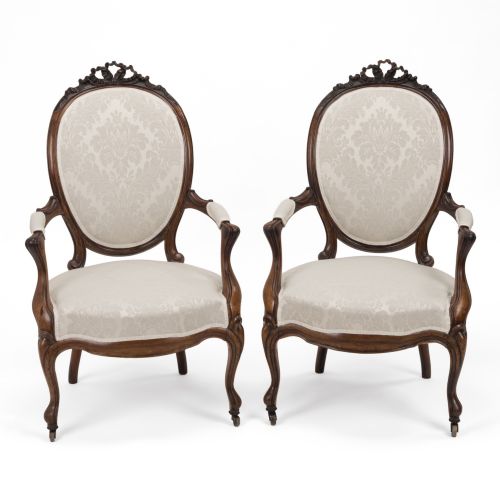
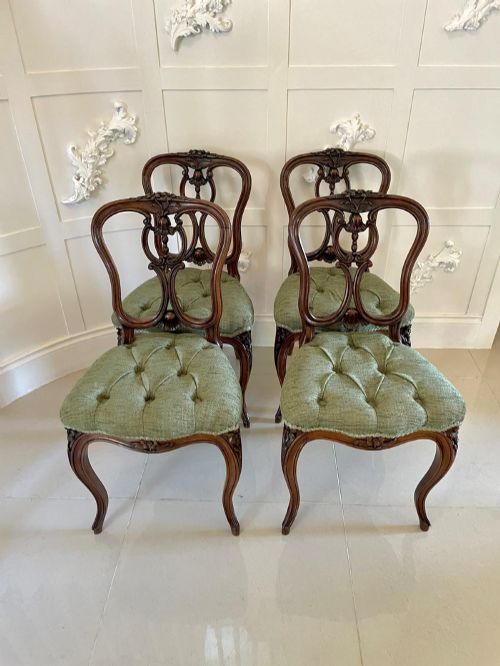
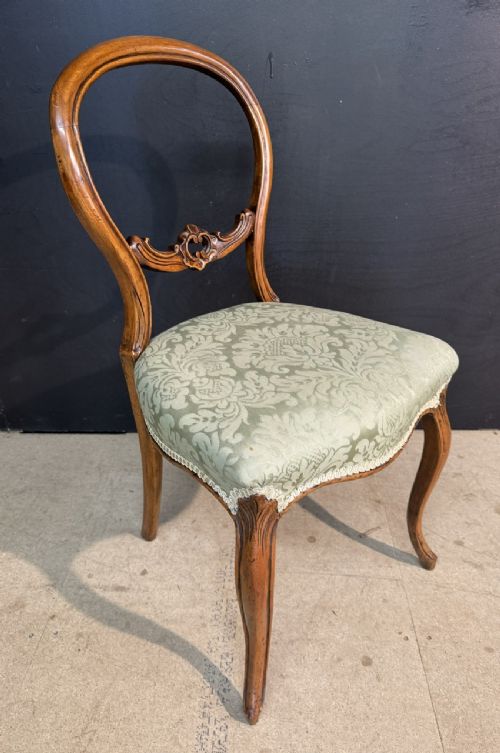
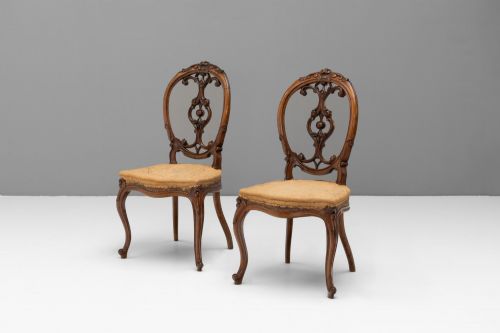
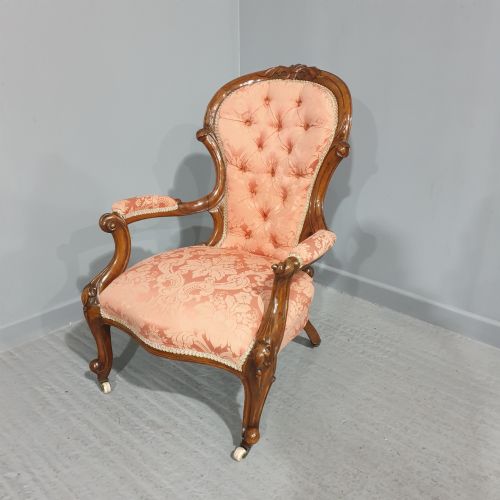
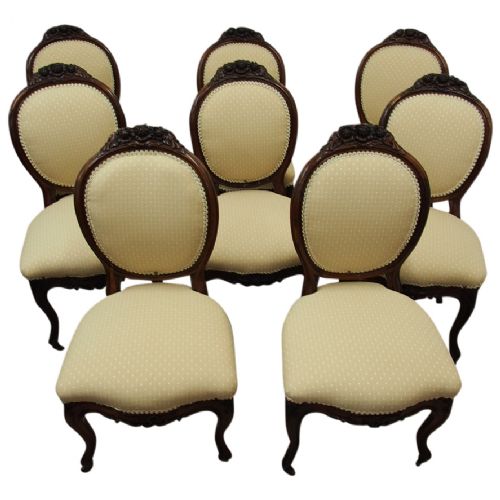
French balloon back chairs are nineteenth century seating options defined by their rounded, ovoid backrests reminiscent of a floating balloon. When you search for french balloon back chairs, you encounter side chairs, armchairs, and carvers originating mainly from the Victorian era.
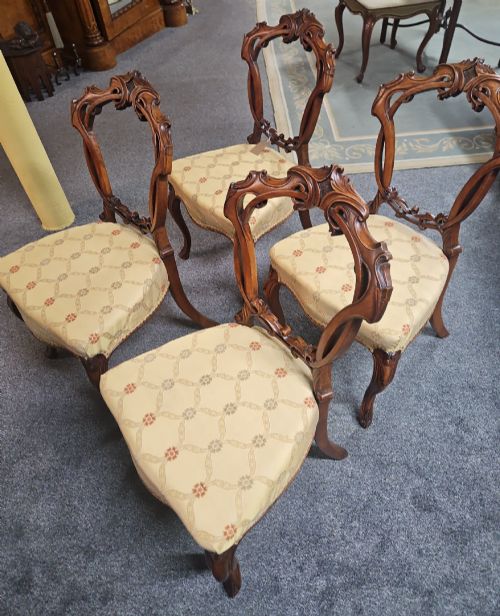
The selections available here span from individual side chairs to substantial sets suited for dining rooms or parlours. Walnut and mahogany form the predominant timber structures, often paired with various upholstered finishes.
Revival styles heavily influence these designs, drawing inspiration from Louis periods and Rococo aesthetics. Most pieces you meet date between eighteen fifty and nineteen hundred, showing the enduring appeal of this continental silhouette.
Materials and construction methods
Cabinetmakers utilised dense hardwoods like walnut and mahogany to shape the characteristic curved backrails without compromising structural integrity. Timber was frequently carved with subtle ornamentation along the crest and frame.
Joinery techniques relied on traditional mortise and tenon methods to secure the sweeping backrests to the seat rails. Cabriole legs were often shaped directly from the solid wood blanks of the front corners.
Upholstery completed the pieces, utilising materials such as velvet, damask, and leather stretched over padded foundations. Brass tacks occasionally secured the fabric edges to the wooden frames.
French Balloon Back Chairs Retail Price Guide 2026
Typical asking prices for french balloon back chairs among the pieces listed under this phrase on Sellingantiques today, from the lower quarter to the upper quarter. They describe what is for sale here now, not the wider market.
The documented pieces span from eighteen fifty to nineteen hundred, encompassing side chairs, armchairs, and hall porters.
Distinctions in quality and finish
The calibre of timber selection and depth of hand carving separate standard seating from exceptional examples. Crisp execution of the curved crest rail indicates superior craftsmanship.
Frame rigidity and the preservation of original joinery dictate the longevity of each chair. Solid walnut and mahogany structures that remain firm under use represent the higher tier of surviving pieces.
The integrity of the upholstery foundation, whether utilising period techniques or later restoration, influences the overall finish. Matching sets demonstrate greater consistency in design than assembled groupings.
The French Balloon Back Chairs Glossary
- Balloon back
- A chair back shaped in an open, rounded ovoid resembling a floating balloon. This silhouette defines the profile of nineteenth century revival seating.
- Cabriole leg
- A furniture leg that curves outward and then tapers inward, typically ending in a simple foot. This form is common on revival seating from the Victorian period.
- Carver
- An armchair designed with armrests, often produced to match a set of smaller side chairs. These were traditionally placed at the heads of a dining table.
- Side chair
- A chair built without armrests, intended primarily for dining or occasional use around a room. They form the majority of standard seating sets.
- Rococo Revival
- A nineteenth century design movement reviving the ornate, asymmetrical curves of the eighteenth century French court. This style heavily influences many curved back chairs.
French Balloon Back Chairs: Frequently Asked Questions
How do I use these chairs?
French balloon back chairs serve well as dining seating, desk chairs, or decorative accents in a hallway or bedroom. Their distinct silhouettes add character when paired with traditional or contemporary tables.
Armchairs and carvers work particularly well as occasional seats, while larger sets accommodate dining arrangements. Their compact proportions allow them to fit comfortably into various room layouts.
What woods were used?
Walnut and mahogany are the primary timbers encountered in these nineteenth century seating options. These dense hardwoods provided the necessary strength for the curved backrails.
Ebonised finishes and oak also appear within the selection, offering darker alternatives to the standard timber tones. The grain and colour of the wood vary according to the specific Victorian revival style.
Are they comfortable for dining?
The supportive ovoid backrest provides solid lumbar support during longer periods of sitting. Padded seats upholstered in fabric, velvet, or leather add cushioning.
Dining sets and individual side chairs were specifically designed for domestic use around tables. The ergonomic curve of the balloon back accommodates natural posture quite effectively.
How do I date these chairs?
Dating relies on examining the timber species, joinery methods, and stylistic revival influences present in the construction. Pieces often align with Victorian production spans from eighteen fifty to nineteen hundred.
Specific design markers, such as the prominence of Rococo Revival curves or Louis XV motifs, help narrow the era of origin. Comparing the turning of legs and the profile of the crest rail further clarifies the period.