


Antique Paris Porcelain
Antique paris porcelain brings together decorative figures, urns and cabinet cups from nineteenth-century French kilns designed for opulent interiors.
Antique Paris Porcelain
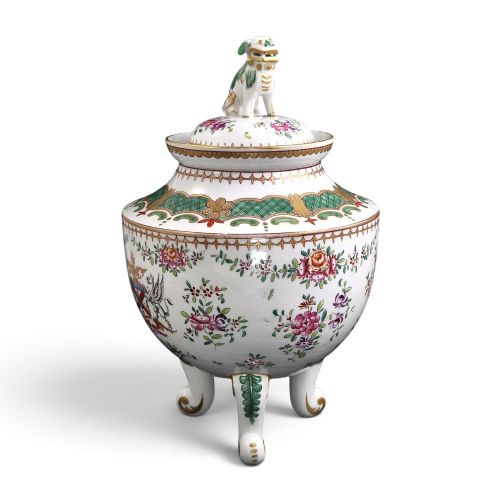
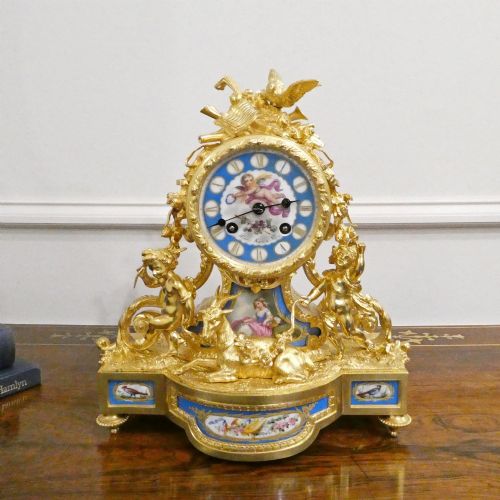
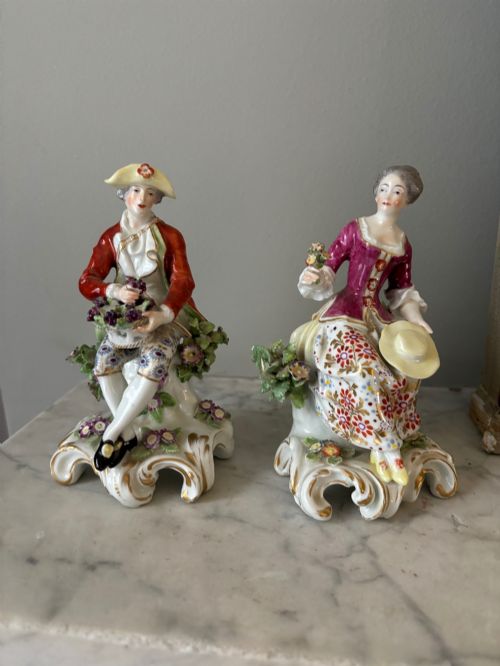
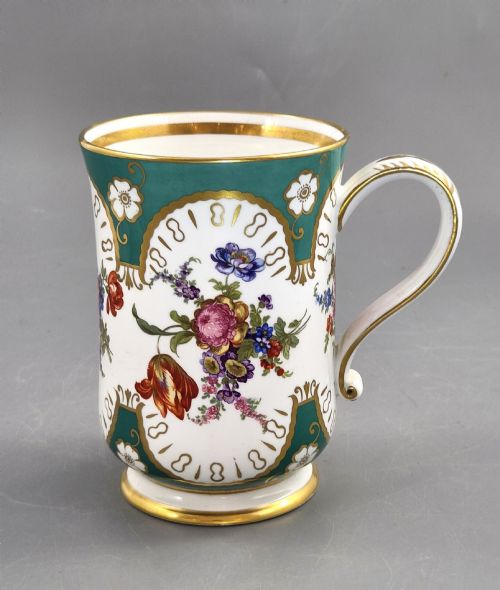
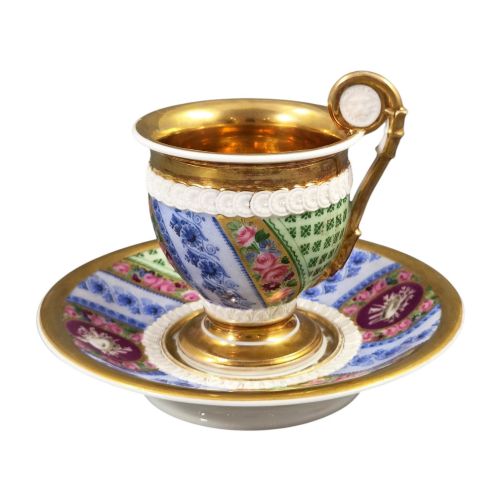
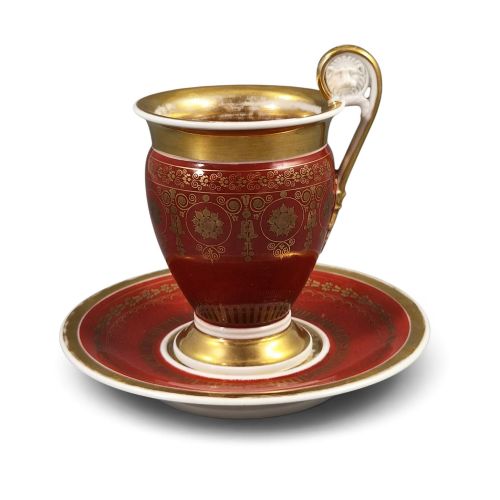
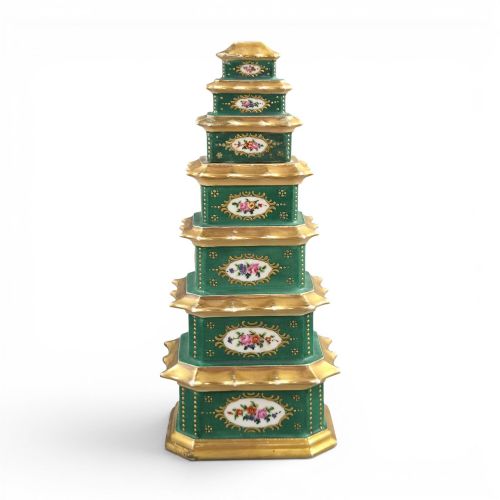
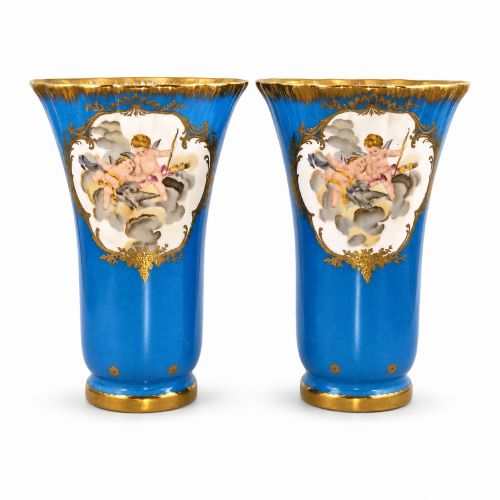
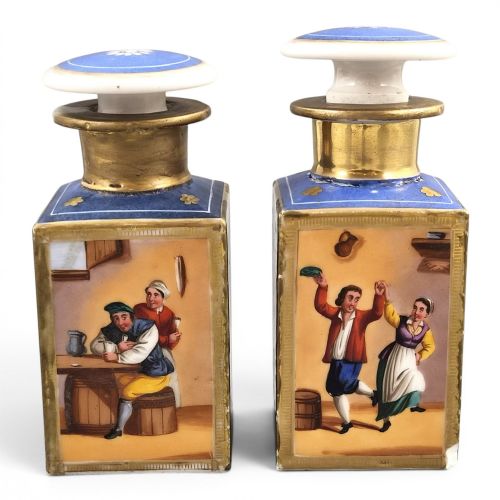
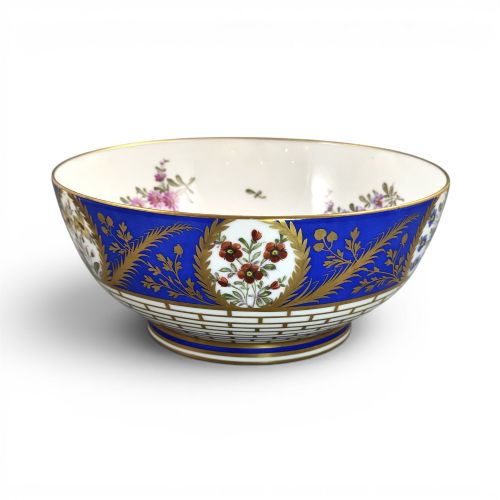
Antique paris porcelain encompasses a diverse range of ornamental and utilitarian ceramics produced across the French capital during the nineteenth century, including the Georgian and Victorian periods. Pieces on this page commonly take the form of hand-painted vases, cabinet cups and saucers, mantel clocks, and sculptural figures.
Makers frequently drew inspiration from historic styles, resulting in items decorated in the French Empire, Rococo Revival, Chinoiserie, and Neoclassical tastes. Collectors will also find revivalist pieces created by houses such as Samson, which imitated earlier English and continental factories.
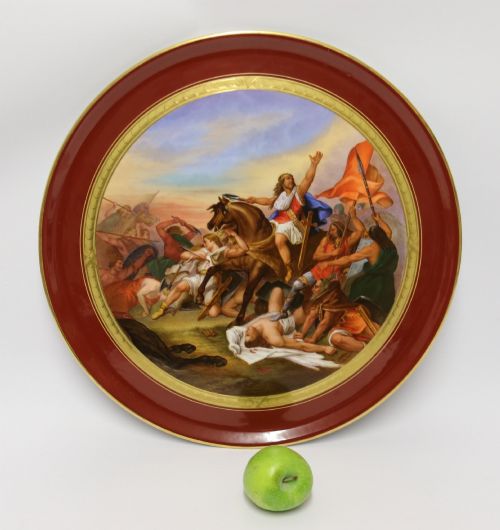
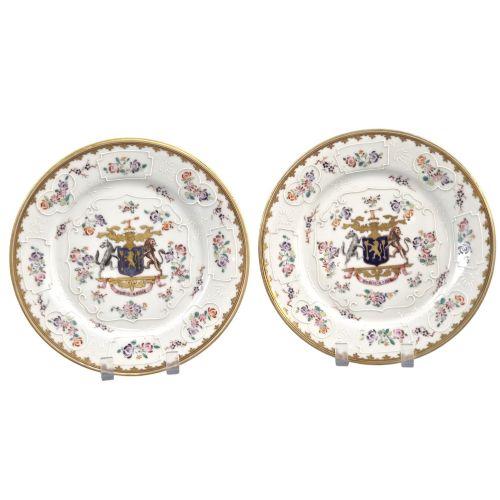
The category spans domestic items like tea services and perfume bottles alongside purely decorative chargers, urns, and figural groups. Many survivors retain rich gilding and detailed hand-painted scenes reflecting the shifting aesthetic demands of the nineteenth century.
What varies in quality
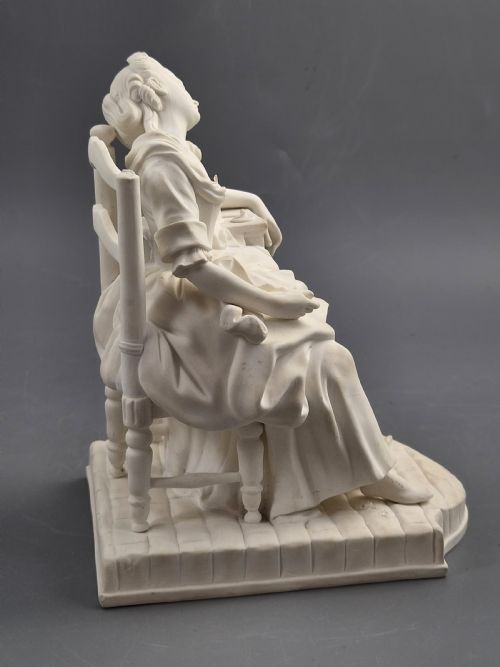
The refinement of hand-painted detail separates standard decorative wares from exceptional pieces, particularly in figural expressions and miniature landscape or battle scenes. Crisp moulding in sculptural groups and well-defined relief work on gilt bronze mounts indicate superior workshop standards.
The application and preservation of gold leaf and enamel also determine the grade of a piece, with thick, burnished gilding indicating high-status production. Furthermore, the fidelity of historical emulation - whether in a Sèvres-style vase or a Chelsea-derived figure - influences desirability among collectors.
Henry Marc·Edme Sampsom·Jacob Petit·Bourdois & Bloch·Letu & Mauger·Pucher Deroche·Jean-Pierre Feuillet·Vion & Baury·Eugene Clauss
The Antique Paris Porcelain Glossary
- Hard-Paste Porcelain
- A dense ceramic composed of kaolin and petuntse fired at high temperatures. It resists scratching and accepts a bright glaze.
- Biscuit Porcelain
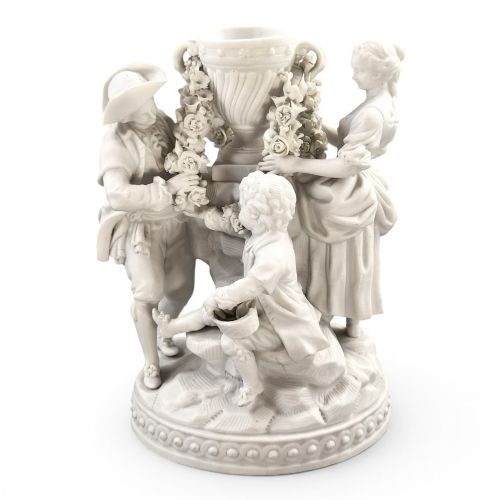
- Unfired or once-fired unglazed porcelain with a matte texture. It resembles white marble and was favoured for nineteenth-century figures.
- Vieux Paris
- A collective term for porcelain produced by numerous independent workshops in and around Paris before and during the nineteenth century. The phrase translates literally to Old Paris.
- Ormolu
- Gilded bronze mounts applied to clocks, vases, and decorative objects. The technique involves treating metal with an amalgam of gold.
- Enamel
- Opaque vitreous material fused to the surface of porcelain for decoration. Raised white enamel adds tactile dimension to floral motifs.
Antique Paris Porcelain: Frequently Asked Questions
What is old paris porcelain?
Old Paris porcelain refers to the diverse ceramic output from various independent Parisian factories operating from the late eighteenth through the nineteenth century.
These kilns produced unmarked or variously marked domestic tableware and decorative items without adhering to a single royal standard.
How do I identify reproduction marks?
Nineteenth-century factories like Samson frequently applied imitated marks of earlier ceramic centres, such as gold anchor symbols or Chelsea motifs.
Identifying these pieces depends on recognising the distinct paste, enamel palette, and manufacturing style of the later Parisian workshop rather than relying on the mark alone.
Were these pieces used daily?
Many items, including cabinet cups, tea services, and cabinet mugs, were designed for domestic use within affluent nineteenth-century households.
Larger vases, urns, and figural groups served primarily as mantelpiece ornaments and drawing-room displays.
How should I clean porcelain with gilding?
Gilded and hand-painted surfaces require gentle dusting with a soft, dry cloth to prevent abrasion of the metallic leaf.
Moisture and chemical cleaners should be avoided to protect fragile enamel details and nineteenth-century pigments.