




Gilt Porcelain Flower Vases
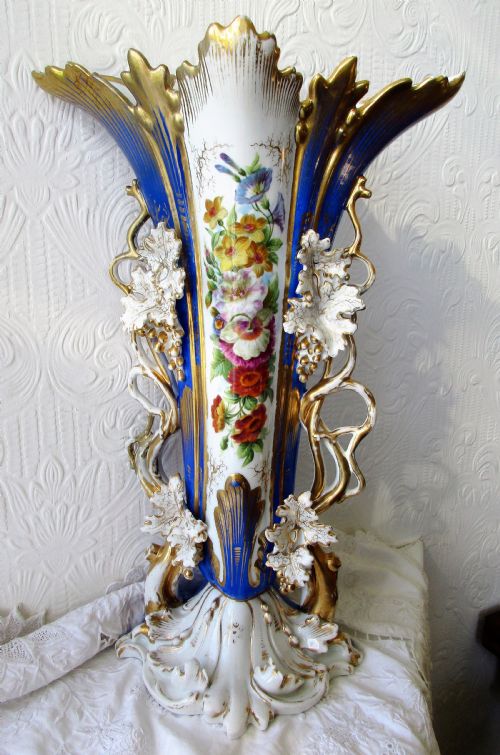
These gilt porcelain flower vases bring hand-painted floral panels, gilded scrollwork and rich ceramic bodies straight into your rooms.
Gilt Porcelain Flower Vases
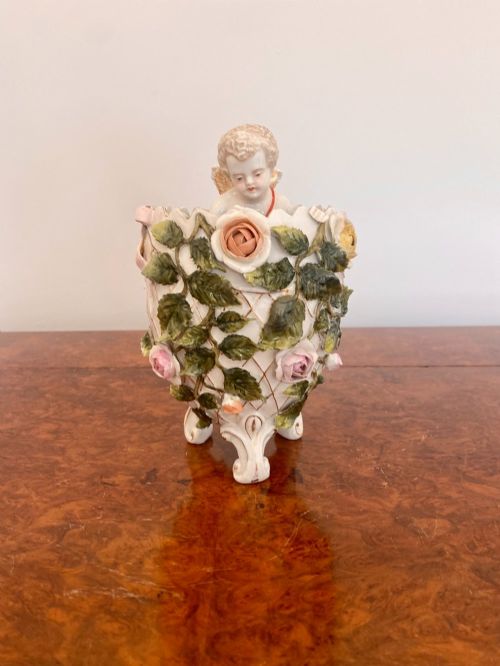
When you search for gilt porcelain flower vases, you encounter a varied selection of ceramic vessels shaped as urns, bough pots, bud vases and cachepots. These pieces span centuries of production, taking forms from Georgian bough pots and Victorian garnitures to Edwardian imari vessels and Art Nouveau creations.
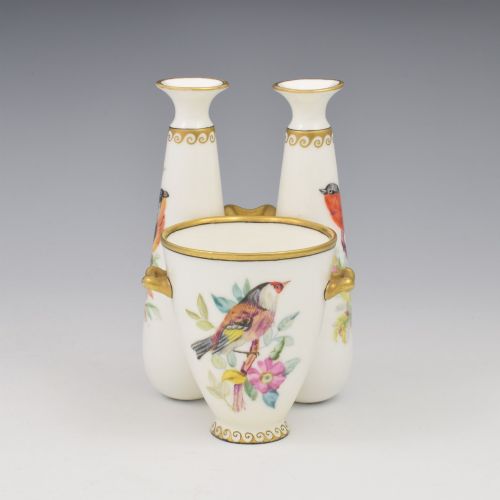
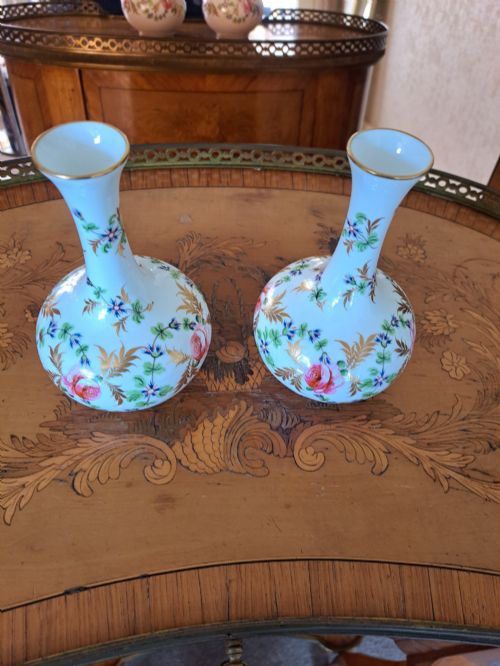
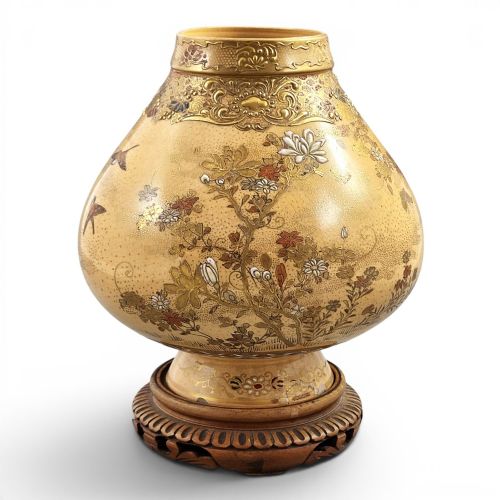
The version you are most likely to meet on this page is the nineteenth century English or French decorative vase, often hand-painted with botanical or ornithological scenes and highlighted with gold leaf. Makers from Royal Worcester, Derby and Old Paris dominate these selections, alongside continental factories and Japanese Kyoto Satsuma workshops.
Forms range from intimate spill vases to substantial pairs and matched sets. The decorative vocabulary shifts from Rococo Revival curves to clean floral motifs, uniting diverse manufacturing traditions under the shared presence of porcelain and gilding.
Materials and production
Makers shaped these objects using refined porcelain, bone china and earthenware bodies, which were then fired to create durable ceramic foundations. Artisans applied hand-painted pigments, raised white enamel and cobalt grounds directly onto the glazed surfaces.
Gilding and gold leaf were hand-applied to rims, handles and raised motifs before a final low-temperature firing fixed the metallic lustre. This combination of ceramic bodies, enamel paints and applied gold required precise temperature control during multiple kiln firings.
Gilt Porcelain Flower Vases Retail Price Guide 2026
Typical asking prices for gilt porcelain flower vases among the pieces listed under this phrase on Sellingantiques today, from the lower quarter to the upper quarter. They describe what is for sale here now, not the wider market.
Cattle painted by Stinton graze peacefully across eighteenth-century porcelain surfaces.
Factors of quality
The distinction between standard production and exceptional work rests on the precision of the hand-painting and the depth of the gilding. Finely detailed botanical studies, ornithological portraits and landscape scenes executed by named artists separate superior pieces from standard floral decoration.
The crispness of the porcelain moulding and the heaviness of the gold leaf determine the overall presence of the vase. Well-preserved gilding with minimal rubbing and balanced proportions across matched pairs indicate higher workshop standards.
Royal Worcester·Crown Derby·Kinkōzan Workshop·Samson Paris·Meissen·Royal Dux·Ernst Wahliss·Coalport
The Gilt Porcelain Flower Vases Glossary
- Gilt
- Covered thinly with gold leaf or gold paint. This metallic embellishment highlights handles, rims and relief details on ceramic bodies.
- Bough pot
- A specialised vessel designed to hold cut flowering branches rather than single stems. These often include pierced covers to keep branches separated.
- Cachepot
- An ornamental container used to hold a flowerpot. These pots conceal standard utilitarian plant containers behind decorative ceramic walls.
- Garniture
- A set of three or more matching vases designed to be displayed together on a mantelpiece or sideboard. They typically comprise a central taller piece flanked by matching smaller vessels.
- Imari
- A style of ceramic decoration featuring deep cobalt blue, iron red and gold. This aesthetic originated in Japan and influenced European factories throughout the nineteenth century.
Gilt Porcelain Flower Vases: Frequently Asked Questions
What are gilt porcelain flower vases?
These pieces are ceramic vessels manufactured from porcelain or bone china, decorated with painted scenes and finished with gold leaf or gilding. They were produced in various forms including urns, bough pots and spill vases.
They serve as decorative mantel and table ornaments, combining ceramic art with functional plant display.
How were these vases used?
Owners placed them on mantelpieces, consoles and dining tables to display cut flowers, garden roses and flowering branches. Matched pairs and garniture sets decorated formal reception rooms.
Many functioned purely as decorative objects rather than practical vessels, especially larger garniture pieces and cachepots.
How do I care for gilt porcelain?
Clean these surfaces gently with a dry, soft cloth to remove dust without disturbing the hand-painted enamels or worn gold leaf. Avoid harsh chemical cleaners and water immersion.
Keep them away from direct sunlight and areas prone to heavy temperature fluctuations to preserve the ceramic glaze and metal leaf.
How can I tell the periods apart?
Nineteenth-century pieces often display Rococo Revival curves, heavy gilding and hand-painted floral panels. Art Nouveau examples feature stylized natural lines and softer colour palettes.
Factory marks on the undersides, combined with stylistic cues like raised white enamel or imari patterns, help identify specific manufacturing decades.