



Gilded White Porcelain Vases
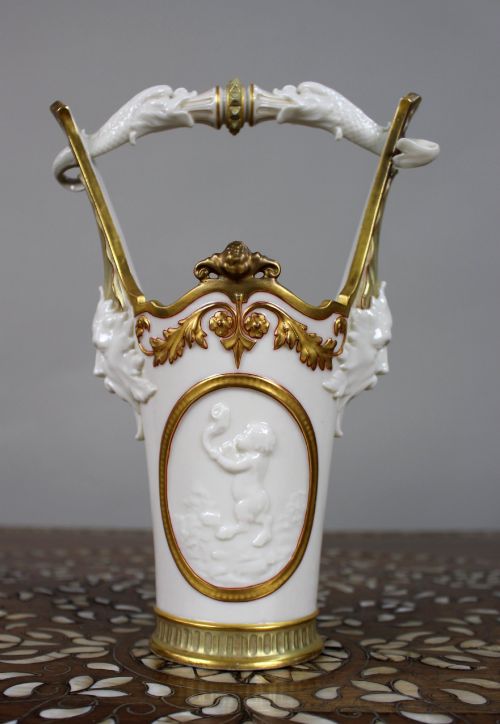
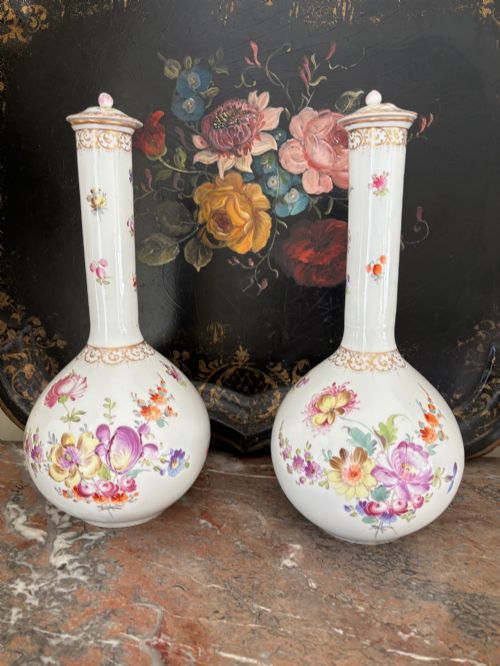
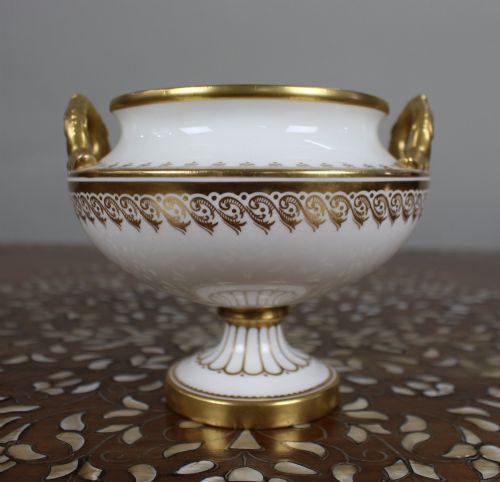
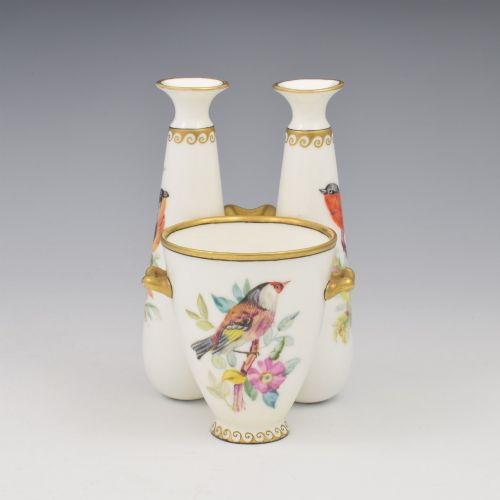
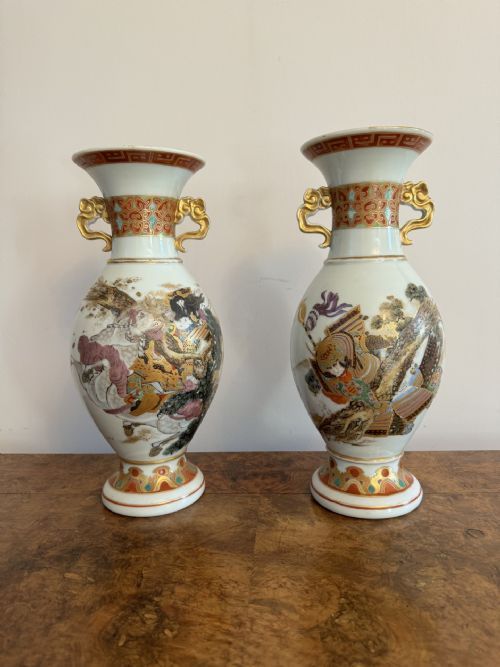
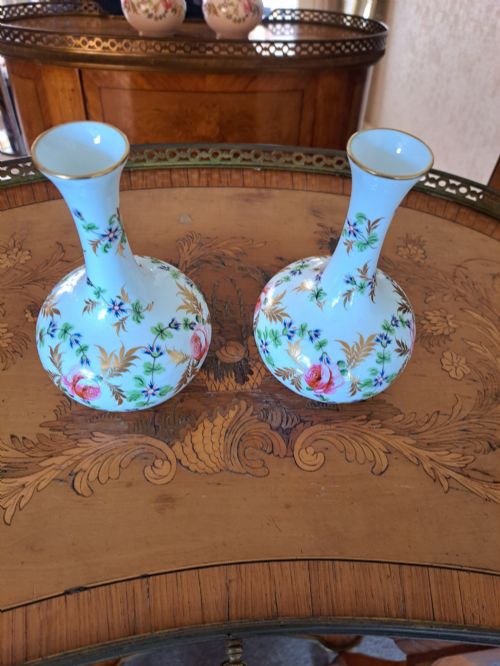
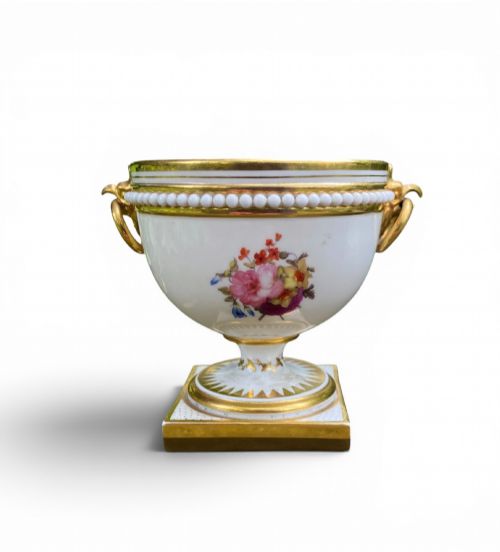
These gilded white porcelain vases bring classical refinement and meticulous hand-painted detail to any interior scheme.
Gilded White Porcelain Vases
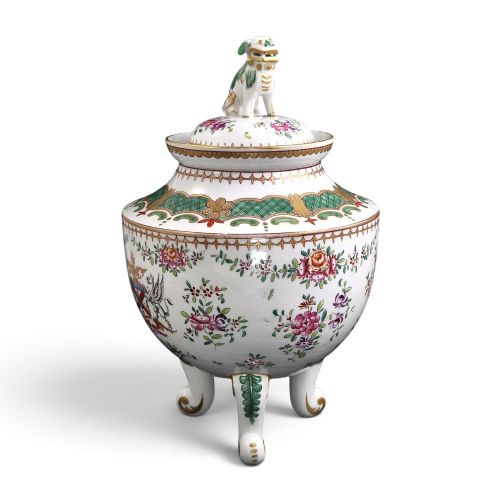
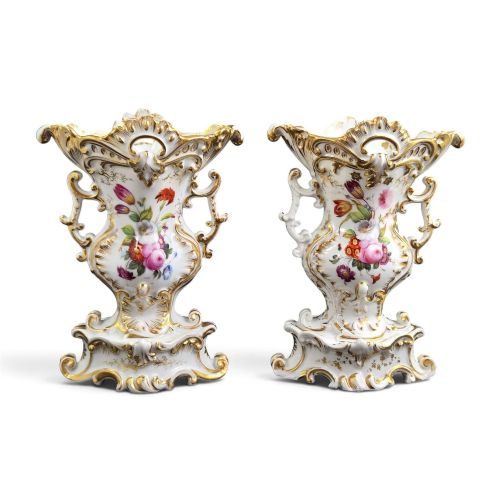
When searching for gilded white porcelain vases, collectors encounter a diverse range of European and Asian ceramic traditions spanning several centuries. The selections on this page showcase forms from Georgian urns to Victorian decorative vessels, with nineteenth-century French and English factories appearing frequently.
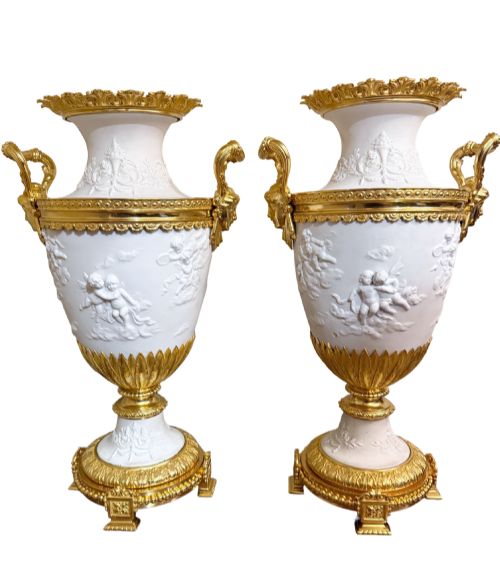
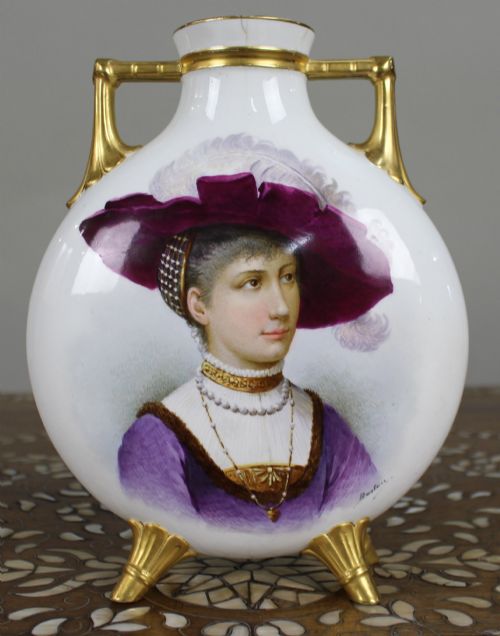
The objects take various shapes, including bulbous lidded vases, campana urns, bud holders, and moon flasks. Many pieces combine crisp white ceramic bodies with elaborate gold leaf highlights, enamel paint, and sometimes gilt bronze mounts.
Originating from renowned European works such as Royal Worcester, Samson of Paris, and various English and continental potteries, these vessels serve primarily as ornamental centrepieces. Buyers often select them to anchor a mantelpiece or to introduce classical elegance into period and contemporary rooms alike.
Factors determining quality
The refinement of the porcelain paste and the crispness of the moulding set baseline standards for each vessel. Superior examples exhibit porcelain bodies that are thin, even, and translucent, whereas lesser pieces appear thick and heavy.
The execution of the hand-painted details and the precision of the gilding separate standard production items from masterworks. Skilled artists employ delicate brushwork and rich gold application that remain sharp and intact after decades of handling.
Listings feature porcelain from the Georgian, Victorian, and Edwardian periods, utilising gold leaf, enamel paint, and gilt bronze.
Royal Worcester·Samson Paris·Jacob Petit·Meissen Porcelain·Flight Barr and Barr·Moorcroft Macintyre
The Gilded White Porcelain Vases Glossary
- Hard-paste porcelain
- A dense, vitrified ceramic composed of kaolin and petuntse, fired at very high temperatures. It resists scratching and presents a bright white vitreous body.
- Gilding
- The application of gold leaf or powder to the surface of the porcelain or metal mounts. This technique creates metallic highlights that frame the hand-painted ceramic body.
- Campana urn
- A vase shaped like an inverted bell with an everted rim and a pedestal foot. Originating in classical antiquity, this form gained immense popularity during the Georgian and Victorian eras.
- Moon flask
- A flattened circular flask with a short neck and two handles, often supported on a small foot. Makers frequently decorated these symmetrical surfaces with floral or figural scenes.
Gilded White Porcelain Vases: Frequently Asked Questions
Where should I display these vases?
Place these decorative vessels on stable surfaces away from direct sunlight and heavy foot traffic. Low mantelpieces, secure console tables, and enclosed cabinets offer ideal environments to showcase their painted details.
Ensure the display location protects the items from accidental knocks. Positioning them where natural light can catch the gold leaf highlights enhances their visual depth.
Were these vessels used for flowers?
Many forms, such as flower holders, bough pots, and specific bud vases, were designed specifically to contain water and botanical arrangements. Other large lidded urns served entirely as decorative mantel ornaments.
Using historical ceramics for fresh water requires caution due to potential hairline cracks in the interior glaze. Many collectors prefer to display them dry or use protective internal liners.
How can I date a porcelain vase?
Examine the base for factory marks, cyphers, and painter signatures that correspond to established historical periods. Stylistic cues like Neoclassical revival shapes or Rococo scrollwork also provide reliable chronological markers.
Compare the weight, glaze opacity, and gilding technique with known examples from specific eras. Factory archives and specialist reference books help confirm the exact decade of manufacture.