




Antique Panel Painting
An antique panel painting brings centuries of rich brushwork and stable wooden support directly into your home.
Antique Panel Painting
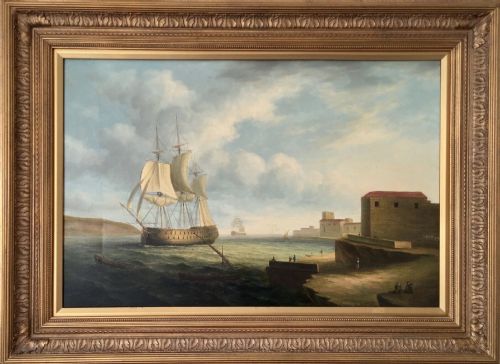
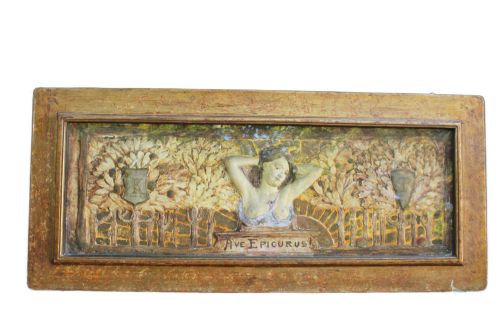
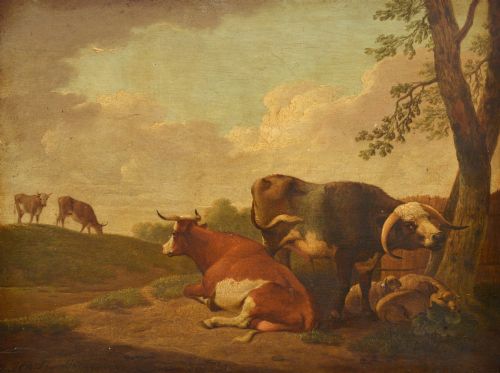
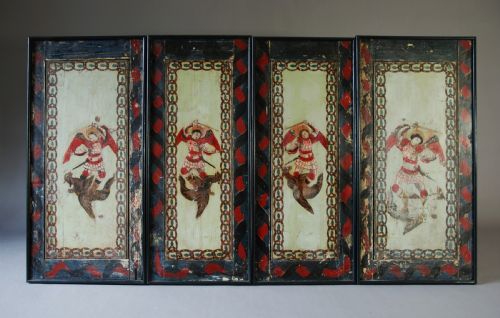
When you search for an antique panel painting, you are looking at historical artwork executed directly on rigid wooden supports rather than flexible canvas. These pieces span from the seventeenth century through to the early twentieth century, capturing landscapes, portraits, and still lifes.
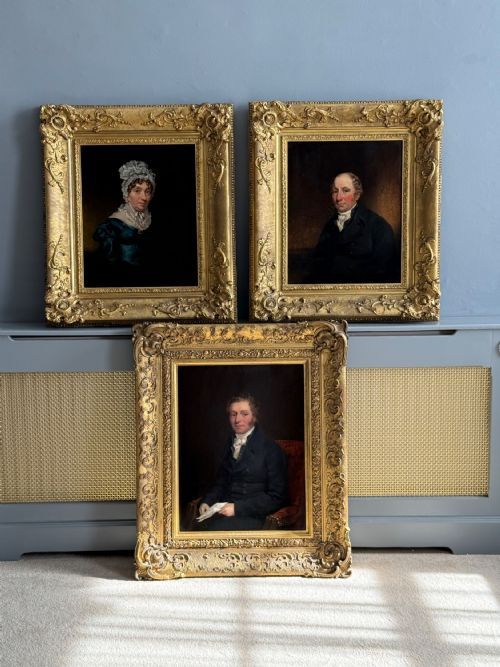
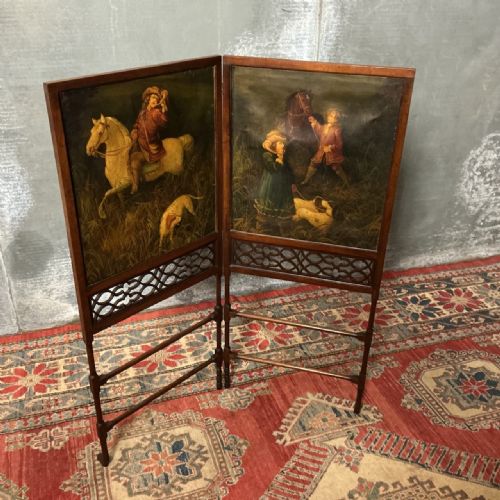
The most common versions you will meet on this page originate from nineteenth-century British and European schools, often featuring pastoral scenes, windmills, or intimate portraits painted on oak, mahogany, or general wood panels.
Collectors prize these works for their survival through the centuries and the distinct tactile quality that wood provides as a painting ground. Each piece offers a window into historical artistic techniques and regional traditions.
Materials and Construction Techniques
Artists painted primarily with oil paint applied to prepared wooden panels, occasionally utilising copper or metal panels for miniature and detailed studio works. Wood selection varied from sturdy oak to soft pine and mahogany, chosen for its grain and stability.
Preparation involved sealing the wooden surface with gesso or priming layers to create a smooth, durable ground that held the pigment securely over generations. This rigid foundation prevented the cracking and sagging often seen in older stretched canvases.
Listings feature wood panels, oil paint, canvas, and glass across periods from the seventeenth century to the Edwardian era.
Judging Quality and Execution
Quality rests heavily on the confidence of the brushwork and the anatomical or spatial accuracy achieved by the artist, distinguishing skilled academic hands from naive provincial output. Fine pieces display subtle tonal transitions and atmospheric depth that draw the viewer into the composition.
The stability and preparation of the wooden support also dictate value, with well-seasoned panels showing minimal warping or splitting across the centuries. Original framing, particularly period gilt or carved wooden frames, further enhances the integrity of the surviving artwork.
Joseph Clover RA·Achille Brocot·Tom Campbell·Hendrik Willem Schweickhardt·Pierre Mignard·Michelangelo Meucci
The Antique Panel Painting Glossary
- Oil paint
- A slow-drying paint made by combining pigments with drying oils such as linseed. It allows artists to blend colours smoothly and build rich, luminous layers.
- Gesso
- A white paint mixture consisting of a binder mixed with chalk, gypsum, or pigment. Painters applied it to wooden panels to create a smooth, absorbent surface for oil or tempera.
- School
- A group of artists sharing a similar style, time period, or geographical region, often following the teachings or manner of a master. This designation helps attribute unsigned historical works.
- Trumeau
- A decorative architectural wall mirror featuring an oil painting or carved panel incorporated into the upper section. These fixtures became popular in refined interiors during the eighteenth and nineteenth centuries.
- Still life
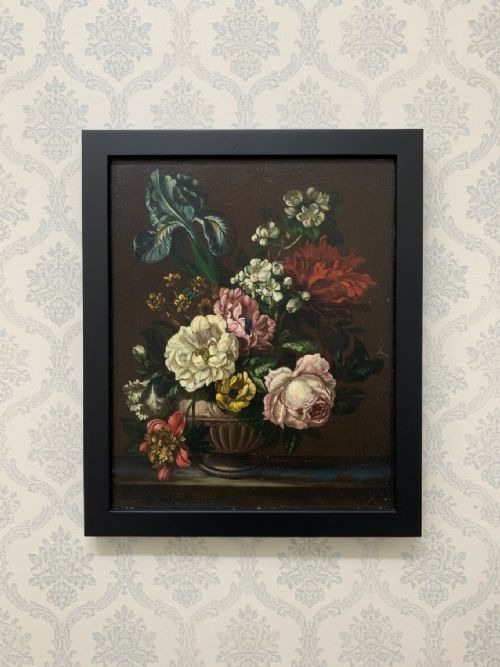
- A work of art depicting mostly inanimate subject matter, typically commonplace objects such as flowers, fruit, or game. Artists used these arrangements to showcase texture, light, and colour harmony.
Antique Panel Painting: Frequently Asked Questions
What is an antique panel painting?
An antique panel painting is a historical work of art executed on a rigid support, usually wood, rather than canvas.
These pieces range from small seventeenth-century portraits to larger nineteenth-century landscapes and domestic scenes.
How should I hang panel paintings?
Panel paintings require stable indoor environments away from direct sunlight and dramatic changes in temperature or humidity.
Mounting them securely using appropriate picture wire and wall fixings ensures the wooden support remains safe and level.
Why did artists use wood panels?
Artists favoured wood panels because they offered a perfectly rigid and smooth surface for meticulous brushwork.
Unlike canvas, wooden boards did not slacken over time and provided superior protection for fine, detailed pigments.