




Orthodox Icon Painting
Orthodox icon painting brings centuries of sacred imagery and devout craftsmanship into your space.
Orthodox Icon Painting
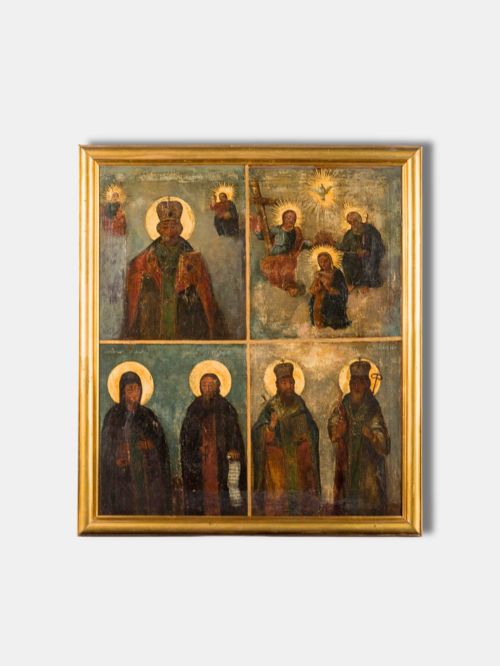
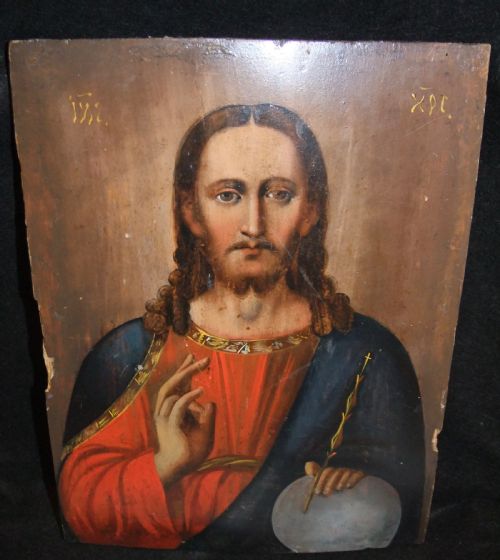
Orthodox icon painting encompasses sacred panel paintings created within religious traditions spanning several centuries. These devotional works frequently depict holy figures, saints, and pivotal biblical narratives intended for prayer and veneration.
You are most likely to encounter nineteenth-century Russian examples on this page, often rendered on wood panels using traditional pigments. These pieces range from intimate devotional panels to larger works complete with metallic oklads.
The materials and subjects reflect enduring theological canons, drawing on Russian Orthodox traditions that prioritized spiritual resonance over individual artistic expression. Each panel serves as a window into historical religious devotion.
How they were made
Makers typically prepared wooden panels by applying gesso over a linen ground before painting with egg tempera. Gold leaf was frequently applied to create shimmering backgrounds that signified heavenly light.
Some works incorporate metal coverings known as oklads, hammered in brass or silver to protect and adorn the sacred imagery beneath. Certain pieces employ oil paint on canvas or wood panel, particularly in later periods.
The application of pigments followed strict traditional guidelines, ensuring continuity across generations of iconographers. Artisans combined mineral colours with organic binders to achieve lasting durability.
Materials documented across the collection include tempera, egg tempera, oil, gold leaf, wood, canvas, and brass.
What varies in quality
The presence and craftsmanship of an oklad significantly influence the character of a piece, with finely chased metalwork elevating the visual impact. The preparation of the wooden support and the preservation of the original gesso layer also dictate the overall integrity of the work.
Volga Masters
The Orthodox Icon Painting Glossary
- Icon
- A sacred image representing Christ, the Virgin Mary, or saints, venerated in the Orthodox Church. These panels are treated as focal points for prayer.
- Tempera
- A permanent fast-drying painting medium consisting of coloured pigment mixed with a water-soluble binder, usually egg yolk. It allows for precise detail and lasting luminosity.
- Gold leaf
- Gold beaten into extremely thin sheets used to gild backgrounds and halos. This technique symbolizes the uncreated light of heaven.
- Gesso
- A paint mixture consisting of a neutral binder mixed with chalk, gypsum, or pigment. It provides a smooth surface for painting on wooden panels.
Orthodox Icon Painting: Frequently Asked Questions
What is an orthodox icon painting?
An orthodox icon painting is a sacred religious artwork depicting holy figures, created according to traditional canons for prayer and veneration.
These pieces function primarily as objects of devotion rather than decorative art, embodying centuries of theological and artistic heritage.
How do I care for a wooden icon?
Keep wooden icons away from direct sunlight, radiators, and rapid humidity fluctuations to prevent the panel and gesso from cracking.
Handle them gently by the edges and avoid using any liquid cleaners on the painted surface or metal oklad.
How can I tell the period of an icon?
Dating relies on stylistic conventions, the preparation of the wood panel, the type of pigments used, and any associated inscriptions or metalwork.
Nineteenth-century pieces often display distinct handling of oil or tempera compared to earlier eighteenth-century works from specific regional schools.
Were these icons used in homes or churches?
Icons were created for both domestic prayer corners within homes and for larger iconostases within churches.
Smaller panels served personal devotional needs, while larger works formed part of multi-tiered screens separating the sanctuary from the nave.