
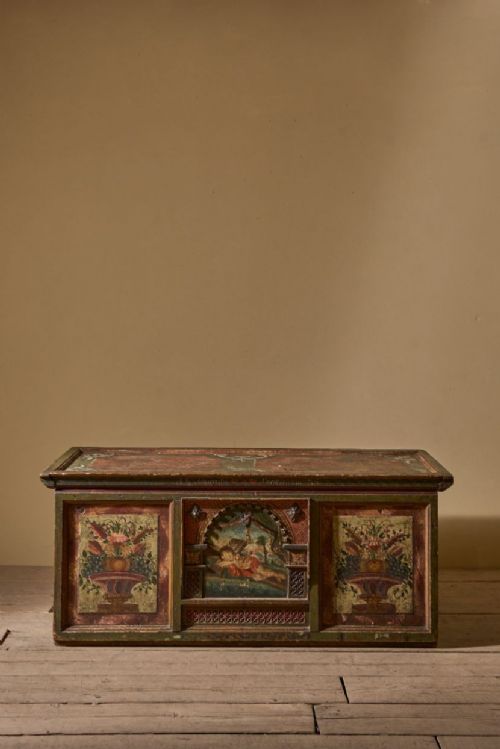
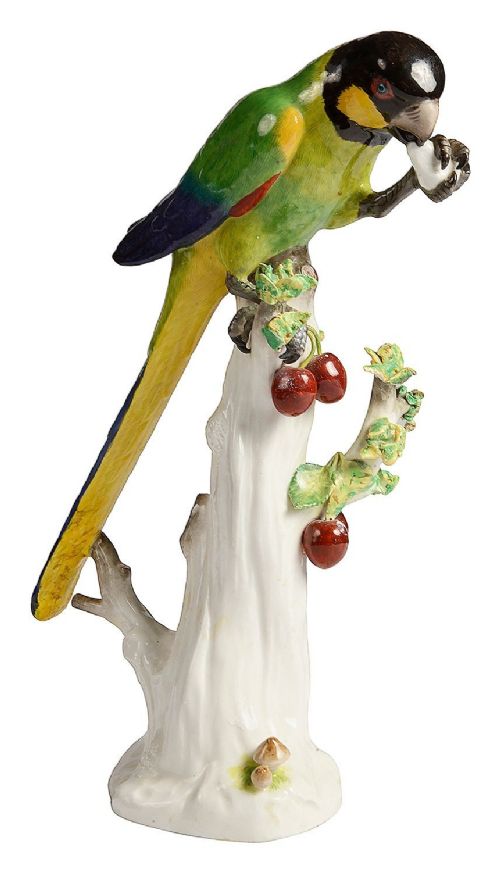
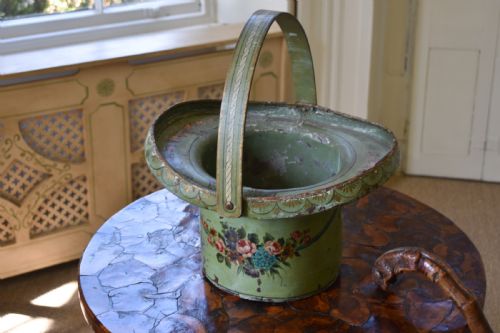
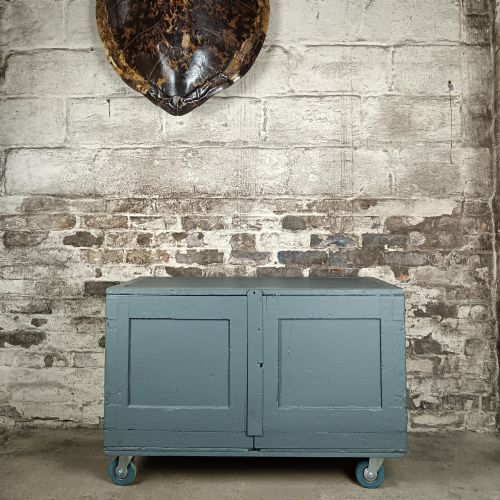
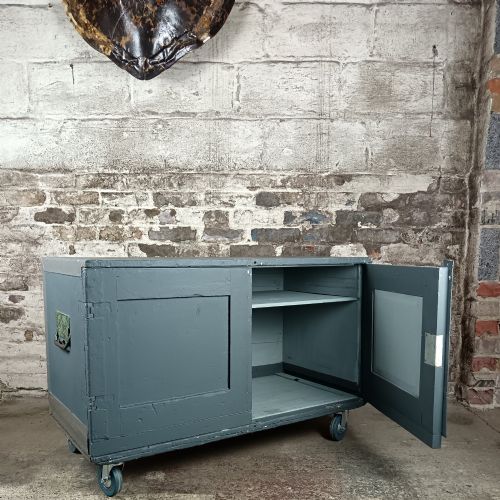
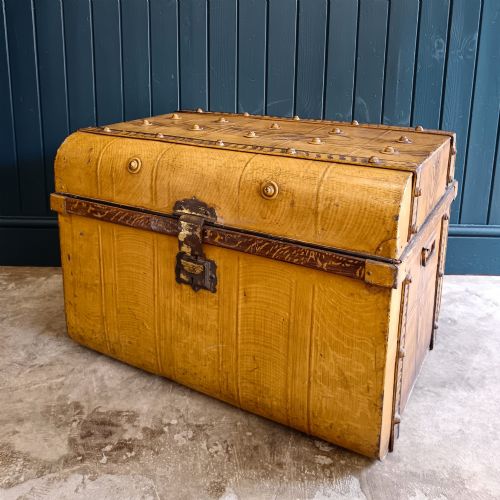
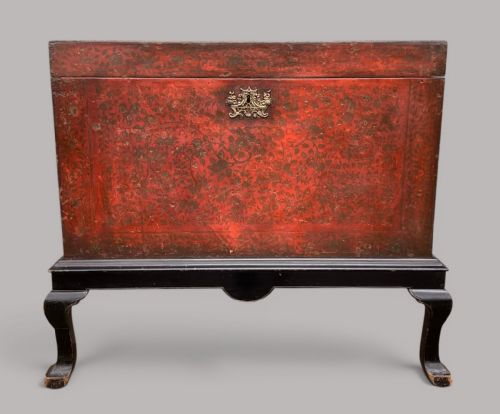
Antique Painted Trunk
An antique painted trunk brings storage, history and vibrant colour to a room through centuries of decorative traditions.
Antique Painted Trunk
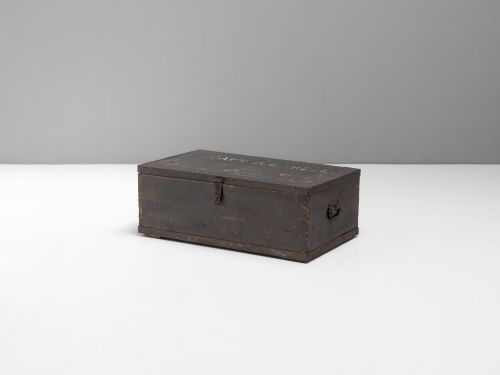
An antique painted trunk serves as a practical storage box and a decorative focal point, emerging across various regional workshops and global trade routes. Buyers encounter pine marriage chests, dome top boxes and heavy travel cases carrying centuries of surface history.
The pieces on this page span the Georgian, Victorian and later periods, originating from English workshops, Scandinavian rural communities and continental Europe. Regional styles range from folk art florals to utilitarian campaign metalwork.
Materials and construction
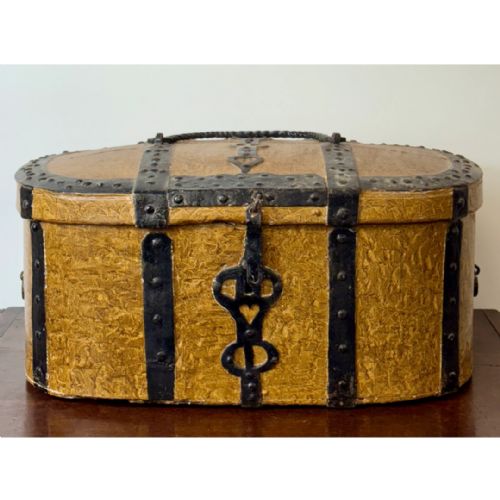
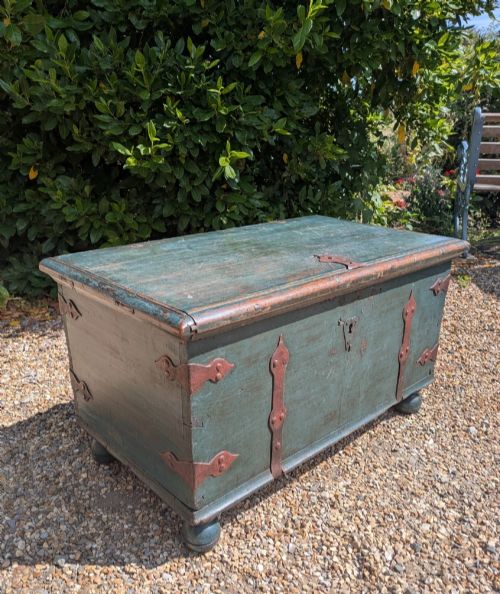
Carpenters built these trunks primarily using solid pine, mounting lids with sturdy hinges and reinforcing corners with hand forged iron strapwork or brass fittings. Some utilitarian transport pieces utilise iron and metal plating for durability on long journeys.
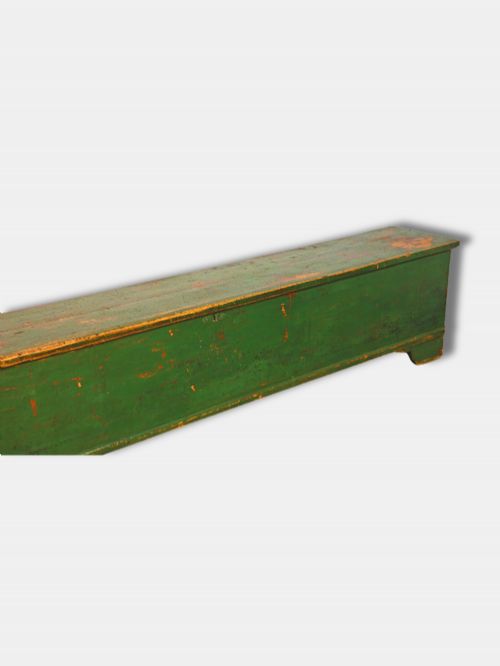
Surface decoration relies on pigment, paint, lacquer and scumble applied over wood or leather. Artisans built up layers of colour to protect the timber while expressing regional folk art motifs or imitating luxury materials like faux wood.
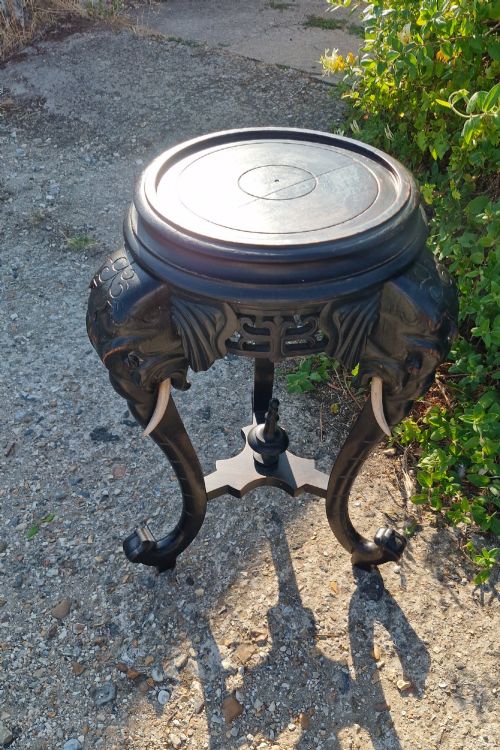
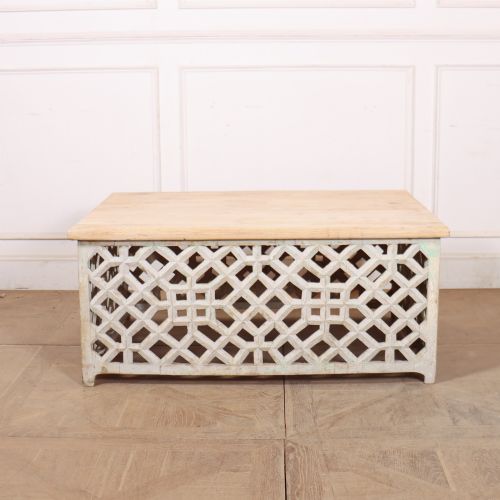
One elephant table managed to acquire painted wooden tusks during its long Victorian journey.
Assessing quality and survival
Quality rests in the survival of the original surface paint and the integrity of the underlying timber box. Trunks retaining their first decorative scheme without heavy overpainting command greater interest from collectors.
Construction details reveal the maker's hand, from dovetail joints on the carcase to hand beaten ironwork and interior wallpaper linings. Pieces retaining original locks, keys and functional strapwork demonstrate superior care over time.
The Antique Painted Trunk Glossary
- Scumble
- A paint technique involving a translucent glaze dragged over a lighter base colour to create mottled, textured effects resembling grain. This finish appeared frequently on 19th century utility pieces.
- Mule chest
- A storage chest featuring one or more drawers beneath the main compartment. These hybrid forms bridge the gap between simple blanket boxes and full chests of drawers.
- Strapwork
- Metal bands, hinges or braces fastened across the exterior of a trunk for structural reinforcement. Hand forged iron versions add both strength and decorative contrast to painted wood.
- Dome top
- A curved lid construction designed to shed water during travel and transit. This profile appears frequently on maritime and carriage trunks.
- Kist
- A traditional regional term for a heavy wooden storage chest or box. These pieces served domestic storage needs across northern European households.
Antique Painted Trunk: Frequently Asked Questions
How were antique painted trunks used?
These trunks held household textiles, clothing, blankets and personal valuables in domestic settings, whilst tougher metal and wood variants transported belongings across land and sea during military campaigns or emigration.
Over generations, families relied on them for secure, dust-free storage before fitted wardrobes and modern closets replaced them in the home.
How do I clean a painted trunk?
Dust the surface gently with a soft, dry cloth and avoid modern chemical polishes or water, which can damage aged pigments and lift fragile painted decoration.
Preserve the existing patina by applying microcrystalline wax sparingly only if the dry timber or paint requires nourishment.
Are these trunks suitable for daily use?
Sturdy pine and iron-strapped trunks offer robust internal storage for blankets, bedding or shoes while functioning well as coffee tables or window seats in modern living spaces.
Ensure interior surfaces are clean and dry before storing textiles to prevent moisture transfer or staining over time.
How can I tell the period?
Examine the construction methods, hinge types, nail marks and lock mechanisms, as hand forged iron and cut nails point towards earlier Georgian and Victorian eras.
Compare the pigment types, decorative motifs and stylistic traits against regional folk art traditions to narrow down the decade of manufacture.