



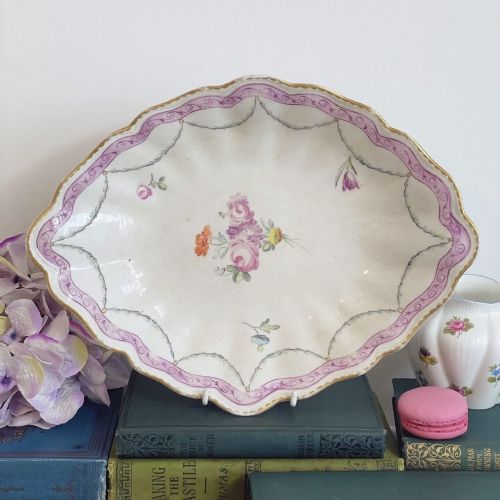
Antique Painted Porcelain Plate
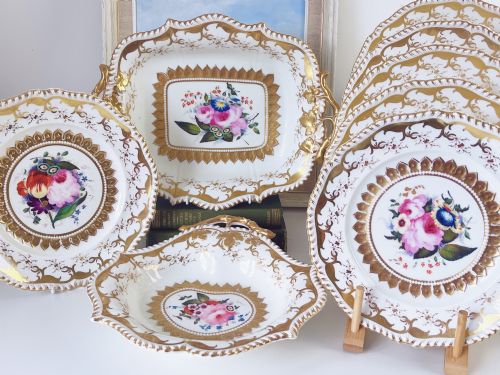
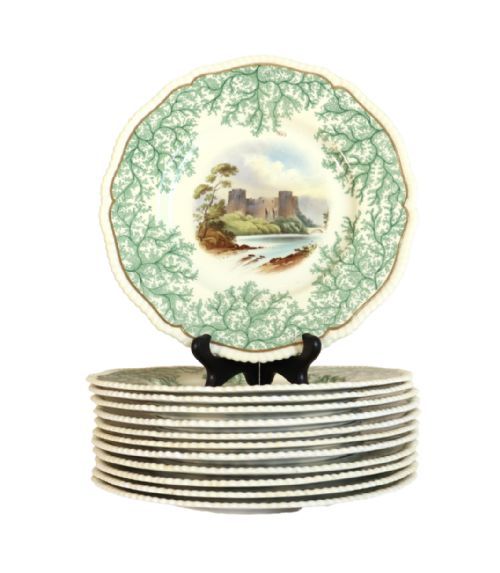
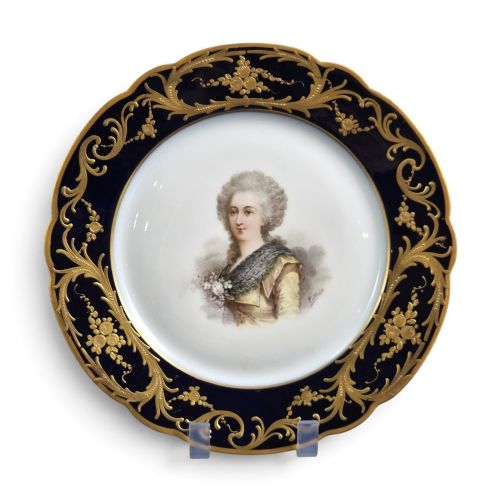
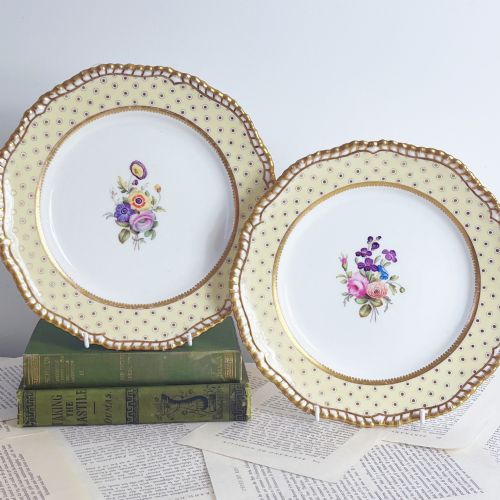
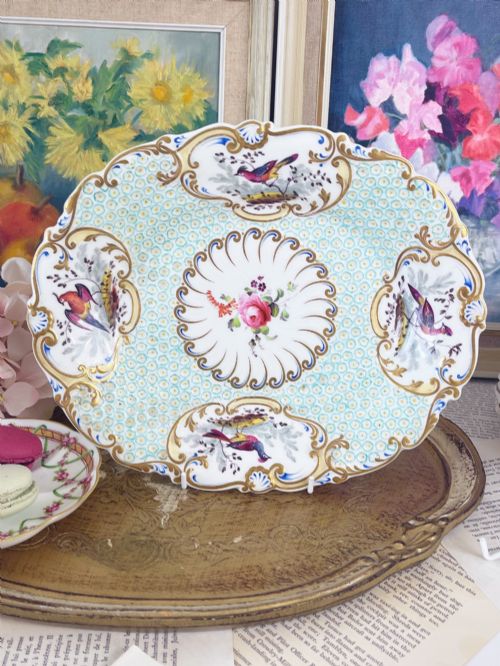
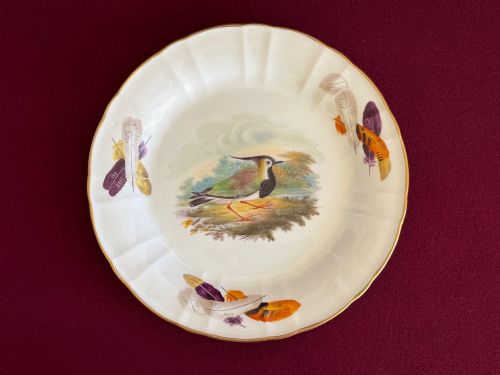
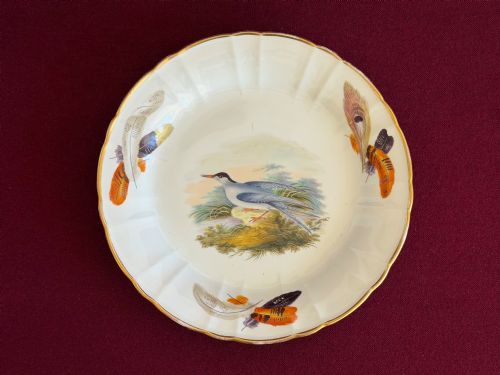
An antique painted porcelain plate brings hand-rendered botanical studies, ornithological scenes, and classical landscapes directly into your home on a fine ceramic surface.
Antique Painted Porcelain Plate
When you search for an antique painted porcelain plate, you encounter functional dining wares alongside purely decorative cabinet pieces designed for display. These objects span from the eighteenth century through the early twentieth century, originating from English potteries, continental European factories, and Japanese export workshops.
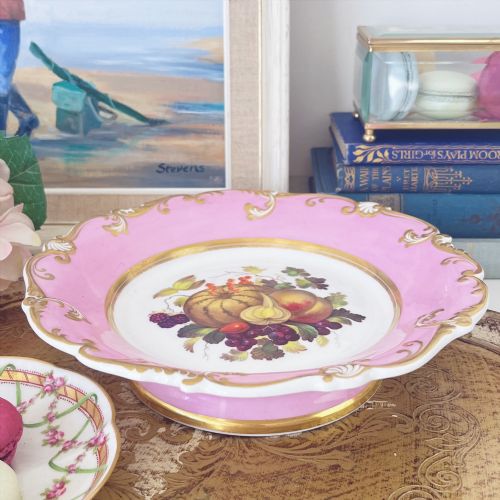
The selections on this page appear as cabinet plates, deep chargers, dessert dishes, and serving comports. English factories like Royal Worcester and Spode dominate the domestic offerings, while French Sèvres-style works and Japanese Imari wares represent international traditions.
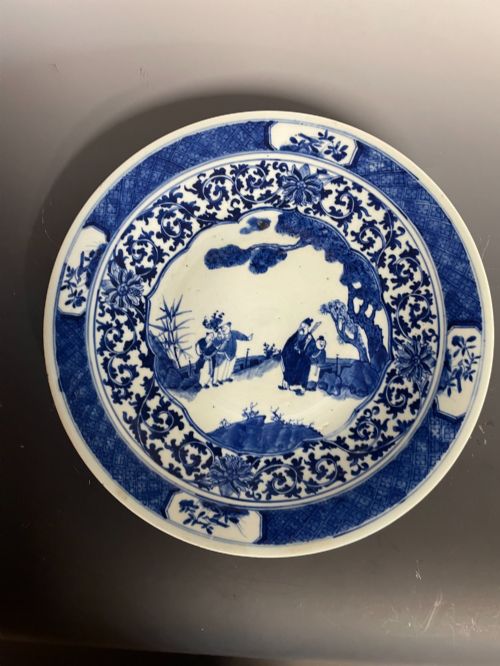
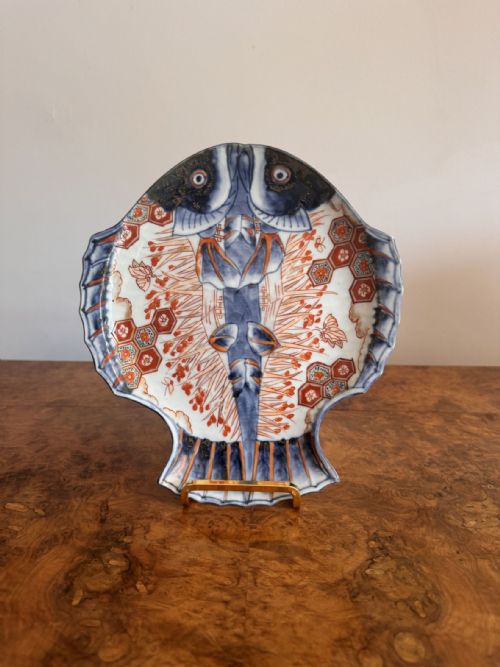
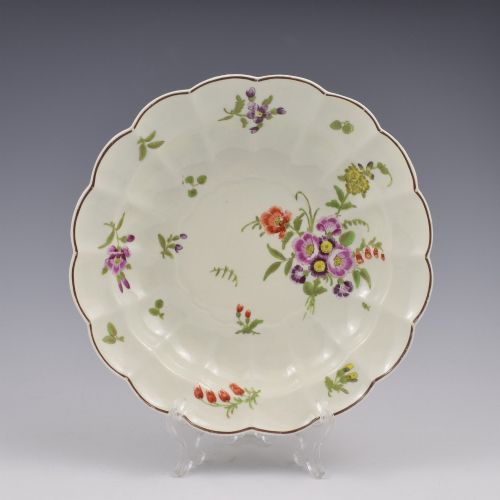
Forms vary from standard circular dinner plates to lobed soup dishes, octagonal fretted shapes, and unusual fish-form platters. Each piece serves primarily as a canvas for hand-rendered motifs, whether depicting English field fruits, exotic birds, or cobalt portraits.
How They Were Made
Potters shaped these objects using hard-paste porcelain, bone china, and earthenware, applying a smooth glaze before firing the ceramic body. Artisans then painted motifs by hand using mineral enamels, frequently incorporating raised gold leaf and intricate gilding to accentuate borders and central scenes.
The painted decoration required multiple firings in kilns to fix the polychrome pigments and metallic leaf onto the glazed surface. Specialised painters executed fine details, from botanical specimens and ornithological studies to historical battle scenes and portraits.
One exceptional nineteenth-century Japanese imari plate takes the delightful form of a swimming fish.
What Varies in Quality
Quality rests upon the skill of the hand-painting and the renown of the decorating artist or factory. Pieces featuring signed work by recognised painters command greater attention than standard factory output.
The complexity of the enamel palette, the crispness of the gilt work, and the depth of the porcelain body separate standard decorative wares from exceptional cabinet plates. Preservation of the original hand-painted surface without loss to the enamel or gilding determines the standing of an individual piece.
Grainger Lee And Co·Spode·H And R Daniel·Wedgwood·Dr Wall Worcester·Derby·Meissen·Royal Worcester·Royal Crown Derby·Chamberlains Worcester·KPM Berlin·Herend Hungary·Coalport·Sevres·Minton
The Antique Painted Porcelain Plate Glossary
- Cabinet plate
- A decorative ceramic dish intended for display on a wall, shelf, or cabinet rather than for table service. These pieces typically feature elaborate hand-painted scenes or rich gilding.
- Comport
- A raised serving dish or tazza supported on a central foot. They often form part of larger dessert services from the nineteenth century.
- Bone china
- A type of soft-paste porcelain incorporating animal bone ash, developed in England to create a durable, bright white ceramic body. It accepts polychrome enamel painting exceptionally well.
- Enamel
- Opaque vitreous coloured glass applied to the surface of fired porcelain as a painting medium. It requires a secondary kiln firing to fuse permanently with the glaze.
- Imari
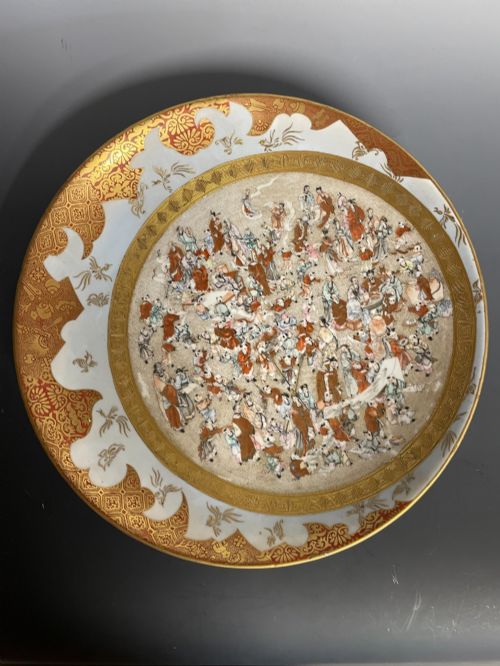
- A style of Japanese export porcelain characterised by a distinctive palette of underglaze blue, iron red, and abundant gold leaf. It heavily influenced European ceramic design during the nineteenth century.
Antique Painted Porcelain Plate: Frequently Asked Questions
What is an antique painted porcelain plate used for?
Historically, these items served upper-class dining tables for dessert courses or functioned as display pieces in formal drawing rooms. Today, collectors primarily exhibit them on walls, plate racks, or specialised stands.
While some robust nineteenth-century examples remain structurally sound for occasional dining, most owners preserve them strictly as decorative works of art to protect the delicate enamel and gilding.
How do I identify the maker of my plate?
Makers mark the underside of the porcelain using printed stamps, impressed ciphers, or hand-painted script. These underglaze marks often indicate the specific factory and approximate production period.
In addition to factory marks, look for handwritten titles of painted subjects or artist signatures near the edge of the central image, particularly on late nineteenth-century cabinet plates.
Are painted porcelain plates fragile?
The ceramic body of hard-paste porcelain and bone china is relatively durable, but the hand-painted enamels and gold leaf on the surface require careful handling. Surface friction can wear down delicate metallic gilding over time.
Display these plates away from direct sunlight to prevent the polychrome enamel colours from fading. Hand wash them gently when necessary without using abrasive cleaning materials.
How can I tell the period of a plate?
Dating relies on factory marks, the composition of the ceramic body, and stylistic clues within the painted artwork. Eighteenth-century pieces often feature softer glaze textures and hand-penciled underglaze blue marks.
Nineteenth-century examples frequently incorporate registration diamonds, printed factory ciphers, or aesthetic movement and rococo revival design motifs that correspond to specific decades.