




Antique Padauk Furniture
Antique padauk furniture comprises richly dense hardwood pieces from the eighteenth and nineteenth centuries, offering a dark timber grain that collectors prize for intricate carving.
Antique Padauk Furniture
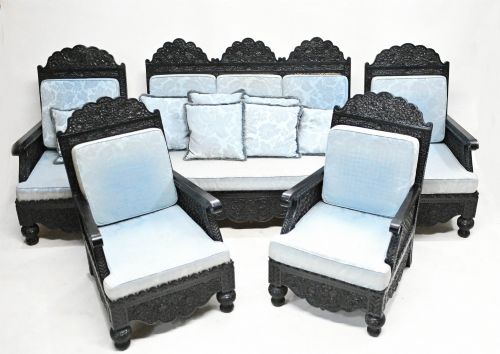
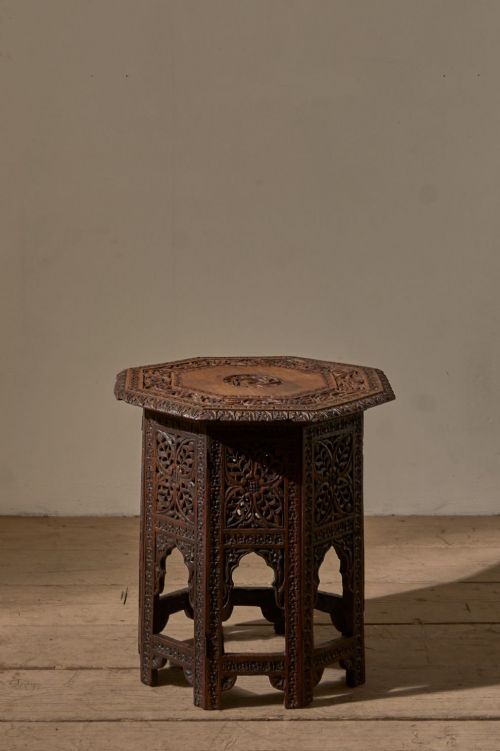
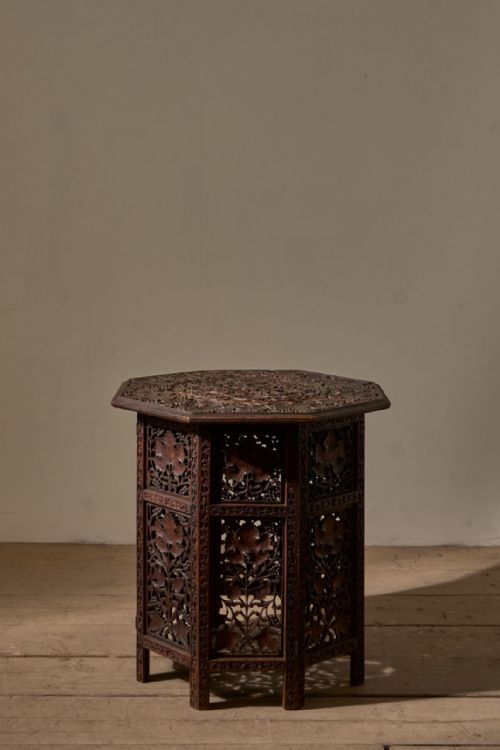
Antique padauk furniture brings together diverse domestic and study forms fashioned from a dense tropical timber, most frequently encountered in nineteenth-century Anglo-Indian and Burmese creations. Buyers exploring this category encounter side tables, library desks, cabinets, and seating that reflect colonial production centres.
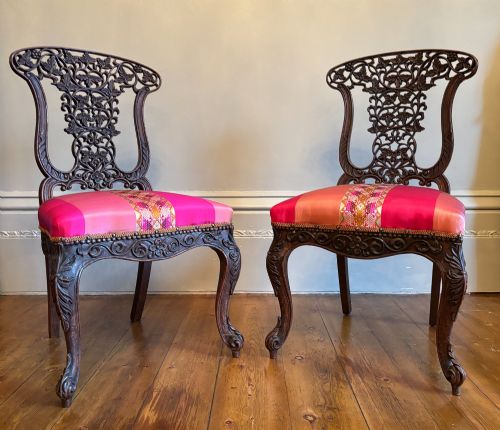
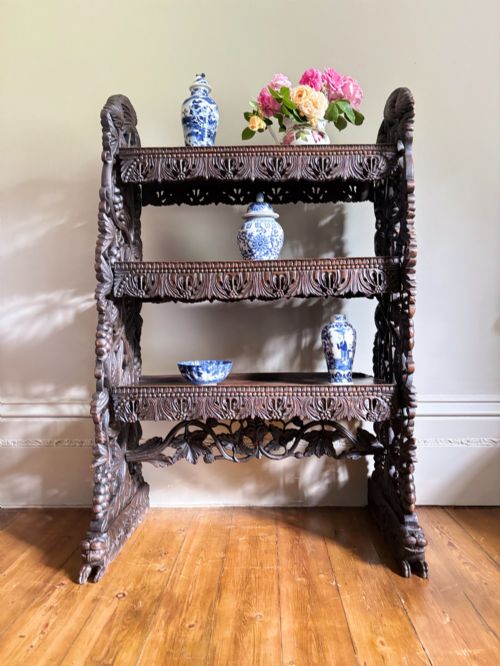
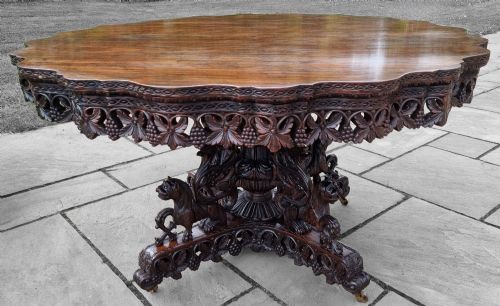
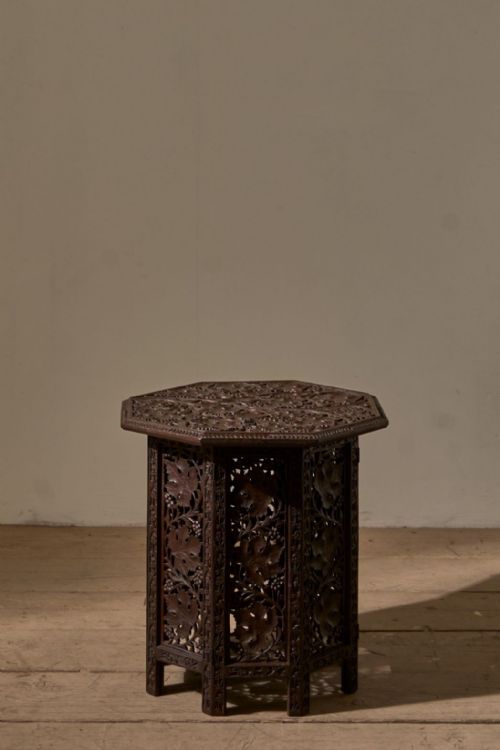
The selections span the Georgian and Victorian eras, alongside Regency and Chinese export manifestations, showcasing regional decorative motifs such as dragons, leaves, and deep relief carving. Chairs, Davenport writing desks, and military chests demonstrate the versatile utility of the timber across different functional types.
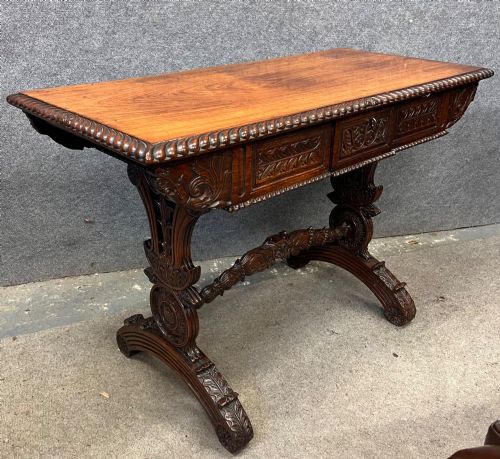
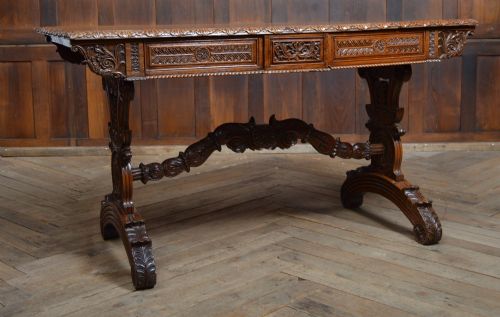
Anglo-Indian and Burmese pieces dominate the available inventory, bringing substantial sideboards, buffets, and partner desks into domestic settings. These items capture a distinct period of cross-cultural design where British forms met indigenous carving traditions.
Distinctions in craftsmanship and design
Quality separates objects by the depth, sharpness, and execution of the carved ornamentation, with superior examples exhibiting crisp botanical or figurative detailing without softness in the edges. The natural figuring and colour consistency of the padauk wood further dictate the aesthetic standing of a piece.
Proportion and structural integrity define the upper tier of these furnishings, where complex forms like partners desks, tiered buffets, and breakfront sideboards maintain balanced symmetry. The integration of original brass fittings and secondary elements completes the standard of superior execution.
Antique Padauk Furniture Retail Price Guide 2026
Typical asking prices for padauk furniture among the pieces listed under this phrase on Sellingantiques today, from the lower quarter to the upper quarter. They describe what is for sale here now, not the wider market.
Materials appearing across the current selection include solid padauk, teak, rosewood, brass hardware, and marble inserts.
The Antique Padauk Furniture Glossary
- Padauk
- A heavy, durable tropical hardwood ranging from rose-red to dark brown in colour, utilised extensively in colonial and export cabinet-making. It darkens further with exposure to light over time.
- Anglo-Indian
- A descriptive term for furniture made in India during the British colonial period, combining European forms with local artisan carving techniques. These pieces often feature dense foliate or animal motifs.
- Partners Desk
- A large freestanding desk designed for two people to work opposite one another, featuring drawers and cupboards on both sides. They frequently incorporate substantial pedestals and leather-inset tops.
- Military Chest
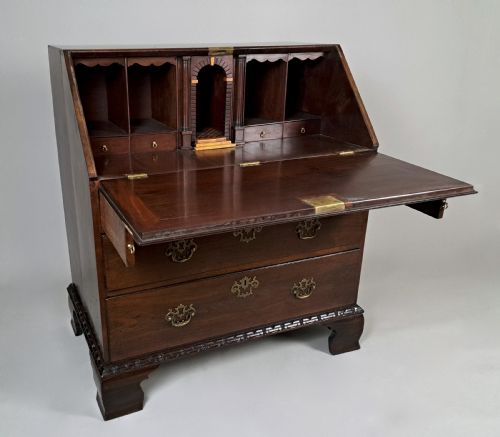
- A chest of drawers built in two or more sections with recessed brass carrying handles and corner brackets, designed for easy transport by officers on campaign. The timber selected needed to withstand severe climatic changes.
- Chippendale Manner
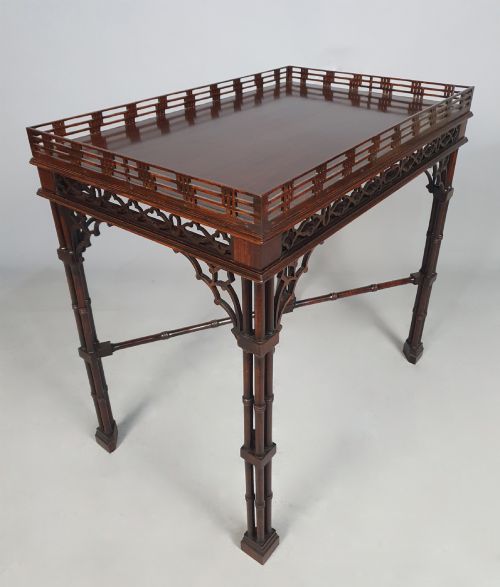
- A style of design following the eighteenth-century pattern books of Thomas Chippendale, characterised by elaborate fretwork and classical motifs. Padauk adaptations of this style demonstrate exceptional cabinet-making skill.
Antique Padauk Furniture: Frequently Asked Questions
How do I care for padauk wood?
Maintain padauk pieces by keeping them away from direct heat sources and strong sunlight, which can alter the rich colour of the timber.
Dust regularly with a soft, dry cloth and apply a quality beeswax sparingly to nourish the grain without building up a heavy film.
How can I identify Anglo-Indian pieces?
Anglo-Indian items are recognised by their fusion of standard British furniture shapes with dense, deeply undercut oriental carving styles depicting leaves, dragons, or figures.
The use of solid padauk or heavy hardwood construction throughout, rather than mere veneering, is a typical indicator of these colonial workshops.
Were these pieces used in homes?
During the eighteenth and nineteenth centuries, these furnishings served administrative and domestic roles in colonial households, officers' quarters, and grand British estates.
Today, items like Davenport desks, sideboards, and centre tables integrate readily into studies, living rooms, and hallways as functional focal points.