

Antique Oval Vanity Mirror
These antique oval vanity mirrors bring distinct period craftsmanship and reflective glass to dressing tables and walls alike.
Antique Oval Vanity Mirror
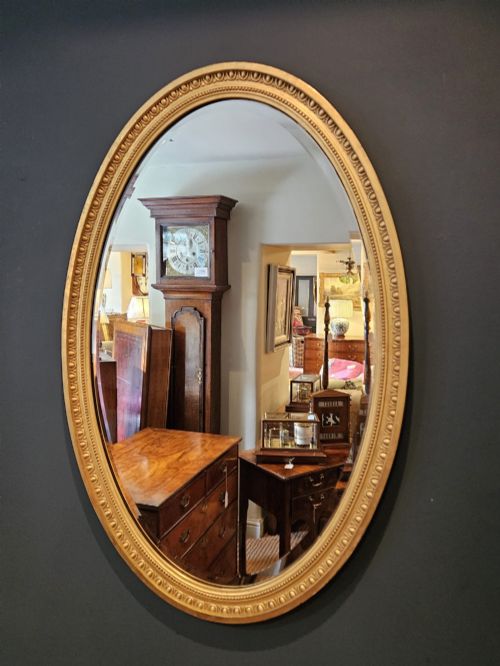
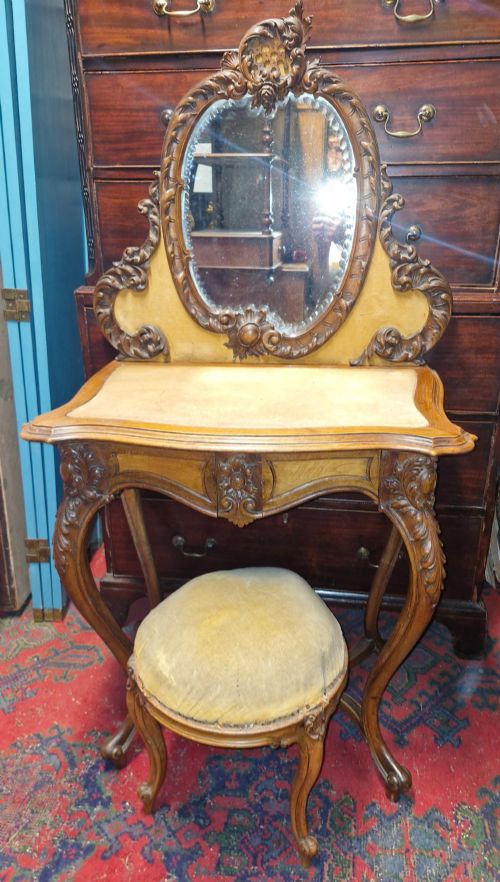
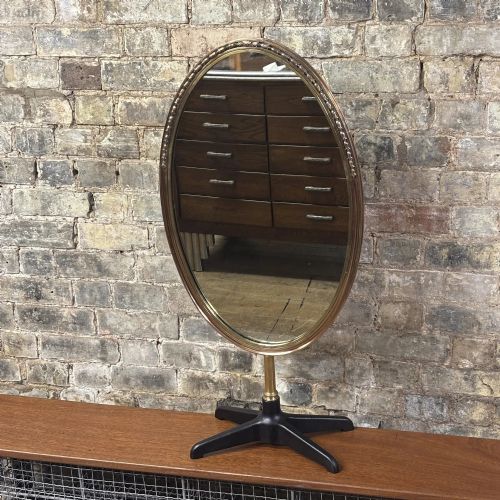
An antique oval vanity mirror serves as both a practical looking glass and a decorative furnishing for dressing tables, bedrooms, and halls. When searching for an antique oval vanity mirror, buyers encounter a range of forms from freestanding swing mirrors with drawer bases to wall-mounted pieces.
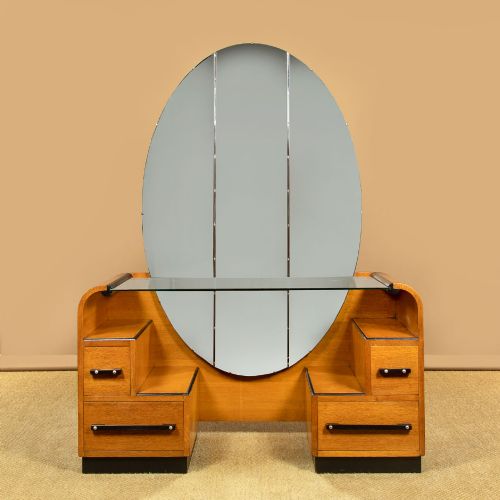
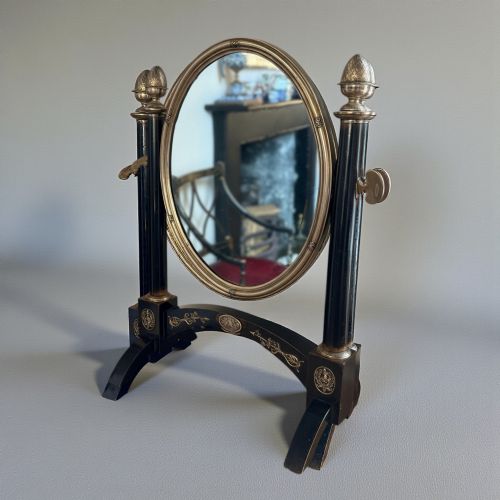
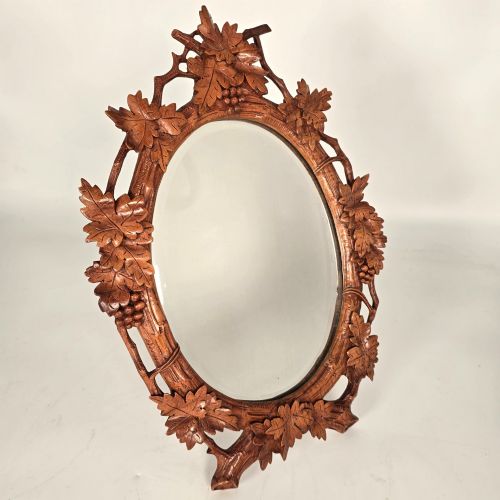
The pieces on this page span the Victorian era, the nineteenth century, and the year 1920, alongside earlier styles like French Neoclassical. These encompass dressing table mirrors, wall mirrors, and hall mirrors designed for everyday grooming and interior decoration.
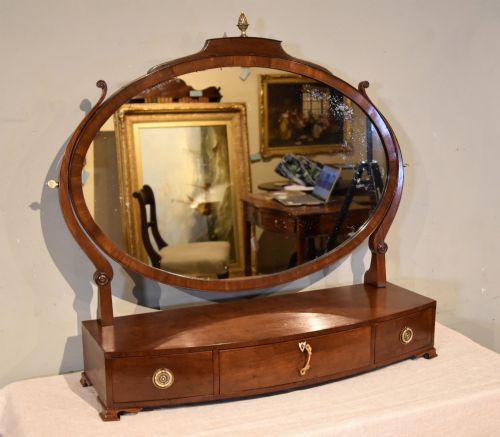
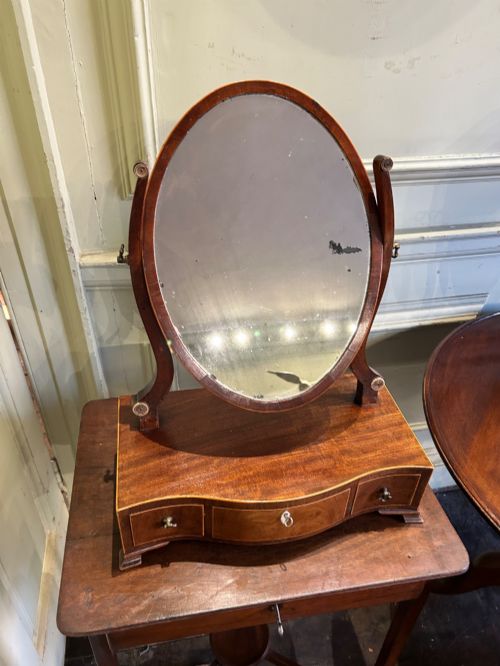
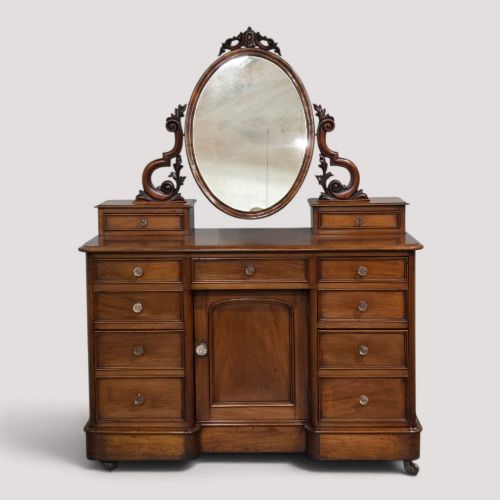
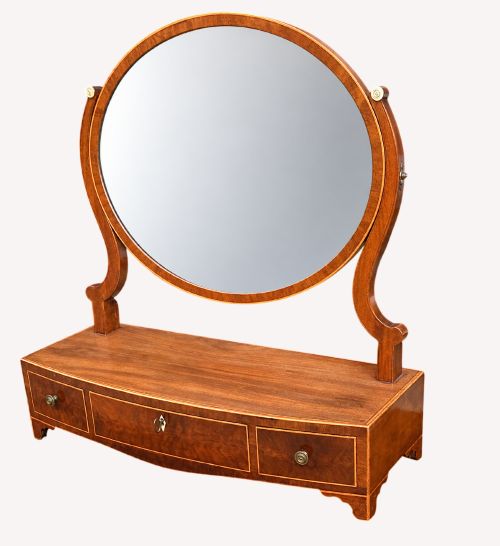
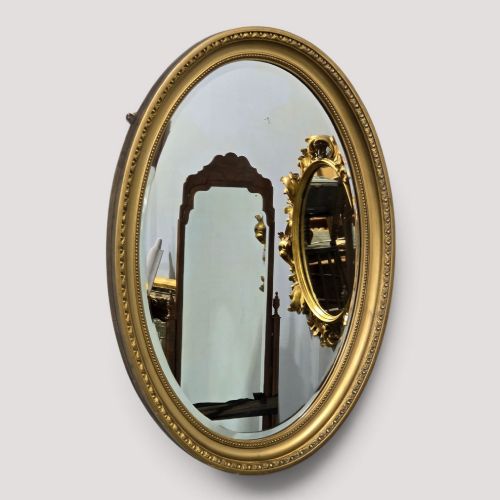
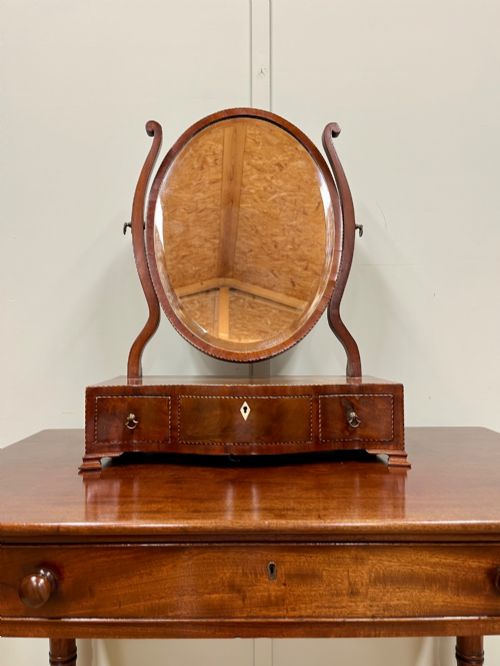
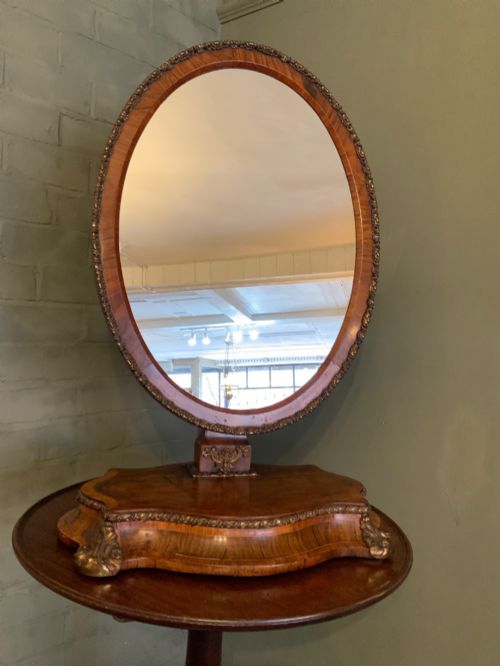
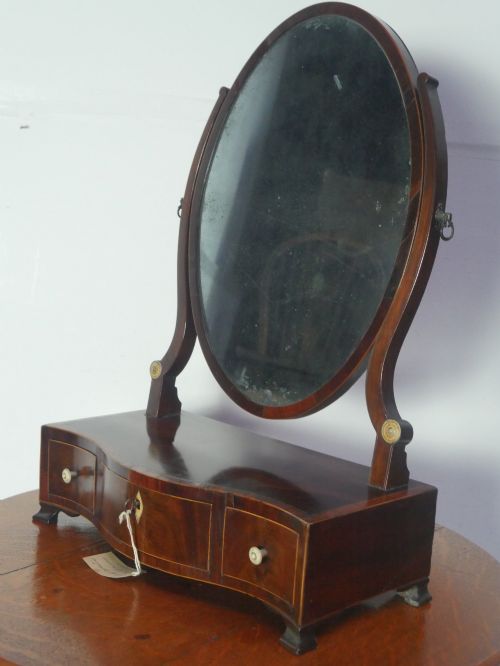
Freestanding versions typically feature a pivoting frame supported by upright arms, often mounted upon a base fitted with single, twin, or triple drawers. Wall-hung examples rely on compact frames designed to mount securely above consoles or washstands.
How they were made
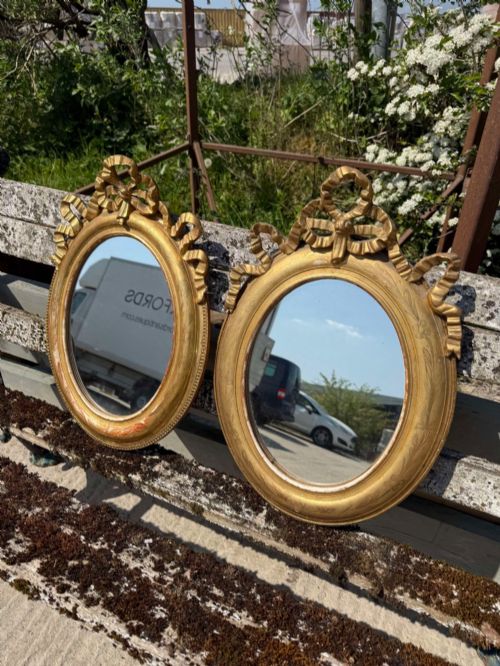
Cabinetmakers and gilders constructed these mirrors using traditional timbers, metals, and applied finishes recorded across the inventory. Flame mahogany provides striking wood grain on dressing table bases, whilst giltwood and gilt metal introduce metallic brilliance to carved and moulded frames.
Joinery techniques secure the swinging mirror plates between carved upright supports, which frequently rest upon feet such as squashed bun forms. Surface decoration includes applied paint and gold leaf, complemented by original mirrored glass plates.
Antique Oval Vanity Mirror Retail Price Guide 2026
Typical asking prices for oval vanity mirror among the pieces listed under this phrase on Sellingantiques today, from the lower quarter to the upper quarter. They describe what is for sale here now, not the wider market.
Listings feature items spanning the 19th Century, the Victorian period, and 1920, constructed from materials including flame mahogany, giltwood, and brass.
What varies in quality
The distinction between standard examples and the finest pieces lies in the sophistication of the timber selection and the carving. Flame mahogany bases with multiple functional drawers and shaped supports demonstrate superior cabinetmaking ambition compared to plain constructions.
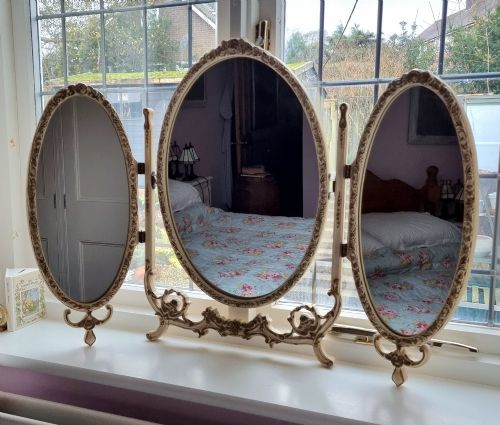
Frame embellishment further separates the range, where intricate gesso mouldings and hand-applied giltwood finishes show greater artisan skill. Original glass plates and intact structural hardware retain the historical integrity valued by serious collectors.
The Antique Oval Vanity Mirror Glossary
- Swing mirror
- A looking glass hung on pivots between two upright supports, allowing the user to tilt the angle of reflection. This mechanism is standard on dressing table and toilet mirrors.
- Giltwood
- Timber that has been coated with a thin layer of gold leaf or powder over a prepared gesso ground. It provides a luminous metallic finish seen on ornate frames.
- Flame mahogany
- A veneer cut from the fork of the mahogany tree, displaying a distinctive undulating, flame-like grain pattern. Cabinetmakers utilised this timber to create highly decorative furniture facades.
- Gesso
- A plaster-like mixture applied to wood frames as a smooth base for gilding and paint. It allows artisans to carve intricate relief details before applying metallic leaf.
- Bun feet
- Rounded, flattened wooden supports resembling small buns, placed beneath furniture bases. They lift cabinet structures slightly off the floor during the Victorian period.
Antique Oval Vanity Mirror: Frequently Asked Questions
What is an antique oval vanity mirror?
An antique oval vanity mirror is a historical looking glass designed for grooming, featuring an oval frame mounted either as a freestanding swing glass on a drawer base or as a wall-hanging piece.
These items date from periods including the Victorian era and the early twentieth century, utilising materials such as flame mahogany, giltwood, and brass.
How do swing mirrors work?
Swing mirrors utilise a pivoting pin and screw mechanism fitted into upright support arms, allowing the user to tilt the glass forwards or backwards.
This functional design enables individuals to adjust the angle of reflection easily while sitting at a dressing table or chest of drawers.
Where were these mirrors placed?
These mirrors typically sat atop dressing tables, cosmetic chests, and toilet tables in bedrooms, or hung on walls in hallways and parlours.
Freestanding versions with drawer bases also provided small storage compartments for jewellery, cosmetics, and personal items.
How do I identify Victorian examples?
Victorian examples often feature dark hardwoods like flame mahogany, substantial drawer bases, and decorative elements such as squashed bun feet.
Craftsmen of this period combined functional storage compartments with carved wooden supports to anchor the pivoting mirror frame.