

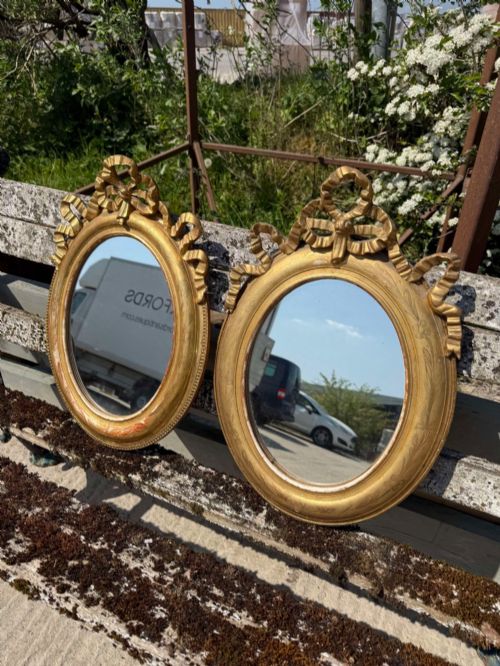
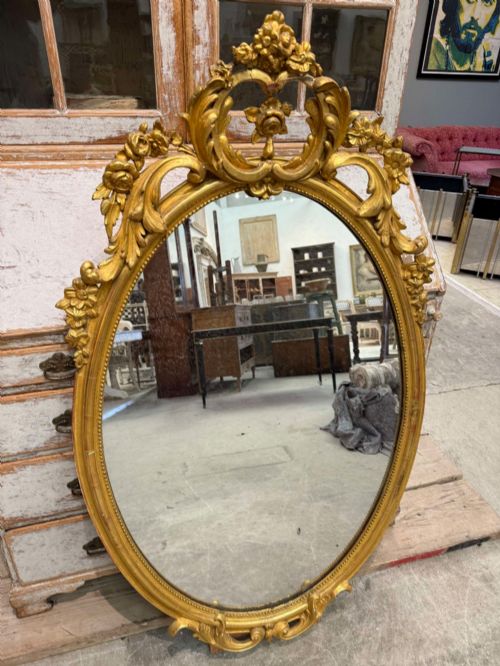
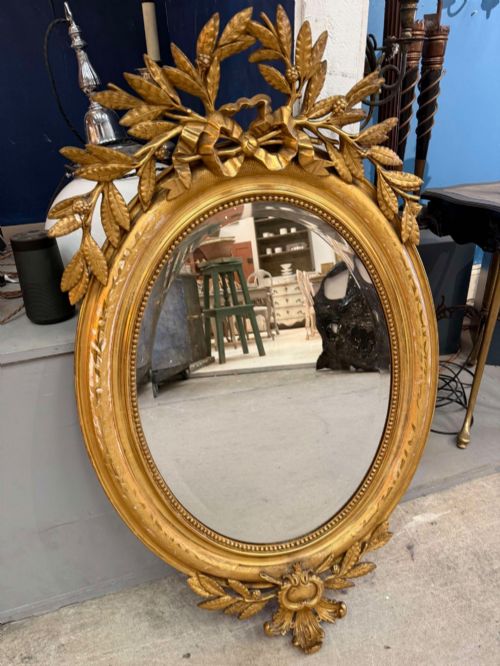
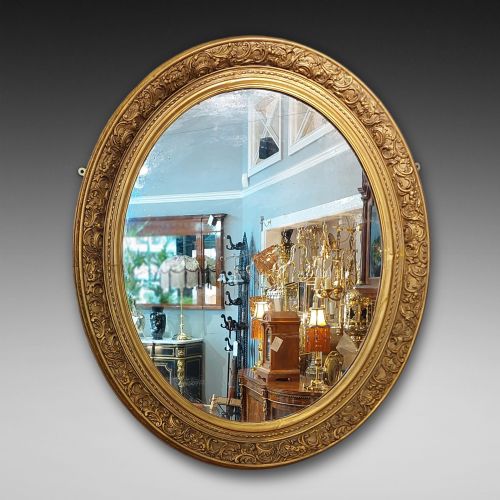
French Gilt Oval Mirror
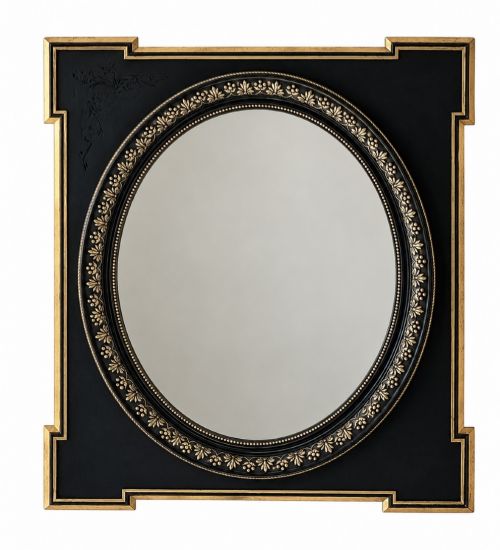
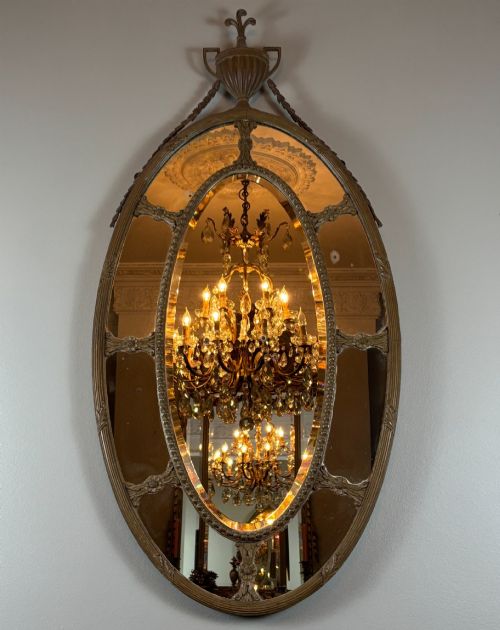
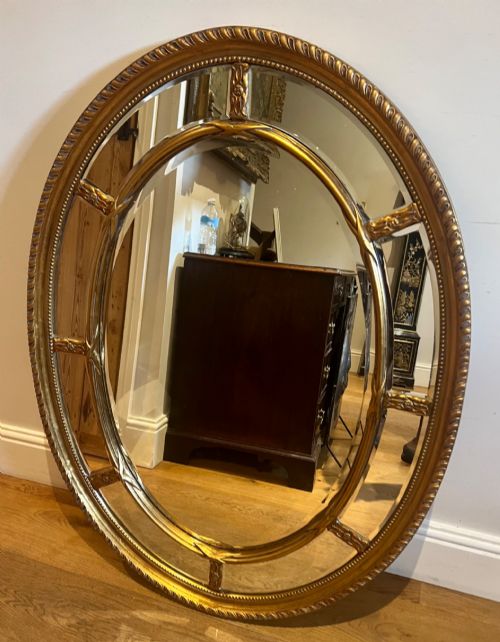
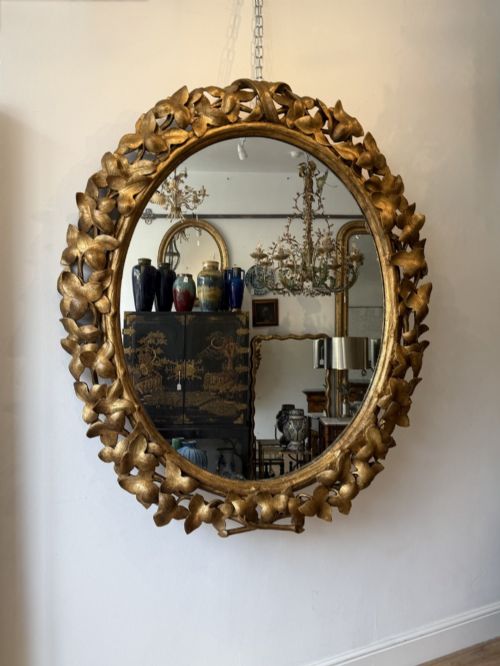
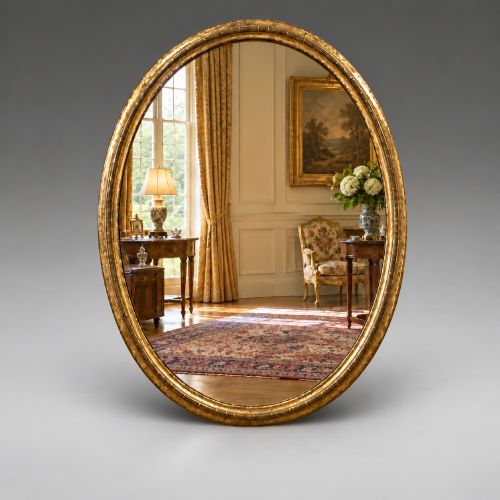
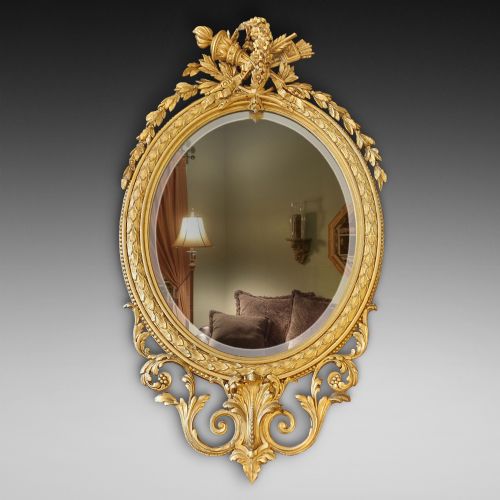
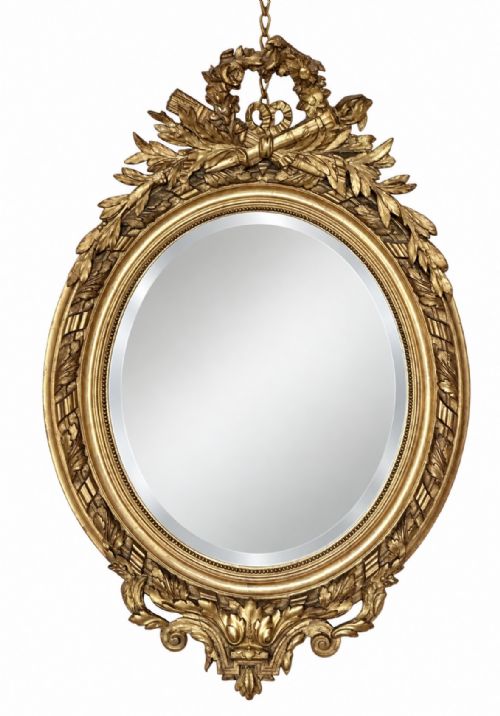
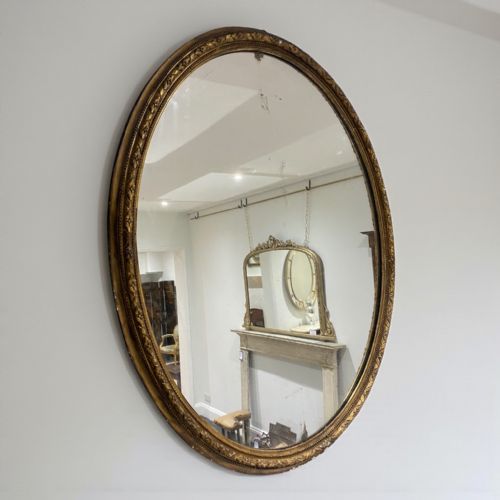
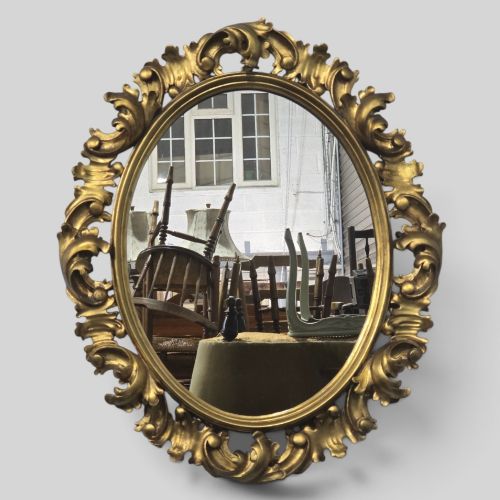
A french gilt oval mirror brings warmth and reflective depth to a room through curved frames adorned in gold leaf and gesso.
French Gilt Oval Mirror
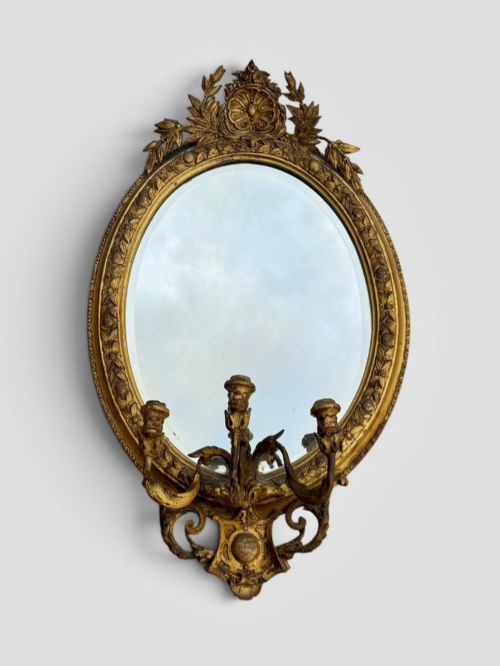
A french gilt oval mirror serves primarily as a decorative wall hanging or a functional dressing table accessory, capturing light within compact or expansive domestic spaces. The pieces gathered here span the nineteenth century, including Victorian interpretations and revival styles that mirror eighteenth-century French aesthetics.
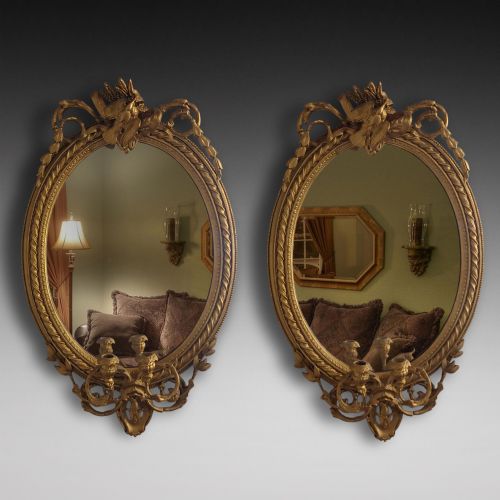
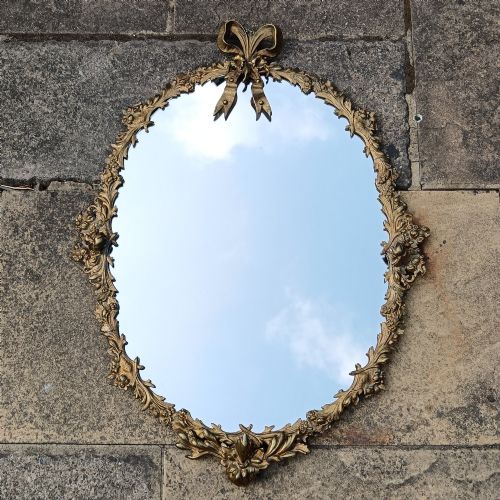
Buyers encounter substantial wall-mounted pier mirrors alongside smaller tabletop or toilet glass versions intended for boudoirs. Many examples display influences from the Rococo and Louis XVI periods, characterised by organic curves or restrained neoclassical symmetry.
Materials and construction
Makers built the foundational frames of a french gilt oval mirror using carved timber, plaster, or composition material applied over wood. Artisans then layered gesso onto the carved base to create a smooth, responsive surface for subsequent gilding.
Gold leaf or gilt paint finishes the exterior, while mercury plate or traditional mirror glass provides the reflective interior. Bronze, brass, and ormolu mounts occasionally accent the frame, particularly on dressing table pieces and girandoles.
French Gilt Oval Mirror Retail Price Guide 2026
Typical asking prices for french gilt oval mirror among the pieces listed under this phrase on Sellingantiques today, from the lower quarter to the upper quarter. They describe what is for sale here now, not the wider market.
Listings feature periods ranging from the eighteenth century through the Victorian era, utilising materials like glass, giltwood, gesso, and gold leaf.
Judging the work
The crispness of the carved details distinguishes superior examples from simpler mouldings, as deeply undercut foliage and organic motifs demand greater hand-carving skill. The integrity of the original gesso and the depth of the gold leaf application reveal the original workshop's investment in materials.
The condition and authenticity of the mirror plate itself matter significantly, with older mercury glass showing characteristic clouding and speckling that denotes age. Furthermore, the structural joinery of the timber frame determines how well the piece survives centuries of hanging.
The French Gilt Oval Mirror Glossary
- Gesso
- A plaster-like mixture applied to wood frames to prepare a smooth surface for gilding. This substance allows artisans to carve intricate relief patterns before applying gold leaf.
- Giltwood
- Timber that has been coated with gold leaf or thin gold paint. It provides a luminous finish that reflects interior candlelight and daylight.
- Girandole
- A decorative mirror equipped with attached candle sconces. These arms project forward to multiply the illumination within a room.
- Mercury plate
- An early type of mirror glass backed with a tin and mercury amalgam. It produces a distinctive, slightly mottled reflection compared to modern silvered glass.
- Ormolu
- Gilded bronze mounts applied to furniture and frames. The technique involves treating brass or bronze with a gold amalgam.
French Gilt Oval Mirror: Frequently Asked Questions
How do I hang a heavy antique mirror safely?
Heavy wall mirrors require secure fixings into structural brickwork or timber studs using appropriate brackets and picture wire rated for the weight.
Professional installation prevents strain on the original antique frame and ensures the piece hangs flush against the wall.
Are these mirrors suitable for bathrooms?
High humidity and moisture in bathrooms can damage vulnerable gesso, nineteenth-century timber frames, and original mercury glass plates.
Dry interior spaces such as hallways, living rooms, and bedrooms provide a safer environment for preserving antique gilding.
How do I clean an antique gilt frame?
Dust the carved surfaces gently with a soft, dry brush to prevent abrasive particles from scratching the delicate gold leaf finish.
Avoid liquid cleaners, chemical sprays, and excessive moisture, which strip historical gilding and degrade composition ornaments.
How do I identify a Victorian piece?
Victorian examples often feature heavier plaster or composition mouldings combined with darker wood substrates and distinct nineteenth-century hardware.
Many incorporate popular revival motifs such as heavy vine leaves, ebonised accents, or ornate crests.