


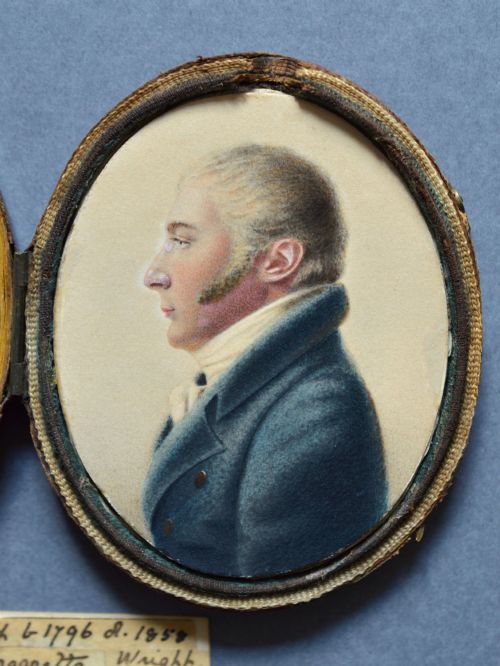
Antique Oval Painting
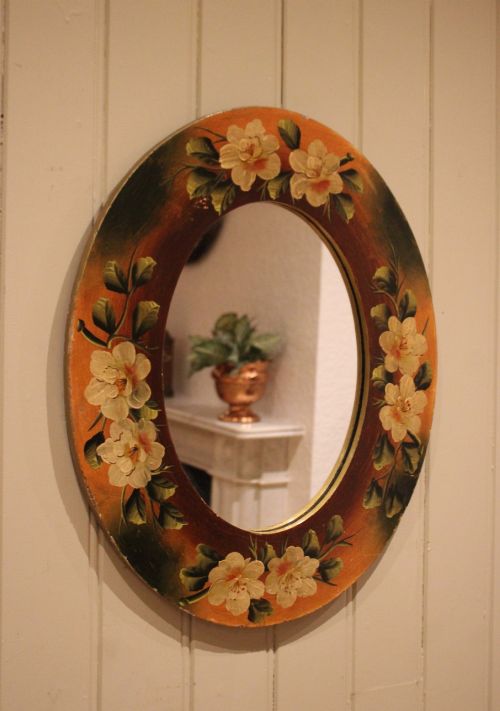
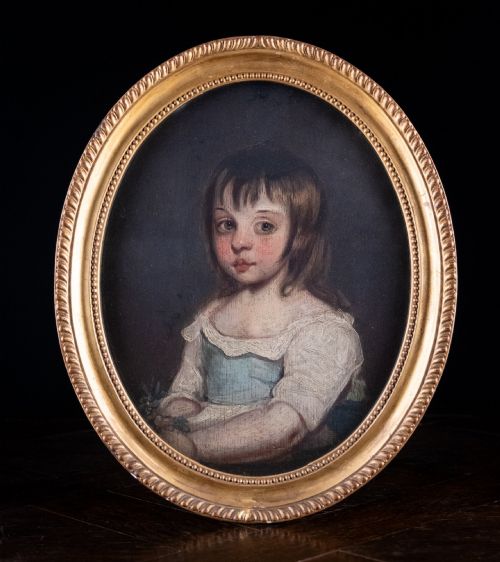
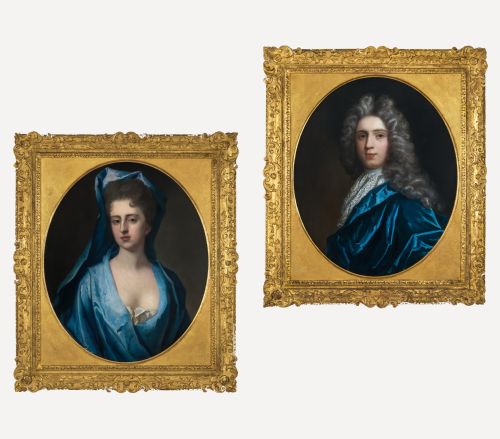
An antique oval painting brings classical harmony to a room through curved canvas, panel or copper housed in period giltwood frames.
Antique Oval Painting
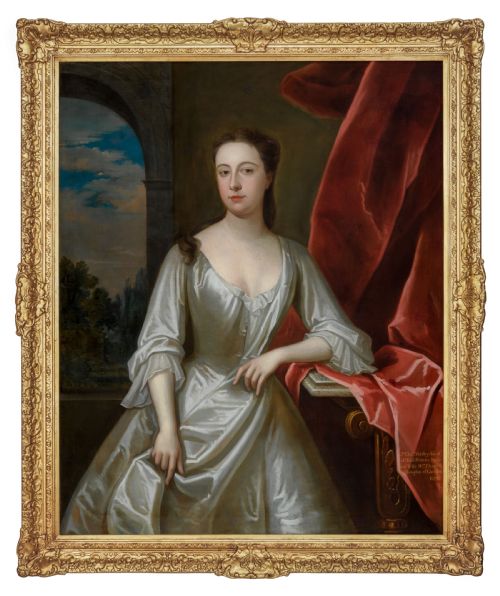
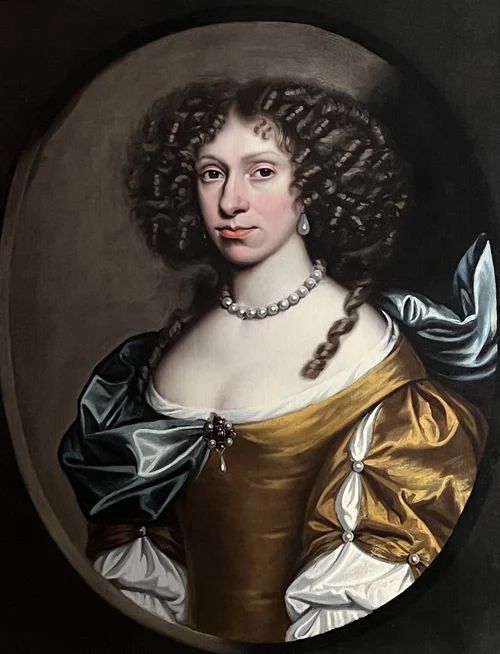
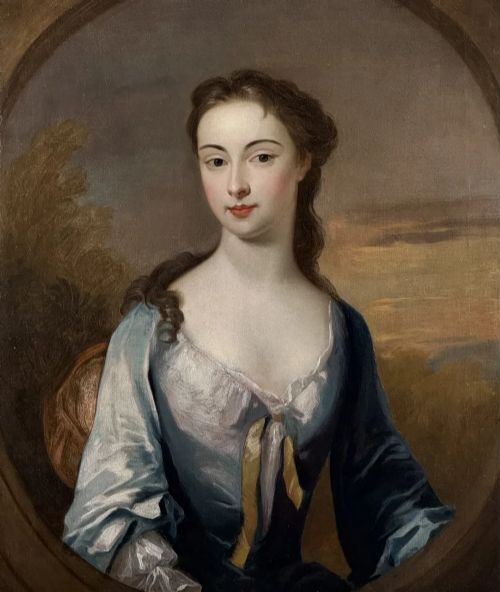
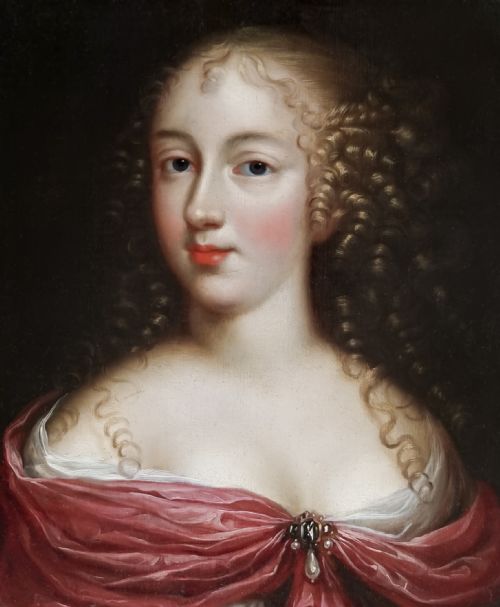
When searching for an antique oval painting, collectors encounter portraiture and still life spanning from the seventeenth century through the Victorian era.
Early works depict nobility and gentlemen in periwigs, while later pieces showcase floral studies, landscapes and romantic subjects.
Materials and methods
Artists painted on stretched canvas, wooden panels, copper sheets or paper secured inside custom curved stretchers and mounts.
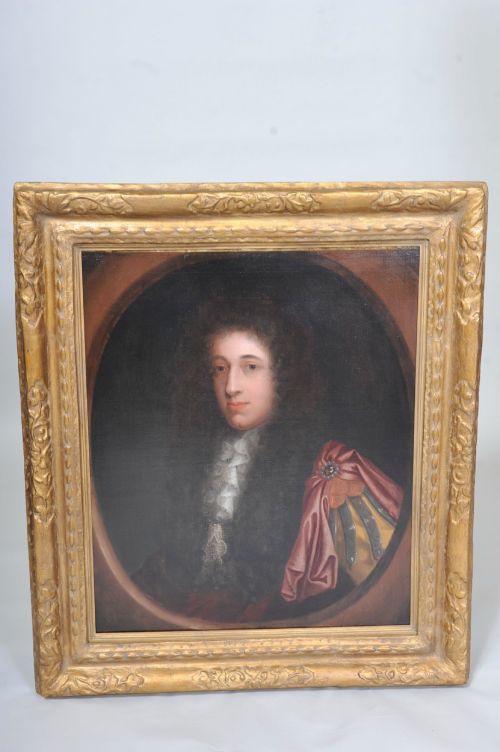
Frames utilise carved wood finished with gold leaf or giltwood to accentuate the sweeping geometry of the aperture.
Pigments were applied by hand using traditional oil and watercolour techniques across British, French and Italian schools.
Antique Oval Painting Retail Price Guide 2026
Typical asking prices for oval painting among the pieces listed under this phrase on Sellingantiques today, from the lower quarter to the upper quarter. They describe what is for sale here now, not the wider market.
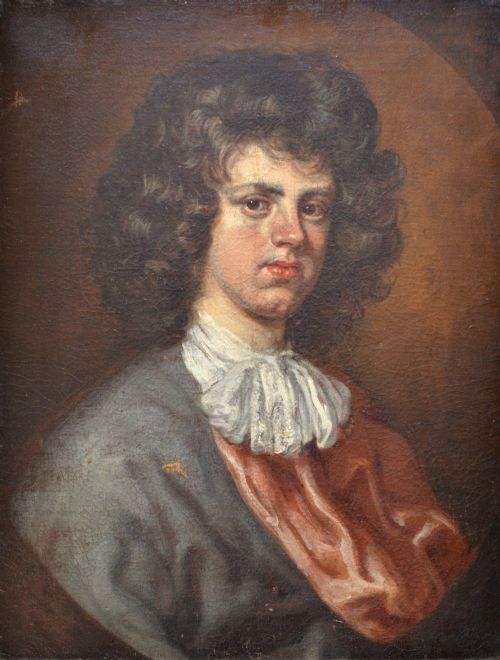
Several gentlemen in the collection sport elaborate seventeenth-century periwigs that threaten to consume the entire oval frame.
Evaluating craftsmanship
Original frames matching the period of the artwork elevate the piece above those paired with later or replacement surrounds.
The handling of light, shadow and colour separation distinguishes master workshops from standard decorative school output.
Sir Godfrey Kneller·Henry Bone·Charles Jervas·Thomas Beach·Vincent Clare
The Antique Oval Painting Glossary
- Giltwood
- Wood carved and coated with gold leaf or gold paint to create a decorative metallic finish. This material is frequently found on the ornate frames enclosing seventeenth and eighteenth-century portraits.
- Portrait miniature
- A small, highly detailed painting executed on ivory, vellum, card or copper. These intimate artworks often served as personal mementoes or tokens of affection during the Georgian and Victorian periods.
- Oil on canvas
- Pigment mixed with drying oil applied to a woven fabric stretched across a wooden frame. This medium allows for rich blending of colour and enduring stability over centuries.
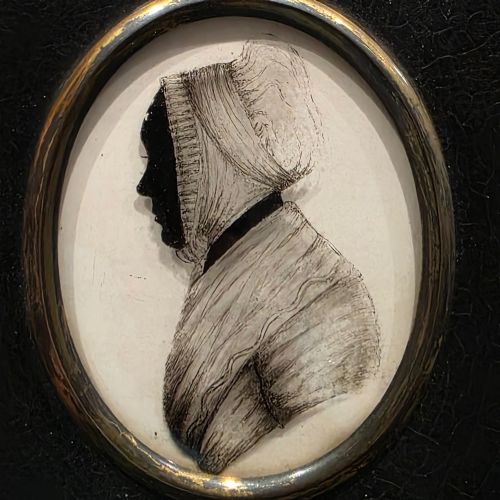
- Reverse painted silhouette
- An image painted directly onto the back of glass to create a dark profile portrait. This technique was popular during the Regency period for capturing crisp likenesses.
Antique Oval Painting: Frequently Asked Questions
How do I hang an oval painting?
Oval frames require secure two-point hanging hardware attached firmly to the stretcher or frame back rather than a single central wire. This prevents the curved frame from shifting and keeps the composition level on the wall.
Consider pairing the curved shape with rectangular pieces to create visual contrast within a gallery wall arrangement. Ensure the artwork hangs away from direct sunlight to protect sensitive oil pigments and watercolours.
What periods do these paintings cover?
The inventory spans multiple centuries, beginning with sixteenth-century Renaissance works and seventeenth-century Baroque portraiture. You will also discover Georgian, Regency and Victorian pieces reflecting changing artistic tastes.
Later Victorian and Edwardian examples often feature floral studies and landscape views alongside traditional portrait miniatures. Each period utilises distinct clothing, hairstyles and framing styles to help determine the date of origin.
Are these paintings supplied with frames?
Many listings include period giltwood or wood frames original to the artwork or matched closely to the era. These surrounds complement the curved composition and contribute significantly to the overall aesthetic.
Check individual descriptions to confirm whether the sale includes the specific frame shown in the photography. Some pieces may be sold unmounted or require minor frame conservation.
How should I clean an antique painting?
Dust surfaces gently using a soft, dry artist brush or feather duster without applying pressure to the canvas or paint layer. Avoid using water, household cleaners or chemical solvents on oil paint or paper.
Professional conservators should handle any deep cleaning, varnish removal or canvas repairs. Keeping the painting away from damp environments prevents mould growth and wood warping.