
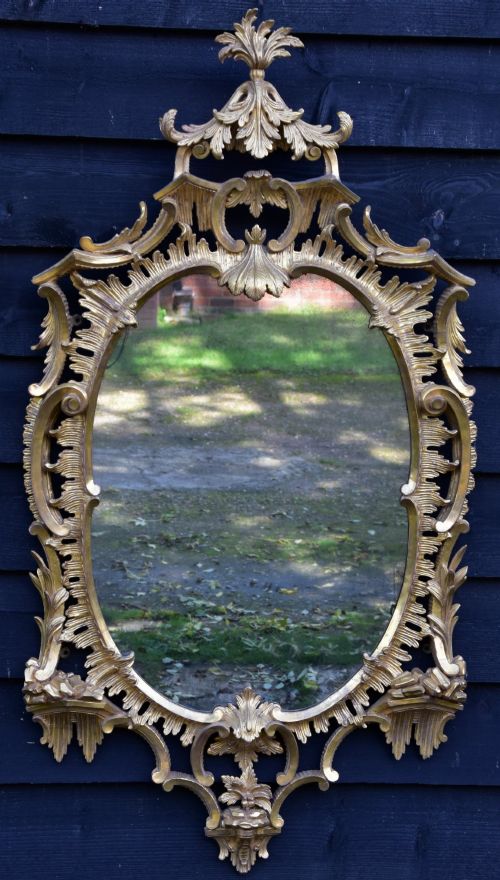
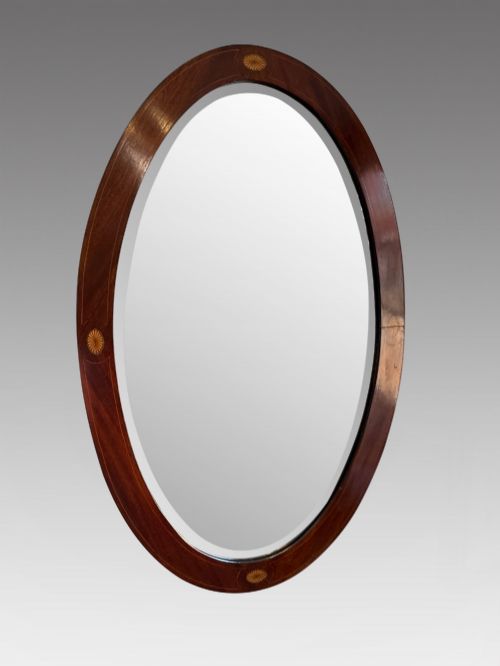


Antique Oval Looking Glass
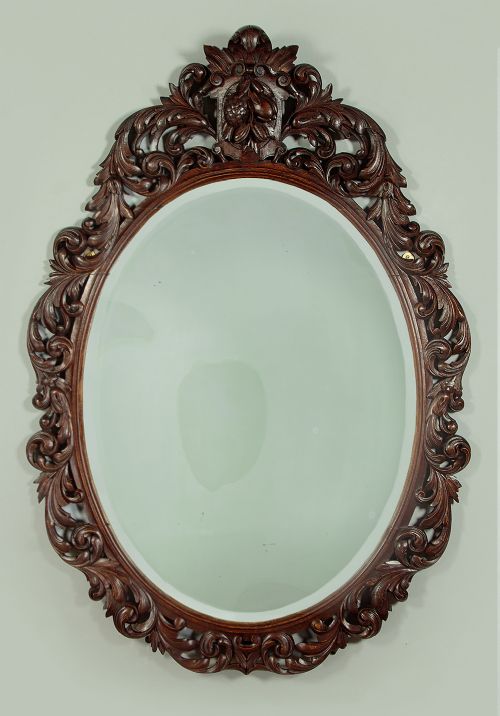
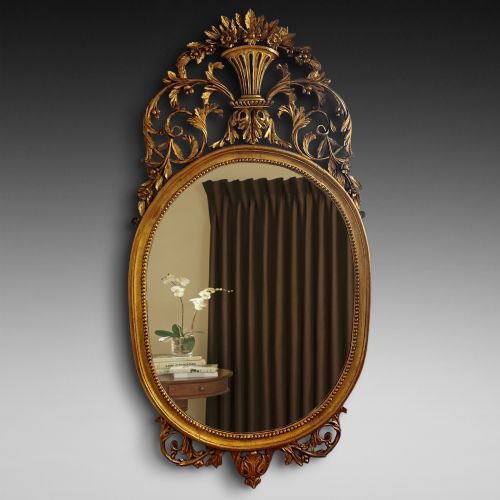
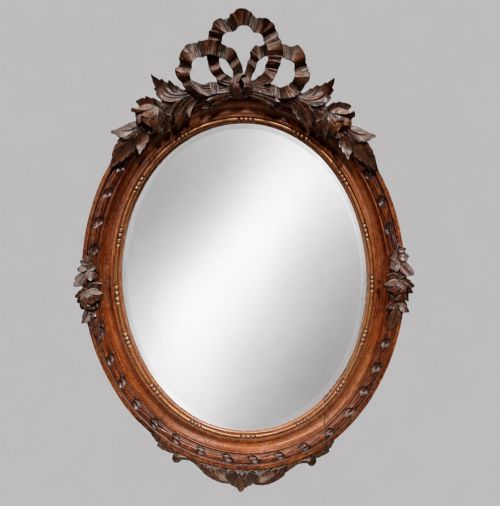
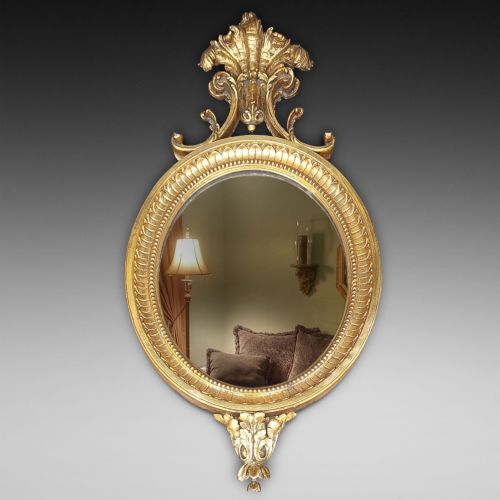
An antique oval looking glass brings elegance to a wall, combining classic mirror glass with decorative framing.
What these antique oval looking glasses are
When you search for an antique oval looking glass, you encounter wall mirrors spanning several centuries of British and continental design. The pieces available here include nineteenth-century and Georgian examples, as well as Victorian, Edwardian, and Regency pieces.
Most items you meet on this page are wall mirrors featuring giltwood, gesso, or wood frames. They appear singly or as pairs, reflecting styles from Neoclassical and Gothic Revival to traditional Victorian and Edwardian aesthetics.
How they were made
These looking glasses are constructed from timber frames of oak or softer woods, finished with gesso and gold leaf to create gilded surfaces. Artisans carved the wooden mouldings by hand before applying layers of gesso and leaf.
The glass plates are set within the frames, sometimes featuring bevelled edges designed to catch the light. Materials recorded in the construction include glass, giltwood, gesso, gold leaf, gilt, wood, and oak.
Retail Price Guide 2026
Typical UK retail prices for oval looking glass, calculated from the Sellingantiques database of over a million retail prices indexed since 2003. This retail price guide relies exclusively on Sellingantiques data; no external sources or auction records are used, so the figures do not describe the wider market.
What varies in quality
The fineness of the carving and the application of the gold leaf set the finer pieces apart from simpler domestic examples. Crisp detail in the gesso and the depth of the gilding indicate the skill of the original workshop.
The clarity and age of the glass plate, alongside the integrity of the timber frame, determine the overall character of the piece. Pair items show consistency in their framing and gilding, maintaining a matched appearance.
The Antique Oval Looking Glass Glossary
- Giltwood
- Wood that has been coated with gold leaf or a gold-coloured finish. This material defines the bright, reflective frames seen on many period wall mirrors.
- Gesso
- A plaster-like mixture applied to wood frames to provide a smooth base for gilding. Artisans carved intricate decorative motifs directly into this surface.
- Girandole
- A wall mirror featuring attached candle branches or sconces. These lighting brackets allow the glass to reflect candlelight around the room.
- Bevelled
- Glass with an edge that has been cut and polished to an angle thinner than the rest of the plate. This technique creates a decorative prismatic border.
Frequently Asked Questions
Where should I hang an antique oval looking glass?
These wall mirrors suit placement above a mantelpiece, sideboard, or console table where they can anchor a room's decor.
Their vertical or horizontal orientation allows them to fit narrower wall spaces while reflecting light into darker corners.
How do I identify a Georgian looking glass?
Georgian pieces often display restrained classical proportions and fine timber construction characteristic of eighteenth-century craftsmanship.
Examining the backboards, joinery, and framing style helps distinguish these earlier examples from later Victorian reproductions.
What is the difference between giltwood and painted gold?
Giltwood involves the application of thin sheets of gold leaf over a prepared gesso and wood base. This technique produces a warm, complex metallic sheen that ages distinctively over time.
How do I care for an antique mirror frame?
Dust the giltwood and gesso surfaces gently with a dry, soft brush to protect the delicate metallic leaf.
Avoid using liquid cleaners or abrasive cloths on the frame, as moisture can damage the historic gesso and gilding.