


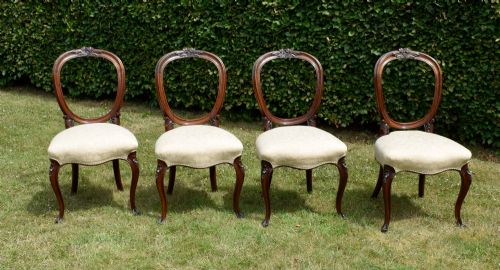
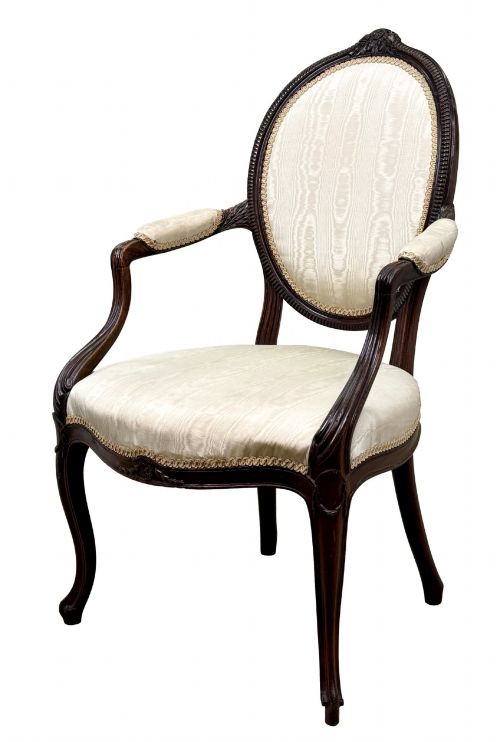
Antique Oval Back Chairs
Antique oval back chairs bring classic proportion and carved elegance to any room, offering versatile seating grounded in centuries of fine cabinet-making.

Materials and construction
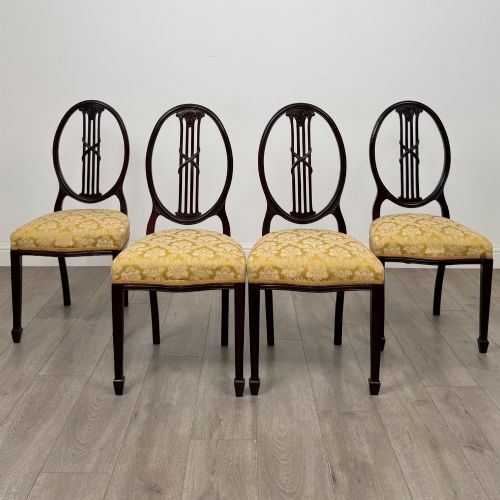
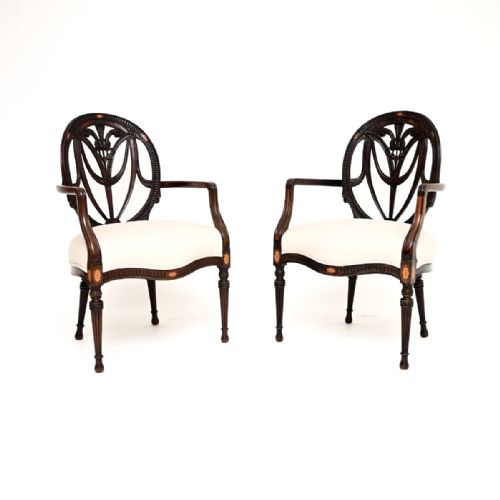
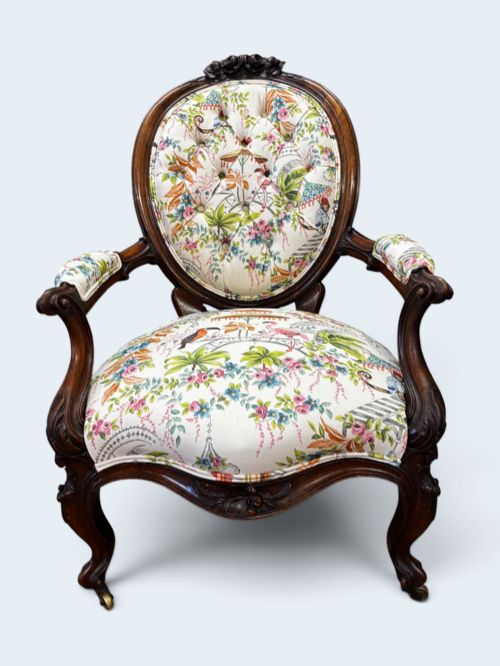
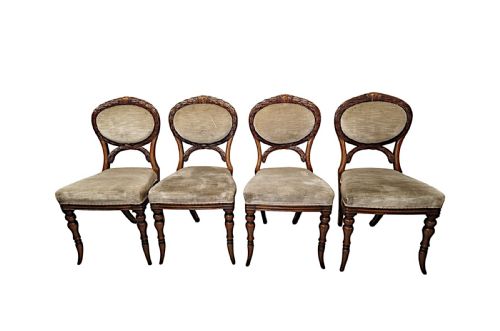
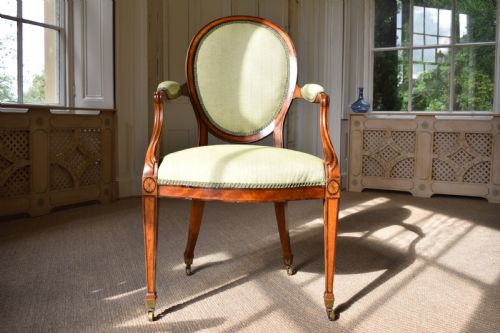
Cabinet-makers constructed these chairs using dense hardwoods like mahogany and walnut, often selecting figured veneers for visual depth. Frames incorporate traditional joinery, ensuring stability across slender curved backrests and cabriole or tapered legs.
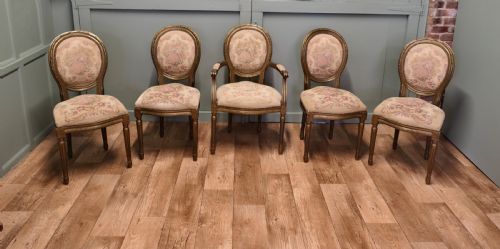
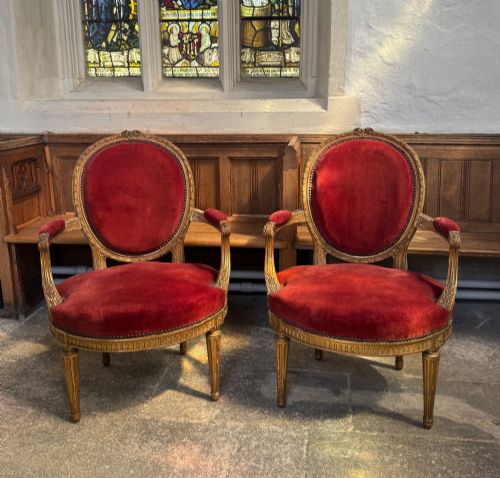
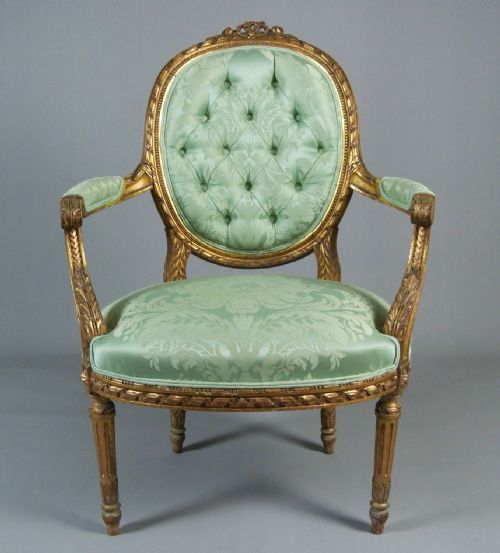
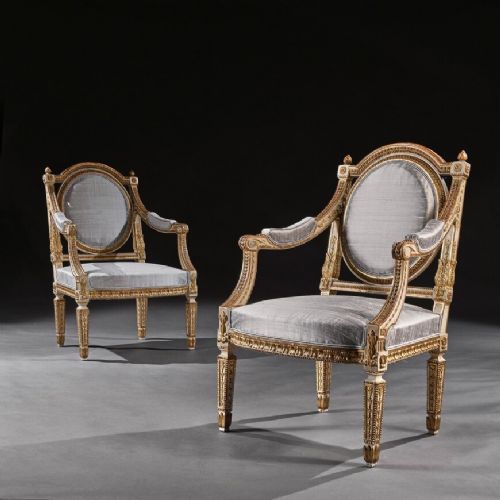
Giltwood and painted finishes appear on continental framework, particularly within Louis XVI style armchairs from the nineteenth century. Upholstery methods rely on traditional stuffing and webbing beneath top fabrics such as red velvet and patterned textiles, secured with brass detailing.
Assessing quality in construction and design
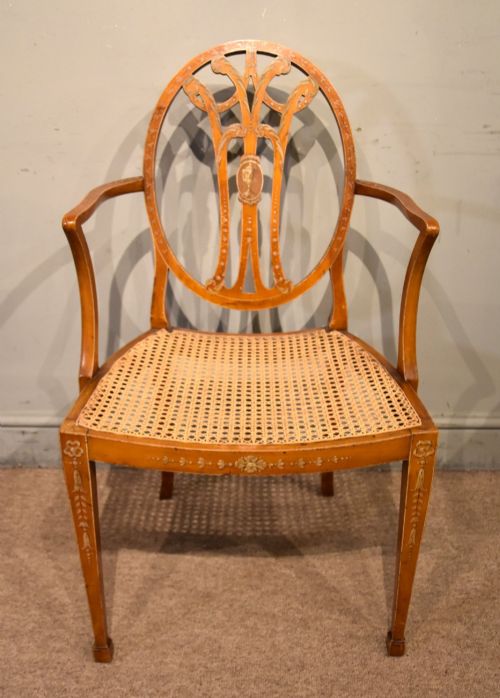
Quality rests upon the crispness of the timber carving and the architectural integrity of the curved backrest frame. Superior examples display fluent hand-carved details along the rail and splat, whereas lesser versions rely on simpler mouldings or machine-cut definition.
The choice of primary timber and the retention of original surface patination distinguish finer items from standard stock. Matching sets and pairs demand consistent grain pattern and uniform scale across every piece in the group.
Retail Price Guide 2026
Typical UK retail prices for oval back chairs, calculated from the Sellingantiques database of over a million retail prices indexed since 2003. This retail price guide relies exclusively on Sellingantiques data; no external sources or auction records are used, so the figures do not describe the wider market.
Early nineteenth-century dining chairs occasionally arrive with faint scorch marks from eighteenth-century candlelit dinners.
The Antique Oval Back Chairs Glossary
- Oval back
- A chair backrest shaped in the form of an oval, popularised during the neoclassical period. This geometry softens formal seating arrangements.
- Giltwood
- Timber coated with a thin layer of gold leaf over a prepared gesso ground. It provides a luminous surface for nineteenth-century revival salon furniture.
- Carver armchair
- A dining or desk chair fitted with armrests, historically placed at the head of a table. These pieces match the simpler side chairs in a dining set.
- Louis XVI style
- A neoclassical design vocabulary characterised by straight tapered legs, fluting, and symmetrical oval motifs. It inspired numerous nineteenth-century revival pieces.
Frequently Asked Questions
How do I use antique oval back chairs in a modern home?
These chairs fit neatly into contemporary dining rooms, studies, or bedrooms as statement seating. Pairs of armchairs anchor a reading corner while dining sets surround a modern table with contrasting texture.
Their narrow footprints and open backs prevent rooms from feeling crowded. Mixing a pair of antique chairs with simpler modern furniture creates a balanced, layered interior.
What periods do these chairs usually come from?
The pieces span from the eighteenth century through to the Edwardian era, encompassing Georgian craftsmanship and Victorian production. Nineteenth-century French revival pieces in the Louis XVI style also feature prominently.
Identifying the period relies on examining timber selection, leg shape, and carving styles. Earlier examples often show hand-wrought joinery and dense mahogany timber.
Are oval back chairs comfortable for daily dining?
Most of these chairs provide solid lumbar support thanks to the enclosing shape of the padded backrest. Dining models are engineered for upright posture during meals.
Upholstery comfort depends on the internal webbing and padding condition. Many pieces feature traditional sprung or stuffed seats designed for extended sitting.
How do I distinguish French styles from English ones?
French armchairs from this selection frequently utilise giltwood or painted finishes with carved floral motifs typical of Louis XVI revival pieces. English alternatives tend to showcase polished mahogany or walnut timber with restrained neoclassical lines.
Proportions also differ, with French salon chairs often built broader and lower for parlour use. English versions lean towards dining and library applications.