

Carved Wood Salon Chairs
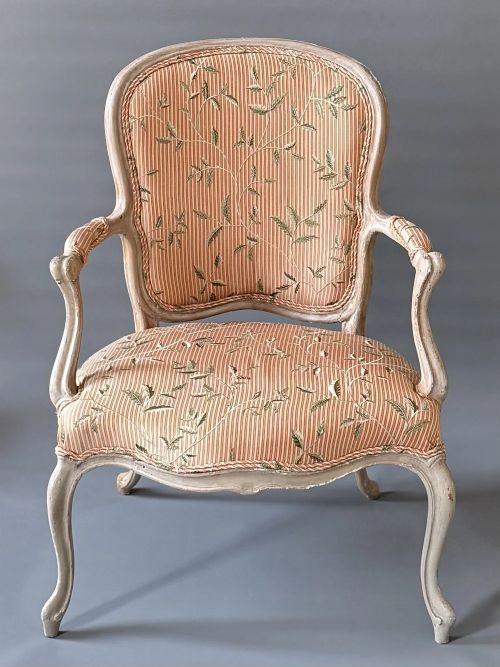
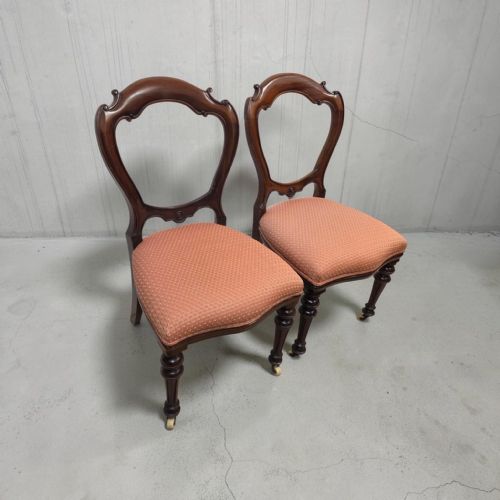
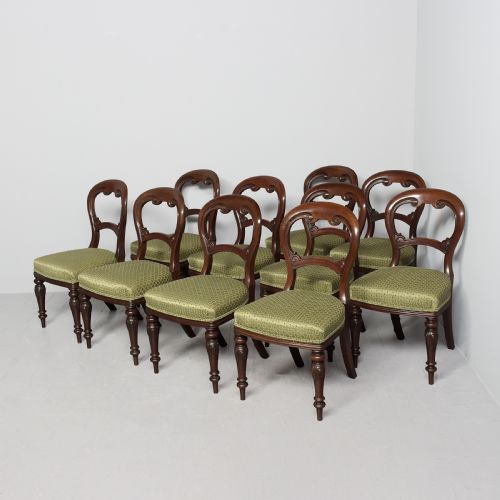
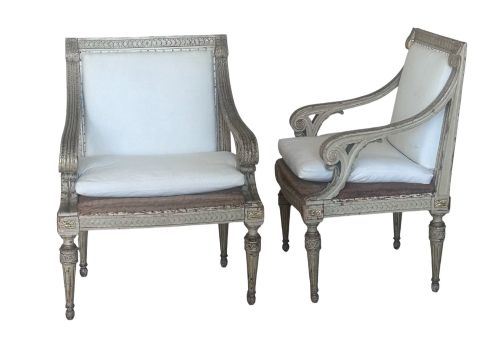
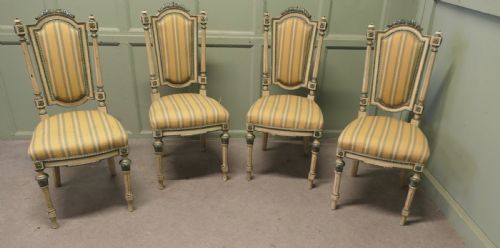
These carved wood salon chairs bring the ornate styles of the eighteenth and nineteenth centuries into living spaces.
Carved Wood Salon Chairs
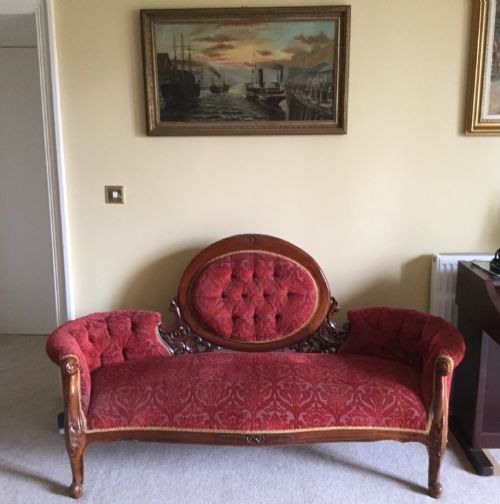
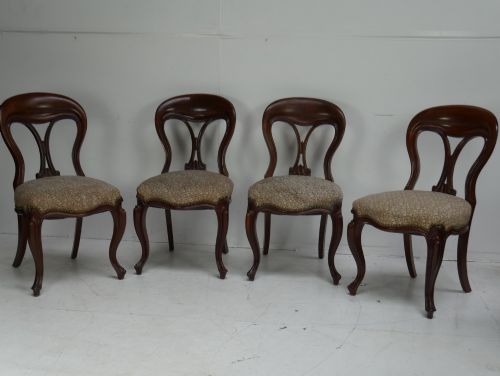
When searching for carved wood salon chairs, buyers encounter seating designed for formal reception rooms, featuring decorative frames and upholstered components.
The selections available span multiple eras, most notably the nineteenth century, with strong representation from Victorian and Louis XVI Revival aesthetics.
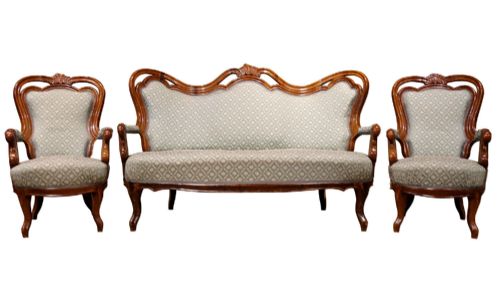
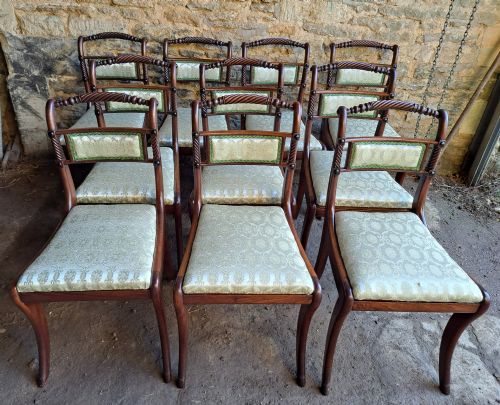
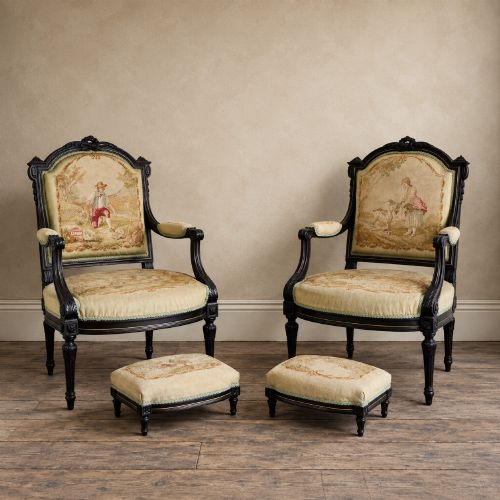
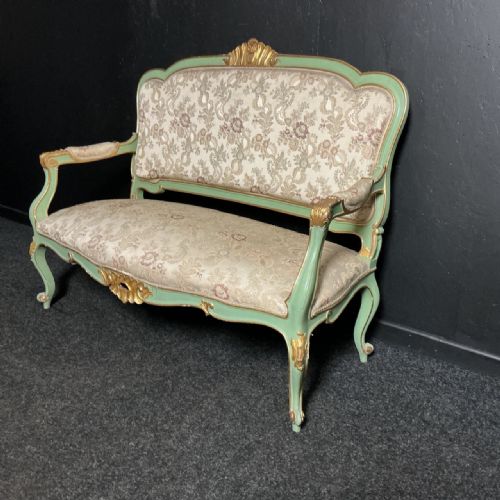
Forms range from single open armchairs and fauteuils to pairs of side chairs and complete matching salon suites.
Materials and construction methods
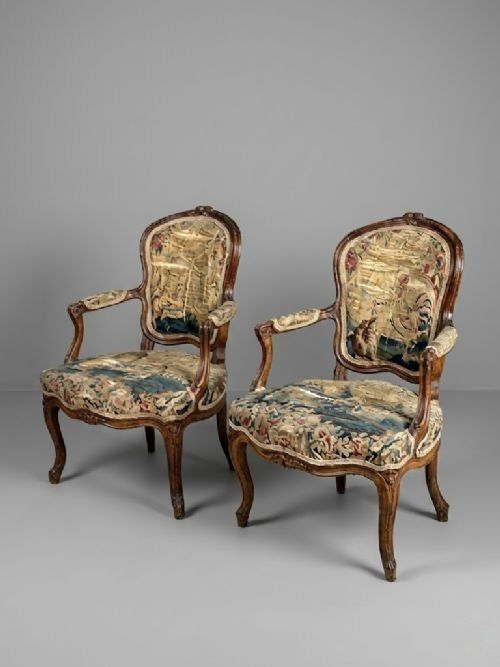
Frameworks rely on dense hardwoods such as mahogany, walnut, rosewood, oak, and beech, alongside specialised exotic timbers like goncalo alves.
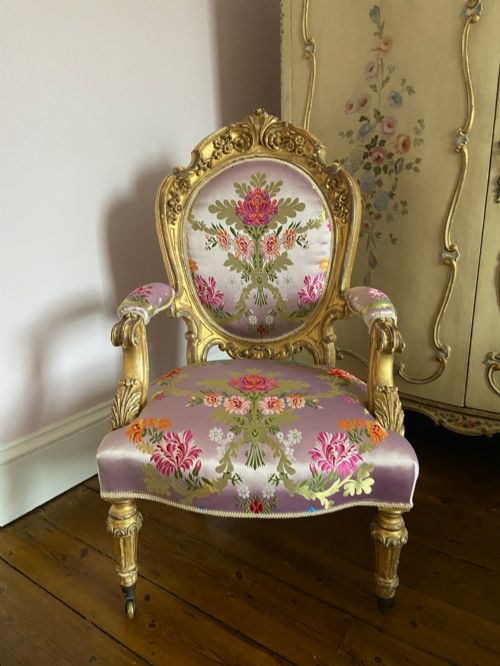
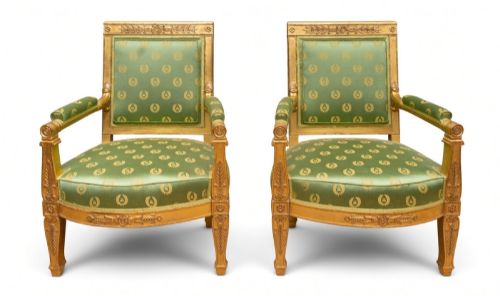
Many examples utilise gilding, parcel gilt, or paint upon the wooden structure, often combined with carved detailing reflecting rococo or neoclassical motifs.
Upholstery varies across periods, incorporating materials like silk, velvet, brocade, tapestry panels, and deep buttoning.
Carved Wood Salon Chairs Retail Price Guide 2026
Typical asking prices for carved wood salon chairs among the pieces listed under this phrase on Sellingantiques today, from the lower quarter to the upper quarter. They describe what is for sale here now, not the wider market.
Even the Palais de Tuileries needed somewhere to sit.
Distinctions in craftsmanship
The refinement of the hand-carved ornamentation separates standard production from exceptional work, particularly in the crispness of floral and scroll motifs.
The choice of primary timber and the integrity of the joinery dictate the structural longevity of the frame.
The authenticity of the finish, whether original gilding or period-appropriate paint, influences the overall integrity of the piece.
Jacob-Desmalter
The Carved Wood Salon Chairs Glossary
- Fauteuil
- An open-armed upholstered armchair originating in France, typically featuring an exposed wooden frame.
- Giltwood
- Timber that has been coated with a thin layer of gold leaf or gesso, common in decorative seating.
- Cabriole leg
- A furniture leg that bends outward and then tapers inward, ending in a pad or foot, frequently seen on Victorian and revival chairs.
- Rococo Revival
- A nineteenth-century design movement resurrecting the curved lines, asymmetry, and naturalistic motifs of the mid-eighteenth century.
- Salon suite
- A matching set of seating furniture, often comprising a sofa and multiple armchairs intended for a principal drawing room.
Carved Wood Salon Chairs: Frequently Asked Questions
How do I identify a Louis XVI style chair?
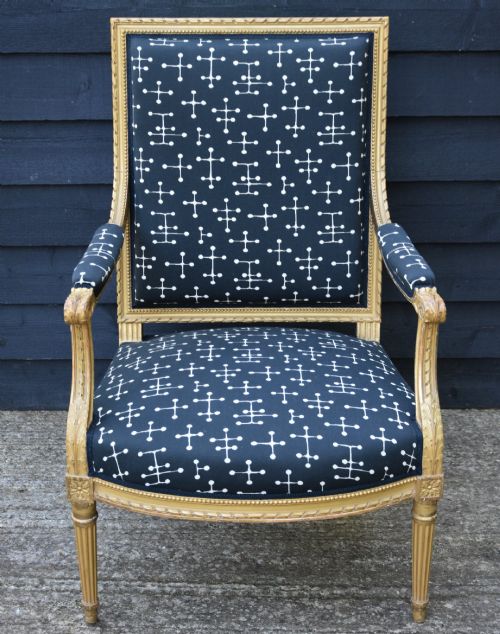
Louis XVI style chairs are distinguished by their geometric straight lines, fluted legs, and oval or shield-shaped backs, contrasting with the earlier curved rococo forms.
Makers working in this revival aesthetic during the nineteenth century utilised carved wood frames finished in gilt or paint.
What is the difference between an armchair and a fauteuil?
A fauteuil is a specific type of open-arm armchair with upholstered armrests and an exposed wooden frame, typically of French origin.
Other armchairs might feature fully padded arms or different regional construction styles from the Victorian era.
Are these chairs suitable for daily use?
Many of these antique seats are structurally robust enough for regular sitting, provided the frame joints remain secure and stable.
Buyers should consider the condition of the internal webbing and springs when planning for frequent domestic use.
How do I match antique salon chairs with modern decor?
Placing a carved wood salon chair in a contemporary room creates a focal point through the contrast of historic craftsmanship and modern minimalism.
Neutral or bold upholstery fabrics can bridge the gap between antique wooden frames and modern interior palettes.