



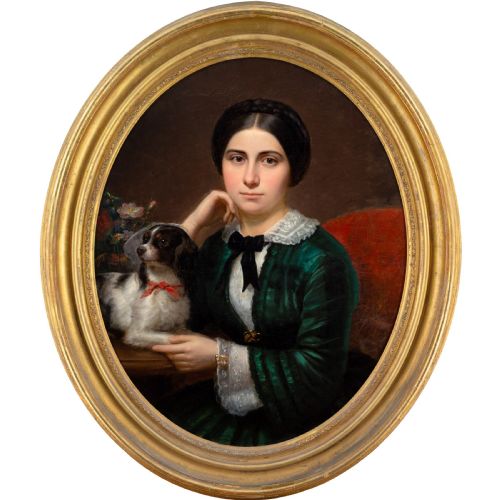
Antique Oval Artwork
When you search for antique oval artwork, you enter a world of portraits and still lifes shaped by centuries of framing tradition.
Antique Oval Artwork
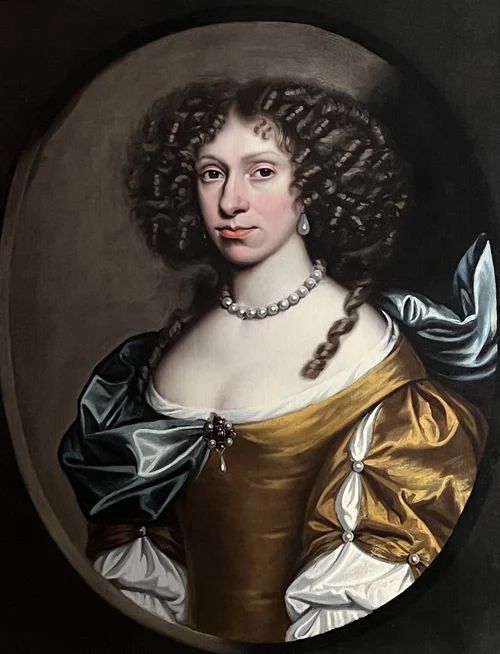
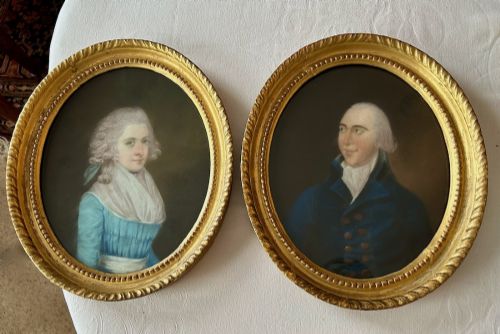
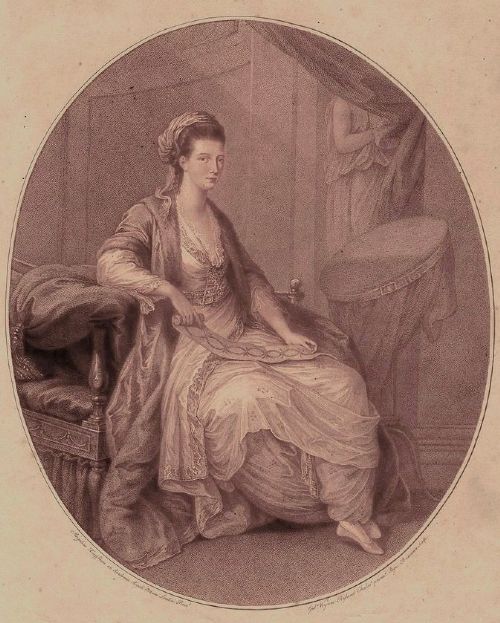
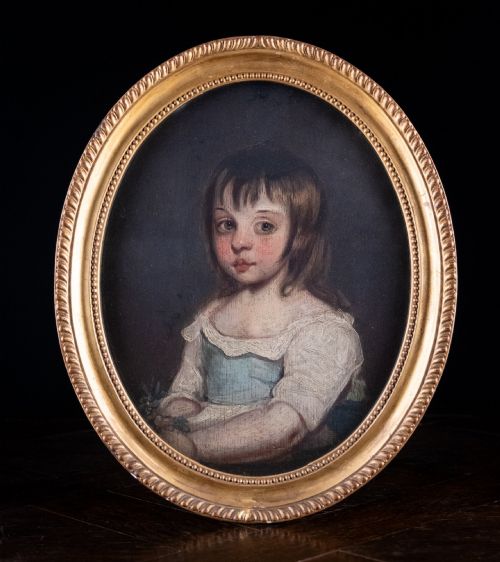
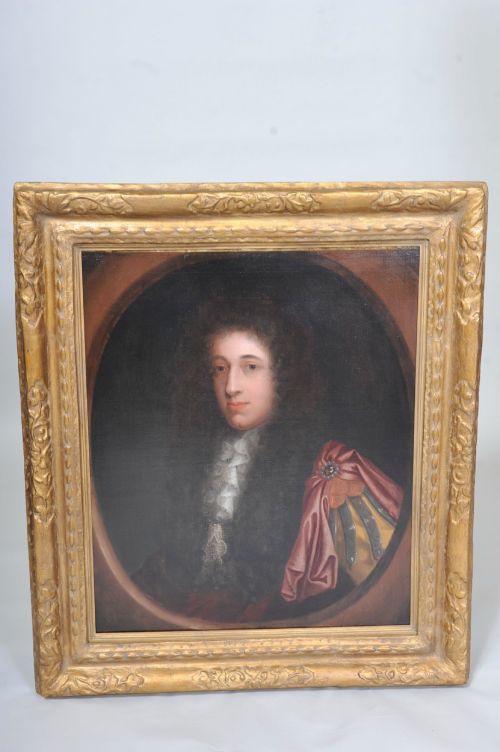
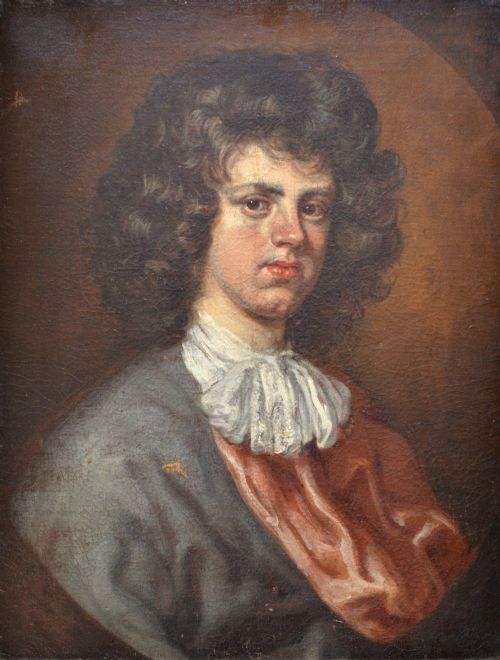
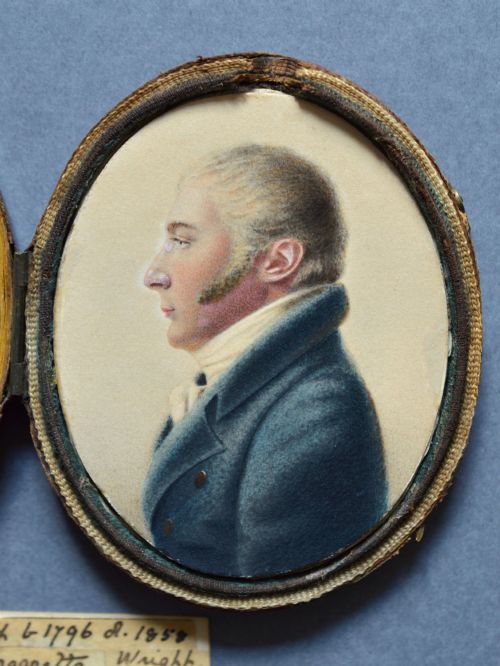
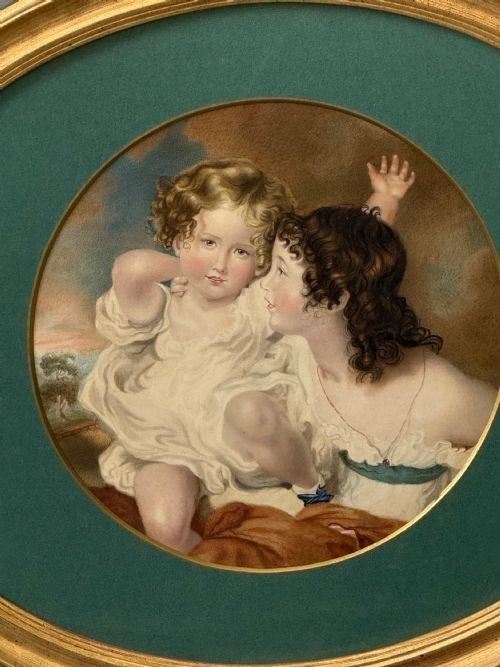
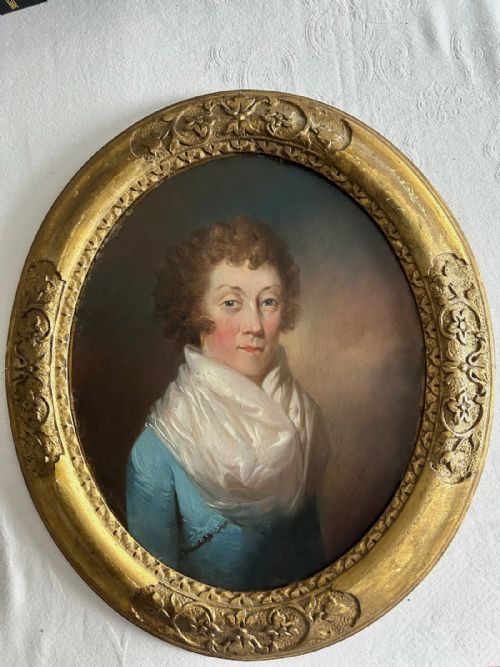
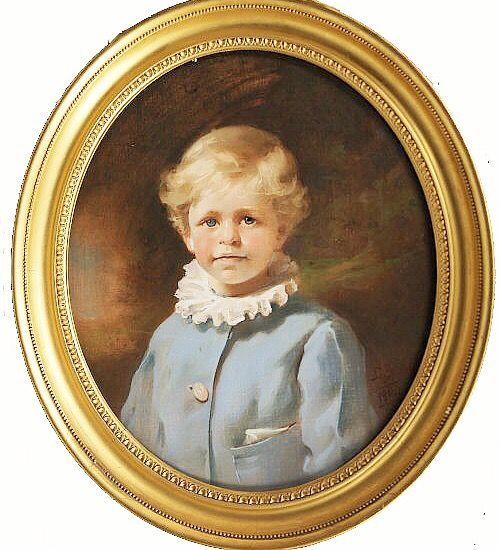
This search category brings together paintings, pastels, watercolours, and prints bounded by curved wooden or gilt frames. Portraits dominate the selection, ranging from seventeenth-century oil paintings on panel to nineteenth-century watercolours and silhouettes.
The curved format alters the balance of a composition, drawing the eye toward a central subject while softening the corners of a room. Buyers frequently encounter oil on canvas and paper works originating from Georgian and Victorian periods.
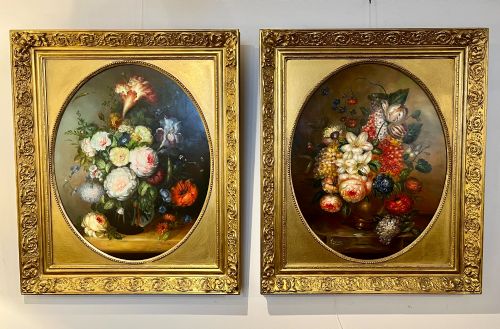
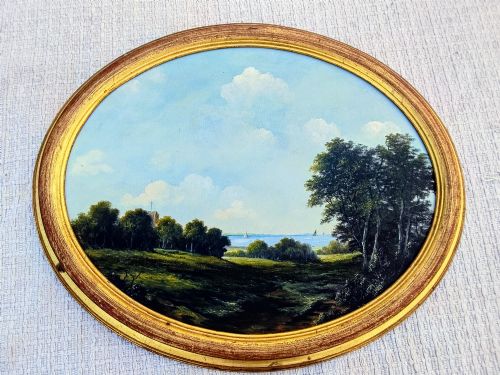
Beyond portraits, the selection includes landscape paintings and still life compositions. These diverse pieces share the distinctive curved geometry that defines the category.
Materials and methods
Makers applied oil paint to canvas or wood panels, while others worked in pastel, watercolour, or ink on paper. Glazed frames often incorporated glass to protect delicate works such as miniatures and silhouettes.
Carved wooden frames finished with gold leaf or giltwood gave these pieces their exterior structure. Stipple engravings and line engravings added printed depth to paper works.
Even the dogs of the nineteenth-century gentry secured their place in oval portraits.
Judging quality
Original frames matching the period of the artwork elevate the integrity of the piece. Craftsmanship in the gilding and joinery of the frame separates standard decorative items from fine examples.
DAVID SCOUGALL·JOHN SMITH·Dumini Leopoldo·Mary Beale·Thomas John Horsley·Sir Thomas Lawrence·Leon Sprinck·Van Dyck·Vincent Clare·James Gillespie·Gustavus Adolphus Meller·JACOB PHILIPP HACKERT·JOHN RUSSELL R.A.·CHARLES JERVAS·Michelangelo Meucci·Pieter Borseler·Joseph Vivienne·Jeremiah Davison·Jacobus Houbraken·Cornelius Johnson·Louis Icart
The Antique Oval Artwork Glossary
- Oil on canvas
- A painting technique using pigments bound in a drying oil applied to stretched fabric. This medium allows for deep colour saturation and blending.
- Pastel
- A dry medium consisting of powdered pigment and a binder rolled into sticks. Pastels produce a velvety surface texture that requires glass protection.
- Giltwood
- Wood that has been carved and coated with gold leaf or gold paint. It provides a reflective border for traditional frames.
- Silhouette
- A portrait profile filled in with a solid colour, often black, cut from paper or painted. These works gained popularity during the Georgian and Regency eras.
- Stipple engraving
- A printmaking method using dots of various sizes and densities to create tonal gradations. This technique creates soft shadows in portrait prints.
Antique Oval Artwork: Frequently Asked Questions
What periods do these pieces span?
The selection covers centuries of craftsmanship, stretching from the sixteenth and seventeenth centuries through the Georgian and Victorian eras.
Later examples extend into the twentieth century, including pieces from the 1920s and 1960s.
How were oval artworks displayed?
These pieces were designed to hang on interior walls, often arranged in pairs or symmetry within period reception rooms.
Their curved frames served to soften rectilinear wood panelling and wallpaper patterns.
Are these works painted on canvas?
Many examples utilise oil on canvas or oil on board as their primary medium.
Other pieces employ paper, pastel, watercolour, and glass to achieve different visual textures.
What subjects appear most often?
Portraits of individuals dominate the selection, depicting nobles, gentlemen, ladies, and children in historical attire.
Still life compositions and landscape scenes also feature within the curved format.