

Oval Framed Painting
An oval framed painting brings centuries of portraiture and still life into domestic spaces through distinct curved borders.
Oval Framed Painting
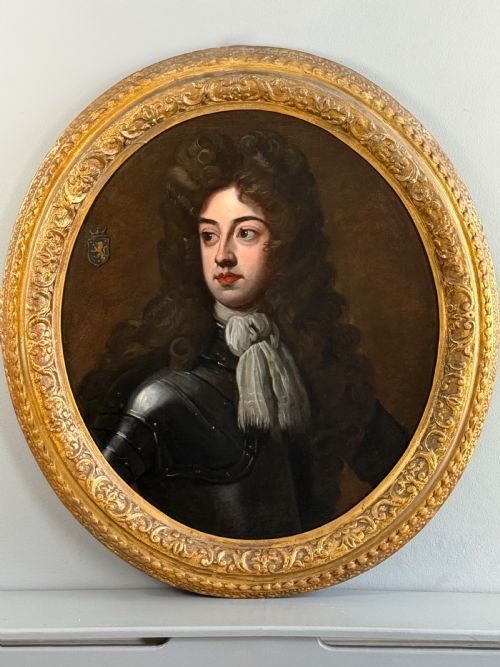
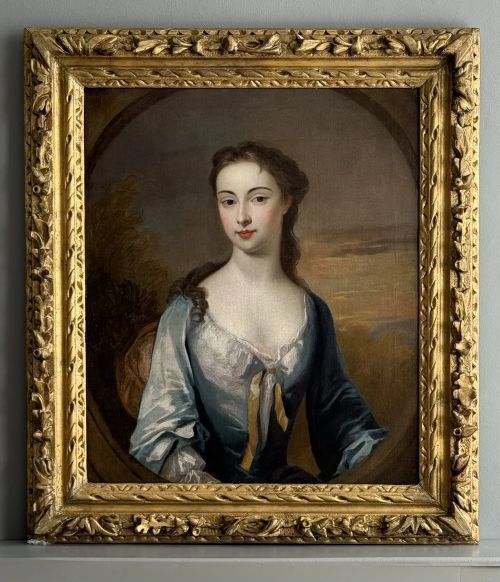
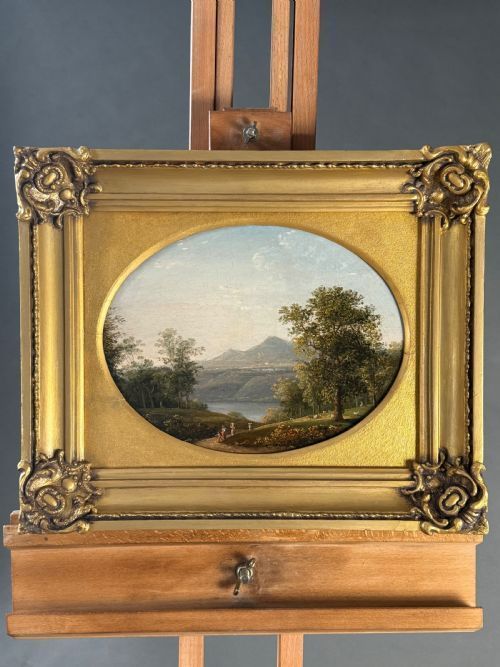
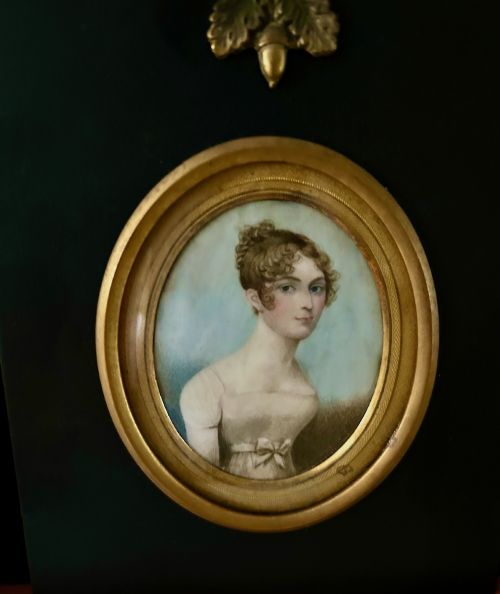
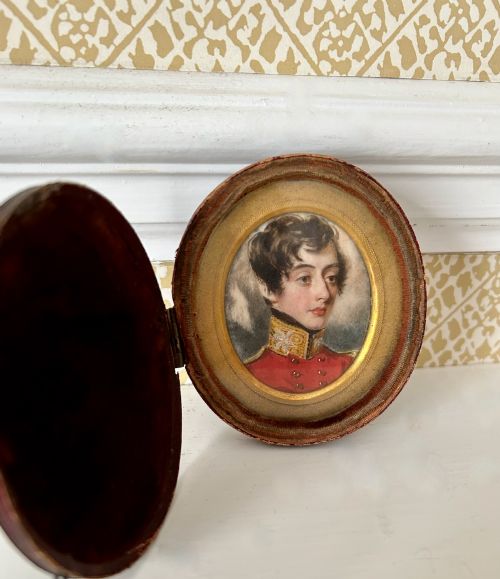
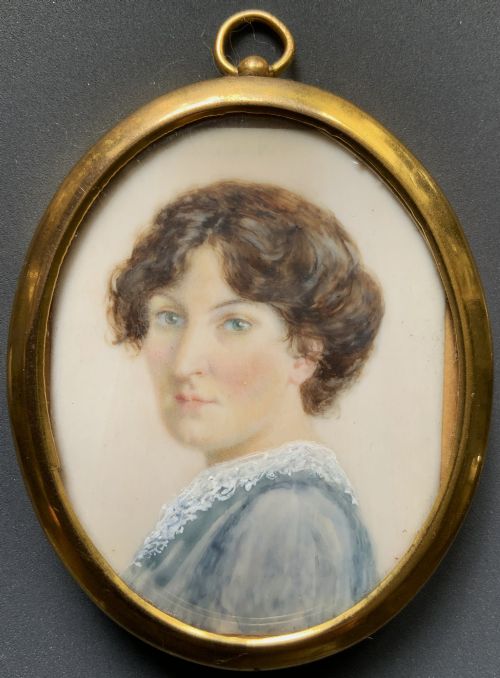
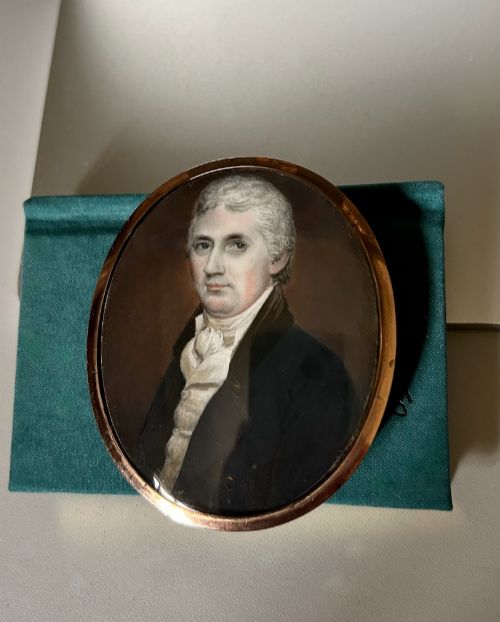
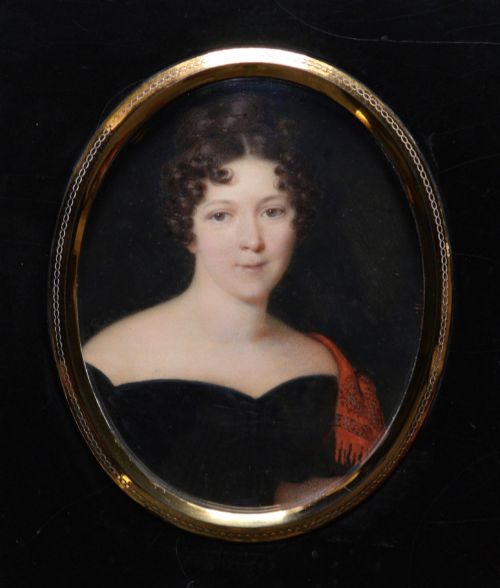
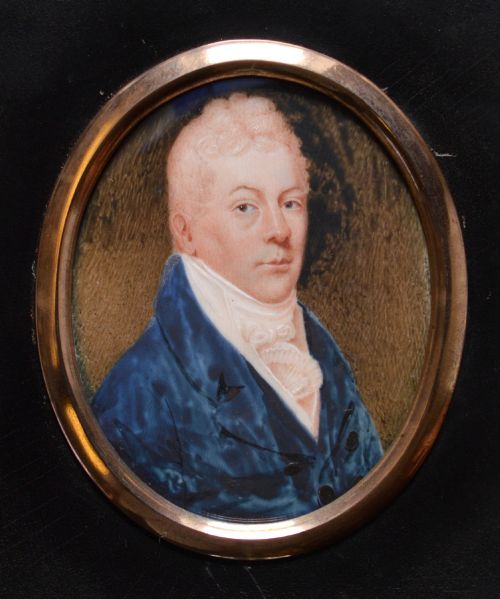
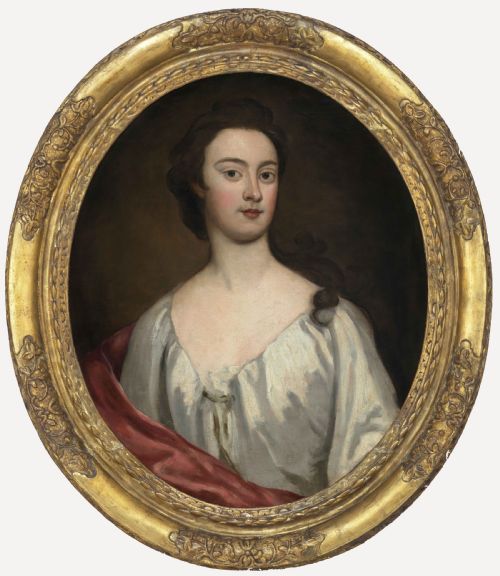
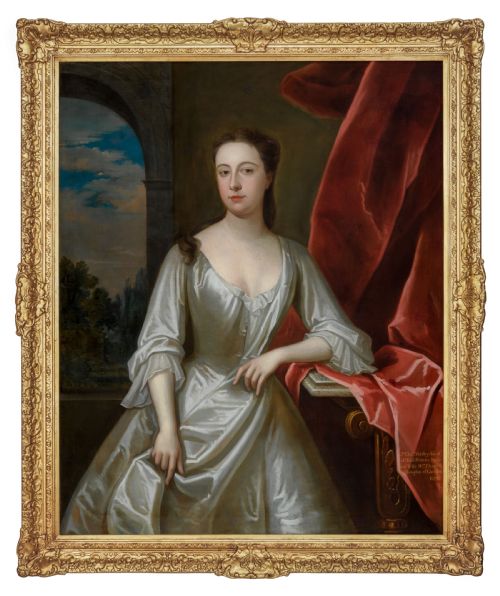
An oval framed painting typically presents portrait miniatures, oil on canvas works, and watercolours set within curved wooden or gilt borders. These pieces span from the sixteenth century through the Victorian period, including works from Regency and Georgian makers.
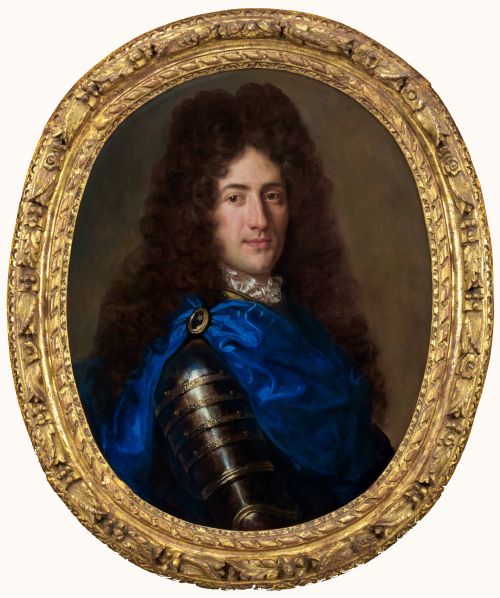
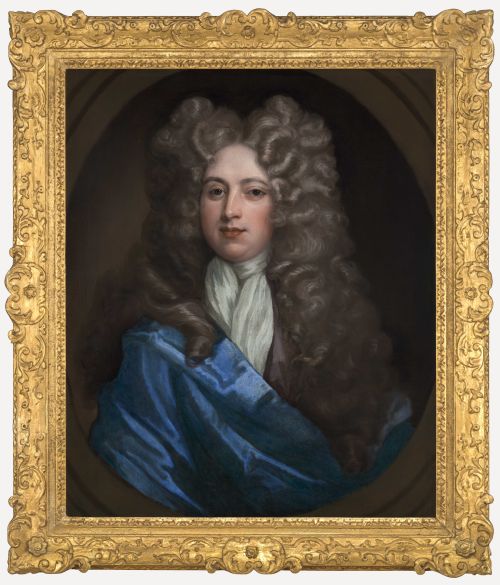
The most common examples on this page are oil paintings and portrait miniatures executed on canvas, wood, or paper, often housed in heavy giltwood frames that complement the rounded format.
How materials shape the construction
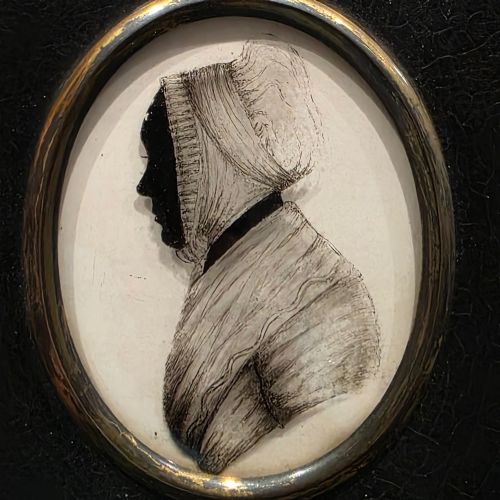
Makers utilised oil on canvas, wood panels, and paper for the central artwork, applying pigments by hand in traditional portrait and landscape styles. Glass protects delicate watercolours and silhouettes.
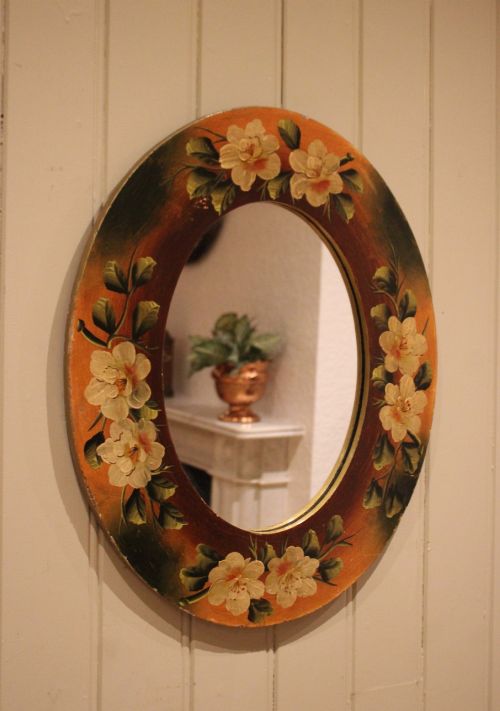
Frames are constructed from wood and finished with gold leaf, gilt wood, or paint to create decorative borders that follow the curved perimeter of the artwork.
Several historical gentlemen in these portraits wear remarkably large periwigs that dwarf their shoulders.
What distinguishes finer examples
Quality rests in the precision of the brushwork and the depth of detail within the portrait or still life subject, distinguishing studio pieces from standard decorative works.
The craftsmanship of the frame itself - particularly the carving of giltwood and the integrity of the gold leaf application - separates exceptional surviving examples from simpler productions.
Sir Godfrey Kneller·Michael Dahl·Thomas Murray·Henry Bone·Richard Cosway·John Russell·Michelangelo Meucci·James Sharples
The Oval Framed Painting Glossary
- Giltwood
- Wood carved and coated with gold leaf or a gold-coloured finish. This material is frequently found on period frames surrounding fine art.
- Portrait miniature
- A small-scale painting executed with high precision on paper, vellum, or enamel. These works were often housed in pocket-sized or wall-hanging oval frames.
- Reverse painted silhouette
- An image painted directly onto the reverse side of a glass panel. This technique creates a distinct polished surface effect.
- Oil on canvas
- Pigment suspended in drying oil applied to a stretched woven fabric support. This medium forms the foundation of many historical portraits in this category.
- Periwig
- A voluminous man's wig popular in seventeenth-century and early eighteenth-century portraiture. It serves as a key indicator of period costume.
Oval Framed Painting: Frequently Asked Questions
How do I date an oval framed painting?
Dating relies on costume details, hairstyles like periwigs, and the materials used in the canvas and frame construction.
Secondary clues include inscriptions on the reverse and the specific technique applied by the artist or school.
Where were oval framed paintings displayed?
These works hung in period drawing rooms, libraries, and galleries alongside larger rectangular artworks.
Smaller portrait miniatures were often kept in private chambers or carried as personal mementos.
What is a portrait miniature?
A portrait miniature is a highly detailed small painting capturing a specific individual's likeness.
Artists used fine brushes on materials like enamel, paper, or ivory to achieve remarkable precision.
How do I care for giltwood frames?
Giltwood frames require gentle dusting with a soft dry brush to protect the delicate gold leaf surface.
Keep them away from direct sunlight and damp environments to preserve the wood and finish.