




Oval Ebonised Frame
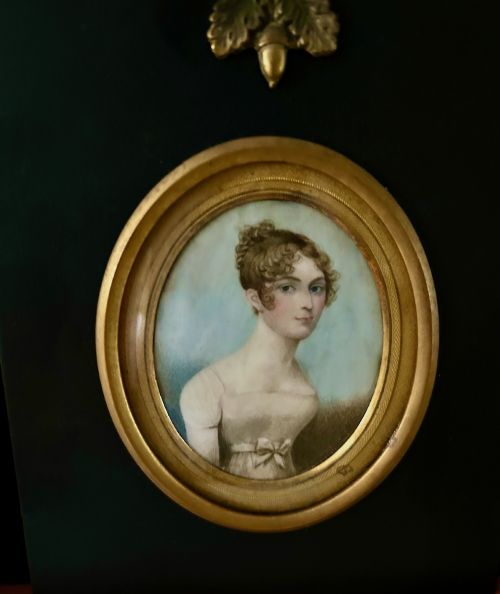
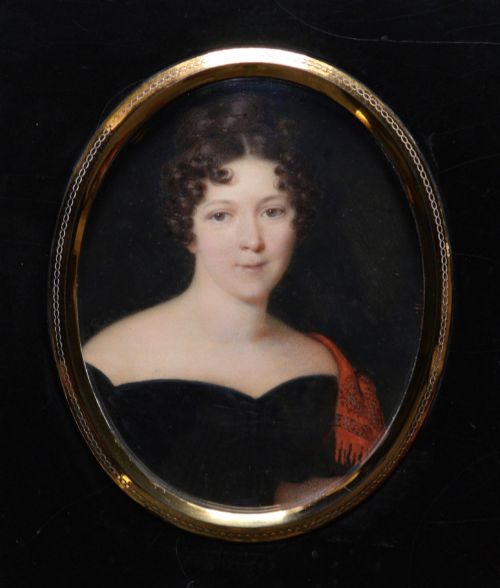
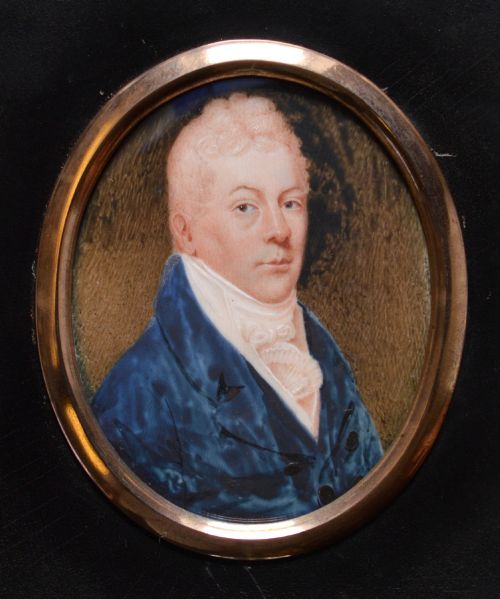
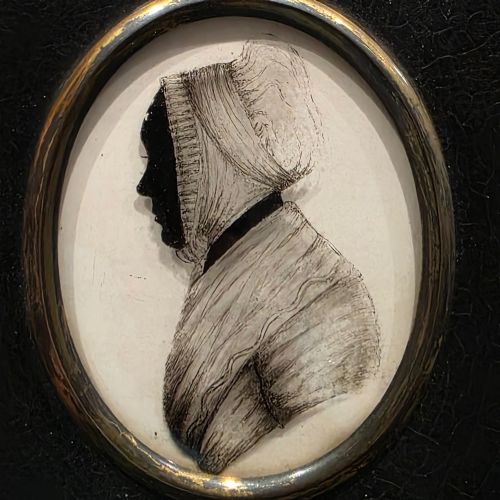
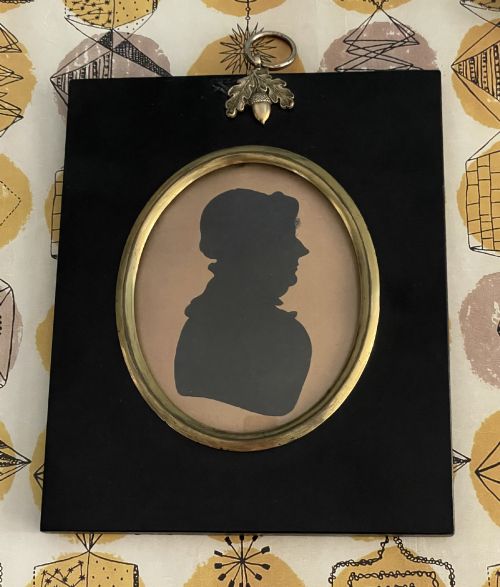
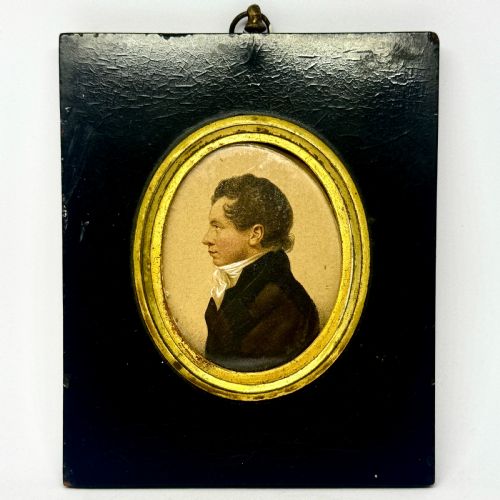
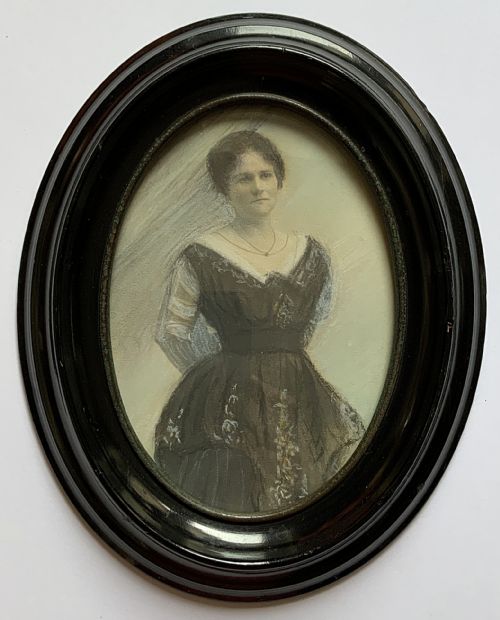
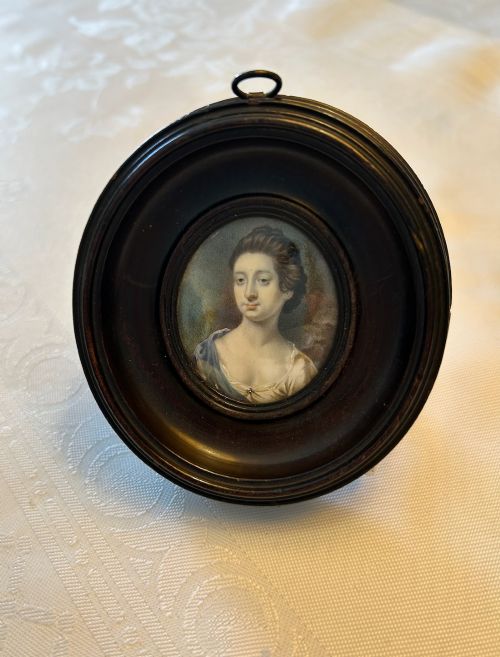
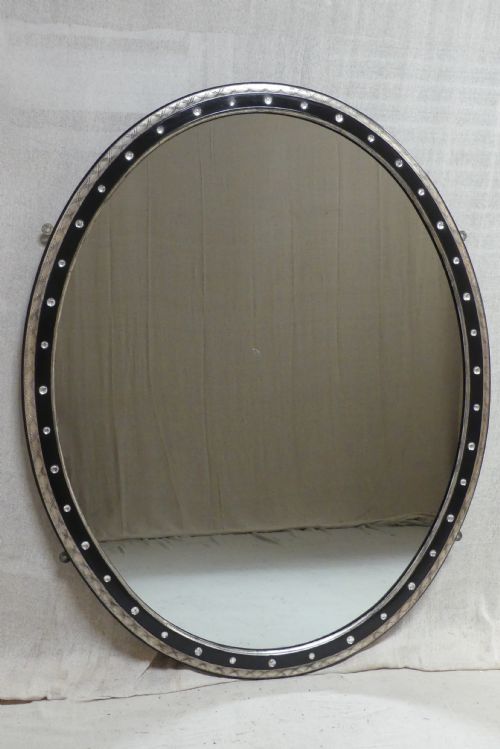
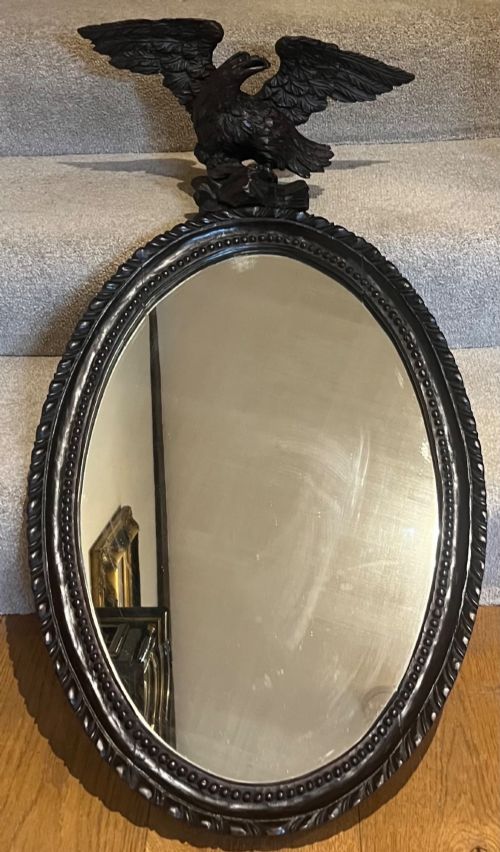
An oval ebonised frame holds small portraits, silhouettes or mirrors with a dark, rich presence that draws the eye immediately.
Oval Ebonised Frame
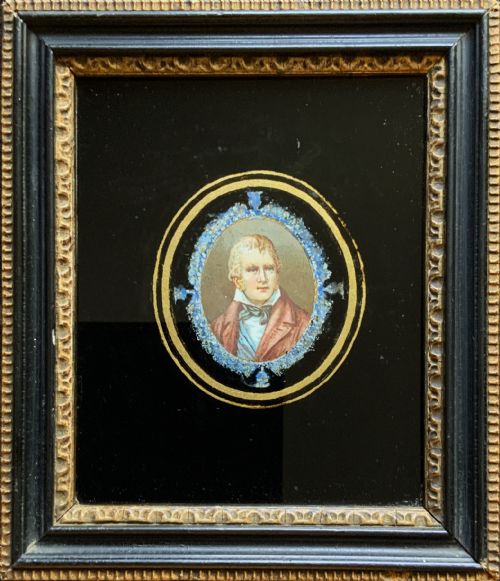
The oval ebonised frame holds delicate works including portrait miniatures, silhouettes, watercolours and small wall mirrors. These pieces span periods from the eighteenth century through the Victorian era and into the early twentieth century.
Most examples encountered here enclose silhouette portraits or small paintings executed on paper, card or glass. They serve to concentrate attention tightly on the subject within, using the deep dark timber boundary to set off lighter tones.
Makers designed these surrounds for intimacy, whether housing a likeness of a family member or reflecting light gently in a smaller room. The combination of the curved shape and the blackened wood creates a distinct period character.
Materials and construction
Artisans prepared these surrounds using dense wood treated with a dark stain or polish to achieve a solid black ebonised surface. Many examples incorporate parcel-gilt details, applying thin layers of gold leaf to inner or outer mouldings to catch the light.
Glass protects the fragile paper, watercolour or silhouette contained inside, held securely by the wooden rebate. Brass fixings and suspension loops frequently appear on the reverse to allow wall hanging.
The timber sections are joined carefully to form the curved perimeter, sometimes enriched with moulded profiles or silvered elements. This construction provides the structural stability needed to protect miniature artworks over centuries.
One cheerful silhouette captures a child alongside a handwritten motto.
Judging quality and execution
The depth and consistency of the ebonised finish dictate the visual strength of the piece, alongside the crispness of any gilt highlights. Superior examples show careful preparation of the timber beneath the dark coating rather than a heavy, flat paint layer.
Proportion matters significantly in curved surrounds, where the thickness of the moulding must balance the scale of the central artwork or mirror plate. Finer pieces maintain clean lines and secure joints that withstand handling without loosening.
The relationship between the frame and its contents determines overall success, as high-grade works pair sensitive portraiture or original glass with appropriately scaled mouldings. Original fixings and untouched backs contribute to the integrity of the piece.
George Atkinson·James Gillespie·John Taylor·John Miers·Archibald Skirving·Jeremiah Steele·Hans Holbein·Bartolozzi
The Oval Ebonised Frame Glossary
- Ebonised
- Wood treated to resemble expensive ebony by staining or finishing it black. This process provides a uniform, dark surface popular in various historical periods.
- Parcel-gilt
- Partially gilded with gold leaf, leaving portions of the underlying wood or dark finish exposed. This technique adds subtle contrast and highlights specific mouldings.
- Silhouette
- A portrait profile cut from paper or painted in solid black against a pale background. These works frequently appear housed in small oval surrounds.
- Portrait miniature
- A very small painting executed with fine detail on ivory, vellum, card or paper. They often require protective glass and close framing.
- Plumbago
- A delicate drawing executed in graphite, taking its name from the Latin word for lead ore. These detailed works date primarily from the seventeenth and eighteenth centuries.
Oval Ebonised Frame: Frequently Asked Questions
What periods do these pieces come from?
The selection spans multiple centuries, with items originating from the Georgian and Regency eras through the Victorian period and into the early twentieth century. Each era brought subtle shifts in moulding profiles and framing techniques.
Craftsmen adapted the basic oval shape to suit prevailing tastes, occasionally incorporating gilt accents or faceted glass elements that reflect the design standards of their time.
How should I hang an oval ebonised frame?
Most pieces feature original brass hanging loops or rings secured to the reverse woodwork. Use a sturdy wall hook positioned to support the weight directly by the cord or ring.
Because these surrounds often house fragile paper contents, mirrors or glass, choose a spot away from direct sunlight and damp conditions to protect the materials.
Are the silhouettes original to the frames?
Many examples retain their original pairing of artwork and surround, particularly those housing eighteenth and nineteenth-century silhouettes or watercolours. The dimensions and backing methods usually correspond to the period of creation.
Collectors look for undisturbed backing papers and seals that suggest the contents have remained together since the work was first mounted.
How do I care for ebonised wood?
Maintain the surface by dusting gently with a soft, dry cloth to prevent the accumulation of particles in the carved or moulded sections. Avoid using liquid polishes or chemical cleaners that might damage the dark finish.
Keep the pieces in stable indoor environments with moderate humidity levels to prevent the timber from expanding or contracting.