
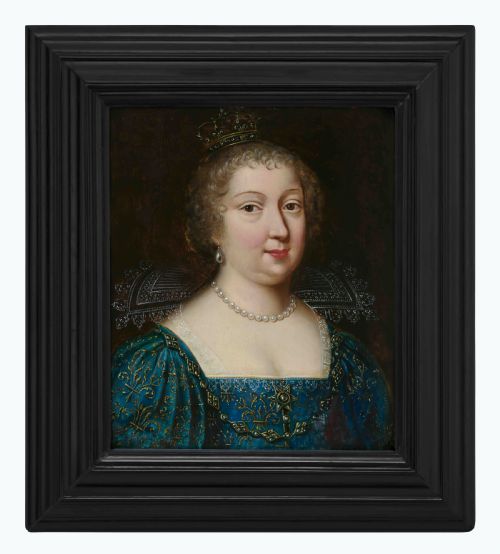


Historic Female Portrait
A historic female portrait brings centuries of character into a room, capturing noblewomen, country girls and ladies in oil, watercolour and print.
Historic Female Portrait
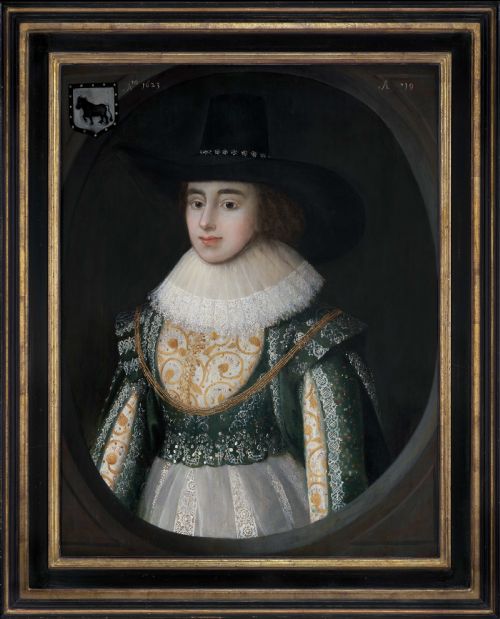
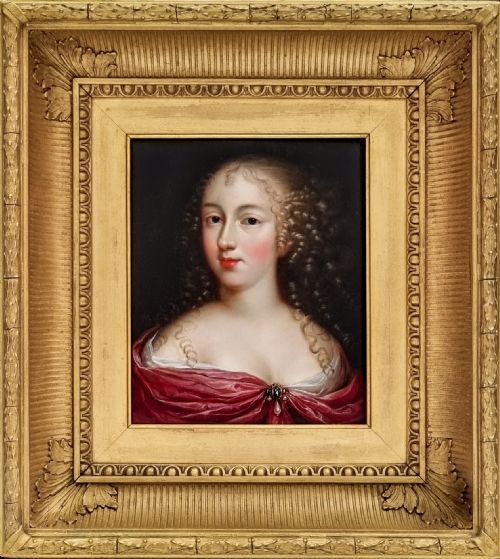
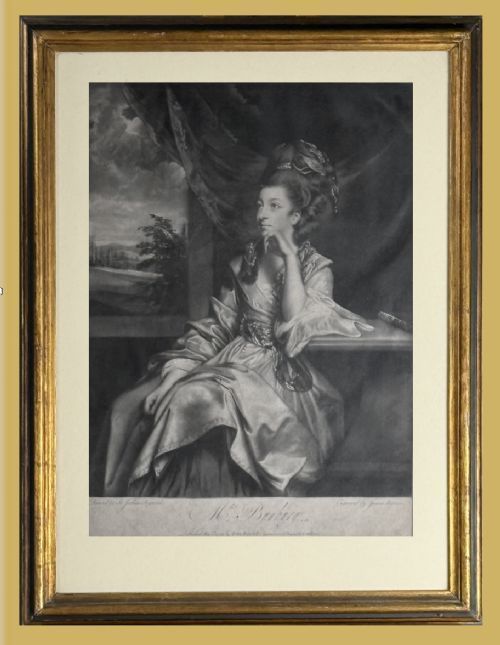
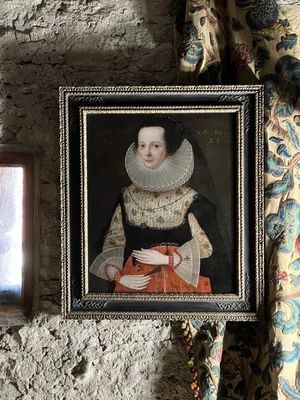
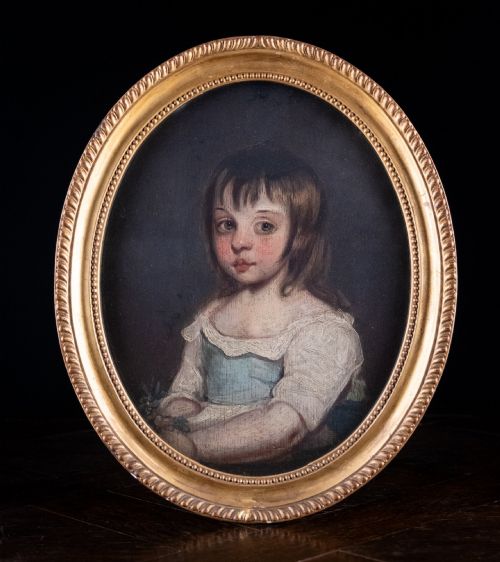
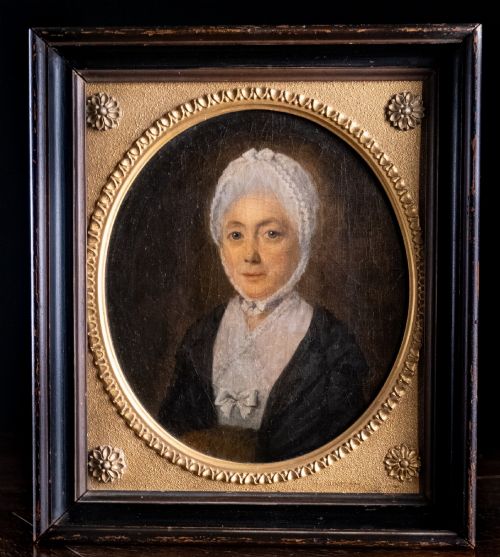
A historic female portrait presents women from past centuries, spanning the seventeenth, eighteenth and nineteenth centuries in various artistic mediums. You encounter oil paintings on canvas and panel, delicate watercolours on paper, and printed works such as mezzotints.
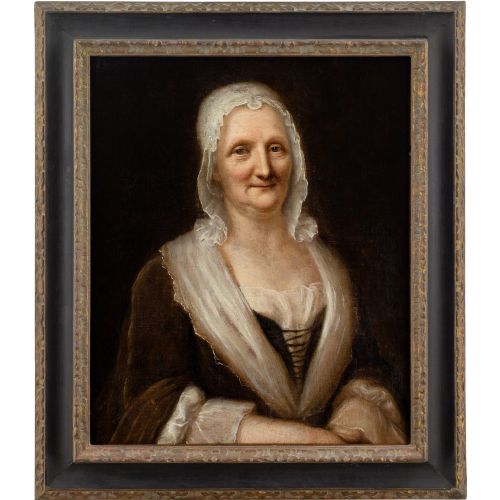
The subjects range from named figures like Maria Therese of Spain and noblewomen in elaborate costume to anonymous country girls and elderly ladies. English, French and Norwegian schools appear across the selection, reflecting distinct regional portrait traditions.
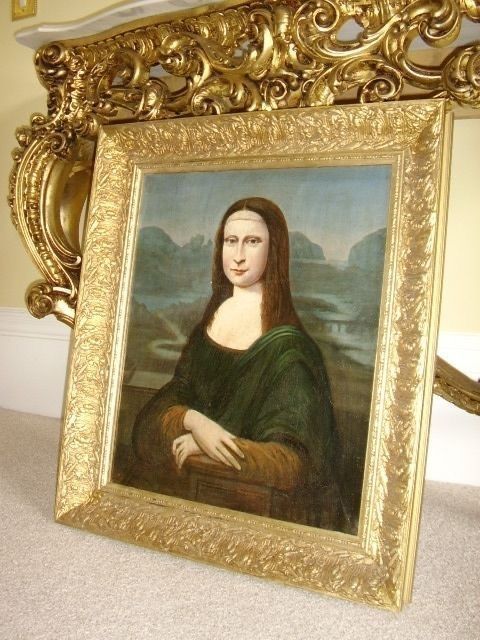
The version you are most likely to meet on this page is an eighteenth-century oil painting on canvas depicting a lady, often housed within a giltwood frame. These works capture the shifting fashions of Georgian, Regency, Baroque and Jacobean aesthetics.
How they were made
Artists built these historic female portrait works using oil paint applied to canvas or wood panels, alongside watercolour on paper and printed methods like mezzotint. The physical support dictates much of the surface texture, from the dense weave of canvas to the rigid grain of wood.
Frames play a vital structural and aesthetic role, frequently utilising gold leaf, giltwood and gilt wood to enclose the picture. These gilded surrounds complement the rich pigments of the paint and the fine detail of the print work.
Listings feature works from the 17th, 18th, and 19th centuries, executed in oil on canvas, wood, paper, and giltwood.
What varies in quality
The preservation of the original surface and the integrity of the support material define the standing of a piece. Retaining the original giltwood frame and avoiding heavy restoration preserves the authentic visual impact of the portrait.
Sir Joshua Reynolds·John Greenhill·Nathaniel Hone·Robert Byng·John Closterman·George Clint
The Historic Female Portrait Glossary
- Mezzotint
- A printmaking process of the tonal method, allowing smooth gradations of light and shade. This technique produces rich dark areas and subtle mid-tones.
- Giltwood
- Wood carved and covered with a thin layer of gold leaf or gold paint. It forms the ornate frames typical of many period paintings.
- Panel painting
- A painting executed on a flat piece of wood rather than stretched canvas. This rigid support was common in earlier centuries.
- Circle of
- A designation indicating an artist working closely alongside a master, adopting their specific style and technique. It denotes proximity to a known hand without direct attribution.
- Watercolour
- A painting method in which the paints are made of pigments suspended in a water-based solution. These works appear on paper supports.
Historic Female Portrait: Frequently Asked Questions
What periods do these portraits cover?
The works span from the seventeenth century through the eighteenth and nineteenth centuries. You find pieces dated from the seventeen hundreds up to the Victorian era.
Different stylistic movements mark each period, moving from elaborate Jacobean and Baroque costumes to Georgian elegance and Regency refinement.
How should I hang an oil portrait?
Select a wall with stable humidity away from direct sunlight to protect both the canvas and the giltwood frame. Proper picture lighting enhances the depth of the oil paint.
Ensure the wall fixings match the substantial weight of framed canvas and wooden panel works.
What is the difference between oil and watercolour portraits?
Oil paintings utilise pigments bound in oil on canvas or wood, offering rich colours and a textured surface. Watercolour works use water-soluble pigments on paper, yielding a lighter appearance.
Watercolours typically require protective glazing, whereas oil paintings on canvas remain unglazed.
Who are the subjects in these paintings?
The subjects include named historical figures, queens, countesses, and members of specific families like the Trench sisters. Other works depict anonymous sitters such as country girls and elderly ladies.
Many reflect the social standing of the sitter through elaborate dress and formal poses.